

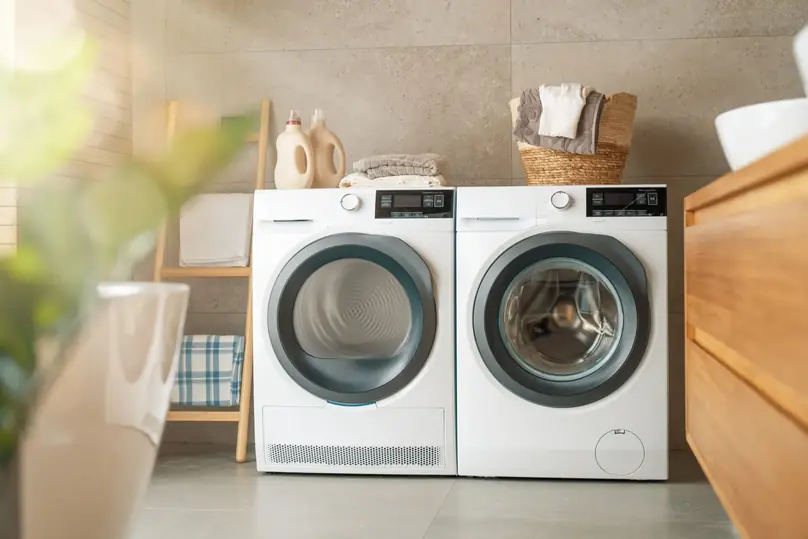
A washer that smells musty and a dryer that suddenly needs two cycles are more than small annoyances. They often point to trapped moisture, detergent residue, lint, or restricted airflow. A practical washer and dryer maintenance routine addresses those warning signs early by drying the washer after use, cleaning the lint screen after every load, and inspecting accessible parts on a regular schedule.
The checklist below separates safe owner maintenance from work that belongs to an appliance technician or vent specialist. Always read the care manual before removing a part or using a product because instructions vary by model. Yorleny’s house cleaning services can maintain the accessible floors and exterior surfaces around your laundry area, but the company does not repair appliances or clean internal dryer vents.
Washer and Dryer Maintenance: Quick Schedule
Use this schedule as a starting point. Your appliance manufacturer may recommend different intervals.
| Frequency | Washing machine | Dryer |
|---|---|---|
| After every load | Remove clothes and let the drum dry | Clean the lint screen |
| Weekly | Wipe the gasket, door, and exterior | Check around the door for loose lint |
| Monthly | Run the approved cleaning cycle and rinse dispensers | Inspect the lint screen and wipe the drum |
| Every 3–6 months | Check hoses, connections, and accessible filters | Inspect the exhaust hose and exterior vent |
| When problems appear | Check for leaks, odors, and drainage issues | Stop using it if it overheats or smells like burning |
Heavy use may require more frequent care. Pay attention to changes in performance instead of relying only on the calendar.
A deep cleaning checklist can place these appliance tasks alongside the less frequent work required in the rest of the home.
For weekly planning, pair the schedule with a realistic home cleaning and laundry routine so loads can run while you complete nearby cleaning tasks.
Why Washer and Dryer Maintenance Matters
A washing machine uses soap and water, but its interior does not clean itself. Detergent, fabric softener, hair, and moisture can remain after the cycle ends, which is why washer and dryer maintenance should not wait for an odor or error code.
Front-load washers may also hold water inside the rubber gasket. Without enough airflow, this damp area can develop residue, mold, or unpleasant smells. If you find visible growth around the laundry area, review these recommendations for cleaning mold the right way.
Dryers have a different maintenance concern. Lint can collect in the screen, filter housing, exhaust hose, and exterior vent. Restricted airflow makes clothes take longer to dry and may cause the appliance to overheat.
The National Fire Protection Association’s dryer safety guidance recommends cleaning lint from the filter after every load and keeping the exhaust system clear.
Routine inspections can reveal these problems before they get worse. They also help you notice leaks, damaged components, and unusual sounds sooner.
What You Need for Washer and Dryer Maintenance
You do not need a large collection of products. Most washer and dryer maintenance tasks require only a few basic supplies. Keep them together as a small laundry-room section within your broader cleaning supplies list:
- Microfiber cloths
- A soft sponge
- A small, soft-bristled brush
- Mild dish soap
- Warm water
- A vacuum with a narrow attachment
- A washer cleaner approved for your machine
- A flexible dryer vent brush
- A shallow container or absorbent towel
- Protective cleaning gloves
Check the appliance manual before using vinegar, baking soda, chlorine bleach, or another household product. Some manufacturers permit them for specific tasks, while others advise against them. Whirlpool’s explanation of using vinegar in a washing machine notes that suitability depends on the appliance and cleaning task. It also warns against combining vinegar with chlorine bleach.
Never mix chlorine bleach with vinegar, ammonia, or another cleaning product. If you are unsure whether a task requires cleaning or disinfection, review the difference between cleaning and sanitizing before selecting a product.
Washer Maintenance Tasks After Every Load
A few quick habits can reduce moisture and detergent buildup inside the washer. Remove clothes as soon as the cycle finishes. Wet laundry left inside the drum can develop a musty smell, especially in Florida’s warm climate.
Check the drum for tissues, hair, coins, or other objects. Small items may eventually reach the filter or drainage system. For a front-load washer, wipe visible water from the rubber gasket. Pay attention to the lower fold, where moisture tends to collect.
Leave the door or lid slightly open after the final load. This allows the drum and gasket to dry. If children or pets can reach the machine, follow the manufacturer’s safety guidance. Keep the detergent drawer open long enough to release trapped moisture as well.
Monthly Washing Machine Maintenance Checklist
A monthly routine can reduce detergent buildup, trapped moisture, and minor odors. Check the care manual before removing parts or adding a cleaning product.
Include these tasks in your routine:
- Run the manufacturer-recommended cleaning cycle.
- Rinse the detergent and fabric softener dispensers.
- Wipe moisture and residue from the door gasket.
- Inspect the user-accessible filter, if your model has one.
- Check the hoses and surrounding floor for signs of leaks.
- Clean the door, controls, and exterior.
- Leave the door or lid open until the drum dries.
These steps focus on prevention. They may not remove an odor that has already developed inside the gasket, filter, drum, or drainage system.
If your washer currently smells musty, sour, or like sewage, the odor may help reveal why a washing machine smells and which accessible area needs attention first.
Run the Approved Washer Cleaning Cycle
Many machines include a setting labeled Clean Washer, Self Clean, or Tub Clean. Run this cycle with an empty drum. Use only the cleaning product and quantity recommended for your model. Do not assume that every homemade solution will work safely in every washer.
The official Whirlpool washing machine cleaning guide, for example, recommends checking the use and care manual before choosing a cleaner or cycle. Once the cycle ends, wipe away loosened residue. Leave the door open until the interior dries.
Rinse the Detergent and Fabric Softener Dispensers
Detergent and fabric softener can leave a sticky coating inside the dispenser. This residue traps moisture and may interfere with product flow. Remove the drawer only if your washer allows it. Check the manual if you cannot find the release mechanism.
Wash removable pieces with warm water and mild soap. Use a soft brush for narrow openings and corners. Let everything dry before returning the drawer to the machine. Avoid using a stiff brush or abrasive cleaner. Either one could scratch the plastic and create more places for residue to collect.
Check the Washing Machine Filter
Some washers include a filter that collects lint, hair, coins, and other small objects. However, not every model has a filter that homeowners should remove. Consult the manual to confirm its location and cleaning instructions. Front-load machines often place it behind a panel near the bottom. Maytag’s guide to finding and cleaning a washing machine filter also explains why the location and procedure vary by model.
Unplug the washer before opening the compartment. Put a towel or shallow container beneath it because some water may drain out. Remove accessible debris and rinse the filter with warm water. Return it to the correct position and secure the cover.
Contact an appliance technician if the filter appears damaged or will not come out easily.
Dryer Maintenance Tasks After Every Load
Cleaning the lint screen after every load is the most important dryer step in a washer and dryer maintenance routine. A blocked screen restricts airflow and increases drying time. Pull out the lint screen and remove the loose material with your fingers. Check for tears, cracks, or warped areas while the screen is out.
Never run the dryer without the filter in place. Look around the door and drum for loose lint. Remove any visible material before starting another load.
Pay attention to drying time as well. Clothes that suddenly require an extra cycle may indicate restricted airflow.
Monthly Dryer Maintenance Checklist
A monthly washer and dryer maintenance check helps you catch lint and residue that daily cleaning may miss.
Include these tasks:
- Inspect the lint screen for damage.
- Check the mesh for fabric softener residue.
- Vacuum accessible lint from the filter housing.
- Wipe the dryer drum.
- Clean the door, handle, and controls.
- Look behind and beneath the dryer for lint.
- Check whether the exhaust hose looks crushed or bent.
- Confirm that the exterior vent opens during operation.
Unplug the dryer before cleaning its interior or moving it. Do not disconnect or move a gas dryer if doing so could disturb the gas connection.
Remove Residue From the Lint Screen
Dryer sheets and fabric softeners may leave a thin film on the lint screen. Hold the screen beneath running water to check it. Water should pass through the mesh instead of collecting on top.
If you notice a coating, wash the screen with warm water and mild soap. Use a soft brush to loosen the residue.
Rinse it thoroughly and let it dry completely before returning it to the dryer.
Clean the Dryer Drum
Use a soft, damp cloth to wipe the empty drum. Apply a small amount of mild soap to the cloth if you notice marks or residue.
Do not pour liquid directly into the dryer. Avoid spraying air freshener, disinfectant, or another flammable product inside the drum.
Leave the door open until every surface feels dry.
Inspect Washer Hoses and Connections
Look behind the washing machine every few months. This part of washer and dryer maintenance includes checking the water supply hoses, drain hose, faucets, and surrounding floor.
Watch for:
- Cracks in the hose
- Bulging areas
- Rust around a connection
- Small drops of water
- Damp spots on the wall or floor
- A loose drain hose
- Kinks that restrict water flow
Do not ignore a small leak. Water can damage nearby flooring and walls before the problem becomes obvious.
Replace damaged hoses according to the appliance manufacturer’s instructions. Contact a technician or plumber if you cannot access the connection safely.
Check the Dryer Exhaust Hose and Exterior Vent
The exhaust system carries hot, moist air outside the home. Washer and dryer maintenance must therefore include watching for lint or damage that restricts dryer airflow, even when a specialist must handle the internal cleaning.
Possible signs of a blockage include:
- Clothes take longer to dry.
- The dryer feels unusually hot.
- The laundry room becomes warm or humid.
- Lint collects behind the machine.
- The exterior vent flap does not open.
- You notice a burning smell.
Inspect the Exhaust Hose Safely
For an electric dryer, unplug the appliance before inspecting the exhaust hose. Move it carefully to avoid crushing or tearing the connection.
Disconnect the hose only if you can do so safely. Use a vacuum or flexible vent brush to remove accessible lint. Reconnect everything securely and avoid sharp bends.
Check the Exterior Vent
Check the vent opening outside the home. Remove visible lint and confirm that the flap moves freely.
Long vents, heavy obstructions, damaged hoses, and inaccessible connections may require professional cleaning or repair.
Keep the wall, floor, and accessible appliance exteriors free of lint as part of the same home cleaning schedule. This does not replace internal vent service, but it makes new lint accumulation and leaks easier to spot.
Signs Your Washer or Dryer Needs Immediate Attention
Washer and dryer maintenance cannot correct every problem. Stop using the appliance if you notice a possible electrical, gas, or mechanical failure.
Warning signs include:
- Water leaking beneath the washer
- A damaged power cord
- Repeated error codes
- Grinding or banging sounds
- Strong or unusual vibrations
- A washer that does not drain
- A dryer that overheats
- Clothes that remain wet after several cycles
- A drum that does not turn correctly
- A burning smell
- A gas smell near a gas dryer
Do not remove secured panels or attempt an electrical repair without proper training.
When to Call an Appliance Technician
Contact a qualified technician when a problem continues after basic washer and dryer maintenance. The appliance may have a damaged pump, motor, heating element, sensor, or internal duct.
A technician should also inspect:
- Recurring leaks
- Repeated drainage problems
- Persistent error messages
- Electrical odors
- Severe vibrations
- Overheating
- Damaged vent connections
- Internal lint buildup
- Problems involving a gas dryer
Turn off and unplug the appliance when it is safe to do so. If you smell gas, leave the area and follow your utility provider’s emergency instructions.
Keep Your Laundry Appliances in Better Condition
Washer and dryer maintenance works best as a routine, not a response to an emergency. Small tasks after each load prevent residue, moisture, and lint from accumulating unnoticed. Remove wet clothes promptly. Let the washer dry, use the correct amount of detergent, and clean the dryer’s lint screen every time.
Each month, inspect the parts that require more attention. Check the washer dispensers, gasket, filter, hoses, lint screen, dryer drum, and exhaust connection. Most importantly, notice changes. Longer drying times, leaks, unusual noises, and recurring odors can reveal a problem before the appliance stops working.
Yorleny’s Cleaning Service does not repair laundry appliances or clean internal dryer vents. However, our home deep cleaning services can include detailed care for accessible surfaces in the surrounding laundry area and the exterior of your appliances.
Need help keeping the rest of your home clean? Contact Yorleny’s Cleaning Service to learn more about our professional residential cleaning options.

Reviewed by:
Tony Loeffler is the Co-Founder of Yorleny's Cleaning Service and a leader in residential cleaning services. As a content reviewer and writer, he is an expert around the cleaning services in Florida, specifically West Palm Beach County.
Recent Articles

How to Clean Seasonal Decorations and Holiday Decor Safely
The holiday season is the perfect time to decorate our homes with lights, ornaments, and magical touches. However, before reusing decorations that…

How to Clean Up Glitter From Floors, Carpet, and Furniture
Glitter is a frustrating holiday mess, clinging to fabrics and sticking via static electricity. Knowing how to clean up glitter quickly prevents…

How to Get Food Coloring Off Skin, Clothes, Carpet, and Counters
If you or your children are dyeing Easter eggs or getting creative with crafts, it is very likely that some of the…
See below to check if our top-quality house cleaning services are available in your city and book your first appointment with just a few clicks.