

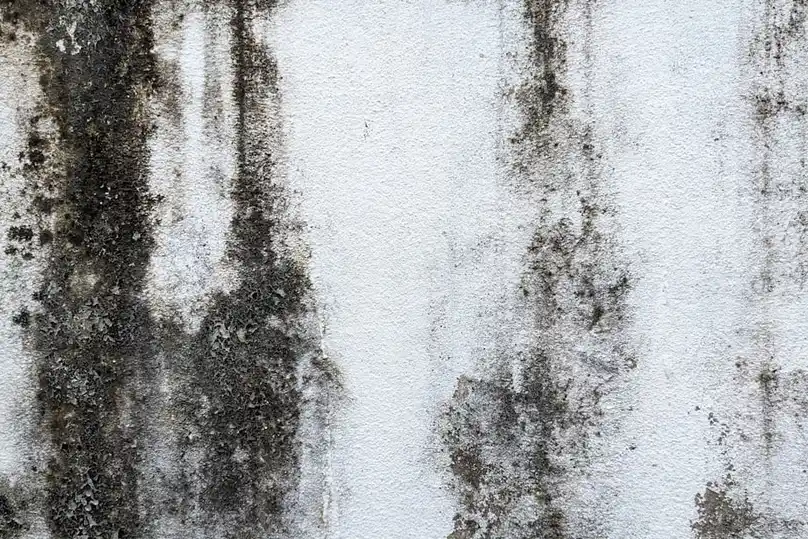
A dark patch can disappear after wiping and return days later because the real problem is still feeding it. Cleaning mold safely starts with finding the leak, condensation, or humidity source—not choosing a stronger spray. In South Florida, bathrooms, closets, windows, and air-conditioned spaces can become damp quickly after plumbing leaks, HVAC problems, storms, or sustained indoor humidity.
For a small patch on a washable hard surface, you may be able to stop the moisture, remove the growth, dry the area, and monitor it yourself. Porous materials, contaminated water, HVAC involvement, or a combined affected area larger than about 10 square feet require a different response. This article covers limited household cleanup; it does not replace medical advice, mold assessment, or licensed remediation.
Cleaning Mold Safely: Quick Steps
For mold covering less than about 10 square feet—roughly a 3-by-3-foot area—the U.S. Environmental Protection Agency says homeowners can usually perform the cleanup themselves. When cleaning mold in a small area, start by repairing the leak or controlling the humidity that allowed the growth.
Then put on gloves, goggles, and at least an N95 respirator. Scrub mold from a hard surface with detergent and water, remove the residue, and dry the area completely. You may need to discard moldy ceiling tiles, insulation, drywall, or carpet because growth can extend below the visible surface.
Call a professional when:
- The affected area is larger than approximately 10 square feet.
- Mold followed flooding, sewage, or other contaminated water.
- Growth appears inside walls, insulation, ducts, or an HVAC system.
- The mold keeps returning after you correct the moisture problem.
- The surface is extensively damaged or difficult to clean safely.
- Someone in the home has asthma, severe allergies, chronic lung disease, or a weakened immune system.
Why Mold Appears in Florida Homes
Mold needs moisture and a material it can grow on. A dripping pipe, roof leak, wet drywall, or poorly ventilated bathroom can provide both. Florida’s humid climate makes moisture control especially important, but indoor mold is not something homeowners have to accept as normal.
The first task is finding the water source. Look for plumbing leaks, condensation around air vents, damp cabinets, damaged caulk, roof stains, or an air conditioner that is not controlling humidity. Cleaning mold without resolving that source usually produces only a temporary improvement.
Dry wet materials as quickly as safety permits. The Florida Department of Health advises residents to act promptly because mold can begin growing after materials remain wet for a short period, particularly after leaks, storms, or flooding.
How to Recognize a Mold Problem
Indoor mold may appear black, brown, green, white, or orange. It can look powdery, fuzzy, or stain-like, depending on the species and the surface. A persistent musty odor can also point to hidden moisture, even when no growth is immediately visible.
Color alone cannot tell you whether mold is more or less hazardous. Many molds look black, and identifying Stachybotrys chartarum requires specialized examination. The Florida Department of Health recommends addressing all indoor mold growth rather than trying to identify the species first.
Routine sampling is usually unnecessary when you can already see the problem. Focus instead on locating the moisture source, estimating the affected area, and deciding whether cleaning can save the material. If the odor continues but you cannot find the source, a licensed mold assessor can investigate hidden areas.
Decide Whether the Area Is Safe to Clean Yourself
Before cleaning mold, measure the visible growth without disturbing it. The EPA uses approximately 10 square feet as a practical threshold for deciding whether a homeowner can usually manage the work. Count multiple patches in the same room together rather than treating them as unrelated spots.
Do not attempt DIY cleanup after sewage exposure or extensive flooding. These situations can involve contaminants beyond mold and require different protective measures. You should also avoid disturbing mold inside ductwork, since operating the system could distribute spores to other rooms.
Health matters as much as size. The Centers for Disease Control and Prevention advises people with mold allergies, asthma, chronic respiratory disease, immune suppression, or underlying lung disease not to participate in cleanup. When in doubt, speak with a healthcare professional before entering the area.
What to Wear Before Cleaning Mold
Cleaning mold can release spores and product residue even when the patch is small. Wear an N95 respirator that fits securely, non-vented goggles, and gloves that protect your hands from both moisture and the product you use. Long sleeves, long pants, and washable or disposable clothing add another layer of protection.
Keep children and pets away while you work. Open a nearby window when conditions allow, but do not point a fan directly at the mold because moving air can carry particles into clean areas. Close doors to the rest of the home and avoid running an affected HVAC system.
Gather the following items before starting:
- N95 respirator, non-vented goggles, and protective gloves
- Mild detergent and clean water
- Disposable cloths or a scrub brush appropriate for the surface
- Plastic bags for contaminated disposable materials
- A moisture meter, if available
- A dehumidifier or another safe way to finish drying the room
Cleaning Mold in a Small Area Step by Step
These steps apply to a limited patch on a washable, structurally sound surface. If you uncover additional growth as you work, stop and reassess the total area. What looks like a small stain can sometimes extend behind a baseboard, cabinet, or section of drywall.
Step 1: Stop the Moisture Source
Repair the leak, clear the blocked drain, improve ventilation, or lower the indoor humidity before cleaning mold. If the source remains active, the surface can become wet again and support new growth. For a roof, plumbing, or HVAC problem, complete the necessary repair first.
Do not paint, caulk, or seal over visible mold. Covering the stain traps the underlying problem and can cause the coating to peel later. The surface must be clean and completely dry before you make cosmetic repairs.
Step 2: Protect and Isolate the Work Area
Put on your protective equipment before touching the affected material. Move clean objects away from the work zone and place disposable protection beneath it if needed. Avoid aggressive dry brushing, sanding, or scraping because those actions can send more particles into the air.
If the growth is near a supply or return vent, turn off the system and obtain professional advice before proceeding. Mold within an HVAC component is not an ordinary surface-cleaning job and may spread when the equipment operates.
Step 3: Decide Whether You Can Save the Material
You can usually scrub glazed tile, metal, and some sealed countertops because these hard surfaces do not readily absorb moisture. You may also save solid wood when the growth remains superficial, the material stays sound, and you can dry it fully.
Porous materials require a different approach. Mold can grow into drywall, carpet padding, ceiling tiles, insulation, and particleboard, which makes complete removal difficult. You may need to replace a small affected section; ask a mold professional to evaluate widespread damage.
Step 4: Clean Hard Surfaces With Detergent and Water
Apply a small amount of mild detergent and water to the washable surface. Scrub until the visible growth and residue are gone, then wipe the area with clean water as appropriate for the material. Avoid soaking walls, wood, grout, or nearby porous finishes.
The goal is physical removal, not simply changing the color of the stain. Use fresh cloths as they become dirty so you do not spread residue across the surface. Place disposable cloths and debris in a sealed bag before carrying them through the home.
Step 5: Dry the Area Completely
Remove the remaining moisture with clean towels and continue drying the room. A dehumidifier can help after the immediate cleanup, as long as you do not run an affected HVAC system. Check seams, corners, and the underside of nearby materials rather than judging dryness only by appearance.
If the surface stays damp or the room quickly becomes humid again, you have not resolved the source. Pause cosmetic repairs until the material dries and you can keep the humidity under control.
Step 6: Inspect the Area Again
Successful cleanup should leave no visible growth, moldy odor, or unresolved moisture. Recheck the area over the following days and after the next period of heavy rain or high humidity. Recurring spots signal that water is still entering or that hidden growth still affects nearby material.
Formal post-remediation testing is not normally needed for one small household patch. Larger projects may require professional verification based on the remediation plan, the building conditions, and the needs of the occupants.
Which Mold-Cleaning Products Should You Use?
For cleaning mold on hard surfaces, EPA guidance focuses on detergent, water, physical removal, and complete drying. A stronger-smelling product does not automatically produce a safer result. Check whether the cleaner suits the surface and follow its label for dilution, contact time, ventilation, and protective equipment.
The EPA does not recommend chlorine bleach as a routine mold-cleanup method. A qualified professional may choose a biocide in a specific situation, but bleaching a stain does not solve the moisture problem or remove growth from porous material.
Never mix bleach with ammonia, acids, vinegar, or another cleaning product. The mixture can produce dangerous gases even when each product seems familiar on its own. If you use an EPA-registered product, follow the label exactly and keep homemade mixtures separate.
Vinegar, hydrogen peroxide, and baking soda often appear in online cleaning advice, but their suitability varies by surface and situation. Do not combine them or use them to remediate drywall, insulation, carpet padding, or extensive growth. For ordinary residue unrelated to a larger moisture problem, choose the best bathroom cleaner for the specific surface instead of treating every dark stain as mold.
How the Surface Changes the Cleanup Method
Tile, Grout, and Shower Surfaces
Glazed tile is generally washable, but grout and caulk can retain moisture. When cleaning mold from a small surface patch, avoid oversaturating the joints and dry the shower thoroughly. If growth has penetrated deteriorated caulk, removing and replacing the caulk after the area dries may be more effective than repeatedly scrubbing it.
Once you control the moisture problem, routine shower-grout cleaning and shower-curtain washing can reduce ordinary bathroom buildup. These tasks do not replace remediation of hidden or extensive mold.
Drywall, Ceiling Tiles, and Insulation
Paper-faced drywall, ceiling tiles, and insulation are porous. Cleaning mold from the visible surface may leave affected material behind once growth enters these materials. Small sections sometimes require controlled removal and replacement after you fix the leak.
Stop if the drywall feels soft, crumbles, shows widespread staining, or conceals a larger cavity. Disturbing damaged wall or ceiling material without containment can release more debris and reveal a much larger problem.
Wood and Painted Surfaces
You may clean solid wood when the growth remains superficial and the wood stays structurally sound. Use minimal moisture and allow extra drying time. Swelling, decay, deep staining, or recurring odor may indicate that the damage extends farther than the visible surface.
You can sometimes clean painted walls when the coating remains intact and the underlying drywall stays dry. Bubbling paint, a soft wall, or a stain that returns after cleaning suggests hidden moisture. Investigate the source before repainting.
Carpet, Upholstery, and Other Fabrics
You may be able to launder washable textiles according to the care label when exposure remains limited. Moldy carpet padding, heavily affected upholstery, and materials contaminated by floodwater are harder to restore safely. Consider replacement or professional evaluation rather than trying to mask the odor.
Is Black Mold More Dangerous Than Other Mold?
People commonly use “black mold” as a warning label, but color does not identify the species or determine the cleanup method. The CDC explains that some molds can produce mycotoxins. However, the same core response applies to all indoor mold: control moisture and remove the growth safely.
You do not need to identify a species before taking action. The safety decisions for cleaning mold depend more on size, location, water source, material damage, and occupant health than on color alone. Treat every indoor mold problem seriously, especially when occupants have respiratory conditions or weakened immune systems.
When to Hire a Licensed Mold Professional in Florida
Florida regulates mold assessors and mold remediators through the Department of Business and Professional Regulation. When a project exceeds a small household cleanup or requires professional assessment or remediation, verify the individual’s license through the Florida Department of Business and Professional Regulation. A general house-cleaning company is not automatically a licensed mold assessor or remediator.
Professional help is also appropriate when cleaning mold would disturb a hidden source, when growth returns, or when the building has extensive water damage or contaminated water. Ask how the contractor will contain the area, protect occupants, remove damaged materials, correct moisture, and confirm that the work is complete.
Florida restricts a mold assessor from performing remediation on a property the assessor or their company evaluated within the previous 12 months. This separation helps homeowners obtain an assessment that is independent from the company bidding on the remediation work.
How to Prevent Mold From Returning
Moisture control is the most reliable form of mold prevention. Keep indoor relative humidity below 60 percent and, when practical, between 30 and 50 percent. An inexpensive hygrometer can show whether a bathroom, bedroom, attic, or closet stays humid even when surfaces look dry.
Use bathroom and kitchen exhaust fans that vent outdoors. Run the bathroom fan during showers and afterward, dry wet tile and glass, and avoid leaving damp towels in closed rooms. If mold tends to develop above the shower or around grout, inspect ventilation and leaks instead of relying only on more frequent scrubbing.
Check air-conditioning drain lines, supply vents, windows, under-sink cabinets, and roof penetrations. After a storm, inspect less-visible spaces for water stains or musty odors. In the attic, inspect heat, access, leaks, insulation, and contamination before cleaning or moving stored items.
Additional prevention habits include:
- Drying spills and wet building materials within 24 to 48 hours.
- Repairing plumbing, roof, and window leaks promptly.
- Keeping furniture slightly away from damp exterior walls.
- Using a dehumidifier where air conditioning cannot maintain safe humidity.
- Cleaning bathroom exhaust grilles and checking that fans vent outdoors.
- Replacing damaged caulk only after the underlying area is clean and dry.
- Avoiding carpet in bathrooms and persistently damp basements.
Keep Moisture Control at the Center of the Plan
Cleaning mold the right way means solving the water problem as well as removing the visible growth. A small patch on a hard surface may be manageable with proper protection, detergent, water, and careful drying. Larger areas, damaged porous materials, contaminated water, and HVAC involvement need professional attention.
Yorleny’s Cleaning Service provides routine and deep cleaning services for South Florida homes, but ordinary house cleaning is not a substitute for licensed mold assessment or remediation. Once a qualified professional addresses the moisture or remediation problem, contact our team to discuss appropriate cleaning support for the unaffected areas of your home.
Frequently Asked Questions About Cleaning Mold
Can I Paint Over Mold After It Dries?
No. Paint and caulk do not remove mold or correct the moisture source. Clean or replace the affected material, allow it to dry fully, and confirm that the water problem is resolved before applying a new finish.
Should I Use Bleach to Clean Mold?
The EPA does not recommend bleach or other biocides as a routine mold-cleanup practice. For a small patch on a hard surface, detergent, water, physical removal, and thorough drying are usually the starting points. Never mix bleach with another cleaner.
How Large Is 10 Square Feet of Mold?
Ten square feet is approximately one 3-by-3-foot patch, although 3 by 3 feet equals 9 square feet. Count nearby patches together when estimating the total affected area. If opening a cabinet or removing trim reveals more growth, stop and reassess the job.
Can an Air Purifier Remove a Mold Problem?
A HEPA air purifier may reduce some airborne particles, but it cannot repair a leak or remove growth from a building material. Use filtration as a supporting measure, not as a substitute for moisture correction and physical cleanup.
Why Does Mold Keep Coming Back After Cleaning?
Recurring mold usually means the surface is becoming damp again or affected porous material remains nearby. Check humidity, leaks, condensation, ventilation, and hidden areas. Consider a licensed assessment when you cannot find the source.

Reviewed by:
Tony Loeffler is the Co-Founder of Yorleny's Cleaning Service and a leader in residential cleaning services. As a content reviewer and writer, he is an expert around the cleaning services in Florida, specifically West Palm Beach County.
Recent Articles

How to Clean Seasonal Decorations and Holiday Decor Safely
The holiday season is the perfect time to decorate our homes with lights, ornaments, and magical touches. However, before reusing decorations that…
How to Clean Up Glitter From Floors, Carpet, and Furniture
Glitter is a frustrating holiday mess, clinging to fabrics and sticking via static electricity. Knowing how to clean up glitter quickly prevents…

How to Get Food Coloring Off Skin, Clothes, Carpet, and Counters
If you or your children are dyeing Easter eggs or getting creative with crafts, it is very likely that some of the…
See below to check if our top-quality house cleaning services are available in your city and book your first appointment with just a few clicks.