

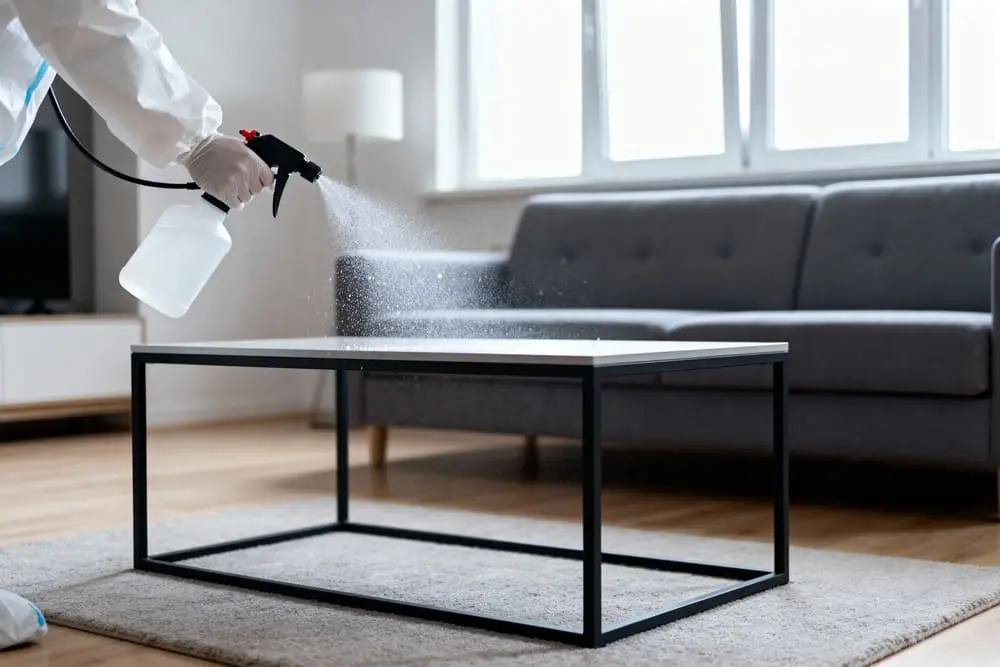
A kitchen counter can look spotless and still need sanitizing after food preparation. At the same time, a dusty table may need nothing more than ordinary cleaning. Knowing the difference helps you choose the right process without using more chemicals than the situation requires.
Cleaning removes dirt, food residue, grease, dust, and many germs from a surface. Sanitizing lowers bacteria to the level stated on a product label, while disinfecting kills or inactivates the specific bacteria and viruses listed on a registered disinfectant. Each process has a purpose, but not every room needs all three every day.
The Centers for Disease Control and Prevention explains that cleaning with soap or detergent is enough in most household situations. Disinfection becomes more important when someone is sick, recently visited while ill, or has a weakened immune system.
Sanitize vs Clean: Quick Answer
The difference between cleaning and sanitizing comes down to the goal. Cleaning physically removes visible soil and reduces many germs. Sanitizing takes place after cleaning and uses a product or process designed to lower bacteria on the surface to the level specified on its label.
Disinfecting goes further by targeting the bacteria, viruses, or other microorganisms named on the disinfectant label. A disinfectant cannot work as intended when grease or dirt blocks the surface, which is why cleaning normally comes first.
| Method | Main purpose | Common products | When to use it |
|---|---|---|---|
| Cleaning | Removes dirt, residue, allergens, and many germs | Soap, detergent, water, microfiber cloths | Routine household care and before sanitizing or disinfecting |
| Sanitizing | Reduces bacteria to the level stated on the product label | EPA-registered surface sanitizers | Food-contact surfaces and other situations that call for bacterial reduction |
| Disinfecting | Kills or inactivates the germs listed on the product label | EPA-registered disinfectants | When someone is sick or a surface has a specific contamination risk |
What Does Cleaning Do?
Cleaning loosens and removes substances that do not belong on a surface. Soap or detergent, water, and friction lift dust, crumbs, grease, spills, and many germs so they can be rinsed or wiped away. This is the foundation of almost every household hygiene task.
A cleaner does not need to claim that it kills germs to be useful. In a healthy household, washing dishes, wiping counters, dusting furniture, vacuuming rugs, and mopping floors often provide the appropriate level of care. For a complete routine, follow our room-by-room house cleaning guide.
Examples of Routine Cleaning at Home
In the kitchen, cleaning includes removing crumbs, washing dishes, wiping grease from the stove, and cleaning food residue from countertops. In the bathroom, it means removing soap scum, mineral deposits, hair, and visible grime from fixtures and floors.
Bedrooms and living areas generally need dusting, vacuuming, spot cleaning, and regular laundering. These tasks reduce the material that can hold allergens or germs without requiring a disinfectant on every surface.
Common cleaning tasks include:
- Washing dishes with dish soap and water
- Wiping kitchen counters after ordinary use
- Removing soap scum from tubs and showers
- Dusting furniture with a damp microfiber cloth
- Vacuuming carpet, rugs, and upholstered furniture
- Mopping floors with a product suitable for the finish
What Does Sanitizing Mean?
Sanitizing reduces bacteria on a surface to a level considered acceptable under the standard used to test the product. It does not mean the surface becomes sterile, and it should not be treated as another word for cleaning or disinfecting.
A sanitizer works best on a surface that has already been cleaned. Food, grease, and other residue can prevent the product from reaching the surface evenly. Follow the label to determine where the sanitizer can be used, how long it must remain wet, and whether a food-contact surface requires rinsing afterward.
When Household Surfaces May Need Sanitizing
Kitchen surfaces that touch food are the most familiar example. After preparing raw meat, poultry, seafood, or eggs, clean the cutting board, counter, utensils, and sink area. Then apply a sanitizer approved for that surface according to its label.
Some dishwasher and washing-machine cycles also use heat or another controlled process to sanitize compatible items. Follow the appliance instructions rather than assuming that the hottest available setting is safe for every material.
Sanitizing may be appropriate for:
- Cutting boards and food-preparation counters
- Reusable food containers and compatible utensils
- Dishwasher-safe pet bowls and hard toys
- Certain children’s items when the care instructions permit it
- Surfaces covered by a household or public-health sanitation requirement
What Does Disinfecting Mean?
Disinfecting uses an EPA-registered antimicrobial product to kill or inactivate the microorganisms named on its label. Different products carry different claims, so a disinfectant labeled for one bacterium or virus should not automatically be assumed effective against another.
The surface normally needs cleaning first. After that, apply enough disinfectant to keep it visibly wet for the contact time specified on the label. Wiping it dry immediately can prevent the product from completing the process for which it was tested.
When Disinfection Is Actually Necessary
Routine disinfection is unlikely to be necessary throughout a healthy home. The CDC recommends adding disinfection when someone is sick or when a person with a weakened immune system lives in the household. Focus on surfaces that the affected person frequently touches instead of spraying every room indiscriminately.
Examples include doorknobs, faucet handles, toilet handles, light switches, remote controls, and shared electronics. Check the manufacturer’s instructions before applying liquid to screens, finished wood, natural stone, or other sensitive materials.
Disinfection may also be warranted after a specific contamination event, such as vomit or certain bodily fluids. Follow the guidance for the illness involved because some pathogens require a particular active ingredient, concentration, or contact time.
When to Clean, Sanitize, or Disinfect Each Area
The room alone does not determine the method. Consider what happened on the surface, who uses it, whether food is involved, and whether anyone is ill. This keeps the routine practical and reduces unnecessary chemical exposure.
Kitchen and Food-Contact Surfaces
Clean kitchen surfaces whenever you see crumbs, grease, spills, or food residue. After handling raw animal products, clean and then sanitize the food-contact area with a compatible product. Follow any rinsing directions before preparing food on the surface again.
Do not use a product merely because its label says “natural,” “antibacterial,” or “all-purpose.” Check whether it is registered or labeled for the exact sanitizing or disinfecting purpose you need.
Bathrooms and High-Touch Surfaces
Most bathroom maintenance begins with cleaning. Remove soap scum, hard-water deposits, hair, and visible soil before considering another hygiene step. Our guide to the best bathroom cleaner for each surface can help you avoid using an acidic or abrasive product on an incompatible finish.
When no one is sick, routine cleaning of faucets, toilet surfaces, handles, and switches is generally sufficient. Disinfect high-touch bathroom surfaces when illness creates a greater risk of transmission or when the product instructions specifically support the task.
When Someone Is Sick
Clean the sick person’s room and bathroom as needed, then disinfect frequently touched hard surfaces according to the product label. If possible, dedicate personal items such as towels, cups, and electronics to that individual during the illness.
Wear gloves when the situation or label calls for them, wash your hands afterward, and avoid mixing products. The CDC provides additional instructions on when and how to disinfect a home.
Homes With Vulnerable Occupants
A healthcare professional may recommend additional precautions when someone has a weakened immune system, chronic lung condition, or another health concern. Those precautions should reflect the person’s needs rather than a general promise to make the home “germ-free.”
More chemical use is not always safer. Fragrances, aerosols, or cleaning residue can bother sensitive occupants, so discuss appropriate products and cleaning frequency with their healthcare provider when necessary.
How to Use Cleaning Products Safely
The label is part of the cleaning method. It identifies suitable surfaces, hazards, dilution instructions, protective equipment, contact time, storage requirements, and whether rinsing is needed. Using extra product or leaving it on longer does not guarantee a better result.
Test unfamiliar cleaners in a hidden area, especially on stone, wood, painted finishes, upholstery, or electronics. Provide ventilation when directed and store products in their original containers where children and pets cannot reach them.
Read the Label and Respect Contact Time
Look for an EPA registration number when you need a sanitizer or disinfectant. Then verify that the label includes the intended surface and target organism. Apply the amount directed and keep the surface wet for the entire listed contact time.
If a label requires pre-cleaning, do not skip it. Dirt and grease can interfere with the product, while incompatible residue from another cleaner may create a safety problem or reduce performance.
Never Mix Cleaning Products
Never mix bleach with ammonia, vinegar, acids, alcohol, or another cleaner. These combinations can create dangerous fumes or chemical reactions. Use one product at a time and rinse only when the label instructs you to do so.
Homemade mixtures should not be presented as sanitizers or disinfectants unless they have been tested and approved for that purpose. Vinegar and baking soda can help with certain cleaning tasks, but neither one replaces a registered product when sanitizing or disinfection is required.
Choose Products With Families and Pets in Mind
“Green,” “non-toxic,” and “pet-safe” can mean different things across product labels. Instead of relying only on marketing language, check the usage instructions and the surfaces for which the product was designed.
Homeowners looking for products made with safer ingredients can consult the EPA Safer Choice product directory. For antimicrobial products, look for the relevant EPA registration and follow all precautions regarding children, animals, food surfaces, and ventilation.
Cleaning Habits That Help Reduce Indoor Allergens
Dust, pollen, pet dander, and mold particles are allergens, not problems solved by routinely disinfecting furniture and floors. Physical removal matters more. Wipe hard surfaces with a damp microfiber cloth and vacuum carpets, rugs, and upholstery with a well-maintained vacuum rather than redistributing dust with dry tools.
Wash bedding and pet bedding according to their care labels. A properly fitted HEPA filter can capture very small particles, although filtration does not replace source control or regular cleaning. The EPA explains how HEPA filters work and where their limitations lie.
Humidity also affects indoor comfort. In Florida, excess moisture can support mold growth, while very dry air can irritate some occupants. Monitor conditions with a hygrometer and correct leaks, condensation, or ventilation problems instead of trying to disinfect moisture away.
How Florida Humidity Changes Your Cleaning Routine
Florida homeowners often notice moisture around showers, windows, air-conditioning vents, laundry rooms, and under-sink cabinets. Dry wet surfaces promptly, use exhaust fans that vent outdoors, and inspect plumbing and AC drain lines when dampness returns.
Sanitizer and disinfectant do not fix a leak or prevent mold on wet building materials. If you find visible growth, determine the affected size and material before disturbing it. Our guide to cleaning mold safely in Florida homes explains when a small surface problem may be manageable and when licensed help is appropriate.
Keep these Florida-specific habits in the routine:
- Dry shower walls, glass, and bathroom floors after heavy use.
- Run exhaust fans during moisture-producing activities and afterward.
- Check indoor humidity instead of relying only on how the room feels.
- Repair roof, plumbing, window, and air-conditioning leaks promptly.
- Avoid storing damp textiles in closed closets or laundry rooms.
- Inspect hidden areas after storms or extended air-conditioning problems.
When Professional Deep Cleaning Can Help
Routine cleaning keeps visible areas under control, while deep cleaning addresses accumulated dust, grease, soap scum, baseboards, cabinet fronts, and other easily missed surfaces. It can reset a home after a busy period, before an event, or when the regular routine no longer feels manageable.
A deep cleaning service should not be confused with medical sterilization, mold remediation, HVAC cleaning, or a guarantee that every germ has been eliminated. Ask what tasks and products the service includes so expectations match the condition of the home.
Yorleny’s Cleaning Service offers customizable deep cleaning services in South Florida for homeowners who need more than routine maintenance. If someone in the household is sick or medically vulnerable, tell the team in advance so they can discuss whether the requested service fits the situation.
Frequently Asked Questions About Sanitize vs Clean
What Is the Difference Between Cleaning and Sanitizing?
Cleaning removes visible soil, allergens, residue, and many germs from a surface. Sanitizing follows cleaning when needed and reduces bacteria to the level specified by the sanitizer’s label. The two processes have different goals and are not interchangeable.
What Is the Difference Between Sanitizing and Disinfecting?
Sanitizers and disinfectants carry different antimicrobial claims. A sanitizer focuses on reducing bacteria under its tested conditions, while a disinfectant targets the bacteria, viruses, or other microorganisms specifically named on its label.
Do I Need to Sanitize After Every Cleaning?
No. Routine cleaning is enough for many household surfaces. Sanitize food-contact surfaces and other items when the care instructions, product label, or a specific hygiene risk calls for bacterial reduction.
Should I Disinfect High-Touch Surfaces Every Day?
Not in every household. Daily disinfection is generally unnecessary when everyone is healthy. Increase attention to frequently touched surfaces when someone is sick, recently visited while ill, or has a weakened immune system.
Can Vinegar Sanitize or Disinfect My Home?
Vinegar can remove certain mineral deposits and everyday residue, but homeowners should not treat it as a replacement for an EPA-registered sanitizer or disinfectant. Use a product with the appropriate label when a verified antimicrobial action is necessary.
Should I Clean Before Applying a Disinfectant?
Yes, unless the product label clearly provides a different one-step procedure. Visible dirt can prevent a disinfectant from reaching the surface properly. Clean first, then follow the disinfectant’s directions and contact time.
Choose the Process That Matches the Situation
A healthier cleaning routine does not depend on disinfecting everything. Start with ordinary cleaning to remove dirt and many germs. Add sanitizing for suitable food-contact or bacteria-control tasks, and reserve disinfecting for illness and other clearly defined risks.
Choosing the correct product, respecting its label, and controlling Florida’s indoor moisture will do more than chasing an unrealistic “germ-free” home. If your home needs a detailed reset, contact Yorleny’s Cleaning Service to discuss the appropriate cleaning service for your space.

Reviewed by:
Tony Loeffler is the Co-Founder of Yorleny's Cleaning Service and a leader in residential cleaning services. As a content reviewer and writer, he is an expert around the cleaning services in Florida, specifically West Palm Beach County.
Recent Articles

How to Clean Before Fall Guests Arrive: Quick Tips for Busy Hosts
Welcoming friends and family into your home for the autumn holidays can be a rewarding experience. However, figuring out exactly how to…
The Benefits of Property Management Cleaning Services for Florida Hosts
As a landlord, you run a business where tenants are customers and rental units are assets, meaning you must maintain your property…
How to Clean Concrete Floors Without Damaging the Surface
Polished concrete is known for being durable, low-maintenance, and attractive. However, “low-maintenance” does not mean “no maintenance.” Knowing how to clean concrete…
See below to check if our top-quality house cleaning services are available in your city and book your first appointment with just a few clicks.