

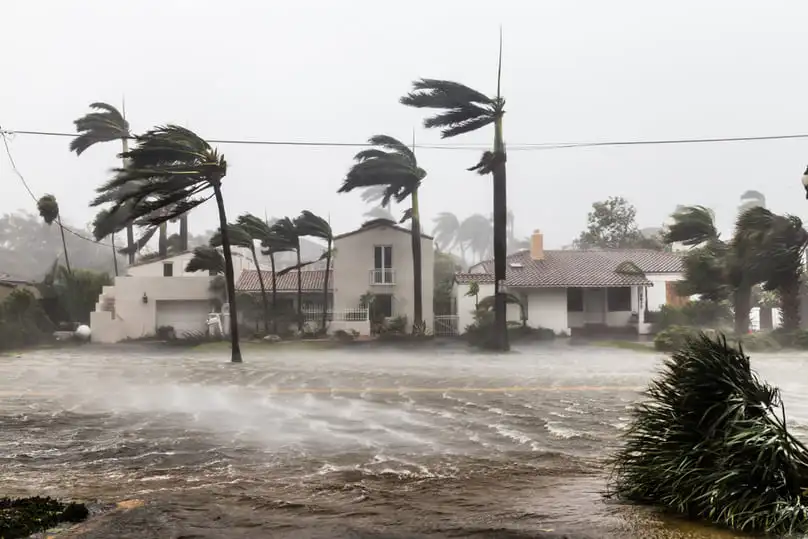
Coming home after a hurricane creates pressure to start cleaning immediately, but a wet floor, damaged wall, or fallen branch may hide electrical, structural, sewage, or mold hazards. A post-hurricane cleanup checklist should therefore begin with official permission to return, a safe exterior inspection, photographs for insurance, and a clear separation between specialist restoration and ordinary household cleaning.
Once qualified professionals have cleared the property and resolved active hazards, Yorleny’s deep cleaning services can help with remaining dust, tracked-in dirt, and residue on accessible household surfaces. At that later stage, a deep cleaning checklist can organize safe room-by-room work without confusing it with water extraction, structural drying, mold remediation, or repairs.
Post-Hurricane Cleanup Checklist: Quick Steps
Use this post-hurricane cleanup checklist before beginning ordinary household cleaning:
- Wait for official permission before returning to an evacuated area.
- Inspect the exterior from a safe distance for power lines, trees, roof damage, and structural movement.
- Photograph damage before moving or discarding anything.
- Contact your insurance company and follow its documentation instructions.
- Keep away from standing or floodwater whenever possible.
- Do not use wet electrical equipment or restore power yourself.
- Separate tasks that require licensed restoration, electrical, roofing, tree-removal, or mold professionals.
- Remove and dry only the items you can handle safely.
- Clean safe, nonporous household surfaces with compatible products.
- Arrange detailed home cleaning only after the property has been cleared of specialist hazards.
This post-hurricane cleanup checklist is a planning guide, not a replacement for instructions from emergency officials, insurers, licensed contractors, or restoration specialists.
1. Confirm That the Property Is Safe to Enter
Never assume that a storm-damaged home is safe because the wind and rain have stopped. Look for visible warning signs from outside, including leaning walls, cracks, a damaged roof, fallen trees, downed utility lines, standing water, or the smell of gas.
The CDC’s guidance for returning home after a natural disaster recommends having a professional inspect a home when there is obvious structural damage. It also warns homeowners not to operate electrical tools or switch the power on or off while standing in water.
Leave the property and call the appropriate utility or emergency service if you notice:
- Downed or damaged power lines.
- A gas odor or hissing sound.
- Sparking outlets or submerged electrical equipment.
- Sagging ceilings, shifted walls, or foundation cracks.
- Sewage, chemicals, or unknown substances in the water.
- Large areas of visible mold.
Only continue with the post-hurricane cleanup checklist after the relevant professionals have confirmed that you can enter safely.
2. Document Damage Before Cleaning
Take clear photos and videos of every affected room, exterior area, appliance, and damaged possession. Capture wide views and close-ups, and avoid discarding items until your insurer explains its requirements.
Create a simple record containing:
- The date and approximate time you returned.
- Rooms and exterior areas affected.
- Approximate water level, if visible.
- Damaged furniture, appliances, finishes, and personal belongings.
- Receipts for emergency purchases, temporary repairs, lodging, and professional services.
- Names and reference numbers from insurance or recovery calls.
Contact your insurer before making non-emergency repairs. Documentation early in the process can make later conversations easier and help prevent confusion about the home’s condition.
3. Separate Specialist Work From Safe Household Cleanup
Not every post-storm task belongs on a DIY cleaning list. A standard residential cleaning company is not the same as a water-damage restoration company, mold remediator, roofer, electrician, plumber, or debris-removal contractor.
Work That Usually Requires a Specialist
Contact qualified professionals for:
- Standing floodwater or sewage contamination.
- Electrical systems or appliances exposed to water.
- Structural, foundation, ceiling, or roof damage.
- Fallen trees, unstable branches, or heavy debris.
- Wet drywall, insulation, flooring, or cabinetry that may require removal.
- Extensive or hidden mold growth.
- Hazardous materials, chemicals, or fuel spills.
Work That May Be Appropriate After Clearance
Once specialists have made the home safe, ordinary cleanup may include:
- Removing light, nonhazardous debris.
- Washing intact, nonporous surfaces.
- Vacuuming dry dust with appropriate equipment.
- Wiping doors, trim, shelves, and fixtures.
- Cleaning unaffected rooms that received tracked-in dirt.
- Completing a detailed household deep clean.
This distinction keeps the post-hurricane cleanup checklist aligned with the actual condition of the property instead of treating every storm as a routine cleaning job.
4. Protect Yourself During Approved Cleanup
Wear clothing appropriate for the conditions and the instructions of local authorities. Depending on the work, that may include sturdy closed-toe shoes or boots, long sleeves, long pants, waterproof gloves, eye protection, and respiratory protection.
Additional safety practices include:
- Work during daylight whenever possible.
- Keep children and pets away from affected areas.
- Use battery-powered lighting until the electrical system is approved.
- Take frequent breaks in Florida heat and humidity.
- Wash your hands thoroughly after handling debris.
- Clean work clothing separately from unaffected laundry.
- Never mix bleach, ammonia, acids, or other cleaning products.
The EPA’s flood cleanup guidance explains that floodwater may contain bacteria, chemicals, and other hazards. Follow official directions and the label of every product rather than improvising stronger mixtures.
5. Sort Wet and Damaged Materials
After documenting the damage and receiving clearance, sort belongings into three groups: items that can be cleaned and dried, items that require specialist evaluation, and items that must be discarded according to local rules.
Hard, nonporous objects are generally easier to clean than absorbent materials. Porous items such as carpet padding, insulation, ceiling tiles, mattresses, or upholstered furniture may retain contaminated water and moisture below the surface.
Do not move hazardous debris into normal household trash without checking local collection guidance. Broward, Palm Beach, Martin, and Saint Lucie counties may issue temporary instructions about storm debris, yard waste, construction materials, and hazardous household products.
6. Dry the Home and Control Moisture
Moisture control is one of the most time-sensitive parts of a post-hurricane cleanup checklist. The EPA recommends drying wet areas and materials as quickly as possible, ideally within 24 to 48 hours, to reduce mold growth.
However, only operate fans, dehumidifiers, pumps, wet vacuums, or other electrical equipment after an electrician or the appropriate authority has confirmed that it is safe. Never run a generator indoors, in a garage, or near doors, windows, and vents.
When conditions allow:
- Open doors and windows to improve airflow.
- Use approved fans and dehumidifiers.
- Remove wet materials that cannot be dried safely.
- Check cabinets, closets, wall cavities, and flooring for hidden moisture.
- Address the source of every leak before cosmetic repairs.
- Monitor musty odors or returning moisture.
If you suspect contamination in the HVAC system, do not run it until a qualified professional evaluates it.
7. Clean Safe Household Surfaces
Begin with soil and residue removal. Soap or detergent and water can clean many intact hard surfaces, but the correct method depends on the material and whether floodwater reached it.
For safer results:
- Read the product label before use.
- Confirm that the cleaner is compatible with the surface.
- Ventilate the area.
- Use separate cloths for contaminated and unaffected zones.
- Clean from higher surfaces toward the floor.
- Replace dirty water instead of spreading residue.
- Dry surfaces thoroughly after cleaning.
If you need to replace basic supplies after the storm, consult this cleaning supplies list. Do not use ordinary household products on contaminated materials unless official guidance or a restoration specialist confirms that the method is appropriate.
For intact surfaces that specialists have cleared for ordinary cleaning, use material-specific methods. Glazed floors and walls require the same compatibility checks used when you clean tile safely, while painted trim should be wiped only after loose grit has been removed. Detailed instructions for cleaning baseboards without damaging the finish can help during the final household stage, but they do not apply to swollen, contaminated, or structurally damaged trim.
8. Watch for Mold After the Storm
Mold can develop in damp materials even when it is not immediately visible. Watch for musty odors, discoloration, peeling finishes, recurring condensation, or moisture behind furniture and inside cabinets.
The EPA’s mold cleanup guidance advises homeowners to fix the moisture source and dry materials completely. It also recommends professional assistance when the damage involves sewage, contaminated water, extensive mold, or materials that cannot be safely cleaned.
Do not paint or caulk over mold. Covering the surface does not remove the moisture problem and may allow damage to continue out of sight. If growth appears after the home is dry, compare its size, material, and water source with the safety thresholds for cleaning mold in Florida homes before deciding whether household cleanup is appropriate.
9. Complete the Final Detailed Cleaning
After restoration, repairs, drying, and specialist work are complete, the home may still contain fine dust, dirt from foot traffic, smudges, and residue on unaffected surfaces. The final stage of the post-hurricane cleanup checklist is where residential deep cleaning becomes useful.
A final cleaning may cover:
- Baseboards, trim, doors, and reachable vents.
- Cabinet exteriors and intact shelving.
- Kitchen and bathroom fixtures.
- Unaffected floors and interior glass.
- Dust on furniture and horizontal surfaces.
- High-touch areas such as handles and switches.
Before booking, explain what happened and confirm that the property no longer contains standing water, sewage, active mold, structural hazards, or ongoing construction. This allows the cleaning provider to determine whether the work fits within its services.
Finish Recovery With the Right Type of Help
The most important lesson from this post-hurricane cleanup checklist is to handle the work in the correct order. Safety evaluation, insurance documentation, water removal, structural repairs, and mold remediation come before ordinary residential cleaning.
Once professionals have cleared the property and the remaining work falls within standard or deep cleaning, Yorleny’s Cleaning Service can help restore accessible household surfaces. Contact our team to describe the condition of your South Florida home and confirm which cleaning option is appropriate.
FAQs About Post-Hurricane Cleanup
What should I do first when returning home after a hurricane?
Wait for official permission, inspect the property from outside, and avoid entering if you see electrical, structural, gas, sewage, or floodwater hazards. Once entry is safe, photograph the damage and contact your insurance company before beginning non-emergency cleanup.
Can a house cleaning company remove floodwater or mold?
Standard house cleaning and disaster restoration are different services. Floodwater extraction, contaminated materials, structural drying, sewage cleanup, and extensive mold generally require qualified restoration or remediation specialists. Residential cleaning is more appropriate after those hazards have been resolved.
How quickly should a wet home be dried?
EPA and CDC guidance recommends beginning safe drying as quickly as possible, ideally within 24 to 48 hours. Nevertheless, do not use electrical equipment until the system and affected area have been declared safe.
Can I use bleach throughout a flooded home?
No single product is suitable for every material or contamination level. Follow public-health guidance and product labels, ensure ventilation, and never mix bleach with ammonia, acids, or other cleaners. Contaminated porous materials may need removal rather than surface treatment.
When can I schedule deep cleaning after a hurricane?
Schedule deep cleaning after standing water, contaminated materials, structural damage, electrical hazards, active leaks, and mold concerns have been professionally addressed. Tell the cleaning company about the storm damage before booking so it can confirm that the remaining work falls within its scope.

Reviewed by:
Tony Loeffler is the Co-Founder of Yorleny's Cleaning Service and a leader in residential cleaning services. As a content reviewer and writer, he is an expert around the cleaning services in Florida, specifically West Palm Beach County.
Recent Articles

How to Clean Before Fall Guests Arrive: Quick Tips for Busy Hosts
Welcoming friends and family into your home for the autumn holidays can be a rewarding experience. However, figuring out exactly how to…

The Benefits of Property Management Cleaning Services for Florida Hosts
As a landlord, you run a business where tenants are customers and rental units are assets, meaning you must maintain your property…

How to Clean Concrete Floors Without Damaging the Surface
Polished concrete is known for being durable, low-maintenance, and attractive. However, “low-maintenance” does not mean “no maintenance.” Knowing how to clean concrete…
See below to check if our top-quality house cleaning services are available in your city and book your first appointment with just a few clicks.