

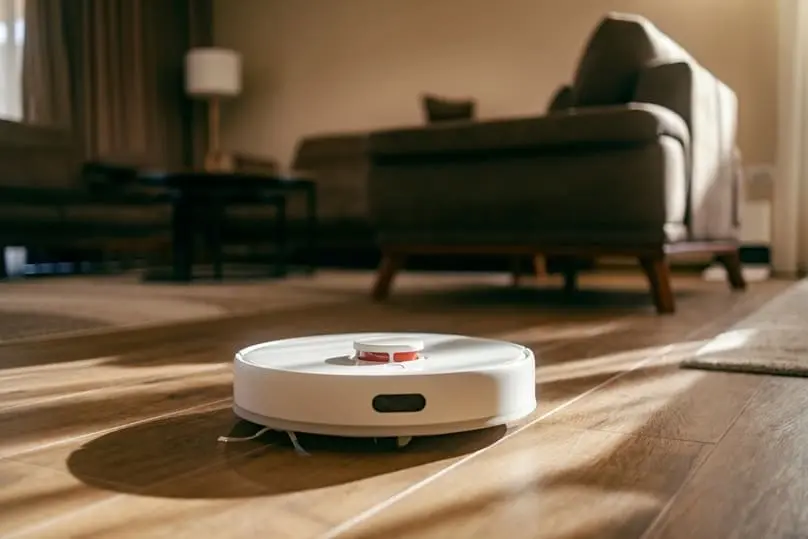
Keeping up with floors, pet hair, tracked-in sand, and other recurring chores can take time, especially in a busy Florida home. Robots that clean your house can reduce some of that repetitive work, but each device is designed for a limited surface or task. A robot vacuum cannot clean a bathroom, and a window robot cannot maintain the rest of the property.
The practical question is not whether one robot can replace every cleaning method, but which tasks it can handle reliably in your particular home. This guide explains the main robot types, their limits, and what to consider before buying. When automated maintenance is not enough, professional house cleaning in Palm Beach County can address broader rooms and surfaces beyond a device’s scope.
Robots That Clean Your House: Quick Steps
- Identify the exact task you want to automate, such as vacuuming, light mopping, or cleaning compatible glass.
- Match the device to your floors, window design, room layout, thresholds, pets, and common debris.
- Check the manufacturer’s requirements for setup, supervision, approved liquids, charging, and maintenance.
- Compare ongoing work—not only the purchase price—including pad care, brush cleaning, bin emptying, and floor preparation.
- Plan for manual or professional cleaning where the robot cannot reach, adapt, or remove heavy buildup.
Important Note: A cleaning robot is not automatically compatible with every surface or safe for completely unattended use. Follow the manual for the specific model, secure cords and loose objects, and use only approved cleaning liquids and accessories.
What Are Home Cleaning Robots?
Home cleaning robots, often called robot maids or robot cleaning home devices, are semi-autonomous machines that vacuum, mop, or polish surfaces with varying levels of human setup and supervision. They use sensors, motors, and programmed navigation systems to map rooms, avoid obstacles, and follow cleaning routes.
These robot house cleaners save time and energy by automating chores with features like mobile app control, scheduled cleaning, and even self-charging. Some premium models go further, offering self-emptying bins and mop pad washing, which can reduce—but not eliminate—routine maintenance.
Home cleaning robots form one part of the broader category of smart cleaning tools, which also includes connected appliances and powered equipment that do not necessarily navigate autonomously.
Types of Robot Cleaners: Vacuums, Mops, and Hybrids
Robot Vacuums
Robot vacuums are specialized robot house cleaners designed to sweep and vacuum floors, using smart navigation and mapping systems to cover accessible areas. They are generally intended for recurring floor maintenance rather than stairs, upholstery, corners, or deep carpet cleaning. Homeowners comparing performance and limitations can evaluate whether robot vacuum cleaners really work for their particular layout.
Robot Mops
Robot mops are designed for light wet cleaning on compatible hard floors. These housekeeping robots often feature water tanks and microfiber pads. They are not universal floor scrubbers: the correct liquid, water level, and cleaning mode depend on the flooring and the manufacturer’s instructions.
Hybrid Vacuum and Mop Robots
Hybrid robots combine vacuuming and mopping in one device, giving you the benefits of both cleaning styles. These robot maids may automatically adjust for carpet, prevent excess water, and include self-cleaning functions. Available functions vary, and carpet detection or liftable mop pads should be verified for the exact model.
Window-Cleaning Robots
Window-cleaning robots attach to compatible glass and move across the pane using suction, motors, sensors, and cleaning pads. They require setup, tethering, supervision, and manual attention to frames, tracks, corners, and heavy residue. Their specific benefits and safety limitations are covered in the guide to how window cleaning robots work.
Robotic Pool Cleaners
Automation can also extend beyond interior rooms. Robotic pool cleaners use brushes and internal filtration to collect debris from compatible pool surfaces. They belong to the broader cleaning-robot cluster, but they address pool maintenance rather than house cleaning or a confirmed Yorleny’s service.
How Do They Work?
To understand how robots that clean your house work, you need to look at how artificial intelligence supports home cleaning and their core systems. They use sensors, motors, and brushes to collect dust and debris. Premium robot house cleaners often employ Light Detection and Ranging (LiDAR) or cameras to build room maps and optimize cleaning paths.
After cleaning, these housekeeping robots automatically return to their docking station to recharge. Advanced versions even empty their dustbins and wash mop pads, reducing human involvement. However, the owner still needs to prepare the area, maintain the machine, refill or empty compatible stations, and handle tasks outside its route.
These advances are part of the broader robotic vacuum revolution in house cleaning, but navigation and app features should not be confused with complete household-cleaning ability.
How to Choose a Cleaning Robot for Your Home
Choosing a house cleaning robot starts with the chore, layout, surfaces, and amount of intervention you are willing to provide. Product features should be checked against the current manufacturer specifications rather than treated as universal performance guarantees.
Best Robot Vacuum Features for Large Homes
For large households, robots that clean your house should offer strong suction, extended battery life, smart mapping, and self-emptying convenience. Also consider whether the robot can resume after charging, save multiple maps, cross your thresholds, and reach the complete floor area without moving the dock.
Mini and Compact Robots for Apartments
Compact robots that clean your house may be easier to store and maneuver in small living spaces. For apartments, measure the robot and its dock, check the clearance beneath furniture, and consider whether cords, narrow passages, or closely arranged furniture will interrupt its route.
Pet Hair and Allergy-Conscious Features
Pet owners may benefit from robot cleaning home devices with anti-tangle brushes, strong suction power, and sealed filtration specified by the manufacturer. No robot should be presented as eliminating allergens or guaranteeing a hygienic home. Compare brush design, bin capacity, filter replacement, object avoidance, and how the device handles the type and amount of pet hair in your home.
App Connectivity and Privacy
Connected robots may store maps, schedules, device identifiers, and app-account information. Before connecting a camera- or app-enabled model, review its update policy, account-security options, data controls, and support period. The National Institute of Standards and Technology (NIST) identifies cybersecurity capabilities as an important consideration for consumer Internet of Things (IoT) products.
Cleaning Robot Comparison Guide
Robots that clean your house vary by surface and task. Use this table to identify the correct category before comparing individual products.
| Robot Type | Best Suited For | Main Limitation |
| Robot vacuum | Loose dust, crumbs, sand, and pet hair on accessible floors | Cannot clean stairs, upholstery, crowded corners, or heavy buildup |
| Robot mop | Light maintenance on compatible sealed hard floors | Requires correct water and product settings; cannot replace detailed scrubbing |
| Hybrid vacuum and mop | Recurring vacuuming and light mopping with one device | More components to maintain; carpet handling varies by model |
| Window-cleaning robot | Routine maintenance on compatible glass panes | Requires setup and supervision; does not clean frames, tracks, or every edge |
| Robotic pool cleaner | Debris collection on compatible pool floors or walls | Pool-specific equipment; performance depends on pool design and device capability |
Are Robots Effective in Florida Homes?
Robots that clean your house can support daily upkeep in Florida, tackling dust, sand, and common loose debris on compatible surfaces.
However, performance varies: budget-friendly models may miss corners, while devices with more advanced navigation may handle obstacles and room mapping differently. Navigation technology alone does not guarantee better pickup or deep cleaning.
Filter care, brush cleaning, and proper charging are essential. While helpful, they supplement manual or professional services for deep cleaning and heavy debris.
Dealing with Tile, Sand, and Humidity
Florida homes often combine tile floors, sandy debris, and humidity, requiring robots that clean your house with adaptable suction and brush systems.
Standard models may struggle with sand, making bin capacity, brush design, wheel care, and filter maintenance relevant considerations for coastal South Florida homes. Moisture should not be allowed to remain inside components that the manufacturer requires to stay dry.
What Cleaning Robots Can Do Well
Cleaning robots excel at performing routine maintenance. They are often useful for everyday sweeping, vacuuming, and light mopping to reduce dust, pet hair, and small amounts of loose debris. They are also quite good at reaching tricky spots, like beneath some beds or couches, and can run on programmed schedules after the area has been prepared.
Where Cleaning Robots Still Fall Short
While robots that clean your house are great for everyday maintenance, they fall short in a few important areas. Common weaknesses include navigating crowded spaces, reaching small corners, dealing with big spills, deep-cleaning carpets, and dealing with physical impediments such as high thresholds.
They also cannot clean bathrooms, counters, baseboards, furniture, stairs, or detailed areas unless a separate device is specifically designed for that task.
How to Use and Maintain a Robot Cleaner
Step 1: Prepare the Cleaning Area
Remove cords, small toys, lightweight fabrics, liquid spills, and other hazards identified in the manual. Keep pets and children away until you understand how they react to the device, and establish no-go zones where appropriate.
Step 2: Follow the Charging Instructions
Keep the device in a cool, dry place, clean the charging contacts, and ensure the docking station remains clear and accessible. Charge, store, and replace the battery according to the manufacturer’s instructions; a universal percentage or unplugging schedule does not apply to every model.
Step 3: Clean the Bin, Brushes, Filters, and Sensors
For maximum performance, empty the dustbin frequently, clean filters and brushes, and wipe sensors using the approved method for the model. Regularly clean filters and brushes, since well-maintained robots that clean your house work more efficiently than devices with blocked airflow or tangled parts.
For component-specific instructions, the robot vacuum maintenance process explains how to approach bins, brushes, filters, sensors, wheels, and charging contacts without treating every part as washable.
Step 4: Troubleshoot Without Forcing Parts
Common issues include poor suction from clogged filters, navigation errors from dirty sensors, or performance stops from tangled brushes and hardware malfunctions. Turn the device off before maintenance, consult its error code and manual, and avoid forcing covers, wheels, or brushes that are not designed for tool-free removal.
Robots vs. Professional House Cleaning
Robots that clean your house provide automated support for specific recurring tasks, while professional house cleaning can address multiple rooms, surfaces, and conditions that require human judgment.
The decision depends on whether you need routine maintenance of a compatible surface or broader cleaning throughout the home. In many properties, the two approaches are complementary rather than direct substitutes.
| A Cleaning Robot May Be Enough When… | House Cleaning May Be More Appropriate When… |
| The task is recurring pickup or light maintenance on a compatible surface | Several rooms or different surface types require attention |
| The layout is open and can be prepared for the device | Stairs, corners, furniture, bathrooms, baseboards, or detailed areas need cleaning |
| The owner can maintain the robot and resolve interruptions | The owner does not have time for setup, maintenance, or manual follow-up |
| Dirt consists mainly of loose debris or light surface residue | Heavy buildup, stuck-on residue, or an unexpected mess requires judgment |
When a Robot Cleaner Is Enough
For everyday dust and surface dirt, robots that clean your house can be a convenient solution. They’re great for quick touch-ups, busy homeowners, and maintaining tidiness between deep cleans.
When House Cleaning Makes More Sense
While robotic cleaners help with maintenance, they can’t tackle everything, like baseboards, bathrooms, or hidden dust in corners. House cleaning is the more relevant option when the need extends beyond the robot’s assigned surface or when several rooms require detailed attention.
How Robots and House Cleaning Work Together
The most effective strategy is frequently a combination of the two, with robots handling regular jobs and people focusing on specialized cleaning and oversight, resulting in a balance of convenience and thoroughness.
If automated devices are maintaining part of the home but other rooms still need attention, contact Yorleny’s Cleaning Service to discuss house-cleaning needs in Palm Beach County and surrounding South Florida service areas. Service scope should be confirmed before scheduling.
FAQs About Robot House Cleaners
What Do Household Robots Do?
Most consumer cleaning robots perform one defined task. They may vacuum floors, lightly mop compatible hard surfaces, clean certain glass panes, or collect debris from a pool.
Their sensors and programmed routes help repeat these tasks automatically. They still require setup, maintenance, and human follow-up.
How Long Do They Last?
There is no universal lifespan for a home cleaning robot. Battery condition, build quality, use frequency, and maintenance all affect how long a device remains useful.
Replacement-part availability, software support, and the home environment also matter. Follow the manufacturer’s maintenance and replacement guidance for your specific model.
Are They Safe Around Pets?
Yes, robot vacuums are generally safe for pets when you use them properly. However, they are not risk-free, so introduce them gradually and watch your pet at first.
Remove cords, toys, food bowls, and pet waste from the route. Use barriers or no-go zones when needed. Stop the cycle if your pet shows distress or tries to interfere with the machine.
Can They Replace Deep Cleaning?
No. Robot cleaners cannot replace deep cleaning. They work best for daily maintenance and convenience, not detailed or thorough cleaning.
They may miss stubborn stains, high-touch areas, corners, and baseboards. Those tasks still need hands-on cleaning. Robot vacuums and mops work best as extra cleaning tools between deeper cleanings.

Reviewed by:
Tony Loeffler is the Co-Founder of Yorleny's Cleaning Service and a leader in residential cleaning services. As a content reviewer and writer, he is an expert around the cleaning services in Florida, specifically West Palm Beach County.
Recent Articles

How to Clean Seasonal Decorations and Holiday Decor Safely
The holiday season is the perfect time to decorate our homes with lights, ornaments, and magical touches. However, before reusing decorations that…

How to Clean Up Glitter From Floors, Carpet, and Furniture
Glitter is a frustrating holiday mess, clinging to fabrics and sticking via static electricity. Knowing how to clean up glitter quickly prevents…

How to Get Food Coloring Off Skin, Clothes, Carpet, and Counters
If you or your children are dyeing Easter eggs or getting creative with crafts, it is very likely that some of the…
See below to check if our top-quality house cleaning services are available in your city and book your first appointment with just a few clicks.