

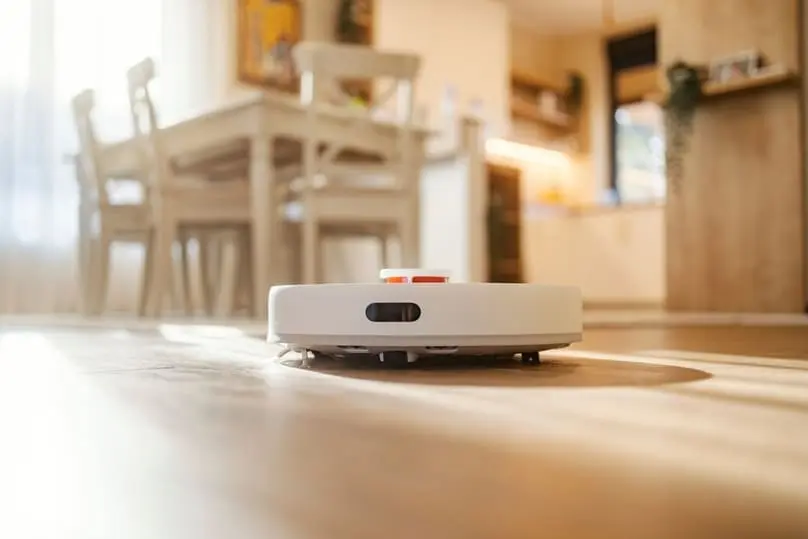
Keeping our homes clean and organized can be a constant challenge, especially with the fast pace of modern life. Choosing among smart home cleaning gadgets can make that challenge more confusing: some devices automate routine work, while others still require setup, supervision, and manual follow-up.
The practical solution is to match each gadget to a specific task, surface, and home layout instead of expecting one device to clean everything. Below, Yorleny’s Cleaning Service explains which tools can support daily upkeep, what their limits are, and when hands-on cleaning is still the better option.
Smart Home Cleaning Gadgets: Quick Steps
Use these steps to narrow your options before comparing brands or features:
The right smart home cleaning gadgets should solve a defined problem without creating more setup or maintenance than the task itself.
- Identify the recurring task you want to reduce, such as floor debris, bathroom scrubbing, window maintenance, or humidity monitoring.
- Check the surface, room layout, access conditions, and manufacturer’s care instructions.
- Decide whether you need an autonomous robot, an electric hand tool, or a monitoring device.
- Compare setup, supervision, replacement parts, storage, cleaning, and app requirements—not only the purchase price.
- Confirm whether the device can work without an internet connection and review its privacy and security settings before connecting it.
- Keep manual tools available for corners, delicate finishes, spills, and detailed cleaning.
Important Note: Smart home cleaning gadgets support routine maintenance; they do not make every surface compatible with moisture, heat, chemicals, or automated equipment. Follow the appliance and surface manufacturer’s instructions before use.
What Is Smart Cleaning?
How Smart Cleaning Works in Modern Homes
Smart cleaning combines sensors, software, apps, and electric equipment to automate or assist selected household tasks. Depending on the device, it may map rooms, follow a schedule, report maintenance needs, or adjust its operation based on sensor readings. These functions can reduce repetitive work, but their performance depends on the home layout, surface, setup, and maintenance.
Electric cleaning equipment transitions from reactive cleaning to proactive, data-driven maintenance, which includes everything from robotic floor cleaners to digital reminders for manual jobs.
Not every useful tool is autonomous. A robot vacuum may work on a schedule, while an electric scrubber still depends on the user. Both can be part of smart cleaning when they make a defined task easier to manage.
In other words, smart home cleaning devices may automate a chore, assist the person doing it, or monitor a condition that affects the cleaning routine.
Which Smart Home Cleaning Gadgets Fit Each Task?
The best choice depends on what needs to be cleaned and how much manual follow-up the task requires.
| Gadget type | Best used for | Main limitation |
| Robot vacuum or vacuum-mop | Routine dust, crumbs, and pet hair on compatible floors | Edges, cords, stairs, thick rugs, and stuck-on residue may require manual work |
| Window-cleaning robot | Maintenance on compatible, accessible panes | Usually needs setup, retrieval, supervision, and edge touch-ups |
| Electric spin scrubber | Reducing effort on compatible tile, tubs, and grout lines | Brush pressure and attachments may not suit delicate finishes |
| Cordless handheld vacuum or wet/dry cleaner | Quick debris pickup, small spills, counters, and tight areas | Small tanks and batteries limit larger jobs |
| Humidity monitor, dehumidifier, or air cleaner | Monitoring moisture or reducing selected airborne particles | Cannot repair leaks, remove settled residue, or remediate mold |
Smart Gadgets for Floors
The family of cleaning gadgets is diverse and adapts to different needs and surfaces. Among the most prominent are:
- Vacuum robots: These are the pioneers and most popular. They are designed to pick up dust, pet hair, and small debris from compatible hard floors and carpets. Current models may include intelligent mapping and advanced programming.
- Floor-mopping robots: Specialized in wet cleaning. These robots dispense water or an approved solution and scrub the floor with mops or brushes. Some combine vacuuming and mopping.
- Multifunction robots: Some models combine vacuuming, mopping, self-emptying, or pad-cleaning functions, although the available features and surface compatibility vary.
Before choosing one, the article Do Robot Vacuum Cleaners Really Work? explains where these devices perform well and where manual cleaning is still needed. Regularly cleaning the bin, brushes, filters, wheels, and sensors also affects performance; those tasks are covered in how to clean a robot vacuum.
Electric Floor Scrubbers and Wet/Dry Cleaners
Electric floor scrubbers with rotating brushes, adjustable heads, and lightweight designs can reduce manual effort in kitchens and bathrooms. Wet/dry cleaners can collect some debris and liquid in one pass, but neither option is universal. Check whether the flooring manufacturer permits the brush, cleaning solution, moisture level, and heat produced by the tool.
Steam mops should not be treated as a default choice for every hard floor. Heat and moisture may damage some wood, laminate, resilient flooring, sealants, or adhesives, so use one only when the flooring and appliance manufacturers allow it.
Smart Devices for Windows, Kitchens, and Bathrooms
For effective cleaning in kitchens and bathrooms, consider these power tools:
- Rotary Electric Cleaners: These modern household gadgets are designed for compatible tiles, grout, bathtubs, and tough surfaces. Their rotating action can reduce the effort required for scrubbing, and some models feature extendable handles for better reach.
- Robotic Vacuums and Scrubbers: These devices can automate routine floor maintenance after loose objects, cords, and unsuitable obstacles have been cleared.
- Steam Cleaners: Steam may loosen grease or residue on compatible surfaces, but “sanitize” or “disinfect” claims depend on the specific device, attachment, contact time, and manufacturer’s instructions.
- Cordless Handheld Vacuums: These cleaning gadgets are ideal for quick clean-ups of dry debris on countertops and tight spaces. Portable models may include accessories to reach difficult areas in kitchens and bathrooms.
Window-Cleaning Robots
Window-cleaning robots attach to compatible glass and travel across the pane using a powered cleaning pad. They may help with recurring maintenance, but they can miss edges, struggle with heavy residue, and require safe attachment and retrieval. Our analysis of whether window-cleaning robots really work covers those tradeoffs in more detail.
Smart Home Cleaning Gadgets for Florida Conditions
Humidity and Mold Prevention
Florida’s distinct climate, marked by high humidity, presents particular issues that smart cleaning devices may help homeowners monitor, but the devices do not correct the source of excess moisture.
Humidity sensors and smart thermostats can make moisture changes easier to notice, while correctly sized dehumidifiers may help control indoor humidity. However, the United States Environmental Protection Agency (EPA) states that moisture control is the key to mold control. Leaks, water intrusion, condensation, and existing mold still require direct evaluation and correction.
Air cleaners may reduce some airborne particles when they are correctly selected and operated, but they cannot remove contamination already settled on surfaces or solve a mold problem. The EPA recommends source control and ventilation as primary strategies and explains the limits of filtration in its Guide to Air Cleaners in the Home.
Sand, Salt, and Coastal Homes
For homes near the beach, robot vacuums and wet/dry cleaners may help manage recurring sand when their filters, wheels, and brushes are cleaned frequently. Window robots may assist on compatible panes, but salt film can still require an approved glass-cleaning method and manual attention to frames and tracks.
These smart home cleaning gadgets can support routine upkeep, but they do not prevent corrosion, water intrusion, or moisture damage. Drying wet areas promptly and addressing the source of recurring moisture remain essential.
How to Choose the Right Smart Cleaning Gadget
Start With the Task, Surface, and Layout
To choose the ideal modern household gadgets, first assess the size and type of your home, whether it has large or small spaces, and whether the floors are hard or carpeted. When comparing smart devices for home cleaning, also check thresholds, stairs, cords, furniture clearance, delicate surfaces, and areas that the device should avoid.
For homes with pets or several rooms, bin capacity, brush design, mapping, and easy-to-find replacement parts may matter more than a single headline specification. Compare performance under similar test conditions and confirm each manufacturer’s stated surface compatibility.
When comparing smart home cleaning gadgets, prioritize the feature that addresses your actual obstacle instead of paying for functions the home layout cannot use.
Compare Navigation and Control Features
- Light Detection and Ranging (LiDAR): Uses lasers to create maps for organized navigation.
- Visual Simultaneous Localization and Mapping (VSLAM): Uses a camera for mapping and may depend more heavily on lighting conditions.
- Bump and proximity sensors: Help a device detect walls, furniture, stairs, or other obstacles; performance varies by model and environment.
- App controls: May provide scheduling, no-go zones, cleaning reports, and maintenance alerts.
Avoid using one fixed suction or runtime target for every device. Manufacturers measure these specifications differently, and a higher number does not by itself establish better cleaning on every surface.
Check Maintenance, Consumables, and Repairability
Purchase price is only part of the decision. Check the cost and availability of filters, pads, bags, brushes, cleaning solutions, batteries, and replacement parts. Also consider how often the device must be emptied, detangled, washed, dried, or recalibrated.
Review Privacy and Connectivity
Connected gadgets may collect floor maps, camera images, usage records, account details, or voice-assistant data. The National Institute of Standards and Technology (NIST) notes that smart-home technology can introduce privacy and security risks, so review the permissions, update policy, data controls, and deletion options before connecting a device to your home network.
If app control is optional, confirm whether essential cleaning functions remain available without Wi-Fi or a cloud account.
Smart Cleaning Tips to Maximize Efficiency
How to Combine Technology With Daily Routines
Automate Core Maintenance with Smart Devices
Delegate repetitive chores to smart home cleaning gadgets when the device and space are suitable:
- Robotic Vacuums and Mops: Schedule them to clean floors after cords, liquids, small objects, and pet waste have been removed. Some models can map rooms, avoid selected obstacles, or empty their bins.
- Smart Washers and Dryers: Use apps to schedule cycles when appropriate and receive notifications when loads are finished.
- Smart Air Cleaners: Some models use sensors to adjust fan speed, but their effectiveness still depends on pollutant type, room size, filter, placement, and maintenance.
- Voice Assistant Integration: Connect devices to a voice assistant only if the convenience is worth the additional account and privacy considerations.
Implement “Micro-Cleaning” Habits
Use the time saved by automation for small manual tasks:
- Habit Stacking: Link a cleaning task to a daily habit. For example: “After starting the coffee, I’ll wipe the counters.”
- The 15-Minute Rule: Spend 15 minutes daily tidying a specific area, like sorting mail or wiping surfaces.
- Focus on High-Touch Surfaces: Clean high-touch areas according to the surface and product instructions instead of assuming every surface needs routine disinfection.
Use Apps and Data for Optimization
Manage your routine and device maintenance with software:
- Cleaning Schedule Apps: Use apps to set schedules, track progress, and receive reminders for tasks like changing filters.
- Device Maintenance Reminders: Get alerts through manufacturers’ apps for bin emptying and filter cleaning.
- Usage Reports: Use available reports to identify areas the device repeatedly misses or where the schedule needs adjustment.
When to Use Electric Tools vs Manual Cleaning
Choosing between smart cleaning tools and manual cleaning depends on the task, area size and layout, budget, and desired outcome. A hybrid approach often yields the best results.
Use Smart Cleaning Tools When:
- Cleaning large, compatible areas: Machines can cover open spaces with less repeated manual effort.
- Managing daily dust or pet hair: Robot vacuums can handle ongoing debris between detailed cleanings.
- Reaching under furniture: Compact devices can access some low-clearance areas.
- Reducing physical strain: Electric tools may minimize repeated bending, kneeling, or scrubbing.
Use Manual Cleaning When:
- Cleaning small or complex spaces: Tight areas require greater precision.
- Spot cleaning: Immediate cleanups often need a human touch for quick attention.
- Handling delicate surfaces: Certain materials need careful, hands-on cleaning to avoid damage.
- Operating on a budget: Manual tools typically have lower initial costs.
- Performing deep cleaning: Stubborn stains or detailed work often require manual effort.
- Cleaning stairs, edges, frames, tracks, and cluttered areas: Many autonomous devices cannot complete these tasks safely or thoroughly.
Overall, combine cleaning gadgets for routine maintenance with manual methods for detailed cleaning and unexpected challenges.
When Smart Cleaning Isn’t Enough
Signs You Need Professional Support
Smart cleaning tools can make daily maintenance faster and more convenient, but they have limits. If dust returns quickly, odors linger, or high-traffic areas never feel truly clean, it may be a sign that surface-level cleaning isn’t addressing deeper buildup. Florida homes, especially those affected by humidity, often need occasional professional care beyond what gadgets can handle.
How House Cleaning Complements Smart Home Cleaning Gadgets
House cleaning can complement a smart routine by addressing baseboards, grout, furniture surfaces, frames, tracks, corners, and other areas devices may miss. Service scope varies, so confirm the rooms, surfaces, and tasks included before scheduling.
The goal is not to replace one method with the other. Use smart home cleaning gadgets for compatible, repeatable tasks and hands-on cleaning for detailed work, changing conditions, and surfaces that require judgment.
Frequently Asked Questions About Smart Home Cleaning Gadgets
What are the best smart home cleaning gadgets?
There is no single best device for every home. Robot vacuums can support routine floor care, electric scrubbers can reduce effort on compatible bathroom surfaces, window robots can maintain suitable panes, and humidity monitors can identify changing moisture conditions. Choose according to the task, surface, layout, maintenance requirements, and manufacturer’s instructions.
Are smart cleaning gadgets worth it?
For everyday maintenance, cleaning gadgets can be worth it. Tools like robotic vacuums and electric scrubbers may save time or reduce physical effort. However, they work best as support tools rather than complete cleaning solutions, particularly in homes with high humidity like those in Florida.
Do cleaning gadgets replace deep cleaning?
No. While electric cleaning equipment can make regular upkeep easier, it does not fully replace deep cleaning. Grease buildup, settled dust, detailed surfaces, and hard-to-reach areas still require hands-on methods or professional services when appropriate.
Do smart cleaning devices need Wi-Fi?
It depends on the model. Some devices can start basic cleaning from an onboard button, while mapping, remote scheduling, reports, updates, or voice controls may require an app and internet connection. Confirm which functions remain available offline before buying.
Can smart gadgets prevent mold in a Florida home?
Humidity monitors, leak sensors, thermostats, and dehumidifiers may help identify or manage moisture conditions, but they cannot repair a leak or remove existing mold. Correcting the moisture source is the priority.

Reviewed by:
Tony Loeffler is the Co-Founder of Yorleny's Cleaning Service and a leader in residential cleaning services. As a content reviewer and writer, he is an expert around the cleaning services in Florida, specifically West Palm Beach County.
Recent Articles

How to Clean Before Fall Guests Arrive: Quick Tips for Busy Hosts
Welcoming friends and family into your home for the autumn holidays can be a rewarding experience. However, figuring out exactly how to…

The Benefits of Property Management Cleaning Services for Florida Hosts
As a landlord, you run a business where tenants are customers and rental units are assets, meaning you must maintain your property…

How to Clean Concrete Floors Without Damaging the Surface
Polished concrete is known for being durable, low-maintenance, and attractive. However, “low-maintenance” does not mean “no maintenance.” Knowing how to clean concrete…
See below to check if our top-quality house cleaning services are available in your city and book your first appointment with just a few clicks.