

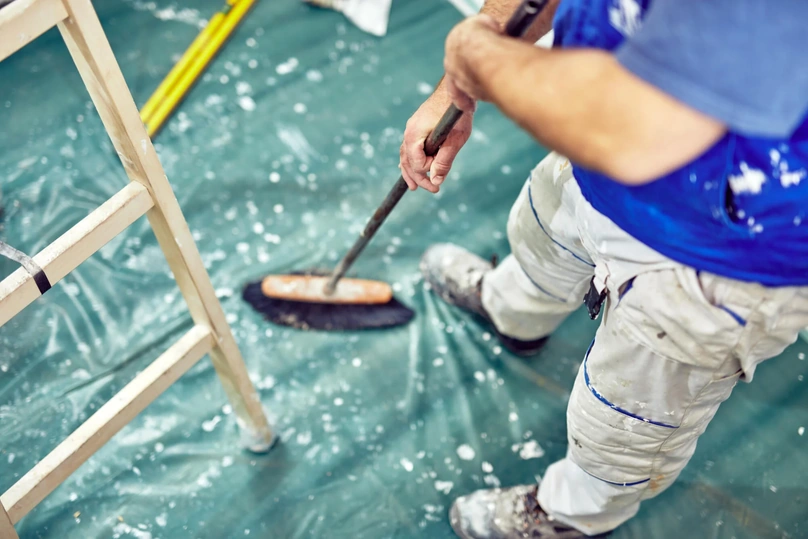
Restorations and other construction projects can be exciting. They also have the potential to leave quite a mess in their wake. Dust and residue can remain after contractors leave, and cleaning too early may mean repeating the work. Understanding the stages helps you coordinate cleanup, protect new finishes, and confirm what the team will complete before handoff.
For this reason, many home or business owners seek out professional services to tackle post-construction cleaning. This guide explains preparation, debris removal, detailed cleaning, and the final inspection, with any touch-ups agreed in advance.
What Are the Three Phases of Post-Construction Cleaning?
Post-construction cleaning can be organized into three phases: rough cleaning, detailed cleaning, and final inspection with any agreed touch-ups. Preparation comes before these phases, and the exact tasks and number of visits depend on the project and the written service scope.
| Phase | Purpose | When it fits |
| 1. Rough cleaning | Remove agreed debris and clear access to the areas being cleaned. | When the contractor confirms that the area is ready for this work. |
| 2. Detailed cleaning / final clean | Remove settled dust and compatible residue from the included surfaces. | After major dust-producing work is complete. |
| 3. Final inspection and touch-ups | Review completed tasks, record remaining items, and address agreed touch-ups. | Before handoff; a separate return visit depends on the agreement. |
Important Note: These phases do not require three separate visits. Confirm the scope with your provider; hazardous-material assessment and remediation require appropriately qualified professionals.
What Is Post-Construction Cleaning ?
Post-construction cleaning refers to a residential or commercial cleaning service designed specifically for newly constructed or renovated spaces. It involves the use of special equipment, cleaning products, and techniques to thoroughly clean a room or building according to the agreed scope.
Renovation projects often leave a lot of things behind. Even if construction debris and materials have been removed, there is likely a significant amount of dust and debris on surfaces and in the air. Cleaning focuses on removing accessible dust and residue; it does not guarantee clean air or eliminate every odor, contaminant, or hazard.
Cleaning can also protect surfaces and finishes from damage from construction project remnants. Besides doing a thorough job, another advantage of professional cleaning of a construction or renovation site is that it can save a great deal of time and hassle.
Before Cleaning Begins: Confirm Scope and Site Readiness
Each renovation or construction project is unique and warrants its own strategy for getting the space ready for use.
The first step in post-construction cleanup is to prepare the space. If necessary, crews will cover pieces of furniture, computers, or other items they wish to protect from the more robust phases of the cleanup and confirm whether cleaning those items is included.
Preparation also includes confirming access, available utilities, new finishes, disposal responsibilities, and which contractor tasks remain. When choosing post-construction cleaning services, compare these details in the written scope before booking.
The team should select protective equipment for the actual hazards and tasks. Do not assume that ordinary cleaning covers suspected asbestos, lead contamination, mold remediation, or other hazardous materials.
Phase 1: Rough Cleaning and Agreed Debris Removal
The first main phase of post-construction cleanup involves removing the physical debris included in the service agreement. Confirm who will handle heavy materials, sharp waste, and disposal before the team begins.
Collect debris using methods suited to the material, and capture fine dust rather than dispersing it through dry sweeping. Avoid assuming that a household vacuum is suitable for construction dust.
Before moving to detailed cleaning, the included areas should be accessible and major dust-producing work should be complete. If contractors continue cutting, sanding, or drilling elsewhere, construction dust control helps limit recontamination of the cleaned area.
Phase 2: Detailed Cleaning After Dust-Producing Work
The next step involves more detailed cleaning of walls and surfaces. Work from higher surfaces toward the floors, capturing settled dust before using a cleaner compatible with each finish. The procedure for removing construction dust after renovation explains how to collect dust without spreading it through the space.
Wall and Surface Cleaning
If there is furniture in the space, they will clean countertops, cabinets, fixtures, and appliances. This extends to desks, chairs, and other types of furniture as well when those items are included in the scope.
This step will likely include special attention paid to baseboards, windowsills, and light fixtures. These surfaces are notorious for collecting dust and debris. Cleaning construction dust from walls depends on the paint or finish; washing entire walls or removing marks is not appropriate for every surface.
Floor Cleaning
After cleaning the surfaces above, cleaning technicians will turn their attention to the floors. The method for cleaning floors after construction should match the material and its care instructions. Remove loose dust first, then use a compatible product and only the moisture the flooring allows. Carpet or rug extraction and stain treatment should be confirmed separately in the scope.
Optional Tasks: Vent Covers, Disinfection, and Exterior Areas
A cleaning company may clean accessible heating, ventilation, and air conditioning (HVAC) vent covers when included. Internal duct cleaning, filter replacement, and system inspection are separate tasks to confirm with an appropriately qualified provider. The U.S. Environmental Protection Agency (EPA) recommends duct cleaning as needed rather than routinely.
Cleaning and disinfection are different tasks. For residential spaces, the Centers for Disease Control and Prevention (CDC) explains when disinfection may be needed. If the scope calls for it, clean first and follow the disinfectant label, including the required contact time. Disinfection applies to the surfaces treated according to the label; it does not guarantee that the entire property is disinfected.
Some renovations and construction projects result in messes outside the building as well as inside. In these instances, post-construction cleanup could involve cleaning exterior windows and doors. Confirm exterior access, equipment, and waste-removal responsibilities separately; elevated glass and sharp construction debris may require specialized handling.
Phase 3: Final Inspection and Agreed Touch-Ups
Lastly, a quality cleaning service will do a final inspection. Review the rooms and surfaces included in the agreement, using a post-construction cleaning checklist to record completed tasks and remaining items before handoff. This also is an opportunity for crews to identify and report any remaining problems that the home or business owner may have overlooked.
Distinguish missed cleaning tasks from damage, unfinished contractor work, or new dust created after the clean. Confirm who will address each item and whether a touch-up visit is included or charged separately.
The handoff should record any outstanding items and who is responsible for them. An inspection does not guarantee that dust will never settle again.
When Should Post-Construction Cleaning Be Scheduled?
Schedule the detailed or final clean after major dust-producing work is complete, leaving time for inspection before occupancy or photography. Larger projects may use rough cleaning in agreed sections while work continues elsewhere.
If contractors return for repairs or finishing work, coordinate any additional cleaning with the provider. Timing depends on the project, access, remaining work, and written agreement; a separate touch-up visit is not automatic.
Schedule Post-Construction Cleaning Today
Post-construction cleaning can offer many benefits. A clear sequence and written scope help coordinate debris removal, detailed cleaning, and inspection while protecting new finishes.
At YCS, we view each contact with clients as an opportunity to continue building our reputation for stellar customer service and honest communication. Reach out to us today to confirm the available scope, scheduling, and service coverage for your South Florida project.
FAQ About Post-Construction Cleaning Stages
Do the Three Cleaning Phases Require Three Separate Visits?
Not necessarily. A provider may combine phases or schedule separate visits depending on the project. Confirm the tasks, timing, and number of visits in the written agreement.
What Is the Difference Between a Final Clean and a Touch-Up Clean?
A final clean covers detailed cleaning after major dust-producing work ends. A touch-up addresses agreed remaining items or new dust and marks afterward. Confirm whether a return visit is included.
Who Removes Construction Debris Before Detailed Cleaning?
The contractor or cleaning provider may handle it, depending on the agreement. Confirm responsibility for heavy materials, sharp waste, and disposal; do not assume routine cleaning includes them.

Reviewed by:
Tony Loeffler is the Co-Founder of Yorleny's Cleaning Service and a leader in residential cleaning services. As a content reviewer and writer, he is an expert around the cleaning services in Florida, specifically West Palm Beach County.
Recent Articles

How to Remove Mud Stains from Clothes, Shoes, Floors, and Walls
Mud and dirt stains are among the most frustrating marks to deal with, whether they appear on your favorite jeans after a…

How to Clean Before Fall Guests Arrive: Quick Tips for Busy Hosts
Welcoming friends and family into your home for the autumn holidays can be a rewarding experience. However, figuring out exactly how to…

The Benefits of Property Management Cleaning Services for Florida Hosts
As a landlord, you run a business where tenants are customers and rental units are assets, meaning you must maintain your property…
See below to check if our top-quality house cleaning services are available in your city and book your first appointment with just a few clicks.