

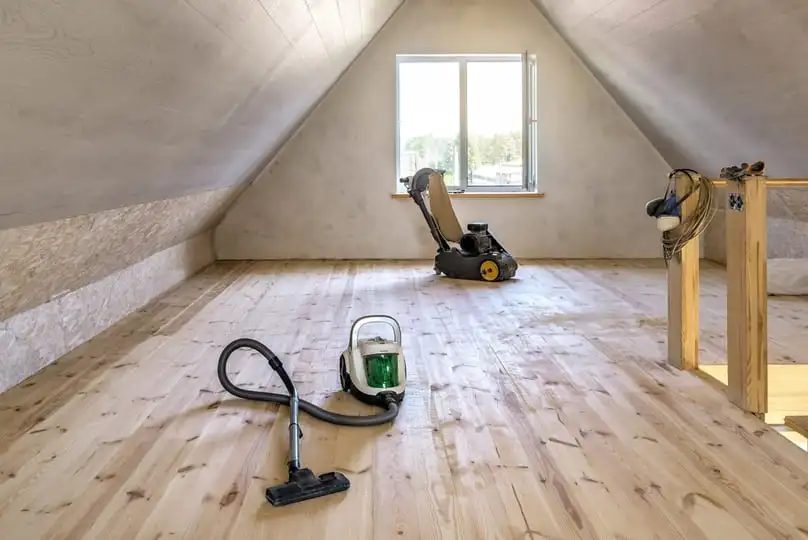
Making the decision to renovate or remodel your home takes time and careful planning. But once the project is finished and your home looks exactly how you envisioned it, the next challenge appears—figuring out the best way to clean floors after construction without damaging them.
A renovation can be both exciting and stressful. On one hand, you can’t wait to enjoy your new space. On the other, dealing with post-construction cleanup can feel overwhelming. Dust, debris, and residue often cover every surface, especially your floors.
If you’re wondering how to clean dusty floors after construction efficiently, don’t panic. Yorleny’s Cleaning Service brings you this practical guide on cleaning floors after construction safely and effectively.
What Is the Best Way to Clean Floors After Construction?
The best way to clean floors after construction is to use a HEPA vacuum to remove dust, then damp mop with a pH-neutral cleaner approved for the flooring material and repeat as needed until the residue is gone. To avoid spreading fine dust, start with large-debris removal and HEPA vacuuming before moving on to wet cleaning.
Important Steps for Post-Construction Floor Cleaning:
- Initial Dust Removal: Pick up or sweep large debris, then use a HEPA vacuum for fine dust. Do not use a vacuum that is not designed to collect fine construction dust.
- Vacuum Again: After cleaning the walls and ceilings, vacuum the floors again, especially along the baseboards, where dust settles.
- Remove Residue: To remove paint or tape, use a plastic scraper. For tile, use a grout haze remover selected for the type of grout and used according to its instructions.
- Damp Mop: Use a microfiber mop and warm water to clean with a pH-neutral cleaner. Change the water frequently since it will become dirty rapidly.
- Steam Clean (Optional): Use steam only on a flooring material whose manufacturer specifically permits it. Never use a steam mop on hardwood, and do not assume it is suitable for every hard floor.
Important Note: Construction dust can contain respirable crystalline silica, depending on the materials and work performed. If you suspect asbestos, lead, or another hazardous material, stop and seek an appropriate professional evaluation instead of treating it as routine household dust.
Why It’s Important to Clean Construction Dust Properly
Properly removing construction dust is vital for your health, safety, and your home’s longevity. Inhaling fine dust can lead to short-term respiratory irritation, and dust from materials containing crystalline silica can contribute to serious lung disease, including silicosis, when respirable particles are inhaled. These small abrasive particles can also scratch flooring surfaces, dull finishes, and even cause discoloration.
Leaving construction dust behind means it can circulate throughout your home and settle into crevices, furniture, and ventilation systems. That’s why knowing the best way to clean floors after construction ensures a cleaner, safer, and more comfortable environment.
Step-by-Step Process to Clean Floors After a Remodel
Before starting renovations, remove furniture and cover floors and windowsills. This preparation will save you time when cleaning up. Still, even with good preparation, dust and debris will accumulate. Below, we’ll walk you through the best way to clean wood floors after construction and other flooring types using proven cleaning techniques.
1. Remove Large Debris
- Start by collecting large fragments and sweeping only heavy debris with a soft-bristled broom. Then use a HEPA vacuum equipped with a brush attachment for dust and fine particles.
- Focus on corners, baseboards, and edges where fine dust tends to accumulate. This is an essential first step in how to clean construction dust from tile floors or any other type of flooring.
2. Clean Walls and Other Upper Surfaces
- Wipe down walls and other upper surfaces with a slightly damp microfiber cloth to remove any dust that has gathered.
- To avoid missing any places, begin cleaning from the top down, working your way from the walls to the flooring.
3. Vacuum Again
- Vacuum the entire area a second time to remove any leftover dust after the upper surfaces have been cleaned. If your home has new carpeting, vacuum at least once a week to prevent dirt and dust from embedding in the fibers.
- For hardwood surfaces, use a vacuum with a soft brush attachment to avoid scratching the finish.
4. Wash the Floor
- Create a cleaning solution by combining warm water and a mild floor cleaner or a solution recommended by the flooring manufacturer.
- Wet a microfiber mop or sponge and squeeze off any excess moisture.
- Mop the floor in parts, gently washing away any stubborn stains or residue.
- Scrub the grout lines with a grout brush, and clean the tiles with a nylon or non-abrasive pad.
5. Rinse and Dry
- To eliminate soap residue, mop the floor with clean, warm water.
- Dry the floor completely with a clean, dry cloth, or let it air-dry. To speed up the procedure, open the windows or turn on the fans.
This careful method is part of the best way to clean floors after construction, helping you restore your surfaces’ shine while protecting their finish.
Post-Construction Floor Cleaning Reference Table
Cleaning Method by Floor Type
| Floor Type | Initial Dust-Removal Step | Compatible Wet-Cleaning Approach |
| Tile (Ceramic & Porcelain) | Collect large debris, then HEPA vacuum with a brush attachment to lift fine drywall dust and grit. | Warm water with a pH-neutral cleaner (or a mild dish soap solution if approved for the tile and grout). Use a grout brush for lines. |
| Hardwood | HEPA vacuum using a soft-brush hardwood floor attachment only. Go with the wood grain. | Damp mop using a microfiber head and a specialized, hardwood-specific cleaner. |
| Laminate | Dust mop or HEPA vacuum with a soft-brush attachment to prevent scratching the delicate wear layer. | Damp mop with a highly wrung-out microfiber head and a pH-neutral laminate cleaner. |
| Vinyl (LVT / LVP) | Collect large debris, then HEPA vacuum to remove sharp building particles and fine dust. | Damp mop with a pH-neutral cleaner approved by the flooring manufacturer. |
| Natural Stone | Dust mop carefully. Avoid traditional stiff brooms that can drag sharp grit across the stone. | Use only a pH-neutral stone cleanser with warm water. Ensure the microfiber mop is wrung out tightly. |
Important Warnings by Floor Type
| Floor Type | Important Warning |
| Tile (Ceramic & Porcelain) | Watch out for Haze: If a white film persists after drying, you may need a specialized grout haze remover selected for the grout type and used according to the product instructions, but avoid abrasive pads that scratch the tile glaze. |
| Hardwood | No Excess Water: Never use steam mops or overwet the floor. Abrasive dust trapped under a wet, heavy mop can act like sandpaper and ruin the finish. |
| Laminate | Moisture Risk: Excess water can seep into the interlocking seams, causing the laminate edges to swell, warp, and permanently buckle. |
| Vinyl (LVT / LVP) | Protect the Luster: Avoid soaking the floor or using harsh industrial chemicals/solvents, which can strip away the protective topcoat and dull the shine. |
| Natural Stone | Acid Alert: Never use white vinegar, lemon, or harsh acidic cleansers on natural stone. Acid will chemically etch and permanently ruin surfaces like marble, limestone, or travertine. |
How to Clean Different Floor Types After Construction: Professional Cleaning Tips by Floor Type
Not every floor is the same, so the cleaning process must be tailored to the flooring material and the manufacturer’s care instructions. Our professional cleaners understand that making the wrong choice in cleaning for a specific floor type can make the situation more difficult than following a post-construction cleaning checklist.
Hardwood Floors
When determining the best way to clean floors after construction, hardwood surfaces require special care. Start by collecting large debris, then vacuuming with a soft-brush or HEPA-equipped vacuum to remove dust and grit that can scratch the surface.
Blot any spills immediately with a soft cloth to prevent water stains. For deep cleaning, damp mop using a microfiber mop and a hardwood-specific cleaner, always following the wood grain.
Avoid using harsh chemicals, steam cleaners, or excess water, as these can damage the finish and dull the natural shine.
Tile Floors
If you’re wondering how to clean construction dust from tile floors, begin by collecting large debris and HEPA vacuuming to remove loose dust and grit. Then, mop with warm water and a pH-neutral cleaner such as mild dish soap when it is compatible with the tile and grout.
Use a microfiber or chamois mop to prevent pushing dirt into grout lines, and always wring it out thoroughly. Rinse the surface with clean water and dry completely using a microfiber cloth to avoid streaks or water spots.
For stubborn grout stains, create a baking soda and water paste only if it is compatible with the grout, or use a specialized grout cleaner. Following this process is the best way to clean floors after construction without causing tile damage.
Laminate Floors
For laminate surfaces, part of the best way to clean floors after construction involves gentle maintenance. Remove large debris, then vacuum using a soft-brush attachment to prevent scratches. For deeper cleaning, damp mop with a microfiber head and a pH-neutral laminate cleaner approved by the flooring manufacturer.
Avoid excessive water, soap-based cleaners, or abrasive tools that can warp or dull the surface.
Vinyl Floors
To keep vinyl floors spotless after remodeling, remove large debris and vacuum with a compatible attachment to eliminate loose dirt. Damp mop as needed using a pH-neutral cleaner approved by the flooring manufacturer.
Dry thoroughly to avoid water spots, and always use a microfiber mop. Steer clear of strong chemicals or soaking the floor with water, as vinyl can easily lose its luster.
Concrete Floors
The best way to clean floors after construction that are made of concrete is to begin by removing loose dirt with a dust mop or HEPA vacuum. To get a deeper clean, use a damp mop with a pH-neutral cleanser and warm water, wringing it out thoroughly to avoid unnecessary water.
Avoid using harsh chemicals such as bleach or vinegar, and clean up any spills right away. Scrub stubborn stains using a floor-compatible brush and a pH-neutral cleanser.
Best Cleaning Products for Post-Construction Floors
The best way to clean floors after construction is to use the proper product. To remove fine drywall dust, paint splatters, adhesive residues, and grit without damaging new surfaces, match each cleaner to the flooring material, finish, residue, and manufacturer’s directions:
- Neutral pH Floor Cleaner: Used to remove residual, hazy drywall dust from finished floors when the product is approved for the flooring material.
- Compatible Adhesive Remover: Use only on a compatible hard floor, test an inconspicuous area, and follow the product instructions.
- Heavy-Duty Degreaser: On compatible concrete floors, use only as directed and test a small area first.
- Baking Soda Paste: Used to remove persistent grout stains following construction only when it is compatible with the grout and surrounding tile.
Safety and Best Practices
To avoid re-soiling, work from top to bottom, dusting walls and ceilings first. To avoid making mud, always remove as much dust as possible with a HEPA vacuum or a compatible dust mop before using wet cleaning products. Use appropriate respiratory protection for the dust present and rubber gloves when working with cleansers.
Common Mistakes to Avoid When Cleaning Post-Construction
Even when following the best way to clean floors after construction, mistakes can occur. Using the wrong tools, skipping hidden areas like vents and cupboards, or rushing the process are common errors.
Neglecting safety gear such as masks and gloves or choosing the wrong cleaning products can lead to both health risks and surface damage.
Safety and Surface Protection
- Neglecting safety equipment: Always wear gloves, masks, and eye protection to avoid inhaling dust and coming into contact with potentially hazardous materials.
- Surface damage: Avoid using abrasive cleaners or instruments (such as steel wool) on new or sensitive surfaces. Test products and tools in a small, unobtrusive location first.
- Not safeguarding surfaces: To avoid scratches and spills, cover floors, worktops, and furniture with protective material such as drop cloths before beginning the cleaning.
Thoroughness and Technique
- Rushing: A rushed cleaning process can result in missed spots and an unfinished job. Allow yourself adequate time for a thorough cleaning.
- Skipping high or hidden areas: Dust accumulates on vents, lighting fixtures, and ceilings. Do not forget to clean behind appliances, behind cabinets, and inside drawers.
- Cleaning in the incorrect order: Start high and work your way down, then dust before wet-cleaning to avoid spreading filth.
- Improper ventilation: Open windows and use fans to circulate air, allowing dust to settle and removing cleaning product fumes.
Equipment and Products
- Using the incorrect tools: Fine construction dust can cause damage to regular household vacuums. Use a vacuum designed for fine construction dust and equipped with a HEPA filter.
- Using inappropriate cleaning chemicals: To avoid damage, use products designated for the surfaces you’re cleaning and follow the manufacturer’s directions.
- Overuse of cleaning products: Using too much product may leave residue on surfaces. Apply the appropriate amount and wipe clean.
Clean Construction Dust from Floors: When To Hire Professionals
Hiring a professional cleaning service is often the best way to clean floors after construction, especially when dealing with heavy dust or debris. Professionals can save time and help support a safer, healthier environment through specialized cleaning techniques.
Professional cleaners may use equipment and surface-specific methods to remove construction-related grime such as drywall dust and paint residue while reducing the risk of damage to compatible flooring. The appropriate scope depends on the flooring material, residue, and condition of the property.
Whether you’re figuring out the best way to clean floors after construction or deep cleaning wood and vinyl, professional help may be appropriate when dust is extensive, residue persists, or the flooring manufacturer requires specialized care.
Keep Your Floors Shining After Construction
Learning the best way to clean floors after construction is essential to protect your investment. Fine dust, debris, and residue from building materials can scratch or dull surfaces if not cleaned properly. Using the right tools and gentle cleaning solutions helps preserve the shine and durability of your floors—especially in Florida’s humid climate.
Serving Homeowners Across South Florida With Post-Construction Cleaning Support
If you’ve just completed a renovation or remodeling project, Yorleny’s Cleaning Service offers post-construction cleaning to help remove dust and residue from appropriate household surfaces. Our professional team can help prepare the cleaned space for use after the renovation.
Need professional help after construction? Request an estimate for post-construction cleaning in Palm Beach County. Contact Yorleny’s Cleaning Service today to schedule your post-construction cleaning and discover the best way to clean floors after construction without the stress or damage.
FAQs About the Best Way to Clean Floors After Construction
Can I mop right after construction is finished?
No, mopping immediately after construction is not the best way to clean floors after construction. First, confirm that the work has stopped, the area is safe, and no new dust is being generated.
Vacuum all surfaces with a HEPA-filter vacuum to capture fine particles before starting any wet cleaning. Mopping too early can turn dust into muddy residue, spreading it around the surface. Once the area is dust-free, damp mop with clean water or a mild pH-neutral cleaner for safe results.
Should I use vinegar or commercial products on my floors?
When deciding on the best way to clean floors after construction, do not use vinegar unless the flooring manufacturer permits it. Its acidity can dull finishes or damage some flooring materials and sealants.
Instead, use manufacturer-approved or pH-neutral cleaners recommended for your specific flooring type. These products can help remove post-construction grime while preserving your floor’s color and texture. This advice applies whether you’re learning how to clean construction dust from tile floors or refreshing hardwood surfaces.
How long should I wait before deep cleaning after remodeling?
Begin only after the renovation work is complete, the area has been declared safe when necessary, and no new dust is being generated. The appropriate timing varies by project, ventilation, materials, and the amount of airborne dust; there is no universal 24-to-72-hour waiting period.
Allow airborne particles to settle when appropriate, then HEPA vacuum before using a cleaning method suited to the floor. More than one dust-removal pass may be needed if fine particles remain.

Reviewed by:
Tony Loeffler is the Co-Founder of Yorleny's Cleaning Service and a leader in residential cleaning services. As a content reviewer and writer, he is an expert around the cleaning services in Florida, specifically West Palm Beach County.
Recent Articles

How to Clean Before Fall Guests Arrive: Quick Tips for Busy Hosts
Welcoming friends and family into your home for the autumn holidays can be a rewarding experience. However, figuring out exactly how to…

The Benefits of Property Management Cleaning Services for Florida Hosts
As a landlord, you run a business where tenants are customers and rental units are assets, meaning you must maintain your property…
How to Clean Concrete Floors Without Damaging the Surface
Polished concrete is known for being durable, low-maintenance, and attractive. However, “low-maintenance” does not mean “no maintenance.” Knowing how to clean concrete…
See below to check if our top-quality house cleaning services are available in your city and book your first appointment with just a few clicks.