

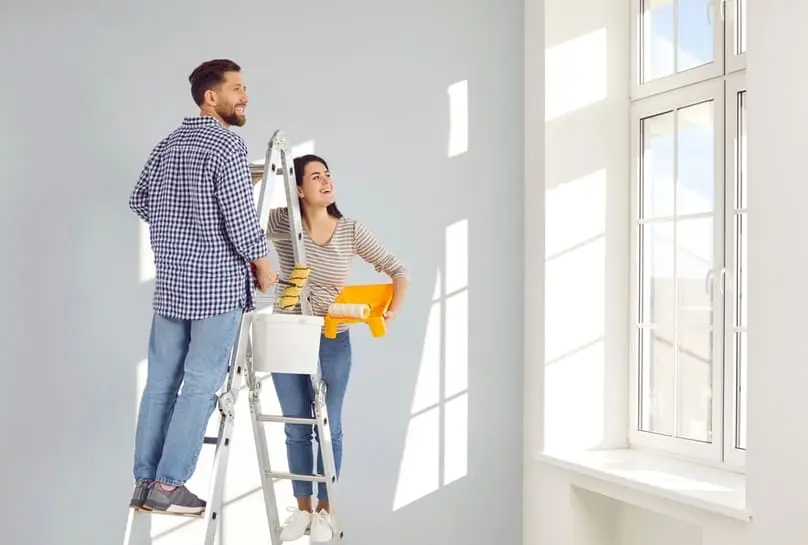
After a home renovation, the result can be spectacular, but the aftermath rarely feels that way. Learning how to clean construction dust is essential because it spreads everywhere—covering surfaces, filling the air, and leaving debris behind.
Fine particles left after renovation are one of the biggest cleaning challenges. They don’t just settle on visible surfaces but also hide in cracks, crevices, furniture, lamps, textiles, and even electronic devices.
That’s why a post-construction cleaning service can help with the cleanup; confirm the equipment, products, and tasks included before booking. In this post, you’ll discover the best way to clean construction dust step by step, and what to keep in mind before moving into your freshly renovated home.
Best Way to Clean Construction Dust After Renovation
Before starting post-construction cleanup, the correct approach is to follow a logical sequence. This helps you stay organized and remove dust without recontaminating areas you have already cleaned. A practical sequence is:
- Ventilate: Open windows only when outdoor air quality and site conditions allow, without directing airflow across settled dust or into clean rooms.
- Capture Dust Top to Bottom: Start with high areas like ceilings or moldings, collecting loose dust with suitable vacuum attachments instead of brushing it into the room.
- Vacuum: Use a vacuum with high-efficiency particulate air (HEPA) filtration that is suitable for fine construction dust, with attachments appropriate for each surface.
- Wipe Surfaces: Damp-wipe surfaces that permit it, using lightly moistened microfiber cloths and a compatible cleaner when needed.
- Mop Floors Last: After vacuuming, use a damp mop and a cleaner approved for the floor, if its care instructions permit wet cleaning.
Important Note: Do not dry sweep fine construction dust or mop before vacuuming. Dry sweeping can make fine particles airborne again, while introducing water too early can create a difficult-to-remove paste. If the renovation may have disturbed asbestos-containing material, stop routine cleanup and seek qualified guidance.
Why Construction Dust Is So Hard to Remove
Construction dust can contain fine, abrasive particles from drywall, wood, concrete, mortar, stone, and tile. Dust from materials such as concrete, mortar, stone, and tile may contain respirable crystalline silica. High-energy tools like saws and grinders create thick clouds, making how to remove construction dust especially challenging.
To clean it properly, standard sweeping isn’t enough. Instead, specialized methods such as HEPA-filtered vacuums and damp microfiber mopping are required for cleaning construction dust effectively.
Health Risks: Fine Particles, Allergens, and Air Quality
Fine construction dust can irritate the eyes, nose, throat, and lungs. Repeated or high exposure to respirable crystalline silica can cause serious lung disease. Asbestos is a separate concern that may arise when asbestos-containing material is damaged or disturbed during renovation.
Dust left after renovation can also circulate in the air and aggravate respiratory sensitivities. The level of risk depends on the material involved, the amount of dust, and the duration of exposure. Suspected asbestos should not be handled as ordinary construction dust; the EPA recommends using trained and accredited professionals when removal is necessary.
Florida-Specific Challenges: Humidity + Settling Dust
In Florida, humidity can make some construction residue more difficult to remove, clinging more tightly to surfaces than in dry environments. This complicates how to clean construction dust from floors and walls.
Airborne dust can also travel through heating, ventilation, and air conditioning (HVAC) systems, making cleaning construction dust an ongoing process. Even after initial cleanup, repeated effort with HEPA vacuums and wet microfiber cloths may be needed if dust resettles.
Step-by-Step: The Best Way to Clean Up Construction Dust
Post-construction cleaning experts recommend approaching the task in an organized way. Learning how to clean construction dust effectively means dividing the work into zones, ensuring each area—from ceilings to hidden corners—receives thorough attention.
For example, a proven strategy for cleaning after renovation is starting with upper areas like ceilings, moldings, high shelves, and painted or textured walls. Capture dust as you work downward instead of deliberately letting it fall. Finish with floors to avoid recontaminating surfaces already cleaned.
Step 1: Gather the Right Tools and Gear
Professionals rely on specialized tools to master how to clean construction dust without spreading it back into the air:
- HEPA filter vacuum cleaners: Capture ultrafine particles efficiently, making them essential for cleaning after renovation.
- Electrostatic dusters: Designed to attract and retain dust, they are ideal for cleaning delicate surfaces and hard-to-reach areas, such as blinds or corners.
- Microfiber cloths: Their ability to absorb dust without scratching surfaces makes them the perfect ally for cleaning furniture, countertops, and any flat surface.
- Surface-compatible cleaners: Choose products according to the material and its care instructions; degreasers and neutral detergents are not interchangeable or safe for every finish.
- Personal protective equipment (PPE): Use gloves and eye protection when handling debris. For significant fine dust, use a well-fitting particulate respirator appropriate for the material and exposure.
Step 2: Airborne Dust Removal
Before vacuuming, carefully pick up packaging, offcuts, and larger fragments without sweeping the fine dust.
Ventilate when outdoor air quality and site conditions allow. Avoid directing airflow across settled dust or into rooms you have already cleaned.
Then, a HEPA-filtered vacuum appropriate for fine construction dust can help capture ultrafine particles and reduce recirculation. This type of vacuum cleaner is used over all surfaces:
- Floors
- Furniture
- Baseboards
- Blinds
- Door and window frames
- High ceilings and corners
This method helps clean construction dust while reducing the amount released back into the room.
Step 3: Choose a Compatible Cleaning Solution and Damp-Clean
Once vacuuming is complete, damp-clean only surfaces that permit it. Knowing how to clean construction dust properly means avoiding excess water that can create sticky mud. The best cleaning solution depends on the surface: remove loose dust first, then use clean water or a mild, compatible product as its care instructions allow. There is no single cleaner for every material.
- Use lightly moistened microfiber cloths and change to clean sections as they collect residue.
- Use a damp mop only on floors whose care instructions permit it.
- Follow the cleaner’s application and residue-removal directions; avoid soaking new finishes.
Special attention is also paid to areas that accumulate invisible residue: vents, window sills, tile joints, etc. Always follow the surface manufacturer’s instructions and test a cleaning product in an inconspicuous area first.
Step 4: Cleaning Textiles and Decorative Elements
Post-renovation dust can settle deep in textiles. For effective cleaning after renovation, professionals tackle:
- Curtains
- Blinds
- Carpets
- Upholstery
- Mattresses
Choose washing or specialist textile cleaning according to the care label and material. These methods can help remove dust and residue, but do not guarantee removal of construction or paint odors. Persistent odors may require identifying their source with the contractor or product manufacturer.
Step 5: Final Check and Repeat if Needed
The last stage in how to clean construction dust is a detailed inspection:
- There are no residues in corners, ceilings, or behind furniture.
- Glass is clean and free of paint stains.
- Doors and their hinges are free of dust.
- New furniture is free of residues inside.
This quality control helps identify remaining residue and prepare the home for a final inspection before move-in.
How to Clean Construction Dust from Different Floor Types
According to the type of floor, the cleaning will look different. You can’t use one method to clean every area. Remove loose dust with a suitable HEPA-filtered vacuum first, then follow the floor manufacturer’s instructions for any damp cleaning.
- Tile and grout: Use a cleaner compatible with the tile, grout, and any sealant. Follow curing instructions for newly installed grout rather than applying an abrasive paste by default.
- Concrete: Pick up larger fragments, vacuum fine dust, and damp-mop only if the concrete or its coating permits it.
- Hardwood: To remove construction dust from hardwood floors use a suitable HEPA-filtered vacuum with a non-scratch floor attachment. Damp-mop only if the finish allows it, using a hardwood-compatible cleaner and avoiding excess water. Do not dry sweep or brush fine construction dust.
How to Prevent Construction Dust From Spreading
While cleaning after construction, preventing dust from spreading to other rooms can save time and reduce repeated work. Keep any ongoing dusty work separate from cleaned areas, avoid carrying dusty tools or waste through them, and collect residue rather than dry sweeping it.
If renovation work is still producing dust, coordinate containment and airflow with the contractor before continuing the final cleanup. Containing dust during construction covers barriers, equipment, and control during the project; here, the priority is avoiding recontamination as you clean.
For accessible vent covers, cleaning household vents is a separate maintenance task. Do not block an active HVAC system or attempt internal duct cleaning as part of routine dust removal.
When to Call a Professional Post-Construction Cleaning Service
If you’ve followed a post-construction cleaning checklist but still notice fine particles on surfaces, lingering odors, or persistent debris in hard-to-reach areas, it’s time to call in the professionals. Post-renovation dust can spread throughout your home and affect indoor air quality. Ask about the service’s scope, and seek qualified guidance for suspected hazardous materials rather than treating them as routine household dust.
At Yorleny’s Cleaning Service, we help with post-renovation cleanup. Confirm the tasks included for your home, from accessible vent covers to baseboards, along with any surface-care requirements before booking.
What’s Included in a Professional Post-Renovation Clean
A post-renovation clean may include dust removal, vacuuming, compatible floor cleaning, and accessible spots such as window tracks and light fixtures. Confirm the equipment and tasks offered; do not assume extraction, air scrubbing, disinfection, or hazardous-material cleanup is included.
Don’t let post-renovation dust overwhelm you—get the help you need to restore your home’s comfort and cleanliness. Contact us today to schedule your professional post-construction cleaning in Florida.
FAQs About Cleaning Construction Dust
Can I use a regular vacuum to clean construction dust?
A standard vacuum can technically be used, but it is not recommended if you want to learn how to clean construction dust effectively. Regular vacuums struggle with drywall dust and silica, which can clog filters and spread particles back into the air.
Professionals who know how to clean construction dust rely on HEPA-filtered vacuums, which are designed to trap ultrafine debris safely without reintroducing it into your living space.
How long does it take to fully remove post-construction dust?
The time required varies depending on the size of the space, the complexity of the project, the amount and type of dust, and the surfaces involved. Fine particles may settle again after the initial cleanup and require additional cleaning passes.
A professional post-construction cleaning service can complete the primary cleanup within an agreed timeframe, but touch-ups may still be needed if fine dust resettles.
What’s the safest way to clean fine dust off floors?
For ordinary post-renovation dust, first use a suitable HEPA-filtered vacuum to collect loose particles. Then damp-mop only if the floor’s care instructions permit it, using a compatible cleaner. Suspected hazardous-material dust requires qualified guidance.
Open windows only when outdoor air quality and site conditions allow, without directing airflow across settled dust or into clean rooms. Use PPE appropriate to the material and exposure, such as a suitable particulate respirator, eye protection, and gloves.

Reviewed by:
Tony Loeffler is the Co-Founder of Yorleny's Cleaning Service and a leader in residential cleaning services. As a content reviewer and writer, he is an expert around the cleaning services in Florida, specifically West Palm Beach County.
Recent Articles

How to Clean Seasonal Decorations and Holiday Decor Safely
The holiday season is the perfect time to decorate our homes with lights, ornaments, and magical touches. However, before reusing decorations that…
How to Clean Up Glitter From Floors, Carpet, and Furniture
Glitter is a frustrating holiday mess, clinging to fabrics and sticking via static electricity. Knowing how to clean up glitter quickly prevents…

How to Get Food Coloring Off Skin, Clothes, Carpet, and Counters
If you or your children are dyeing Easter eggs or getting creative with crafts, it is very likely that some of the…
See below to check if our top-quality house cleaning services are available in your city and book your first appointment with just a few clicks.