

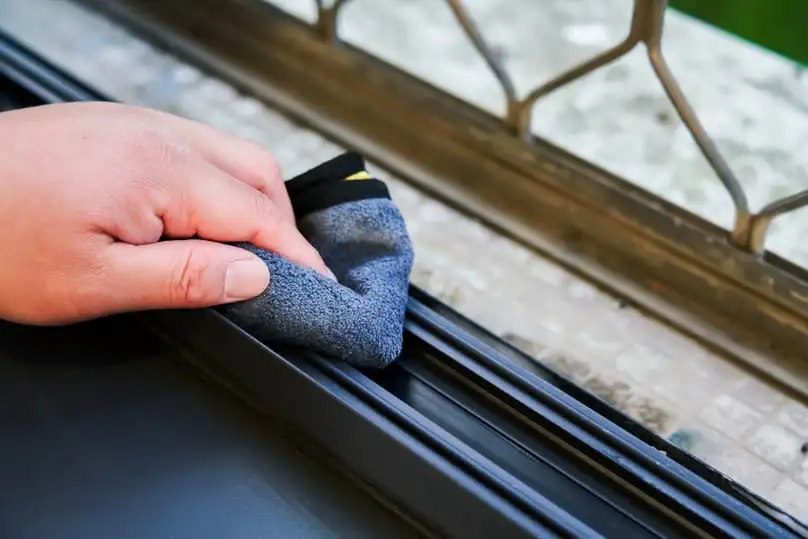
Dirty window tracks can make opening and closing windows difficult. You open the window and find dust, dead insects, and dirt packed into the corners. Spray everything right away, and that loose dust can turn into a muddy mess. So, how do you clean window tracks without making the job harder?
But don’t worry: learning how to clean window tracks starts with removing the dry debris before adding a little cleaner. We’ll walk through the method, the awkward corners, and the finishes that need extra care. When those tracks are part of a bigger reset, professional deep cleaning can help you keep up with the rest of your home.
How to Clean Window Tracks Properly Without Making a Mess
The key to cleaning window tracks effectively and avoiding a messy buildup is to vacuum away all loose dirt and debris before adding any liquid cleaner. Start dry, then use only enough moisture to loosen the remaining grime.
- Vacuum loose dirt and debris with a crevice attachment.
- Spot-test a mild cleaner suitable for the track material.
- Apply it sparingly and scrub corners with a soft brush.
- Wipe away loosened grime and soap residue.
- Dry the tracks and check accessible drainage openings.
Important Note: Avoid flooding tracks or forcing tools into seals and drainage holes. Follow the window manufacturer’s care instructions, and never mix cleaning products.
Choose a Cleaner for Your Window Tracks
Windows can have different types of rails depending on their opening system. Sliding and double-hung windows, for example, use rails to allow the sashes to slide.
The opening style tells you where to clean; the material and finish determine which cleaner to use. Vinyl, including unplasticized polyvinyl chloride (uPVC), aluminum, painted finishes, and wood do not all tolerate the same treatment.
| Material or finish | Starting method | Avoid |
| Vinyl / uPVC | Mild soapy water and a soft cloth | Abrasive pads and unapproved solvents |
| Aluminum | Mild soapy water; a finish-compatible cleaner if needed | Harsh acids, strong alkalis, and metal brushes |
| Painted tracks | Spot-tested mild soap on a damp cloth | Scraping, soaking, and strong cleaners |
| Finished wood | Dry dusting, then a barely damp cloth if permitted | Steam, saturation, and standing water |
Andersen’s product-care guidance recommends mild detergent and soft cleaning tools for routine frame care. Check the instructions for your own model before treating finishes, seals, or hardware.
Tools You’ll Need for Cleaning Window Tracks
Gather these supplies before opening the window:
- A handheld or canister vacuum
- A crevice attachment
- A soft-bristled track brush or an old toothbrush reserved for cleaning
- Dish soap
- Warm water in a small bowl
- A couple of spotless cleaning cloths
- Absorbent kitchen paper
- Gloves and cotton swabs for accessible corners
Homemade vs. Store-Bought Cleaners
Warm water with a few drops of mild dish soap is a practical starting point. Dip your brush or cloth into it and squeeze out excess water rather than spraying the whole track.
For stubborn marks, choose a product labeled for the frame material and finish, then follow its dilution and contact-time instructions. A glass cleaner is not automatically suitable for tracks, seals, or painted frames. Vinegar and baking soda are not essential supplies for this method.
Step-by-Step: How to Clean Window Tracks
When it comes to home cleaning, there are corners that often go unnoticed, and window tracks are one of them. With daily use, these spaces accumulate dust, dirt, and particles, which can be difficult to remove without the proper method.
Step 1: Remove Loose Debris with a Vacuum
Open safely: Open the window as directed by its manufacturer. Remove the insect screen only if it is designed for easy removal and you can do so safely from inside. Do not lean outside to reach a track.
Use the adequate window cleaner device, like a handheld vacuum (or a larger one with a narrow suction attachment) to remove any dirt and dead insects accumulated on the tracks.
Work the corners: Loosen ordinary dry dirt with a soft brush while holding the vacuum nozzle nearby. Clear loose debris before applying any cleaning solution. If you see suspected mold, avoid dry brushing or using an ordinary vacuum on it; follow the mold guidance below.
Step 2: Apply a Mild Cleaner
Test first: Apply your mild soapy water to a small, inconspicuous area. Stop if the finish changes or color transfers to the cloth.
Dampen the grime: Use a lightly damp cloth or brush to apply the cleaner to the dirty areas. Give caked-on dirt a little time to soften, keeping the surface damp rather than wet. Do not let water collect in joints or run into the wall.
Step 3: Scrub with a Track Brush or Toothbrush
Put on gloves and scrub gently with a soft track brush or toothbrush, paying special attention to the corners. Work from higher sections toward the bottom, then gather loosened dirt toward an accessible area.
For narrow grooves: Use a cotton swab or the folded edge of a microfiber cloth. Avoid knives, screwdrivers, wire brushes, and sharp picks around finishes and weatherstripping.
If grime remains: Repeat a light application of the same compatible cleaner and brush again. Stop if the surface is flaking, scratched, or damaged; harder scrubbing will not fix worn material.
Step 4: Wipe Away Dirt and Cleaner Residue
Use a piece of absorbent paper towel and place it over the top end of the vertical track. With a smooth, continuous motion, sweep the dirt down to the bottom of the track. Replace it with a fresh piece of paper and repeat the procedure on the bottom track, wiping from one corner to the center.
Remove residue: Follow with a clean cloth lightly dampened with fresh water to lift remaining soap. Do not pour rinse water into the track.
If the cloth becomes dirty, reposition it and continue cleaning with a clean section.
Step 5: Dry the Tracks and Check Drainage Openings
Use a dry cloth to absorb remaining moisture from corners and grooves. Make sure no standing water remains around joints, seals, or the bottom of the track.
Check accessible drainage openings for visible debris without forcing tools inside them. If your window has weep holes, follow the manufacturer’s instructions and the guidance below before attempting to clear them.
Finally, check that the window moves normally. Do not force a sash that still sticks, as the problem may involve damaged hardware, seals, or another issue that cleaning alone will not fix.
How to Clean Very Dirty Window Tracks
For heavy buildup, keep the same four-step method and work in smaller sections. Remove dry debris first, soften a patch with mild soapy water, brush gently, and lift the dirty liquid before moving on. A second controlled pass is more useful than flooding the track.
If a mark remains, check whether it is dirt, corrosion, worn paint, or damaged sealant before trying another product. Cleaning will not repair those materials.
Can Steam Help with Deep Grime?
Steam can loosen some stubborn deposits, but it is an optional method only when the window manufacturer permits it. If approved, follow the equipment instructions and wipe up released dirt and moisture promptly.
Important Note: High heat and moisture may damage wood, finishes, seals, or coatings. Skip steam if you cannot confirm that the window assembly tolerates it.
Don’t Forget the Window Weep Holes
Some windows have small drainage openings, called weep holes, that let water escape to the outside. Locate them using your model’s instructions and gently remove accessible debris with a small soft brush or an approved tool. Do not enlarge the openings, seal them with caulk, or push dirt farther inside.
If water still pools after the visible debris is removed, ask a window professional to inspect the drainage system.
Should You Lubricate the Tracks?
Only lubricate the locations and components specified by the window manufacturer, using its recommended product. Some windows require dry lubricant on selected moving parts; others have tracks or liners that should not be lubricated. More lubricant is not a substitute for repairing damaged hardware.
How to Clean Window Frames and Sills
To clean window frames and sills, start by removing dust and dirt with a soft brush or vacuum cleaner. Then wipe with a cloth lightly dampened with a cleaner approved for the finish. Keep moisture out of joints and dry the surfaces afterward.
Vinyl and Aluminum Frame Cleaning Tips
For vinyl and aluminum window frames, start with warm water, mild soap, and a soft cloth. Avoid abrasive products or scouring pads that can scratch the surface. Use a finish-compatible cleaner for stubborn stains only when the manufacturer permits it.
- To clean rubber or silicone seals, use a damp cloth with mild soap and water or a product specifically designed for rubber.
- Dry the frames and seals thoroughly after cleaning to prevent water stains and corrosion.
- It is always advisable to test any cleaning product on a small, inconspicuous area before applying it to the entire surface.
If the window coverings are dusty too, clean the blinds according to their material before finishing the sill and tracks. That way, falling dust does not settle on freshly cleaned surfaces.
Cleaning Mold or Mildew from the Window Sill
First address the moisture source, such as condensation or a leak. For a small affected area on a washable hard surface, the U.S. Environmental Protection Agency (EPA) recommends detergent, water, and complete drying. Wear gloves, eye protection, and a properly fitting N95 respirator to limit exposure while cleaning.
Get specialist advice for recurring growth, porous or damaged materials, substantial water damage, or mold covering more than about 10 square feet. A stained surface is not always proof of active mold, and ordinary house cleaning does not resolve a leak or hidden contamination.
Important Note: Do not dry-brush suspected mold or mix mold cleaners with other products. Ventilate the work area and correct the moisture problem to reduce recurrence.
Why Cleaning Window Tracks Is Essential
It’s very easy to neglect cleaning window tracks: we often forget to dust these gaps, and dirt and other impurities accumulate. Add to this the fact that most window tracks are narrow, making cleaning even more tedious.
Failing to clean your window tracks can cause them to jam and prevent them from opening as easily. The same can happen to the tracks on your sliding doors, preventing the panels from sliding open.
Removing dirt can improve movement when debris is the cause. It does not guarantee lower energy bills, eliminate allergies, or repair damaged rollers and seals. Check tracks periodically and clean them when you notice buildup. In South Florida homes near the coast or with frequently open windows, sand and salt residue may call for more frequent checks.
When to Hire a Professional Cleaning Service
Hard-to-Reach Tracks or Persistent Problems
Accessible dirt and grime can be part of a cleaning appointment when included in the agreed scope. If a window remains stuck, water pools, or seals are damaged, contact a window specialist. Recurring mold calls for moisture assessment and, when appropriate, a mold professional.
House Cleaning Help in Florida
Yorleny’s Cleaning Service can help you plan a home cleaning visit in South Florida. Tell the team about the window tracks, their condition, and access so you can confirm what is included before booking.
For a broader home reset, request a deep cleaning quote and mention the accessible frames, sills, and tracks you would like addressed.
Frequently Asked Questions
Can You Clean Window Tracks Without a Vacuum?
Yes. For ordinary dry dirt, use a soft brush to gather debris into an accessible corner, lift it with a small dustpan or folded paper, and wipe up the remainder. Then follow the mild-cleaner, brushing, and drying steps. Do not use this dry-brushing method on suspected mold.
Can I Use Vinegar and Baking Soda to Clean Window Tracks?
Start with mild soapy water instead. Vinegar and baking soda react and largely neutralize each other; fizzing alone does not mean they clean better. If you use white vinegar for cleaning, first confirm that the window manufacturer allows it on the specific finish and seals, and follow its dilution instructions.
How Often Should I Clean Window Tracks and Sills?
As a starting routine, check monthly and plan a more thorough cleaning every three to six months, adjusting to visible dirt and your manufacturer’s guidance. Clean sooner if sand, insects, or debris accumulate, and investigate standing water rather than waiting for the next scheduled clean.

Reviewed by:
Tony Loeffler is the Co-Founder of Yorleny's Cleaning Service and a leader in residential cleaning services. As a content reviewer and writer, he is an expert around the cleaning services in Florida, specifically West Palm Beach County.
Recent Articles

How to Clean Seasonal Decorations and Holiday Decor Safely
The holiday season is the perfect time to decorate our homes with lights, ornaments, and magical touches. However, before reusing decorations that…

How to Clean Up Glitter From Floors, Carpet, and Furniture
Glitter is a frustrating holiday mess, clinging to fabrics and sticking via static electricity. Knowing how to clean up glitter quickly prevents…

How to Get Food Coloring Off Skin, Clothes, Carpet, and Counters
If you or your children are dyeing Easter eggs or getting creative with crafts, it is very likely that some of the…
See below to check if our top-quality house cleaning services are available in your city and book your first appointment with just a few clicks.