

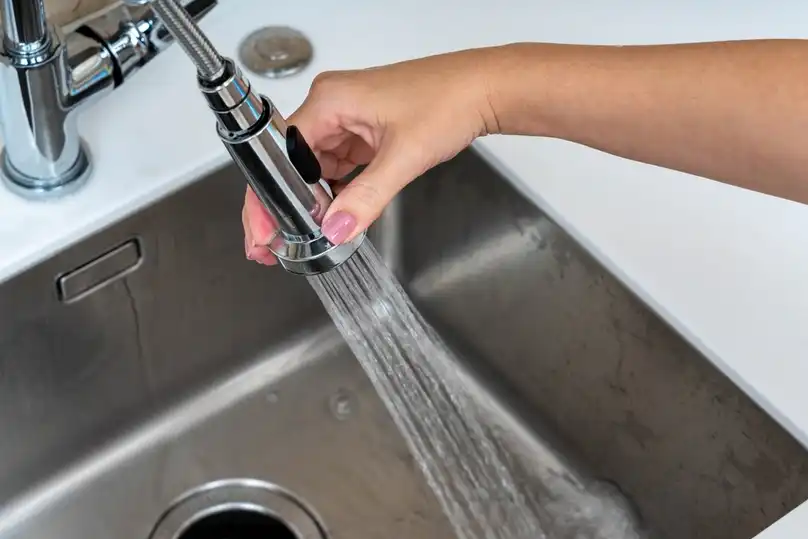
Kitchen garbage disposals are very useful tools that allow you to quickly get rid of unwanted food scraps. Although they are usually self-cleaning, they do require some attention and regular maintenance. Learning how to clean a garbage disposal properly will help them function optimally and prevent unpleasant odors.
At Yorleny’s Cleaning Services, we have compiled a list of guidelines on how to clean a garbage disposal, including tips for cleaning waste disposal unit systems safely and effectively.
How Do You Clean a Garbage Disposal?
This is the garbage disposal cleaning procedure with baking soda and one of the best methods for those wondering how to clean disposal systems at home. This method is frequently used to thoroughly clean the garbage disposal and get rid of odors:
- To guarantee safety, unplug the disposal or switch off the circuit breaker.
- Make sure the splash guard is clean. Bacteria are frequently present in the rubber flaps. Scrub the splash guard’s underside with an old toothbrush and soap.
- Fill the drain with half a cup of baking soda.
- Pour in one cup of white vinegar.
- After letting the mixture bubble for five to ten minutes, run the disposal and rinse with hot water.
To clean the blades you can use the ice method described below:
- After adding two cups of ice to the disposal, add one cup of salt (rock salt works best).
- Turn on the disposal and run the cold water until the ice is gone. This cleans the sides and blades and is a practical solution for how to clean food disposal units effectively.
Why Cleaning Your Garbage Disposal Is Important
How Food Waste and Bacteria Build Up Inside a Garbage Disposal
Understanding how to clean a garbage disposal is critical for removing unpleasant odors, preventing bacterial growth, and avoiding obstructions. Food particles, grease, and slime accumulate on the blades, concealed grinding chamber, and underneath the rubber splash guard. Regular maintenance maintains the kitchen clean and increases the appliance’s lifespan.
Why Dirty Disposals Cause Odors and Hygiene Issues
- Decaying Food Particles: Food particles can become trapped behind the rubber splash guard or in the grinding chamber, leading to rot and bad odors.
- Grease and Fat Buildup: Pouring fats, oils, and grease down the drain can solidify on the disposal blades and walls, trapping food debris and causing persistent odors.
- Stagnant Water/Clogs: A partially clogged or slow drain can lead to water accumulation in the P-trap, promoting bacteria and mold growth and resulting in foul smells.
- Hard Water Scale: Mineral buildup from hard water can cover internal surfaces, creating hiding spots for microorganisms that regular cleaning may miss.
How Often Should You Clean a Garbage Disposal?
Light Cleaning vs Deep Cleaning Frequency
You might be wondering how often you should clean your garbage disposal. Most experts recommend a quick cleaning once a week, especially if you regularly use your sink disposal and want to maintain a fresh system. For a more thorough clean, consider using a garbage disposal cleaner or brush once a month as part of your routine for how to clean sink disposal systems.
Some people, especially those who cook frequently, prefer to clean their garbage disposal twice a week. Regular weekly cleaning simplifies maintenance and helps prevent unpleasant odors. If you notice any smells or experience slow drainage, be sure to clean it thoroughly.
Signs Your Garbage Disposal Needs Immediate Cleaning
Your garbage disposal may occasionally alert you to the need for maintenance. Watch for these signs:
- You notice an unpleasant odor coming from the sink.
- Water pools or drains slowly.
- The garbage disposal is louder than usual.
- Food scraps are getting stuck inside.
The garbage disposal may be malfunctioning or jammed, which may indicate it’s time to learn how to empty garbage disposal safely before performing a deep clean. Clean it if you notice these symptoms. Regular maintenance keeps your garbage disposal running smoothly and your kitchen smelling fresh.
How to Clean a Garbage Disposal Step by Step
Safety Steps Before Cleaning a Garbage Disposal
Before learning how to clean a garbage disposal, always turn off the power. You can unplug the unit under the sink or turn off the circuit breaker. This protects you from electric shock. Never put your hands inside the garbage disposal.
Even if you think it’s unplugged, the blades are sharp and can cause serious cuts. If you need to unclog an appliance, use an Allen wrench from the bottom instead of reaching inside.
How to Clean the Disposal Interior Properly
You don’t need fancy products to get the job done. Here’s how to clean a garbage disposal with everyday items:
- Remove debris: Use tongs to remove any visible food scraps.
- Ice and salt scrub: Pour 1 to 2 cups of ice cubes and a handful of kosher salt into the disposal. Run cold water and turn it on for 30 seconds. This will loosen stuck-on grime and help unclog the garbage disposal.
- Baking soda and vinegar: Sprinkle half a cup of baking soda into the disposal. Add one cup of vinegar. Let it fizz for 5 to 10 minutes. This combination loosens grime and helps disinfect and deodorize the disposal, making it a reliable method for how to clean a garbage disposal
- Boiling water rinse: Carefully pour a kettle of boiling water down the drain to flush out any loose debris.
- Lemon freshness: Cut a lemon into wedges. Pour them in and rinse the disposal with cold water. This will leave your sink smelling clean and fresh.
- Finish with dish soap: Pour some dish soap into the disposal. Run cold water through it and turn the unit on for a final rinse.
If you need a deeper clean, you can use a tablespoon of borax. For stubborn odors, a splash of bleach works, but use it sparingly and rinse well. Too much bleach or vinegar can damage the disposal, so always follow safe practices when applying how to clean a garbage disposal methods.
How to Clean a Garbage Disposal With Ice
Why Ice Helps Remove Stuck Food Residue
You’d be surprised how well it works. Ice cubes and salt can clean your garbage disposal and are often recommended when learning how to clean a garbage disposal naturally. The ice cubes grind against the blades and walls, scraping off stuck-on food and grime. The salt acts as a harsh scrubber, removing sticky, viscous residue.
When used together, you get powerful cleaning action that helps eliminate tough buildup and odor-causing waste. The coldness of the ice also prevents grease from sticking inside the pipes, helping to prevent clogs.
This method is safe, natural, and uses no harsh chemicals. You can use it as part of your regular routine to keep your disposal clean and running properly.
Homemade Garbage Disposal Cleaning Methods
How to Clean a Garbage Disposal With Baking Soda and Vinegar
Natural cleaners are safe, effective, and eco-friendly. You can use baking soda, vinegar, and lemon juice to clean your garbage disposal. These ingredients break down grease, kill germs, and leave no harsh chemical residue, making them ideal for anyone researching how to clean a garbage disposal at home.
- Baking soda and vinegar fizz together to loosen grime and deodorize.
- Lemon juice cuts through grease and leaves a fresh scent.
- Essential oils like tea tree or peppermint add extra cleaning power.
When Homemade Disposal Cleaners Are Effective
Natural cleaning methods work well in most homes. They are gentle on pipes and better for the environment. Unlike chemical cleaners, they don’t leave harmful residues or pollute the water. Using natural products also reduces the risk of skin or respiratory problems while supporting safe routines for how to clean a garbage disposal
How to Disinfect a Garbage Disposal Safely
Difference Between Cleaning and Disinfecting
Cleaning a garbage disposal implies eliminating physical food buildup, grease, and grime that generate aromas, while sanitizing it destroys bacteria, fungi, and viruses that can thrive in slime and rot. Understanding how to clean a garbage disposal properly is essential before moving on to disinfection. Cleaning uses soap, baking soda, or ice, whereas disinfection requires stronger natural chemicals such as hydrogen peroxide or white vinegar to kill bacteria.
To eradicate bacteria safely and without damaging pipes with harsh chemicals, follow these steps:
- Before performing any repair, switch off the breaker or unplug the disposal, especially if you are cleaning beneath the rubber flaps.
- Most odors and bacteria develop on the bottom of the black rubber flaps. Lift the flaps and clean them with an old toothbrush, dish soap, and baking soda.
- To kill fungi and germs, pour 8 ounces of hydrogen peroxide into the disposal while running the blades. Allow it to sit for 10 minutes before rinsing with hot water.
- Add 1/2 cup baking soda to the disposal, followed by 1 cup white vinegar. Allow the mixture to bubble for 5-10 minutes to sterilize before rinsing with boiling water.
- Grind citrus peels (lemon, lime, or orange) with cold water to produce natural acid that kills bacteria and absorbs odors.
These steps complement any routine focused on how to clean a garbage disposal safely.
Safe Products to Disinfect a Garbage Disposal
Baking soda and white vinegar (bubbling action), lemon slices or citrus peels, ice cubes (scrubbing), and rock salt are all safe, non-toxic materials for disinfecting and cleaning a garbage disposal. These compounds effectively neutralize odor-causing germs and dissolve dirt without harming the disposal unit, making them ideal when learning how to clean a garbage disposal without harsh chemicals.
Commercial products like Affresh Disposal Cleaner and Glisten Trash Disposal Cleaner are designed to clean, disinfect, and deodorize disposals, often using foaming techniques to remove buildup. Tablets and pods effectively tackle grease and food residue.
How to Clean a Sink Disposal and Surrounding Area
Cleaning the Sink Flange and Rubber Splash Guard
To clean a sink disposal, first remove slime and food debris from the rubber splash guard (flange), then scrub the inside grinding chamber and deodorize the entire device. Because the underside of the rubber splash guard is a significant source of odor and bacteria, it must be cleaned manually in addition to the disposal’s interior components, which are self-cleaning. This step is essential when mastering how to clean a garbage disposal completely.
Preventing Odors Around the Sink Disposal
When you learn how to clean a garbage disposal, you can use the following approaches to trap odor-producing sludge:
- Use Cold Water: Run cold water before, during, and for at least 20-30 seconds after using the disposal to ensure that all food particles are removed.
- Avoid Problem Foods: Never put fats, lard, oils, fibrous foods (celery, potato peels), or excessive volumes of coffee grounds in the trash.
- Regular Maintenance: Use the ice and salt procedure every 1-2 weeks to keep the device free of buildup.
- Run It Frequently: Even if you don’t have any food to grind, run the disposal with water on a regular basis to avoid rust and keep parts from seizing.
Common Garbage Disposal Cleaning Mistakes to Avoid
Products and Items You Should Never Put In a Garbage Disposal
There are some things you should never throw down in your garbage disposal. They can cause blockages, damage the blades, or worsen odors. Here’s what to avoid:
- Grease, oil, or fat
- Fibrous foods (celery, corn husks, onion skins)
- Bones or fruit pits
- Coffee grounds
- Eggshells
- Pasta, rice, or bread (they expand and clog pipes)
- Harsh chemicals or drain cleaners
When it comes to cleaning waste disposal unit, it is important that never use harsh chemicals to clean your garbage disposal. They can damage your pipes and the environment.
Cleaning Habits That Damage Disposal Units
- Adding fats, oils, or lard: This is the number one mistake. Grease solidifies as it cools, traps other debris, and causes serious clogs and unpleasant odors.
- Grinding fibrous foods: Celery, potato peels, bananas, artichokes, or corn husks have fibers that get tangled around the blades, burning out the motor.
- Adding eggshells: Although there’s a myth that they “sharpen” the blades, the reality is that the internal membrane can become entangled, and solid waste can accumulate in the pipes.
- Coffee grounds: While they seem harmless, they accumulate in the pipes and form a paste that clogs the system.
- Bones, shells, and nuts: Excessively hard foods like chicken bones, mollusk shells, or nuts can break or dull the blades.
- Adding non-food items: Plastics, fruit labels, glass, or metal will instantly damage the garbage disposal.
When a Dirty Garbage Disposal Affects Kitchen Cleanliness
Odors Spreading Through the Kitchen
Learning how to clean a garbage disposal helps prevent unpleasant smells from spreading throughout your kitchen. Food buildup and residue can quickly create strong odors if not addressed regularly. Keeping a simple cleaning routine helps maintain a fresher and more comfortable space.
When Professional Kitchen Deep Cleaning May Help
Understanding how to clean a garbage disposal is useful, but some situations may require deeper cleaning. Persistent odors or hidden buildup can affect overall kitchen hygiene. In these cases, professional cleaning can help restore freshness and improve cleanliness.
If you want a cleaner and odor-free kitchen, Yorleny’s Cleaning Services is here to help. Contact us today to keep your kitchen fresh, clean, and ready for daily use.
Frequently Asked Questions About Cleaning a Garbage Disposal
Can you clean a garbage disposal with ice and salt?
Yes, ice and salt are effective methods when learning how to clean a garbage disposal. Ice helps dislodge debris while salt acts as a mild abrasive to scrub the blades. Run cold water while grinding the mixture for best results. This method also helps reduce minor odors and buildup.
How often should a garbage disposal be cleaned?
When considering how to clean a garbage disposal, it’s recommended to clean it at least once a week. Regular cleaning prevents food residue from accumulating and causing unpleasant odors. Frequent maintenance also helps extend the lifespan of the unit. Light cleaning can be done more often if needed.
Is baking soda safe for garbage disposals?
Yes, baking soda is a safe and effective option for how to clean a garbage disposal. It helps neutralize odors and break down residue when combined with vinegar. This natural method is gentle on pipes and components. It’s ideal for regular maintenance without using harsh chemicals.
Why does my garbage disposal still smell after cleaning?
If odors persist after how to clean a garbage disposal, it may be due to trapped debris in hard-to-reach areas. The rubber splash guard or drain pipe can hold residue and bacteria. Deep cleaning these parts is essential for removing smells completely. Regular upkeep helps prevent recurring issues.

Reviewed by:
Tony Loeffler is the Co-Founder of Yorleny's Cleaning Service and a leader in residential cleaning services. As a content reviewer and writer, he is an expert around the cleaning services in Florida, specifically West Palm Beach County.
Recent Articles

How to Clean Before Fall Guests Arrive: Quick Tips for Busy Hosts
Welcoming friends and family into your home for the autumn holidays can be a rewarding experience. However, figuring out exactly how to…

The Benefits of Property Management Cleaning Services for Florida Hosts
As a landlord, you run a business where tenants are customers and rental units are assets, meaning you must maintain your property…

How to Clean Concrete Floors Without Damaging the Surface
Polished concrete is known for being durable, low-maintenance, and attractive. However, “low-maintenance” does not mean “no maintenance.” Knowing how to clean concrete…
See below to check if our top-quality house cleaning services are available in your city and book your first appointment with just a few clicks.