

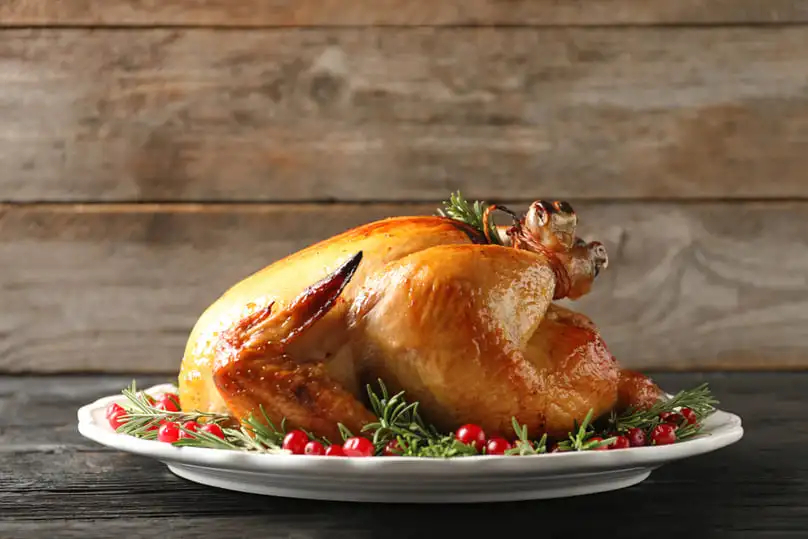
Have you ever found a special garment or tablecloth with a stubborn grease stain? This is typical after the holidays, when food leaves marks on clothes, tablecloths, or cloth napkins. Turkey grease stain removal can be tricky if stains are left untreated, as they cling to fabric fibers. Luckily, there are effective ways to remove grease stains from tablecloths and clothes, and Yorleny’s Cleaning Services shows you how to tackle these marks efficiently.
How Do You Remove Turkey Grease From Clothes and Table Linens?
For washable clothes and table linens, start with the care label and follow this basic sequence:
- Blot excess turkey grease without spreading it.
- Check that the fabric is washable and choose a compatible pretreatment.
- Follow the product’s application and waiting-time directions.
- Wash with laundry detergent at the temperature permitted by the care label.
- Air-dry, inspect when dry, and repeat treatment only as the instructions allow.
Important note: Dry-clean-only and delicate items need their own care instructions. Do not use a household cabinet degreaser or a laundry recipe on upholstery. Follow your dryer’s restrictions for items exposed to cooking oil, even after washing.
Dish Soap for Grease Stains
When it comes to fast grease stain removal tips, dish soap is your best ally. It works as a surfactant, breaking down oil so water can lift it away. For washable fabrics that permit it, apply a small amount of suitable dish soap as a pretreatment and work it in gently, without scrubbing. Rinse out dish soap thoroughly before machine washing with laundry detergent, following the garment’s care label.
Here’s the trick:
- Apply a small amount of a compatible pretreatment to the washable fabric as directed.
- Follow the pretreatment’s timing and application directions; work it in gently only if the fabric allows it.
- If using dish soap, rinse it out thoroughly, then wash with laundry detergent on the cycle allowed by the care label.
Baking Soda and Cornstarch Absorption Methods
Simply remove any excess grease from the garment with a paper towel and apply the powder to the stain. Use a powder only if it is suitable for the fabric, remove it before laundering, and follow the fabric and laundry-product directions. Absorption is an optional first step, not a substitute for washing.
How to Get Turkey Grease Out of Clothes Steps
1. Blot excess grease
Gently blot the stain with a paper towel or cloth, being careful not to rub it in and spread it further.
2. Optional absorbent step
For a fabric that permits it, use a suitable absorbent powder on fresh surface grease, then remove it gently before pretreatment. Skip this step for an unknown or delicate fabric unless its care instructions allow it.
If you used a powder, remove it gently without rubbing it into the fibers. Do not keep repeating this step instead of using a compatible laundry treatment.
3. Pretreat
Apply a compatible prewash stain remover or liquid laundry detergent as directed. A suitable dish soap can be an alternative on washable fabric, but rinse it out before machine washing.
4. Rinse and wash
Use the water temperature permitted by the fabric and laundry-product instructions. Wash the garment according to the care label instructions for proper turkey grease stain removal.
5. Check before drying
After washing, ensure the stain is completely gone. Repeat the previous steps if necessary to ensure turkey grease stain removal.
Air-dry after washing and inspect the fabric when dry; grease can be hard to see while wet. Follow the dryer’s safety instructions and do not tumble-dry items still contaminated with cooking oil.
If the Grease Stain Has Already Been Washed or Dried
A previous wash or dryer cycle does not tell you whether a stain can still be removed. Check the fabric’s condition and use a compatible product labeled for set-in stains, following its directions. If a permitted repeat treatment does not help, or the item is delicate or valuable, ask a qualified textile cleaner. Avoid adding stronger household solvents or extra heat.
How to Remove Grease Stains From Tablecloths and Linens Steps
1. Blot and absorb excess oil
Gently blot the stain with a paper towel or cloth to remove as much grease as possible without spreading it. Use an absorbent powder only when the tablecloth’s care instructions permit it, and remove it before pretreating.
2. Pretreat the tablecloth
Use a prewash stain remover permitted for the fiber, color, and finish. Follow its directions; if using suitable dish soap, rinse it out before the machine wash.
3. Wash the tablecloth
Use laundry detergent and the temperature and cycle allowed by its care label. Do not add vinegar or baking soda as an automatic booster.
4. Check and dry the tablecloth
Inspect the stain after washing. Do not dry if the stain persists. Repeat pre-treatment and washing if needed. Air-dry and inspect when dry; follow the fabric and dryer instructions before considering tumble drying.
Use the Thanksgiving Day checklist to coordinate table setup and after-dinner cleanup; this guide covers the separate task of treating grease on washable fabrics.
Special Care for Delicate Fabrics (Silk, Satin, Lace)
For Silk and Satin.
- Act quickly: Blot excess oil with a dry cloth. Avoid rubbing.
- Check the care label: satin describes a weave and may contain different fibers. Do not assume a silk method suits every satin item.
Important note: For dry-clean-only, valuable, or uncertain items, take the garment to a qualified cleaner and describe the spill and any treatment already used. Treat washable delicates only with a product and method specifically permitted by their care instructions.
For Lace.
- Blot excess oil. Gently blot the stain with a dry cloth.
- Check the fiber, trims, and care instructions before treating lace.
- Use only a permitted delicate-fabric product and handling method.
If the item is antique, fragile, dry-clean-only, or its care is uncertain, ask a qualified textile cleaner before applying powder or liquid.
Why Turkey Grease Stains Are Hard to Remove
Common Fabrics Affected: Clothes, Linens, and Tablecloths
Grease can cling to fabric fibers and is not easily removed with water alone. After a big meal, many ask how to get turkey grease out of clothes or tablecloths. Acting promptly can improve the chances of removal before the grease sets.
Drying Fabrics in a Humid Home
In a humid home, allow air circulation and enough time for washed items to dry fully. Follow the fabric’s drying instructions and avoid using extra heat to compensate for slow drying.
DIY Remedies vs Store-Bought Products
DIY Turkey Grease Stain Treatments (Home Remedies for Cooking Oil Stains)
For broader household choices, see our green-friendly cleaning guide. For clothing and linens, choose a treatment by its labeled fabric compatibility; natural or homemade does not automatically mean suitable.
Apply one compatible laundry treatment according to its directions, then launder as the care label allows. Do not combine treatments or extend their waiting times by guesswork.
Laundry Stain Removers for Grease
Seventh Generation Free & Clear Laundry Stain Remover and Shout Advanced Grease Busting Foam are examples with different formulas and instructions. Seventh Generation lists four enzyme groups and excludes silk and wool; its current ingredient list does not list lipase. Shout’s page describes a grease-targeted foam. Do not assume they contain the same enzymes or use the same waiting time.
OxiClean Max Force Laundry Stain Remover is another laundry-only option when the label permits it. It excludes silk, wool, leather, and dry-clean-only fabrics. Follow its timing and wash-temperature directions rather than applying a general instruction for all stain removers.
These laundry steps are for washable textiles. For a different surface, follow the guide to cleaning grease off kitchen cabinets. If a pan has burnt-on food, use the burnt-pot cleaning guide.
Common Mistakes to Avoid
Rubbing Stains Instead of Blotting
Rubbing a grease stain instead of blotting it is a common mistake because it pushes the grease deeper into the fabric fibers and spreads the stain, making turkey grease stain removal more difficult. Instead, gently blot the stain with a clean cloth or paper towel, working from the outside inward to prevent spreading.
Drying Greasy Fabrics Too Soon
Dryer heat can make a remaining stain harder to remove, and cooking-oil contamination also requires following the dryer’s safety instructions. Instead of drying, blot excess grease, pre-treat the stain with dish soap or a stain remover, and wash the garment as directed on the care label. Air-dry and inspect when dry. Follow the fabric and dryer instructions, including restrictions for items exposed to cooking oil.
Friendly Tips for Stain Removal
Act Quickly
First of all, to remove stains easily, you have to be quick and act immediately. The sooner you treat them, the easier they will be to clean. Therefore, it’s important to avoid letting them dry or remain untreated for too long.
Check the Type of Fabric
Another essential factor before cleaning is to check the type of fabric (cotton, wool, linen, synthetic, etc.). For this, we recommend carefully reading the care labels to find out the washing instructions. This is key, as not all cleaning tricks or tips will work for all materials.
Use Water as Directed for the Fabric
Water alone is not an effective grease treatment, but rinsing and laundering can be part of the correct method for washable fabrics. Follow the fabric and cleaner instructions. First, absorb excess grease with a paper towel, gently pressing instead of rubbing to prevent spreading.
Professional Help for Stubborn Stains
When to Call a Professional Cleaning Service
Even with the best DIY methods, some spills and fabrics can be tricky to handle. If turkey grease stain removal doesn’t go as planned or the stain has already set, it’s best to call in a professional. A qualified textile cleaner can assess delicate or persistent stains and explain the appropriate treatment and its limits.
Why Yorleny’s Cleaning Services Is Trusted in Palm Beach
At Yorleny’s Cleaning Services, ask about the household cleaning available for your address and the work included. Our Palm Beach cleaning team understands the challenges of festive messes — from kitchen grease to post-dinner spills — and provides reliable, thorough cleaning for homes across South Florida.
Need help after your Thanksgiving celebration? Schedule a visit with Yorleny’s Cleaning Services today and confirm the cleaning scope and availability before booking.
FAQs About Turkey Grease Stain Removal
How do you remove turkey grease stains from a tablecloth?
Blot excess grease, check the tablecloth’s care label, and pretreat with a compatible laundry product. Wash at the permitted temperature, then air-dry and check for a remaining mark before storing or considering further treatment.
What’s the fastest way to get turkey grease out of clothes?
Blot promptly, then use a pretreatment permitted for the garment. Follow its timing and wash instructions; rinse out any dish soap before machine washing. A fast response does not guarantee immediate removal, so inspect after washing and air-drying.
Can baking soda or cornstarch really remove grease stains?
An absorbent powder may help with fresh surface oil on a suitable fabric, but it does not guarantee removal of a set-in stain. Do not use powders on delicate or unknown fabrics without care guidance, and remove residue before laundering.
Should I air-dry greasy fabrics or use a dryer?
Air-dry after laundering so you can check the dry fabric for a remaining stain. Do not tumble-dry items still contaminated with cooking oil, and follow the garment and dryer instructions. If the stain persists, use an allowed repeat treatment or ask a textile cleaner.
Do Grease Stain Removers Leave Residue?
They can if too much product is used or it is not removed as directed. Follow the dosage, waiting time, rinsing, and wash instructions for the specific product and fabric. Do not add a second cleaner to cover a residue problem.

Tony Loeffler is the Co-Founder of Yorleny's Cleaning Service and a leader in residential cleaning services. As a content reviewer and writer, he is an expert around the cleaning services in Florida, specifically West Palm Beach County.
Recent Articles
How to Clean a Roasting Pan: Baked-On Grease, Stains, and the Rack
In the kitchen, the oven tray usually accumulates the most dirt after big meals. Figuring out exactly how to clean a roasting…

How to Clean Up After Thanksgiving Dinner: What to Do Tonight and What Can Wait
Thanksgiving is a wonderful time to pause, reflect on your blessings, and share a hearty meal with loved ones. However, the planning,…

How to Clean Shower Door Tracks: Grooves, Corners, and Sliding Gaps
Do you notice that your shower door no longer slides as smoothly as it used to, or do you see dirt building…
See below to check if our top-quality house cleaning services are available in your city and book your first appointment with just a few clicks.