

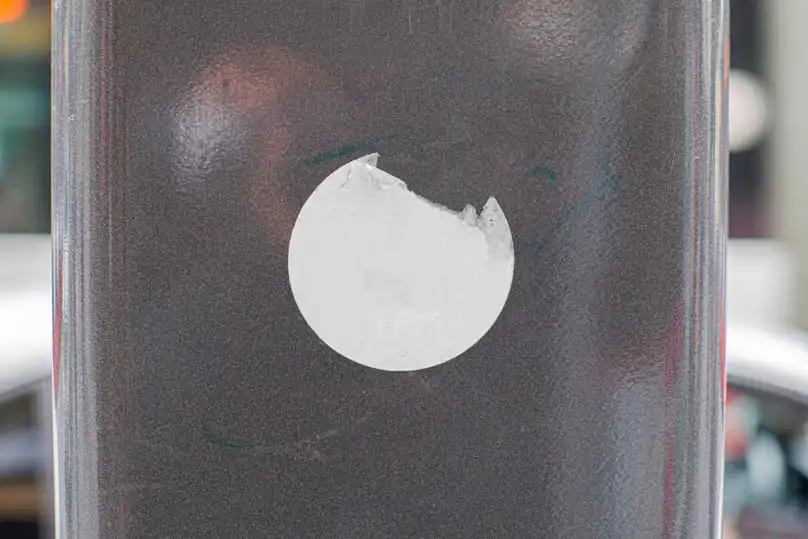
A peeled label can leave a sticky film on jars, plastic containers, furniture, and appliances. Scrubbing harder or reaching for a strong solvent can damage the surface before the adhesive comes off. Both the type of adhesive and the surface it’s applied to are factors to consider when removing it.
There are numerous methods for removing adhesive residue. Below, YCS explains how to choose a method for glass, plastic, metal, and finished wood. Start with a gentle treatment and test it first. For specialized adhesive removal, confirm the service scope separately.
How Do You Get Sticker Residue Off?
Start with a gentle method suited to the surface and finish. Soften the adhesive, lift it carefully, then clean away any remaining residue. Follow these five steps:
- Identify the surface: Check its care instructions before choosing a cleaner or tool.
- Peel away loose sticker material: Start with your fingers; use a non-scratching tool only if suitable for the surface.
- Test and soften the adhesive: Test a compatible cleaner in a hidden spot, then follow its application directions.
- Lift the softened residue: Wipe gently with a soft cloth instead of forcing or scraping the finish.
- Clean and dry: Remove remaining adhesive and cleaner as directed, then dry the surface completely.
Important Note: No method is suitable for every surface. Never mix cleaners or use a hair dryer near flammable solvents; follow the surface-care instructions and product label.
How to Remove Sticker Residue from Different Surfaces
The adhesives used in stickers are usually quite strong, making them difficult to remove. Check the material and finish before choosing a treatment:
| Surface | What to check first | What to avoid |
| Glass | Whether it is plain, coated, tinted, or part of an appliance | Razor blades and unapproved solvents on coatings or films |
| Plastic | Compatibility with the particular plastic and any printing | Acetone, abrasive pastes, and unapproved heat |
| Metal | Whether it is bare, painted, coated, or fingerprint-resistant | Treating all finishes as bare metal |
| Wood | Whether the finish is intact or the wood is unsealed | Oil on raw wood and soaking the surface |
How to Remove Sticker Residue From Glass
For paper labels on washable, plain-glass containers, soak the container in warm, soapy water if its care instructions allow it. Wipe the surface with a damp cloth until the glue softens and can be easily removed. If it remains, use an adhesive remover labeled for glass, following its directions.
Treat fixed windows and appliance glass locally rather than soaking them. Check coatings, tinting, seals, and nearby electrical openings before applying a product; do not assume a method for a plain jar suits every glass surface. Avoid razor blades as a general removal method.
How to Remove Sticker Residue From Plastic
Using abrasive products can discolor or scratch plastic surfaces. If the item is washable, start with a simple solution of water and dish soap. Wipe the surface with a damp cloth until the glue softens and can be easily removed. If necessary, use a remover labeled for that plastic, testing it first. Stop if the surface becomes cloudy, discolored, or soft.
Do not use oil-and-baking-soda paste, alcohol, acetone, or heat as default treatments for every plastic. On reusable bottles, removing an exterior label does not replace washing the bottle, lid, and removable parts. Keep adhesive removers away from drinking surfaces unless their directions permit that use.
How to Remove Sticker Residue From Metal and Stainless Steel
Check whether the metal is bare, painted, coated, or fingerprint-resistant before choosing a product. Use a remover compatible with that finish. Apply the product, following its directions, to soften the glue, and then gently wipe it off with a cloth or a suitable non-scratching tool.
Remove any residue with a cloth and dry the surface completely. Complete any wash or wipe-down required by the product label; avoid abrasive pads and unapproved solvents on appliance finishes.
How to Remove Sticker Residue From Finished Wood
Using abrasive products can discolor or scratch wood surfaces. Check the finish and use only a treatment permitted by the furniture manufacturer. It is also advisable to test the product beforehand on a small, inconspicuous area.
Keep the treatment localized, lift softened adhesive with a soft cloth, and remove the cleaner as directed. Stop if color transfers or the finish becomes dull or tacky. Do not apply oils to unsealed wood; damaged finishes or valuable furniture may need professional advice.
Why Sticker Residue Is Hard to Remove
When you pull off a sticker, the top layer (like paper) breaks away, but the adhesive layer may remain behind. Both paper labels and vinyl stickers can leave residue. Both the type of adhesive and the surface it’s applied to are factors to consider when removing it. The age of the residue and the surface finish also affect which treatment is suitable.
Can Household Products Remove Sticker Residue?
If you have any adhesive residue left, you can use a simple solution of water and dish soap on washable surfaces that tolerate it. Alcohol and cooking oil can also be used to remove glue residue from some compatible surfaces, but check the material first.
Oil can stain porous materials, and baking soda adds abrasion. Do not use their mixture as a default treatment for plastic or finished wood. Vinegar is not a universal remover either: a household product is not automatically suitable because it is described as natural.
How Heat Helps Loosen Sticky Residue
The heat softens some adhesives, allowing you to lift them with a plastic spatula where the surface and its care instructions permit that method. Heat can also damage plastic, coatings, or glued components, so avoid universal temperature and timing recommendations. Never use a hair dryer near flammable solvents.
When to Use a Commercial Adhesive Remover
There are specific products for removing adhesive residue from different surfaces. These products can be either natural or commercial. If you choose one of these products, carefully read the instructions to protect the surfaces and avoid damage. It is also advisable to test the product beforehand on a small, inconspicuous area.
Commercial Adhesive Removers
Choose the exact formula for the task rather than relying on a brand name alone. For example, Goo Gone Original’s directions require a hidden-area test and washing treated hard surfaces afterward. Its exclusions include unfinished wood, unsealed stone, rubber, and several other materials. Follow the label on your container and the item’s care instructions.
Rapid Remover lists uses including glass and properly cured painted surfaces. That does not establish compatibility with every finish. Follow the product’s application, removal, and safety directions instead of extending its instructions to other formulas.
Isopropyl Alcohol for Sticky Residue
Isopropyl alcohol, also called rubbing alcohol, may help loosen some adhesives on compatible surfaces. Rapid evaporation does not prove that it is safe for a coating, plastic, finished wood, or electronic device.
Electronics need device-specific care. Apple’s cleaning instructions, for example, distinguish permitted products and warn against moisture entering openings. They are not a blanket recommendation to soak or scrape a device to remove adhesive.
What Not to Do When Removing Sticker Residue
To effectively remove sticky messes without damaging your items, avoid using metal razor blades or harsh solvents like acetone on scratch-prone or synthetic surfaces. Additionally, never apply oil-based remedies to raw wood, and avoid high heat on fabrics. Instead, opt for gentle alternatives and practice patience.
Here are some common mistakes to avoid when tackling sticker residue:
- Avoid metal scrapers on delicate items: Using razor blades and metal tools can easily gouge and scratch plastics, finished wood, or fragile surfaces. Instead, stick to your fingernails or use plastic scrapers only where suitable.
- Don’t use acetone on plastics or painted surfaces: Harsh solvents like acetone can damage plastics, strip protective coatings, and fade paint. Do not substitute alcohol without checking compatibility.
- Do not apply oils to unsealed wood: While cooking oil or coconut oil can be effective on some compatible nonporous surfaces, they will soak into raw, unsealed wood grain, leading to stubborn oily stains.
- Avoid high heat on fabrics: Never place an item with sticky adhesive in a hot dryer or under an iron. For clothing, follow its care label and the fabric-compatible treatment directions before laundering.
- Don’t scrub aggressively: Rubbing or scraping too hard can fray clothing and dull smooth finishes. Allow your chosen solution to work for the time specified in its directions before gently wiping it away.
When Sticker Residue Requires Professional Cleaning
Large Adhesive Areas After Renovations
Heavy grease or smoke buildup can mix with the adhesive, creating a stubborn, smeared mess. When basic wiping fails, aggressive scraping can permanently scratch your delicate surfaces. For extensive residue or an unknown coating, ask the surface manufacturer or an appropriately equipped professional before trying a stronger treatment.
When Professional Deep Cleaning May Help
Knowing how to remove sticker residue is just one part of keeping your home looking its absolute best. If your surfaces are covered in stubborn adhesive or general grime, your whole house might need a refresh. A room-by-room deep cleaning checklist can help organize the surrounding household tasks. Specialized adhesive removal should be discussed separately rather than assumed to be included.
Need help with a broader cleaning project in West Palm Beach or nearby South Florida areas? Contact Yorleny’s Cleaning Services today to discuss your cleaning needs and the surfaces involved.
Sticker Residue FAQs
What Is the Best Way to Remove Sticker Residue?
Start by checking the surface and finish, peeling away loose label material, and testing a compatible cleaner. Soften and lift the adhesive gently, then remove the cleaner as directed. The best method depends on the item; no single product works safely on every surface.
How Do You Remove Sticker Residue From Plastic?
Try mild dish soap and a damp cloth if the plastic is washable. For stubborn residue, use a remover labeled for that plastic and test it first. Avoid acetone, abrasive scrubbing, and heat unless the item’s care instructions permit the method.
How Do You Remove Adhesive from Glass?
For a washable plain-glass jar, warm soapy water may loosen a paper label. Treat remaining adhesive with a compatible remover. Windows, coated glass, tinted films, and appliance panels need their own care instructions; do not use a razor blade as a general solution.
Does Rubbing Alcohol Remove Sticker Residue?
It may loosen some adhesives, but compatibility depends on the material and finish. Check the care instructions and test first. Do not assume alcohol is suitable for all plastics, furniture finishes, screens, or electronic casings.
Why Is the Surface Still Sticky After Cleaning?
Adhesive or cleaning product may remain. Check whether the product requires a wash or wipe-down afterward, and complete that step using a method compatible with the surface. If the finish itself feels soft or tacky, stop treatment and ask the manufacturer for advice.

Reviewed by:
Tony Loeffler is the Co-Founder of Yorleny's Cleaning Service and a leader in residential cleaning services. As a content reviewer and writer, he is an expert around the cleaning services in Florida, specifically West Palm Beach County.
Recent Articles
How to Get Sticky Candy Out of Clothes Without Damaging the Fabric
Celebrations, children, and food make for a perfect recipe for stubborn stains. Sweets can ruin your clothes if not treated promptly, but…
How to Clean Seasonal Decorations and Holiday Decor Safely
The holiday season is the perfect time to decorate our homes with lights, ornaments, and magical touches. However, before reusing decorations that…
How to Clean Up Glitter From Floors, Carpet, and Furniture
Glitter is a frustrating holiday mess, clinging to fabrics and sticking via static electricity. Knowing how to clean up glitter quickly prevents…
See below to check if our top-quality house cleaning services are available in your city and book your first appointment with just a few clicks.