

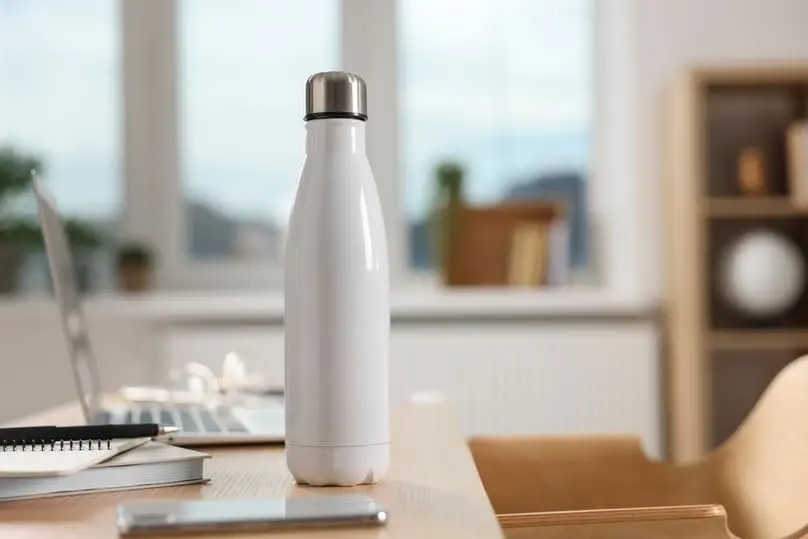
Reusable bottles have many advantages, the main one being that they can be used for a long time. However, when you rinse your bottle, what about the straw or the rubber seal under the lid? Residue in those narrow spaces can leave an unpleasant smell even when the inside looks clean. Knowing how to clean a water bottle means giving those parts some attention, too.
But don’t worry: this guide will walk you through washing the bottle, removing buildup, and drying every piece properly. When everyday cleaning is only part of your to-do list, Yorleny’s house cleaning services can help you keep up with the rest of your home.
How Do You Clean a Water Bottle Properly?
Start with routine washing; use a stronger method only when needed and approved for your bottle.
- Remove the lid, straw, and seal if they are designed to come apart.
- Wash the bottle and parts with warm water and mild dish soap.
- Brush the interior, straw, lid threads, and gasket groove.
- Rinse thoroughly with clean water.
- Let every part dry completely before reassembling.
Important Note: Follow the manufacturer’s care instructions for removable parts, cleaners, and dishwasher use. Never mix bleach with vinegar, ammonia, or another cleaning product.
How to Remove Mold from the Rubber Seal on a Water Bottle
To remove mold from a water bottle rubber seal, gently disassemble the bottle, remove the seal if safe, wash with soap, gently scrub the grooves with a toothbrush, rinse thoroughly, and let every part dry completely before reassembling.
Stop using the affected part while visible growth remains. If you cannot clean it thoroughly, or if it is damaged, replace it with a compatible part.
Professional Tips
- Rinse Thoroughly: Rinse each piece with clean water to remove soap and loosened residue.
- Dry Completely: Mold thrives in dark, damp settings. Allow the seal and the remainder of the dismantled bottle to air-dry thoroughly before reassembling.
Why You Should Clean Your Water Bottle Regularly
Reusable water bottles have become a daily essential for many people. They are practical, economical, and environmentally friendly. However, it is essential to know how to clean bottles properly, as repeated use and storage of water can lead to the growth of bacteria and unpleasant odors.
Residue and Buildup in Reusable Bottles
Bacteria can also grow on your bottle. Your mouth contains many microbes, which can transfer to the bottle and form a biofilm, a thin layer of clumped germs.
The appearance or smell of a bottle cannot tell you exactly which microbes are present or whether they will make you ill. Wash it regularly with the right cleaner, and do not continue drinking from it when you see growth or residue that has not been removed.
Drinks containing sugar or other nutrients leave additional residue, so wash the bottle after each use rather than simply refilling it.
Signs your bottle needs a deep clean
When you discover visible mold, an unpleasant odor or flavor, or a slimy residue inside a water bottle, it’s time to learn how to clean a water bottle thoroughly. Inspect the lid, straw, and seal as well as the bottle itself. A lingering smell or stain alone does not identify its cause.
Different Types of Bottles Need Different Cleaning Approaches
Different bottle types necessitate distinct cleaning methods due to differences in material, design, and intended usage. Check the material and the manufacturer’s instructions before choosing a cleaner or putting parts in the dishwasher.
Plastic vs. stainless steel vs. glass
Glass bottles often have narrow openings, which can make them difficult to clean, but it is still possible. Using a bottle brush along with some dish soap can simplify the process.
Plastic bottles can harbor bacteria, especially in the cap, so it’s important to clean them regularly, ideally after each use. Pay special attention to the cap and use a small brush to remove any dirt. Start with warm water and mild dish soap, and avoid abrasive tools that could scratch the plastic.
Metal and stainless steel bottles are durable and effective at retaining temperature, but they can also harbor bacteria. To clean them thoroughly, use a specialized brush with warm water and mild dish soap. Always remember to dry the bottle completely before reassembling.
Reusable bottles with straws, lids, and rubber seals
If you want to master how to clean a water bottle with multiple parts like straws, lids, and rubber seals, the best method is to disassemble and clean each component separately. For the main bottle, use warm, soapy water and a bottle brush, while for the straw, use a straw brush.
Wash removable lids and seals with soap and water, giving special attention to crevices. Rinse everything well and let it dry completely before reassembling.
Water Bottle Cleaning Methods Comparison Guide
| Method | When to use it | What to check |
| Dish soap and warm water | Routine washing of the bottle and removable parts | Use soft brushes and rinse well |
| Baking soda or vinegar, separately | Odors or deposits when recommended for the model | Follow the manufacturer’s amounts and contact time; neither replaces washing |
| Dishwasher | For parts specifically marked dishwasher-safe | Bottle and lid instructions may differ |
| Replacement part | Damage or contamination you cannot remove | Use a compatible seal, straw, or lid |
Step-by-Step Guide: How to Clean a Water Bottle
Learning how to clean a water bottle starts with developing a daily habit.
Step 1: Disassemble the Bottle
Remove the straw from the lid.
Remove the gasket (the silicone ring or rubber seal) that seals the lid. Only remove parts designed to come apart, following the manufacturer’s instructions. Avoid knives or forcing a tight seal.
Step 2: Wash the Bottle
After each use, rinse the bottle and cap with water to remove fresh residue. Apply a few drops of mild soap to the inside of the bottle, add warm water, and scrub with a bottle brush, making sure to clean all areas, including the cap.
Step 3: Clean the Straw, Lid, and Gasket
- Prepare warm water with a little mild dish soap.
- Straw: Insert a straw cleaning brush, move it up and down, and rinse thoroughly with water.
- Gasket: Gently wash it by rubbing with your fingers or a very soft toothbrush.
- Lid: Use a soft sponge or small brush to clean the threads and valves.
Clean the gasket channel as well as the seal itself; residue can remain beneath the ring.
Step 4: Rinse Thoroughly
Rinse every part with clean water until the soap is removed. Flush the straw and check lid grooves and valves for trapped residue.
Step 5: Dry Before Reassembling
- Let all parts air dry completely on a rack.
- It is essential not to store the bottle closed and damp, as this encourages mold and mildew growth.
For better handling of the brushes in hard-to-reach places, such as the inside of the mouthpiece or the straw, the use of a specialized cleaning set is recommended.
Deep Cleaning for Odors and Deposits
Baking Soda or Vinegar
Wash with soap and water first. If the manufacturer recommends baking soda for odors or white vinegar for deposits, follow its quantities, dilution, and soaking time for your model. Use the methods separately, rinse thoroughly, and allow the bottle to dry.
Removing odors or mineral buildup is not the same as sanitizing. Do not rely on a vinegar or baking-soda soak as a universal treatment for mold.
Cleaning Tablets
Use only tablets intended for your bottle material, following their dose, contact time, and rinsing instructions. Check whether they are also approved for lids and seals. For example, YETI’s cleaning instructions exclude Rambler caps and lids from treatment with its cleaning tablets.
Dishwasher-safe options
If you’re wondering how to clean a water bottle using the dishwasher, check if your model is dishwasher-safe. Some manufacturers advise against it, especially for personalized bottles, to avoid damage. Check each component separately; metal construction or vacuum insulation alone does not determine dishwasher compatibility.
How Often Should You Clean a Water Bottle?
Knowing how to clean a water bottle regularly is important for hygiene, taste, and longevity. Wash with mild dish soap and water daily when the bottle is in use, and after each use for beverages such as juice, milk, or protein shakes. Rinsing alone does not replace washing.
Clean more thoroughly when ordinary washing leaves residue or odors, following the bottle’s care instructions rather than a fixed weekly disinfection schedule.
- Maintain hygiene: Wash the bottle and its removable parts regularly to remove accumulated residue.
- Ensure a pleasant taste: The accumulation of residue, minerals, and impurities inside the bottle can alter the taste of the water or beverages you pour into it. Regular maintenance ensures optimal flavor preservation.
- Extend its useful life: Regular care also gives you an opportunity to inspect worn seals, damaged lids, and other parts that need replacement.
Mistakes to Avoid When Cleaning Water Bottles
Do not assume a cleaner is safe for every material or that a “natural” product disinfects. Follow the bottle’s care instructions and avoid abrasive tools that damage the finish.
Don’t store your bottles in the freezer
Check the manufacturer’s instructions before freezing a bottle. Freezing liquid expands and can damage an unsuitable container. There are other methods to maintain the temperature of your drinks, such as insulated sleeves or thermal bottles.
Don’t Store Bottles Closed While Damp
Keep the lid off while the bottle and parts dry. Closing a bottle that is already clean and completely dry does not by itself cause mold; trapped moisture is the concern.
When Should You Replace the Rubber Seal Instead of Cleaning It?
Knowing how to clean a water bottle also means knowing when to replace it. When a rubber seal sustains physical damage such as cracking, ripping, or persistent warping, it should be replaced rather than cleaned. Cleaning cannot repair damaged material. If the seal loses its flexibility, becomes permanently flattened, or fails to stop leaks, it has lost its functional integrity.
Replace parts you cannot clean thoroughly. A remaining color mark alone does not prove active mold; contact the manufacturer if you are unsure whether a part can be reused.
Keep Your Water Bottle Clean Between Uses
Wash the bottle and removable parts, rinse well, and let everything dry. Keeping the routine simple makes it easier to repeat.
For help with a broader home reset, Yorleny’s deep cleaning service can address household tasks beyond your bottle-care routine. Confirm the cleaning scope when booking.
FAQs How Do You Clean a Water Bottle
What’s the best way to remove mold from a bottle’s rubber seal?
Remove the seal if it is designed to come apart, wash it and its groove with mild soap and a soft brush, rinse, and dry completely. Do not reuse a part with growth that remains after cleaning; replace it or ask the manufacturer for guidance.
How do I get rid of a bad smell inside the bottle?
Wash the bottle, lid, straw, and seal before trying an odor-removal method. If the smell persists, follow a manufacturer-approved treatment and rinse as directed. Don’t forget to inspect the gasket channel for trapped residue.
Is it safe to clean my bottle with bleach?
While bleach can sanitize bottles, it is not compatible with every bottle or seal. Some manufacturers prohibit it. Only use it if both the bottle instructions and the cleaner label permit that food-contact use, following the specified dilution, contact time, and rinsing requirements. Never mix it with vinegar, ammonia, or other cleaners.

Reviewed by:
Tony Loeffler is the Co-Founder of Yorleny's Cleaning Service and a leader in residential cleaning services. As a content reviewer and writer, he is an expert around the cleaning services in Florida, specifically West Palm Beach County.
Recent Articles
How to Clean Before Fall Guests Arrive: Quick Tips for Busy Hosts
Welcoming friends and family into your home for the autumn holidays can be a rewarding experience. However, figuring out exactly how to…

The Benefits of Property Management Cleaning Services for Florida Hosts
As a landlord, you run a business where tenants are customers and rental units are assets, meaning you must maintain your property…

How to Clean Concrete Floors Without Damaging the Surface
Polished concrete is known for being durable, low-maintenance, and attractive. However, “low-maintenance” does not mean “no maintenance.” Knowing how to clean concrete…
See below to check if our top-quality house cleaning services are available in your city and book your first appointment with just a few clicks.