

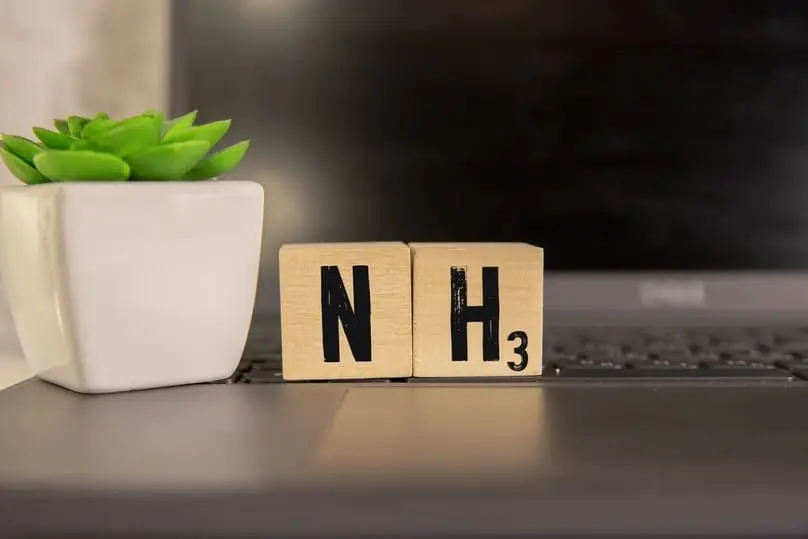
Ammonia and cleaning go hand in hand when it comes to tackling tough grease and grime in West Palm Beach homes. Ammonia is a powerful degreaser and cleaner, ideal for glass, tiles, and kitchens. It is very effective at removing grease, grime, and odors.
Ammonia, also known as ammonium hydroxide, is a chemical compound made up of nitrogen and hydrogen. It is widely used in ammonia cleaning products and other strong cleaning products due to its disinfectant and deodorizing properties. However, its handling and use require certain precautions due to its chemical nature.
In this article, YCS will explore how to use ammonia safely at home and in commercial settings, how to properly store it, the risks involved, and tips for getting the most out of it without compromising your health.
What Is Ammonia Used for in Cleaning?
Ammonia is ideal for deep degreasing, removing organic stains, and neutralizing odors. However, it should always be diluted in water and used in well-ventilated areas, as its fumes are irritating.
When Can It Be Used?
- Kitchens: Excellent for dissolving stubborn grease in range hoods, ovens, and tiles.
- Bathrooms: Very effective for cleaning ceramics and removing mold or soap scum.
- Upholstery and carpets: Useful for removing tough organic stains (urine, vomit, blood) or neutralizing pet odors.
- Metals: Diluted in warm water, it restores the shine to copper, bronze, or brass objects.
- Glass: Mixed with plenty of water, it leaves windows spotless without any greasy residue.
When Should It Be Avoided?
- Forbidden mixtures: NEVER mix it with bleach, as this combination produces highly toxic and lethal chloramine gas. Also, do not combine it with ammonia, vinegar, hydrogen peroxide, or any other acid.
- Delicate surfaces: Do not use it on marble, granite, or natural stone, as it will discolor them and dull their shine. Wood: Avoid using it on varnished, lacquered, or untreated wood, as it can ruin the finish.
- Sensitive metals: Do not use it on unanodized aluminum because it could corrode it.
- Fragile fabrics: Avoid using it on silks, fine wools, or fabrics with dyes that do not tolerate alkaline products.
How Can You Safely and Effectively Use Ammonia for Household Cleaning?
Essential Safety Precautions When Cleaning With Ammonia
Ammonia is a powerful chemical that must be used with caution when working with cleaners with ammonia. Follow these recommendations to avoid risks:
- Ventilation: Use ammonia in well-ventilated areas to prevent the accumulation of fumes.
- Personal protection: Wear rubber gloves and, if necessary, safety glasses to prevent skin or eye irritation.
- Proper dilution: Never use pure ammonia directly on surfaces; always dilute it according to the manufacturer’s instructions.
- Avoid dangerous mixtures: As mentioned, never mix ammonia with bleach. This combination produces chloramine, a toxic gas that can cause serious respiratory damage.
- In case of an accident: If you come into contact with ammonia, rinse immediately with plenty of water. If you inhale a large amount, seek fresh air and consult a doctor.
Best Surfaces and Techniques for Ammonia-Based Cleaners
Ammonia-based cleaners are incredibly efficient, affordable, and adaptable substances that are mostly used to remove oil and grime from hard surfaces and produce streak-free results.
While ammonia and cleaning solutions are highly effective, they require careful handling because of their strong odor and alkalinity. They perform best on inorganic filth including cooking oils, fingerprints, and soap scum.
Top Surfaces for Cleaners Based on Ammonia
- Glass and Mirrors: Ammonia is perfect for giving windows, mirrors, and crystal a streak-free sheen because it evaporates fast.
- Kitchen Surfaces: Great for getting rid of tough, baked-on grease from oven interiors, range hoods, and stovetops.
- Floors: Non-porous floors are perfect for linoleum, vinyl, ceramic tile, and porcelain tile.
- Bathroom Fixtures: Good at removing soap residue off sinks, chrome faucets, and shower doors.
- Jewelry: When cleaning gold, silver, and diamonds, a mild solution works well (avoid on permeable gemstones).
- Stovetop Grates: When utilized in conjunction with the “sealed bag” technique, they are incredibly successful at dissolving burnt-on grease.
Why Ammonia Is Popular in Household Cleaning
Benefits of Ammonia-Based Cleaners
Ammonia and cleaning solutions excel at removing grease and stains, thanks to their degreasing action and ability to dissolve tough residues. It works by breaking down the bonds of grease molecules, thus eliminating sticky residues on surfaces such as stovetops, ovens, and other areas prone to grease buildup.
Ammonia’s stain-removing power stems from its chemical action as a solvent. It can treat stubborn stains on various types of fabrics, such as carpets and upholstery, where food and beverage spills are common. On clothing and fabrics, ammonia can help remove grease, oil, and even blood stains.
Types of Ammonia Products Available Locally
Local businesses carry ammonia products in large quantities, mostly in the cleaning section of supermarkets, home improvement stores, and bargain stores like Dollar Tree. Typically offered in 64 oz (2-quart) or 1-gallon bottles, common varieties include clear, sudsy, and lemon-scented liquid ammonia.
For those seeking safer alternatives, ammonia free cleaning products are also available and can be a good option for households sensitive to strong odors or chemicals.
Understanding Ammonia Cleaning Products
Ammonia vs. Ammonia-Free Cleaners
Cleaners Based on Ammonia
- Advantages: Quickly evaporates, leaving a streak-free gloss; very good at cutting through oil and grime, which makes ammonia and cleaning solutions highly effective for tough jobs.
- Cons: Headaches, eye stinging, and respiratory irritation are all brought on by the strong, strong smell.
- Risks: Corrosive, which can harm plastics, fragile surfaces, and specialty colors. Toxic gas is produced when bleach is mixed, making ammonia and cleaning practices something that must be handled with care.
Advantages of Ammonia-Free Cleaners:
- Pros: safer for users and indoor air quality. These cleansers are safe to use on gadgets, granite countertops, and tinted automobile windows, offering alternatives to traditional ammonia and cleaning
- Cons: Compared to the quick evaporation of ammonia, it could take more wiping to get a completely streak-free surface.
- Ideal For: Tinted surfaces, houses with children or pets, and daily cleaning.
Strong vs. Mild Ammonia Formulations
Depending on how bad the dirt is, ammonia formulas range from moderate household solutions (5–10% concentration) to strong industrial solutions (up to 25% or more), which highlights how ammonia and cleaning applications vary widely.
Strong Ammonia Formulations
- Best for: Industrial cleaning, heavy-duty degreasing, removing baked-on grease in ovens, and cleaning badly contaminated industrial equipment.
- Characteristics: High concentration (10% to 25%+), necessitating extensive dilution (e.g., 1:5 to 1:10 with water) for safe use.
- Risks: Extremely high concentrations of noxious vapors that are hazardous and irritating to the respiratory system, skin, and eyes.
- Usage: Commonly used in commercial settings or in specialized, heavy-duty cleaner solutions where ammonia and cleaning power is required.
Mild Ammonia Formulations.
- Ideal: For routine household cleaning, such as cleaning mirrors, windows, porcelain, and stainless steel.
- Characteristics: Typically found in common home “clear” or “sudsy” ammonia solutions, which are often marketed pre-diluted (5-10%).
- Usage: When diluted further, this product is generally suitable for daily use on hard surfaces (for glass, 1 part ammonia to 50-100 parts water).
Safety Tips for Using Ammonia
Proper Ventilation and Protective Gear
Ammonia can irritate the eyes and respiratory system, so it’s essential to work in a well-ventilated area. Open windows or use a fan to ensure adequate air circulation while handling ammonia and cleaning tasks.
What Should You Never Mix with Ammonia?
Avoid mixing ammonia with other products. Never mix it with bleach or other cleaning products containing chlorine. This combination can generate toxic fumes that are dangerous to your health.
Storage and Handling Guidelines
To maintain the effectiveness of ammonia and ensure its safety, it is essential to store it properly:
Storage: Keep ammonia in its original container, tightly closed, in a cool, dry place.
Labeling: Make sure the container is correctly labeled to avoid confusion.
Keep out of reach of children and pets: Keep the product out of the reach of children and animals.
Do not store it with other chemicals: Since mixing ammonia with bleach or other products can release dangerous toxic gases.
Common Misconceptions and Mistakes
Myths About Mixing Ammonia With Bleach or Vinegar
One of the most common ammonia myths is the belief that: “Mixing them creates a more powerful cleaner.”
In actuality, the majority of these combinations either neutralize one another or produce new, non-cleaning compounds.
In the case of mixing bleach and vinegar, ammonia is a base, while vinegar is an acid. When combined ammonia and vinegar, they produce ammonium acetate, a salt that is significantly less potent than either product when used separately.
On the other hand, when mixing bleach with vinegar, although acidity can potentially increase the oxidizing power of bleach, the process mostly creates harmful chlorine gas, rendering the area uninhabitable before any cleaning benefits are achieved.
Recognizing When to Hire Professionals
Finding situations when do-it-yourself cleaning is risky, inefficient, or overpowering is essential to knowing when to employ professional cleaners, especially when working with harsh chemicals like ammonia. When deep cleaning is past due, health conditions prohibit routine cleaning, or specific equipment is needed to handle stains and allergens, professional cleaners are required.
Safe Alternatives for Everyday Home Cleaning
Instead of using ammonia, these natural alternatives can handle 80% of your household cleaning chores safely and effectively:
- Glass, mirrors, and windows: In a spray bottle, combine equal parts distilled white vinegar and water. Vinegar cuts away oil and grime, providing a streak-free sheen when used with microfiber cloths.
- Degreasing and deodorizing: To replace ammonia’s degreasing power in the kitchen, combine warm water, a splash of liquid castile soap, and a few drops of natural grease-cutting agents such as d-limonene or lemon juice.
- Scrubbing and Hard Water Stains: Baking soda (sodium bicarbonate) is a mild, natural scouring agent. To scrub sinks, tubs, and tiles, make a paste with water or use Bon Ami Powder, a certified safe, non-toxic commercial abrasive.
- Disinfecting and bleaching: Instead of harsh chemical disinfectants, use hydrogen peroxide. It naturally disinfects and shines without emitting harmful fumes.
Safe Ammonia Cleaning for Your West Palm Beach Home
Experience the Difference of Professional Cleaning Care
Understanding ammonia and cleaning helps you use this product safely and effectively at home. While it can deliver strong results, improper use may cause damage or safety concerns. Professional guidance ensures better outcomes while protecting your surfaces and indoor environment.
Schedule Your Expert Cleaning Service in West Palm Beach Today
Knowing how to approach ammonia and cleaning is important, but expert services can take your results further. Professional cleaners apply safe techniques and proven methods to achieve a deeper, more consistent clean. This helps maintain a healthier and more polished home.
If you want safe and effective cleaning results, Yorleny’s Cleaning Services is ready to help. Contact us today to enjoy a cleaner, safer, and more comfortable home. Schedule professional cleaning in West Palm Beach today.
FAQs About Ammonia and Cleaning
What is ammonia and why is it so effective?
Ammonia is a chemical compound containing nitrogen and hydrogen. ammonia and cleaning have many advantages due its ability to break down grease, remove tough stains, and neutralize odors. It is a versatile cleaner available in different forms, such as concentrated or diluted solutions, and can be used on a wide variety of surfaces.
Is It Safe to Mix Ammonia With Other Products?
When using ammonia and cleaning, it is not safe to mix ammonia with products like bleach or acids. These combinations can release toxic fumes that are dangerous to your health. Always use ammonia separately and ensure proper ventilation. Following safety guidelines is essential to avoid serious risks.
Which Surfaces Can Safely Be Cleaned With Ammonia?
In ammonia and cleaning, ammonia works well on glass, stainless steel, and certain tile surfaces. It is effective for removing grease and leaving a streak-free finish. However, avoid using it on wood, natural stone, or delicate materials. Always test a small area before applying it widely.
Are There Effective Ammonia-Free Alternatives?
If you prefer to avoid ammonia and cleaning products, there are safe alternatives like vinegar, baking soda, and eco-friendly cleaners. These options can still remove dirt, grease, and odors effectively. They are ideal for homes with kids, pets, or sensitive surfaces. Choosing alternatives reduces exposure to strong chemicals.

Reviewed by:
Tony Loeffler is the Co-Founder of Yorleny's Cleaning Service and a leader in residential cleaning services. As a content reviewer and writer, he is an expert around the cleaning services in Florida, specifically West Palm Beach County.
Recent Articles

How to Clean Before Fall Guests Arrive: Quick Tips for Busy Hosts
Welcoming friends and family into your home for the autumn holidays can be a rewarding experience. However, figuring out exactly how to…

The Benefits of Property Management Cleaning Services for Florida Hosts
As a landlord, you run a business where tenants are customers and rental units are assets, meaning you must maintain your property…
How to Clean Concrete Floors Without Damaging the Surface
Polished concrete is known for being durable, low-maintenance, and attractive. However, “low-maintenance” does not mean “no maintenance.” Knowing how to clean concrete…
See below to check if our top-quality house cleaning services are available in your city and book your first appointment with just a few clicks.