

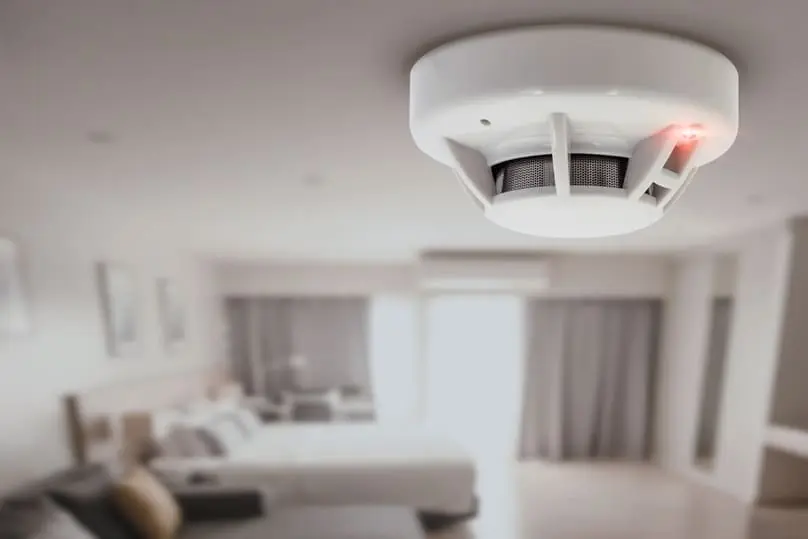
We’ve all been there: a careless moment in the kitchen, and suddenly a burnt pan fills the air. If you’re wondering how to get smoke smell out of house, you know the odor can be extremely bothersome because it lingers and often permeates walls, furniture, and fabrics. Whether from cooking mishaps or tobacco use, getting rid of this stubborn smell takes the right methods and a bit of patience.
When exposed to smoke—or when smokers visit—you’ve likely noticed that the odor has clung to fabrics, upholstery, and even the air itself. The good news is that there are effective ways to get rid of smoke smell in your house so you can restore a fresh, clean scent to your Florida home. This guide from YCS explains where to start.
What Is the Best Way to Get Smoke Smell Out of a House?
The most effective method for removing smoke odors from a home is a multi-step approach:
- Identify and remove the source when it is safe to do so.
- Ventilate with clean outdoor air.
- Clean affected walls, ceilings, and hard surfaces.
- Wash or clean smoke-exposed fabrics and furniture according to their care instructions.
- Replace compatible HVAC filters and use air filtration when needed.
- Request professional evaluation for structural fire damage, extensive contamination, or persistent HVAC odors.
Important Note: Treat cooking, cigarette, wildfire, and fire-damage smoke differently. Stay out of fire-damaged homes until cleared by local authorities. During wildfires, keep windows closed. See Red Cross home fire recovery guidance and EPA wildfire air quality guidance. Smoke particles are small and can travel deep into fabrics, walls, and vents.
Why Does Smoke Smell Linger in Your Home?
The smell of smoke lingers because microscopic particles stick to surfaces like walls, ceilings, and fabrics, and can even be trapped in your ventilation system, making it essential to know how to get smoke smell out of house effectively.
Smoke—whether from fires or tobacco—travels through gaps, vents, and porous materials. Cigarette smell usually cannot be removed from a room instantly without addressing the source and cleaning affected surfaces. Residue from tobacco, often called thirdhand smoke, can remain on surfaces and furnishings.
Identify the Smoke Source Before Cleaning
Cooking (especially frying or grilling), fireplaces, and cigarette smoke are common sources. Smoke particles are small enough to penetrate deeply into materials, making them difficult to remove without targeted cleaning.
| Smoke source | Recommended first step | When deeper cleaning is needed | What to avoid |
| Cooking smoke | Remove the burnt food when safe, use the range hood, and ventilate with clean outdoor air. | Clean nearby walls, cabinets, fabrics, and filters if greasy residue or odor remains. | Do not rely only on fragrance to cover the odor. |
| Cigarette or tobacco smoke | Stop the indoor source, ventilate, and clean affected surfaces and textiles. | Repeated indoor smoking can leave residue on walls, furniture, carpets, and HVAC components. | Do not expect an air freshener or purifier alone to remove surface residue. |
| Wildfire smoke | Follow local air-quality guidance, limit outdoor smoke entry, and use compatible filtration. | Evaluate indoor surfaces and the HVAC system if particles or odor remain after outdoor conditions improve. | Do not open windows while outdoor air is smoky or unhealthy. |
| Structural fire or heavy smoke damage | Enter only after the property has been declared safe. | Soot, damaged materials, extensive odor, or possible HVAC contamination require professional evaluation. | Do not treat heavy fire residue as a routine household-cleaning job. |
Smoke from wildfires and structural fires differs in composition and origin, so it requires a different response. Wildfire smoke contains fine particles that can irritate the respiratory system. Structural fire smoke can also involve soot and residue from burned household materials, making cleanup more complex.
Ventilate and Remove the Smoke Source
To speed up results when learning how to get smoke smell out of house, open windows and doors in multiple rooms to create airflow. Use fans to push stale air outside, and turn on the kitchen hood for added ventilation.
This approach is appropriate when the outdoor air is clean and there is no active fire or other safety hazard. Remove burnt food, extinguished ashes, cigarette butts, and other odor sources once they are cool and safe to handle. During wildfire smoke events, follow local air-quality guidance and keep outdoor smoke from entering the home.
Using Air Purifiers and Deodorizers
Air purifiers with a HEPA filter can reduce airborne particles, while filters with activated carbon may help with some gases and odors. However, portable air cleaners and HVAC filters cannot remove all pollutants or clean smoke residue from walls, furniture, and fabrics. Choose a unit sized for the room, follow its maintenance instructions, and avoid air cleaners that intentionally produce ozone. The EPA’s guide to air cleaners in the home explains these limitations.
What Surfaces Hold Smoke Odor the Most?
Smoke odor is most stubbornly attached to porous materials because microscopic smoke and tar particles become buried in their fibers or structures. Soft furnishings, unpainted wood, and drywall can absorb these particles and release the stale odor over time, making them difficult to clean.
The surfaces that absorb and retain smoke odor most heavily are:
- Soft textiles and fabrics: Couches, drapes, beds, mattresses, carpets, and rugs can absorb smoke particles.
- Drywall and sheetrock: Because drywall is porous and frequently unsealed, smoke residue can penetrate deeply.
- Insulation: Insulation can hold airborne smoke particles and may need professional evaluation or replacement after significant contamination.
- Unfinished wood: The small pores and natural grain of untreated wood can absorb smoke residue.
If these porous materials have been significantly contaminated with tobacco or fire smoke, comprehensive cleaning or replacement may be necessary.
How to Clean Smoke Smell from Specific Items and Areas
Walls, Ceilings, Windows, and Hard Surfaces
Wipe washable walls, ceilings, windows, and other hard surfaces with a cleaning solution that is appropriate for the finish. Test a small, inconspicuous area first and follow the product and surface manufacturer’s instructions. For light cooking residue, mild soap and water may be sufficient. Tobacco residue or soot may require repeated cleaning or professional evaluation.
Do not paint over visible residue before cleaning the surface. If odor remains after the surface is clean and dry, an odor-blocking primer may be considered according to the manufacturer’s directions.
Upholstery, Furniture, Curtains, and Carpets
To remove smoke odors from upholstery, curtains, and carpets, you can use a combination of ventilation, baking soda, white vinegar, and professional cleaning if necessary. Ventilation helps remove stale air, while baking soda may reduce odors. If the smell persists, consider professional cleaning.
If you need to know how to get smoke smell out of furniture, begin with the care label. Wash removable curtains, cushions, and sofa covers only when the material permits it. For hard-to-wash items, test baking soda on a hidden area before applying it, avoid oversaturating upholstery, and vacuum the material thoroughly afterward. Delicate, non-colorfast, or heavily contaminated items may need a qualified upholstery or carpet cleaner.
For additional household-cleaning options, review this guide to natural cleaning products and the precautions for cleaning with vinegar.
Air Ducts, AC Units, and Vents
For smoke odors near air ducts, air-conditioning units, and vents, start by replacing the HVAC filter with one that is compatible with your system and cleaning accessible registers and vent covers. Do not open or clean internal HVAC components unless you are trained to do so.
If the odor returns whenever the system runs, ask a qualified HVAC professional to evaluate the equipment and ductwork. The EPA does not recommend routine air-duct cleaning; it recommends considering it as needed based on specific conditions. See the EPA’s guidance on when air-duct cleaning may be appropriate.
What Absorbs Cigarette Smoke Smell?
Containers of baking soda or activated charcoal may help reduce some cigarette odors in a small area, but they cannot remove smoke residue from walls, furniture, carpets, or HVAC components. Activated carbon is porous and can trap some odor-causing gases, but its effectiveness depends on the amount of carbon, airflow, exposure time, and the level of contamination.
Bowls of white vinegar may change or reduce a noticeable odor, but they should not be presented as a complete solution. Clean the source and affected materials instead of relying on any absorber to eliminate all smoke odor.
Why Ozone Generators Are Not a General Household Solution
Do not use ozone generators as a general household deodorizer or operate one in an occupied space. The EPA identifies ozone as a lung irritant and states that no federal agency has approved these devices for use in occupied spaces. At concentrations that meet public-health standards, ozone has little effect on most indoor contaminants. If a contractor proposes ozone or a sealant, ask for the safety protocol, the reason it is needed, and suitable alternatives. Read the EPA’s guidance on ozone generators sold as air cleaners.
How to Prevent Smoke Odors from Returning
To keep smoke odors from returning, prioritize thorough cleaning, ventilation, and odor absorption measures. Clean affected surfaces, use HEPA-filtered air purifiers when appropriate, and consider odor-absorbing items such as baking soda or activated charcoal as supporting measures. In addition, treat the source of the smoke and take precautionary actions to avoid future odor problems.
Regular Cleaning Routines
- Wipe down affected walls, ceilings, windows, and furniture with a cleaning solution appropriate for each surface.
- Care for soft furnishings by washing or dry-cleaning curtains, linens, and other washable items according to their care labels. Consider professional cleaning for upholstered furniture and carpeting.
- Thoroughly clean carpets and rugs and replace them if significant contamination cannot be removed.
- Replace HVAC filters as needed and use a filter that is compatible with the system.
Humidity and Mold Considerations in Florida Homes
To keep a Florida home from developing additional odors, control excess moisture and address mold separately. High humidity can make a home feel stale and can support mold when moisture problems exist. Correct leaks, improve ventilation where appropriate, and address visible mold instead of assuming every lingering odor comes from smoke.
Odor Prevention Strategies for Long-Term Freshness
- Keep smoking outside and away from doors, windows, and air intakes.
- Make sure cigarette butts and ashes are completely extinguished and disposed of safely.
- Clean surfaces regularly, wash soft furnishings, and maintain airflow when the outdoor air is clean.
- Use the range hood while cooking and clean grease filters according to the manufacturer’s instructions.
- After cleaning smoke residue, follow the manufacturer’s directions if an odor-blocking primer is needed before repainting.
When Smoke Smell Needs Professional Evaluation
Signs DIY Isn’t Enough
If you’ve tried different tips on how to get smoke smell out of house but still notice lingering odors, it may be time to bring in the appropriate professional. Persistent odors, visible soot or discoloration, damaged porous materials, or an odor that returns when the HVAC system runs can indicate contamination beyond routine cleaning. A deep-cleaning checklist may help identify missed household surfaces, but it does not replace fire-restoration or HVAC evaluation.
After a structural fire, contact a qualified fire-damage restoration provider once the building has been declared safe. For suspected HVAC contamination, contact a qualified HVAC professional. Delicate furniture, rugs, and upholstery may require a cleaner experienced with those specific materials.
Yorleny’s Cleaning Service offers general house and deep-cleaning services in South Florida. Contact us to describe the condition of the home and confirm whether the requested cleaning falls within the company’s service scope. Do not assume that standard house cleaning includes structural fire restoration, HVAC decontamination, ozone treatment, or smoke-damage remediation.
Frequently Asked Questions (FAQs)
What Is the Best Way to Get Smoke Smell Out of a House Naturally?
Start by removing the source and ventilating with clean outdoor air. Wash or wipe affected materials according to their care instructions. Baking soda or activated charcoal may help reduce some remaining odor, but neither can remove all residue or replace surface cleaning.
How Do I Remove Cigarette Smell from My Furniture and Carpet?
Baking soda or activated charcoal may help reduce cigarette smoke odor from furniture and carpet. Test baking soda on a hidden area, allow it to sit, and vacuum thoroughly. Do not spray vinegar or another liquid onto upholstery or carpet unless the manufacturer permits it and the material passes a patch test.
Wash removable covers according to their care labels. For more ways to reduce household odors, focus on removing the source rather than masking it. If the odor persists or the material is delicate, consider a qualified furniture or carpet cleaner.
Can Air Purifiers Completely Eliminate Smoke Odors?
No. Air purifiers can reduce airborne smoke particles, and models with sufficient activated carbon may reduce some gases and odors. They cannot remove residue that has saturated furniture, carpet, walls, or other surfaces, so filtration works best as one part of a broader cleaning process.
Can Cigarette Smell Be Removed from a Room Instantly?
Usually not. Removing the source and ventilating with clean outdoor air can produce a quick improvement. However, cigarette odor absorbed by walls, furniture, carpets, curtains, and HVAC components normally requires additional cleaning.
How Do You Get Fire Smoke Smell Out of a House?
For a minor cooking incident with no fire damage, remove the source, ventilate when the outdoor air is clean, and clean affected surfaces and fabrics. After a structural fire or heavy smoke exposure, wait until the property is declared safe and request professional evaluation for soot, damaged materials, and HVAC contamination. Do not use ozone as a general household solution.
How Do You Get Cooking Smoke Smell Out of a House?
Remove the burnt food when it is safe to do so, maximize ventilation with open windows and fans when the outdoor air is clean, and use the range hood. Then clean greasy residue from nearby counters, cabinets, walls, floors, and the hood filter with products appropriate for each surface. Wash affected fabrics if the odor remains.

Reviewed by:
Tony Loeffler is the Co-Founder of Yorleny's Cleaning Service and a leader in residential cleaning services. As a content reviewer and writer, he is an expert around the cleaning services in Florida, specifically West Palm Beach County.
Recent Articles

How to Clean Before Fall Guests Arrive: Quick Tips for Busy Hosts
Welcoming friends and family into your home for the autumn holidays can be a rewarding experience. However, figuring out exactly how to…

The Benefits of Property Management Cleaning Services for Florida Hosts
As a landlord, you run a business where tenants are customers and rental units are assets, meaning you must maintain your property…
How to Clean Concrete Floors Without Damaging the Surface
Polished concrete is known for being durable, low-maintenance, and attractive. However, “low-maintenance” does not mean “no maintenance.” Knowing how to clean concrete…
See below to check if our top-quality house cleaning services are available in your city and book your first appointment with just a few clicks.