

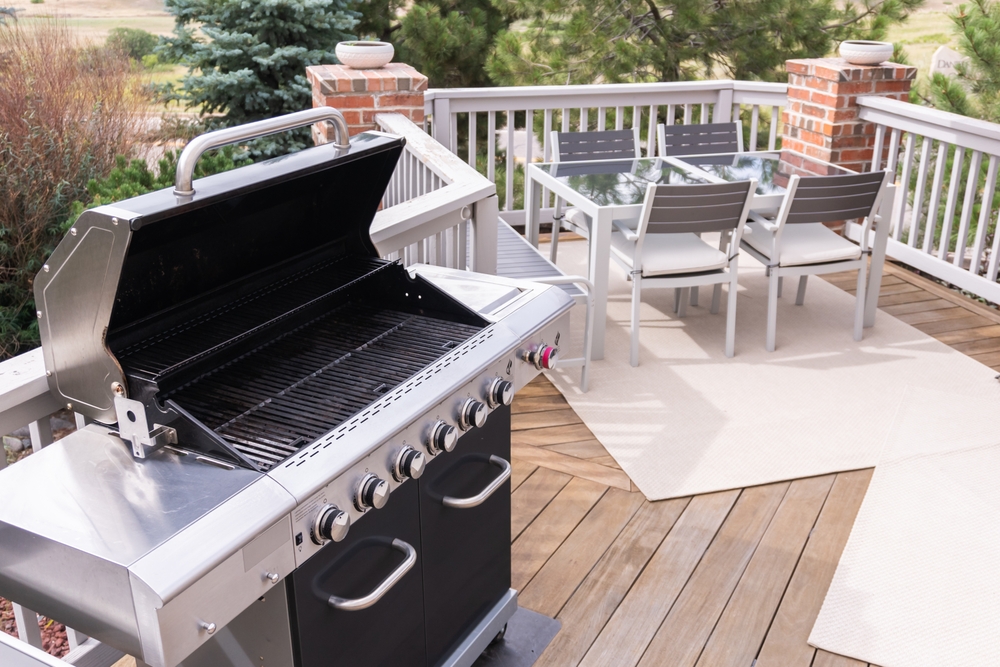
A grill can look ready for the next cookout while grease is collecting in the tray, carbon is clinging to the grates, and moisture is starting to affect exposed metal. If you only scrape the cooking surface, smoke, sticking food, and flare-ups may return the next time you light it. Learning how to clean a grill means treating each component according to its material, not applying one aggressive method everywhere.
The process is manageable once you separate routine grate care from a deeper clean of the cookbox, grease system, and exterior. This guide covers gas, propane, charcoal, and seasoned flat-top surfaces. If the grill is part of a larger outdoor-kitchen cleanup, Yorleny’s customized deep cleaning service lists outdoor kitchen cleaning as a special request; confirm the grill itself and other appliance-specific work when requesting a quote.
How to Clean a Grill: Quick Steps
- Check the owner’s manual and identify the grate and cooktop materials.
- Use heat only for the manufacturer-approved burn-off step; then turn off the grill and let it cool to a safe cleaning temperature.
- Shut off and disconnect the gas supply when the manual instructs you to do so, or confirm that charcoal and ash are completely cold.
- Remove and clean the grates with a surface-compatible, preferably bristle-free tool.
- Scrape loose residue from the cookbox and clean the grease tray or ash catcher.
- Clean burner ports only as directed by the manufacturer, keeping water away from burner tubes and ignition parts.
- Wash and dry the exterior with a cleaner approved for its finish.
- Reassemble the grill, inspect it, and protect it with a fitted cover after it is fully cool and dry.
Important Note: The U.S. Consumer Product Safety Commission (CPSC) recalled about 3.2 million Weber metal wire grill brushes in 2026 because loose bristles could remain on the grill or food. Prefer a manufacturer-approved bristle-free tool. If you use a wire brush, check it for damage and inspect the entire grate before cooking, as advised by the United States Department of Agriculture (USDA).
Why Proper Grill Cleaning Matters
Grease and burnt food residue negatively impact taste by creating smoke, bitter flavors, and a rancid aftertaste.
Residue in the cookbox and grease tray can also contribute to flare-ups. The National Fire Protection Association (NFPA) recommends removing grease or fat buildup from the grill and the trays below it. Cleaning also gives you an opportunity to spot corrosion, damaged grates, blocked burner ports, or an overflowing grease cup before the next cookout.
The goal is not to make every internal surface look new. It is to remove loose carbon, accumulated grease, ash, and food debris without damaging coatings, burner parts, or seasoning. A brief cleanup after cooking reduces the work required during the next deep-cleaning session.
Tools and Supplies for Grill Cleaning
Knowing how to clean a grill starts with choosing tools after checking the manual because porcelain-coated, stainless-steel, cast-iron, and seasoned-steel surfaces do not tolerate the same level of abrasion. A basic kit may include:
- Heat-resistant gloves for a manufacturer-approved warm-grate step and waterproof cleaning gloves for the cool deep clean
- A bristle-free grill brush, wood scraper, nylon brush, or non-scratch pad compatible with the surface
- A plastic scraper for loose grease inside the cookbox
- Warm water, mild dish soap, and a manufacturer-approved grill degreaser when needed
- Microfiber cloths, sponges, paper towels, and a bucket
- A grill cover and, only when the manual recommends it, a suitable cooking oil for cast iron or seasoned steel
Wood scrapers are also great because they gradually form a custom shape that fits your grill.
A cleaning supplies list explains what common clothes, brushes, gloves, and cleaners are designed to do, and is helpful for assembling a practical household kit. Keep grill-only tools separate from items used elsewhere in the home.
Match the Method to the Surface
| Surface | Safer general approach | Avoid unless the manual allows it |
| Porcelain-coated grates | Cool the grates and use a non-scratch pad or approved soft tool. | Metal scrapers, steel wool, and chipped coatings. |
| Stainless-steel grates | Use an approved bristle-free tool or non-scratch scrubber, then rinse and dry. | Chlorine bleach and tools that scratch the finish. |
| Bare cast iron | Clean by hand, dry promptly, and apply a light coat of oil if the manufacturer recommends it. | Dishwashers, long soaking, and leaving the surface wet. |
| Seasoned steel griddle | Scrape, use a small amount of hot water on the warm surface, dry, and re-oil. | Oven cleaner and methods that strip the seasoning. |
How to Clean a Gas or Propane Grill Step by Step
This sequence shows how to clean a grill powered by gas or propane without treating the burner system like an ordinary washable surface. The owner’s manual remains the controlling instruction for removal, cleaning, leak checks, and reassembly.
1. Read the Manual and Prepare the Area
Move combustible items away from the grill, place a container nearby for greasy debris, and check how the manufacturer says to remove grates, heat deflectors, and grease trays. Do not clean a grill in an enclosed space, and never work on gas components while the grill is operating.
2. Loosen Residue, Then Shut Down the Grill
Some manufacturers recommend a short high-heat burn-off to loosen food residue. Follow the time and temperature in your manual instead of assuming every grill should run on maximum heat. When the burn-off is complete, turn off every burner, close the fuel valve, and let the grill reach the temperature required for the next step. Disconnect the cylinder only according to the instructions for your model.
3. Remove and Clean the Grill Grates
Remove the cool grates and brush or scrape away loose residue with a compatible bristle-free tool. For washable grates, use warm soapy water or an approved grate cleaner, scrub both sides, rinse away cleaning residue, and dry completely. Avoid soaking cast iron or damaged porcelain-coated grates unless the manufacturer specifically permits it.
4. Clean the Cookbox, Heat Deflectors, and Grease Tray
Lift out removable heat deflectors or flavorizer bars as directed. Use a plastic scraper to move loose debris into a removable bottom tray, then empty the grease cup or drip pan. Wash only the components identified as washable. For stubborn grease on compatible household surfaces outside the grill, it is helpful to understand grease-cleaning principles, since they explain why dwell time and surface compatibility matter.
5. Inspect the Burner Area Without Flooding It
Check the burner ports for visible blockage and follow the manual for brushing direction and burner removal. Do not push debris deeper into the ports, insert objects that can enlarge the openings, or spray water into burner tubes or ignition components. Weber’s official cleaning instructions likewise caution against splashing water onto burner tubes. If a burner is corroded, cracked, or producing an irregular flame after approved cleaning, stop using the grill and arrange qualified service.
6. Clean the Exterior and Reassemble
Use mild soapy water or a cleaner made for the exterior finish. Wipe stainless steel in the direction of the grain and dry the surface with a microfiber cloth. Reinstall only fully dry parts and make sure each component sits in its original position. Do not wrap burners in aluminum foil: it can obstruct airflow and is not a substitute for manufacturer-approved maintenance.
Use a grill cover to protect it from sunlight, moisture, and corrosion.
How to Clean a Charcoal Grill
For charcoal owners, how to clean a grill depends first on safe ash handling. Let the grill, charcoal, and ash cool completely before opening the ash catcher or disposing of anything. Remove the grates, then place fully extinguished ash and charcoal remnants in a suitable noncombustible container according to local disposal guidance. Ash left in the bowl can hold moisture, so emptying it also helps limit corrosion.
Scrape loose deposits from the lid and bowl without damaging the finish. Wash compatible grates with warm soapy water, rinse them, and dry them thoroughly. Wipe the exterior with a nonabrasive sponge and a cleaner suitable for its coating. Reassemble the grill only when every washed part is dry.
How to Clean a Blackstone Griddle or Seasoned Flat Top
When the question is how to clean a grill with a flat cooking surface, the seasoning changes the answer. A seasoned steel griddle needs a different routine from removable grill grates. Blackstone’s current care instructions recommend letting the griddle cool somewhat after cooking, scraping the surface, wiping it with a paper towel, and using hot water on stuck-on food while the cooking surface is still warm.
- Set the griddle’s temperature to medium-high.
- Gather your supplies: oil, water, paper towels, and a scraper while it heats up.
- All food scraps and residue should be pushed to the back or into the grease management system using the scraper.
- To help lift stubborn food particles, add a tiny amount of water to the hot griddle to create steam.
- Continue moving the residue and soiled water to the back of the griddle with the scraper.
After the surface is clean, remove the dirty water, wipe the griddle dry, and apply a thin, even layer of manufacturer-approved oil. Blackstone advises avoiding soap on a griddle that has already been cooked on because ordinary after-use care should preserve the seasoning. Instructions vary for new griddles, damaged seasoning, and other flat-top brands, so use the manual for your exact model.
Maintaining Your Grill Between Uses
Knowing how to clean a grill between uses keeps routine care short: remove loose residue from the grates with a compatible tool, check the grease cup or ash catcher, and wipe spills once the grill reaches a safe temperature. A burn-off can loosen residue when the manufacturer recommends it, but it does not replace cleaning the grease tray, cookbox, burner area, or exterior.
Before a seasonal cookout, inspect the grill for insects, corrosion, damaged hoses, loose fittings, or blocked ports. For a broader outdoor reset, a summer cleaning checklist connects grill care with patio, deck, furniture, and exterior maintenance.
In humid South Florida and coastal areas, let the grill dry fully before covering it. Trapped moisture can work against the protection the cover is supposed to provide. Keep the appliance outdoors in its approved operating and storage location, and follow the manufacturer’s propane-storage instructions.
Common Grill-Cleaning Mistakes
Using One Cleaner on Every Material
If you are unsure how to clean a grill made from several materials, do not default to the strongest product. Avoid chlorine bleach, oven cleaner, and aggressive degreasers unless the grill manufacturer explicitly approves the product for the exact component. A cleaner that works on an uncoated steel part may damage porcelain, paint, aluminum, stainless steel, or a seasoned griddle. “Natural” does not automatically mean surface-safe, either.
Mixing Vinegar and Baking Soda as a Universal Fix
Vinegar is acidic and baking soda is alkaline; mixing them causes a reaction that reduces much of their individual cleaning action. More importantly, acid and abrasives are not appropriate for every grate or coating. Use either product only when the manual permits it, test an inconspicuous area, rinse food-contact surfaces thoroughly, and dry them.
Scrubbing With a Damaged Wire Brush
Loose bristles can remain on a grate and transfer to food. Choose a bristle-free alternative when possible. If you already own a metal-bristle tool, compare its brand and model against current CPSC grill-brush recalls, discard a recalled or damaged brush, and inspect the grate before cooking.
Washing or Wrapping Gas Components Incorrectly
Flooding burner tubes, ignition parts, valves, or hoses can create performance and safety problems. Wrapping burners in foil can interfere with airflow. Clean these parts only as the owner’s manual directs and leave repair or gas-system disassembly to a qualified technician.
When Professional Help Makes Sense
Stop the do-it-yourself (DIY) process if you smell gas, find a damaged hose or valve, see extensive corrosion, or cannot restore a normal flame pattern using the manufacturer’s approved steps. Cleaning should never be used to disguise a component that needs repair or replacement.
If the issue is heavy grease rather than a mechanical fault, compare the scope carefully before hiring help. A professional deep cleaning service helps to understand doubts about disassembly, materials, burner care, and included components.
Keep the Grill Ready for the Next Florida Cookout
The best way to clean a grill is to combine a short after-use routine with a material-specific deep clean. Treat the grates, grease system, burners, charcoal bowl, and seasoned cooktop as different components, and let the owner’s manual resolve any conflict with general advice. That approach removes the buildup that matters without creating avoidable damage.
Yorleny’s Cleaning Service serves Palm Beach County, Broward County, Saint Lucie County, Martin County, and surrounding South Florida communities. If you need help preparing the surrounding home or outdoor kitchen for guests, contact the team to confirm the cleaning scope, special-request availability, and whether grill-specific work can be accommodated.
FAQs About Grill Cleaning
How Often Should I Clean My Grill?
Once you know how to clean a grill safely, match the frequency to its use. Remove loose food residue and check the grease or ash collector after each use. Schedule a deeper clean when buildup appears, before extended storage, and at the interval specified by the manufacturer. Frequency depends on how often you cook, what you cook, the grill design, and exposure to weather; a universal “once or twice a year” rule does not fit every grill.
Can I Use Vinegar or Baking Soda Safely?
Sometimes, but not on every surface. Check the owner’s manual before using either one. Vinegar may affect some metals or finishes, while baking soda can act as an abrasive. Do not assume that combining them creates a stronger degreaser, and always rinse an approved treatment from food-contact surfaces.
Can I Deep-Clean a Grill While It Is Hot?
No. Heat may be useful for an approved burn-off or warm-surface scrape, but deep cleaning, component removal, washing, and grease-tray work should wait until the grill reaches the safe temperature specified by the manufacturer. Shut off the fuel source before working inside a gas grill.
Should I Oil Grill Grates After Cleaning?
It depends on the material. Bare cast iron and seasoned steel may benefit from a thin coat of suitable oil, but porcelain-coated or stainless-steel grates may have different instructions. Apply oil only after checking the manual, and never spray aerosol oil toward an open flame.
Can I Pressure-Wash a Gas Grill?
Do not pressure-wash a gas grill unless its manufacturer explicitly provides a procedure for that model. Pressurized water can reach burner tubes, igniters, valves, and spaces that are difficult to dry. Manual cleaning offers more control around gas components and coated surfaces.
What Is the Quickest Way to Clean a Blackstone Griddle After Cooking?
Let it cool slightly, scrape residue toward the grease system, use a small amount of hot water on stubborn food while the surface is warm, wipe it dry, and finish with a thin coat of approved oil. Follow Blackstone’s care instructions for seasoning problems, rust, or a new griddle.

Reviewed by:
Tony Loeffler is the Co-Founder of Yorleny's Cleaning Service and a leader in residential cleaning services. As a content reviewer and writer, he is an expert around the cleaning services in Florida, specifically West Palm Beach County.
Recent Articles

How to Clean Before Fall Guests Arrive: Quick Tips for Busy Hosts
Welcoming friends and family into your home for the autumn holidays can be a rewarding experience. However, figuring out exactly how to…

The Benefits of Property Management Cleaning Services for Florida Hosts
As a landlord, you run a business where tenants are customers and rental units are assets, meaning you must maintain your property…

How to Clean Concrete Floors Without Damaging the Surface
Polished concrete is known for being durable, low-maintenance, and attractive. However, “low-maintenance” does not mean “no maintenance.” Knowing how to clean concrete…
See below to check if our top-quality house cleaning services are available in your city and book your first appointment with just a few clicks.