

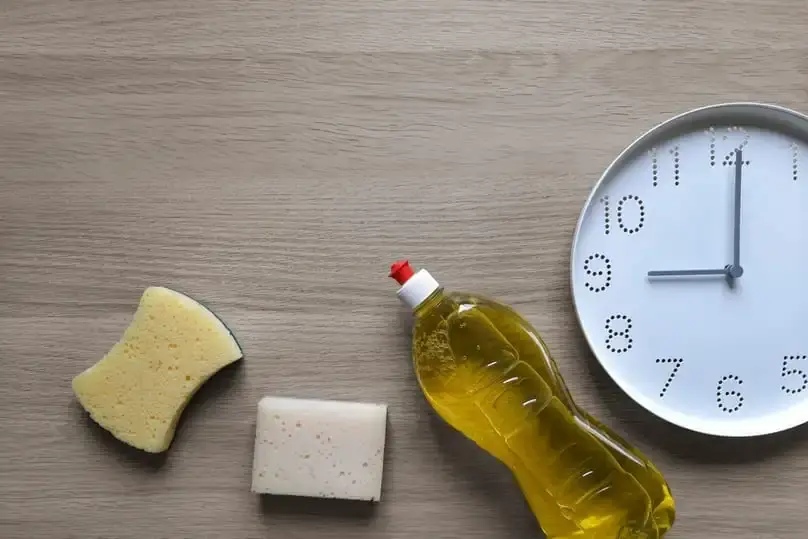
Cleaning an entire house can take longer than expected when you move between rooms without a clear order, stop to search for supplies, or mop before you finish dusting. Efficient house cleaning depends less on rushing and more on avoiding repeated steps.
The following method explains how to prepare the space, choose between cleaning by task or by room, and finish each surface in a practical sequence. If recurring upkeep no longer fits your schedule, professional house cleaning services can handle the routine work while you decide which areas need priority.
The Most Efficient Way to Clean a House
The most efficient way to clean a house is to remove clutter first, prepare the products each surface requires, work from top to bottom, and leave the floors until the end. When cleaning the whole home in one session, grouping similar tasks can also reduce trips and tool changes.
Quick steps:
- Gather the tools and surface-compatible products you need.
- Collect trash, dishes, laundry, and misplaced items.
- Pretreat approved kitchen and bathroom surfaces that need contact time.
- Dust and wipe from top to bottom and from one side of the room to the other.
- Complete similar tasks together or finish one room before moving on.
- Vacuum, sweep, and mop the floors last, working toward the exit.
Important note: This sequence prevents falling dust or displaced items from affecting an area you already cleaned. It also gives every task a clear starting and stopping point.
6 Efficient House Cleaning Tips
These six tips turn the general order into a repeatable method. Adjust the products, tools, and amount of detail to the surfaces in your home and the time available.
1. Gather and Check Your Supplies
To begin your efficient house cleaning routine, gather all your supplies in one place. Keep them in a portable caddy or basket so everything is within reach as you move through the house.
A practical working set may include:
- Microfiber cloths
- A duster with an extension handle
- Non-scratch sponges or brushes
- A vacuum with suitable attachments
- A broom and dustpan
- A mop approved for the floor finish
- Surface-compatible cleaners
- Trash bags and reusable gloves
Use the product label and the surface manufacturer’s instructions to determine where a cleaner is safe. The American Cleaning Institute’s fast and efficient cleaning guidance also recommends preparing the tools in advance and reading product directions before beginning. For a more complete inventory, match the products in your cleaning supplies list to the materials in your home.
2. Remove Clutter, Trash, and Laundry First
Cleaning around loose objects slows the process and leaves parts of a surface untouched. Before applying a product, collect dishes, discard trash, place laundry in a hamper, and clear the floors and countertops.
Carry an extra basket to collect misplaced items and return them later. This simple system saves steps and keeps your cleaning flow consistent.
Avoid stopping in every room to organize drawers or closets. Unless organization is the goal of the session, place those items in the basket and finish the cleaning pass first.
3. Pretreat the Kitchen and Bathroom
Kitchen grease, soap residue, and toilet-bowl buildup may require a product to remain on the surface for the time stated on its label. Apply only a compatible product, allow the specified contact time, and complete another dry task while it works.
Do not use one formula automatically on every countertop, cabinet, fixture, or floor. Natural stone, coated appliances, sealed wood, tile, and acrylic surfaces can require different care. Never mix cleaning products or transfer them into an unlabeled container.
4. Work From Top to Bottom and Left to Right
Begin with ceiling fans, vents, high shelves, and the tops of furniture. Continue downward to tables, counters, baseboards, and low fixtures. Within each level, move consistently from one side of the room to the other so you can see what has already been completed.
Dry tasks should generally come before wet tasks. Dusting first allows the vacuum to collect particles that fall, while saving mopping for last prevents footprints and loose debris from returning to a wet floor.
5. Choose One Cleaning Pattern and Follow It
One of the 6 ways to clean a house efficiently is to go room by room. This method helps you stay organized and motivated by seeing visible progress.
However, a task-by-task pattern may be faster when you plan to clean the entire home without interruptions. For example, declutter every room, dust every room, wipe compatible surfaces, and then vacuum all floors in one pass. The best choice depends on the scope of the cleaning and how much uninterrupted time you have.
6. Finish With the Floors
Vacuum carpets and rugs with the appropriate setting. On hard floors, vacuum or sweep away loose grit before using a compatible mop and floor cleaner. Start in the farthest corner and work toward the doorway so you do not walk across the finished area.
A vacuum is not automatically preferable to a broom on every surface. Use the tool and attachments approved for the installed flooring, especially on finishes that can scratch or react to excess moisture.
Should You Clean Room by Room or Task by Task?
Both systems can support efficient house cleaning, but they solve different problems. Choose one before you begin instead of switching methods halfway through the session.
| Method | Best For | How to Use It |
|---|---|---|
| Task by task | A routine whole-house clean | Declutter every room, dust throughout the home, wipe surfaces, and finish all floors together. |
| Room by room | Detailed cleaning or a day with interruptions | Complete one room from top to bottom before moving to the next. |
| Priority zones | Limited time or unexpected visitors | Focus on the entryway, living room, kitchen, bathroom, and other visible high-use areas. |
Whichever method you choose, use the same order within each room: clear the area, complete high and dry surfaces, address lower and wet surfaces, and finish with the floor. A room-by-room cleaning checklist can help when the home needs a more detailed reset.
How to Clean a House Quickly Based on the Time Available
When time is limited, efficient house cleaning means reducing the scope instead of rushing every task. A timed session works best as a maintenance reset for a reasonably tidy home—not as a substitute for deep cleaning. Decide where you will stop before you begin, then use the same top-to-bottom order within the areas you choose.
| Time Available | Prioritize | Leave for Another Session |
|---|---|---|
| 15 minutes | Collect trash and clutter, clear the entryway and living room, wipe one visible compatible surface, and spot-vacuum the busiest area. | Bedrooms, mopping, appliance interiors, and detailed scrubbing. |
| 30 minutes | Add the kitchen counters and sink, the guest bathroom, and a quick vacuum of the main traffic paths. | Baseboards, cabinet interiors, windows, and low-priority rooms. |
| 60 minutes | Follow the complete sequence in the kitchen, main bathroom, living room, and as many bedrooms as the home’s condition allows; finish selected floors last. | Heavy buildup, extensive organization, and other deep-cleaning projects. |
These are planning frameworks, not guaranteed completion times. The size, layout, number of occupants, amount of clutter, and current condition of the home determine how much you can complete. If a task remains unfinished when the timer ends, record it for the next session rather than skipping product directions or using an unsafe shortcut.
How to Apply the Method in Each Room
Kitchen and Bathroom
Remove towels, trash, dishes, and countertop items before cleaning. Pretreat compatible surfaces when the label requires contact time, then work from higher fixtures and mirrors down to counters, sinks, the toilet, and the floor.
Cleaning and disinfecting are not interchangeable. Routine cleaning removes dirt and many germs, while disinfection may be appropriate in situations such as illness or contamination. The Centers for Disease Control and Prevention’s guidance on cleaning and disinfecting a home recommends cleaning visibly dirty surfaces first and using a disinfectant only when needed.
Living Room and Bedrooms
Your living and sleeping spaces define comfort. Dust furniture, vacuum floors, and keep surfaces clear.
In bedrooms, sort dirty clothes, refold clean ones, and make the bed. Dust shelves, lamps, headboards, and other elevated surfaces before vacuuming the mattress perimeter, carpet, or hard floor. Leave the inside of drawers and closets for a separate organizing or deep-cleaning session.
Patios and Entry Areas
Patios do not need to be part of every indoor cleaning session. However, South Florida homes may benefit from checking covered outdoor areas and entryways for leaves, tracked-in grit, or moisture as needed. Sweep loose debris before wiping compatible furniture or washing an approved surface.
Creating an Efficient House Cleaning Routine
To create an efficient house cleaning routine, establish small daily tasks such as making the bed and wiping down surfaces. Assign bigger tasks to specific days of the week, like cleaning the kitchen or bathrooms.
Use brief daily resets for dishes, clutter, spills, and food waste. Reserve dusting, bathroom cleaning, vacuuming, and mopping for a recurring session based on household traffic, pets, surfaces, and other needs. Monthly or seasonal time can cover less frequent areas such as blinds, baseboards, appliance interiors, and storage spaces.
Instead of reproducing a complete calendar here, use a house cleaning schedule to distribute daily, weekly, and monthly tasks without changing the efficient order used during each session.
Households balancing employment, childcare, and recurring chores can adapt these frequencies through a cleaning schedule for working moms built around short daily resets and a flexible weekly rotation.
How to Clean Your House Faster Without Missing Details
Efficient house cleaning works best when the scope is clear. Decide whether the goal is routine maintenance, a guest-ready reset, or a detailed clean before starting. Trying to complete all three at once creates extra work and makes it harder to finish.
Use these habits to protect both speed and consistency:
- Write a short task list and identify the rooms that matter most.
- Set a reasonable limit for each area, then move unfinished detail work to another session.
- Keep the caddy, trash bag, and basket for misplaced items with you.
- Complete one pass before changing tools or cleaning methods.
- Address fresh spills promptly with a product approved for the surface.
- Separate routine cleaning from the tasks in a deep cleaning checklist.
These adjustments improve home cleaning efficiency without promising an unrealistic cleaning time. The size, condition, layout, and number of occupants in the home will always affect how long the work takes.
Once the complete cleaning session is finished, simple habits for maintaining a clean house can prevent clutter and everyday residue from rebuilding between scheduled cleanings.
When to Hire a Professional Maid Service in Palm Beach County
Even with the best cleaning habits, there comes a time when professional help is the smartest choice. Recurring time constraints, a large backlog of routine work, mobility limitations, or a home that needs more detail than one session allows can make outside help practical.
Yorleny’s Cleaning Service provides recurring and one-time house cleaning in Wellington, Palm Beach County, and nearby South Florida communities. If you would like help defining the rooms and tasks that need attention, contact us to discuss the appropriate cleaning option for your home.
FAQs About Efficient House Cleaning
What is the most efficient order to clean a house?
Start by gathering supplies and removing clutter. Pretreat compatible kitchen or bathroom surfaces when necessary, then dust and wipe from top to bottom. Vacuum, sweep, and mop the floors last so falling debris does not force you to clean them again.
Should I clean one room at a time or complete one task throughout the house?
Clean by task when you have uninterrupted time for a routine whole-house session. A room-by-room method can be easier for detailed work or when you may need to stop before finishing. Both approaches should follow a top-to-bottom order and leave floors until the end.
How can I clean my house faster without overlooking important areas?
Define the scope before starting, use a short checklist, carry the necessary supplies, and focus on high-use areas first. Avoid adding closet organization, appliance interiors, or other deep-cleaning projects to a routine session unless they are part of the original plan.
Do I need to disinfect every surface during routine cleaning?
No. Cleaning with soap, detergent, or an appropriate household cleaner is usually sufficient for routine care. Disinfection may be appropriate when someone is sick, a surface has been contaminated, or the product’s labeled use matches a specific need. Clean the surface first and follow the disinfectant label exactly.
How often should I follow this cleaning method?
The frequency depends on household traffic, children, pets, cooking habits, allergies, and the materials in the home. Use small maintenance tasks between recurring cleaning sessions and schedule deeper work separately when buildup becomes visible.

Reviewed by:
Tony Loeffler is the Co-Founder of Yorleny's Cleaning Service and a leader in residential cleaning services. As a content reviewer and writer, he is an expert around the cleaning services in Florida, specifically West Palm Beach County.
Recent Articles
How to Get Rid of Green Mold and Algae on Your House Exterior
As the weather improves, it is common to notice that terraces, patios, and garden surfaces have completely changed in appearance. That discoloration…
Why Is My Shower Turning Orange? Causes and Solutions
It is never pleasant to see orange stains in a bathtub or shower. Finding them can lead to headaches and disgust, but…

How to Prepare for Maid Service: A Stress-Free Guide for Homeowners
Wondering how to prepare for maid service without feeling awkward or disorganized? Hiring a cleaning service is a great way for busy…
See below to check if our top-quality house cleaning services are available in your city and book your first appointment with just a few clicks.