

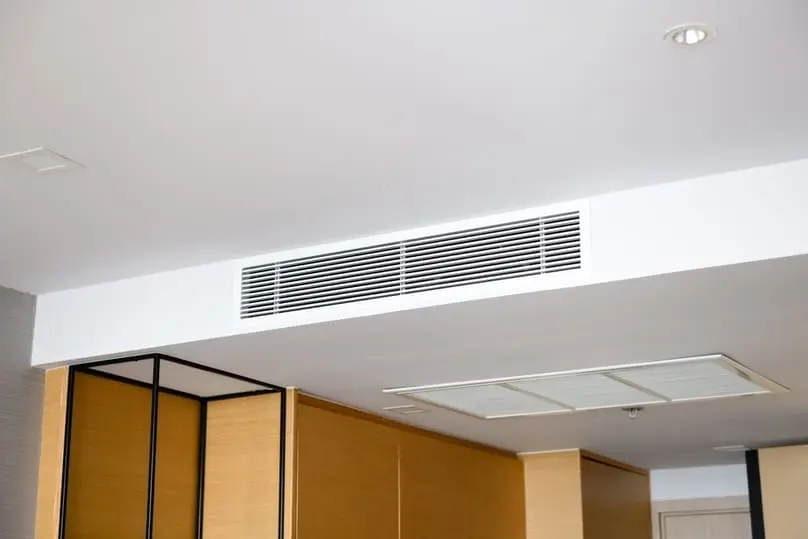
When dust appears around a vent or an odor comes from the air conditioner, it is natural to assume the ducts need a deep clean. But cleaning internal ductwork is not a routine solution for every dusty home, and using the wrong tools can damage flexible ducts, insulation, or components from the heating, ventilation, and air conditioning system (HVAC).
The right air duct cleaning methods depend on what is actually inside the system and whether there is a clear reason to clean it. This guide compares negative pressure and brush-based methods, explains the safe homeowner tasks, and helps you recognize when an HVAC professional should inspect the system. For dust on accessible surfaces throughout the home, Yorleny’s cleaning service can support a broader cleaning routine.
Air Duct Cleaning Methods: Quick Steps
Start by separating the visible parts you can maintain from the ductwork that requires an informed inspection.
- Check the filter, registers, and vent covers for visible dust or damage.
- Clean accessible covers and registers without reaching into internal ductwork.
- Look for specific reasons to investigate further, such as pest evidence, substantial debris, or suspected mold.
- Ask a qualified HVAC provider to inspect the system before agreeing to internal duct cleaning.
- Request the proposed method, areas included, and any limitations in writing.
- Correct moisture, pests, or construction-dust sources so the issue does not return.
Important Note: The Environmental Protection Agency (EPA) does not recommend routine duct cleaning. It may be worth considering when there is substantial visible mold, vermin infestation, or excessive dust and debris released into the home.
What Are the Most Effective Air Duct Cleaning Techniques?
There is no single “best” method for every system. A complete professional approach generally combines source removal with controlled agitation: equipment loosens debris while a collection system captures it. The provider should choose tools that suit the duct material, access points, and condition of the HVAC system.
Overview of Professional Air Duct Cleaning Methods
The most common air duct cleaning techniques are negative-pressure collection, mechanical brushing, and contact vacuuming. They are often used together rather than as competing standalone services.
| Method | How it works | Best use | Key limitation |
| Negative-pressure collection | A contained vacuum system draws loosened debris toward a collection unit. | Systems with accessible duct runs and debris that needs controlled removal. | The result depends on access, containment, and compatible agitation tools. |
| Rotary brush or air-whip agitation | A tool loosens material from duct surfaces while collection equipment removes it. | When a provider determines that debris is adhered to accessible duct surfaces. | Incorrect tools or force can damage fragile, lined, or flexible ducts. |
| Contact vacuuming | A technician vacuums accessible components and duct sections with suitable attachments. | Registers, grilles, and reachable areas. | It cannot reach every part of a complex duct system. |
Important Note: Avoid providers who promise that one method will cure allergies, eliminate every indoor-air issue, or work identically in every home.
Residential and Commercial Systems Need Different Scopes
Residential systems vary widely in duct material, access, insulation, and equipment. Commercial systems can add larger runs, different access requirements, and building-management procedures. In either setting, a provider should inspect the system and explain which components can be reached before quoting a cleaning method.
What a Professional Duct Cleaning Visit May Include
Initial Inspection and System Evaluation
A qualified provider should begin by identifying the duct material, accessible components, signs of moisture or pests, and the reason cleaning is being considered. If a provider says a substance is mold, ask to see the affected area; appearance alone does not confirm what the material is.
Equipment Setup and Protection
The provider should protect nearby areas, establish appropriate containment, and explain which HVAC components they plan to access. They should also choose cleaning equipment that matches the system, since flexible ducts, internally insulated ducts, and older components may require additional caution.
Cleaning and Final Review
After cleaning, ask the provider what they completed, which areas they could not access, and whether they found a separate issue such as a leak, wet insulation, or pest entry point. The provider should not treat cleaning as a substitute for fixing those underlying problems.
Negative Pressure vs. Rotary Brush Systems
How Negative-Pressure Air Duct Cleaning Works
Negative-pressure air duct cleaning uses a collection unit to create controlled suction while a technician loosens debris within the reachable duct sections. It can be part of a source-removal process when the equipment is properly contained and used with a method suited to the system.
When Rotary Brushes May Be Used
Rotary brushes can help dislodge material from certain accessible duct surfaces. They are not automatically appropriate for every home: the provider should confirm that the brush, hose, and pressure will not harm flexible ducts, duct liners, seals, or other components.
Choosing Between Methods
The inspection should determine the method, not a generic sales package. Ask the provider why a technique is suitable for your duct material, how debris will be captured, and what precautions they will take around the HVAC equipment.
Best Way to Clean AC Vents and Air Ducts at Home
What Homeowners Can Clean Safely
Homeowners can usually remove and wash compatible vent covers, vacuum loose dust from registers, and replace filters according to the HVAC manufacturer’s instructions. These surface-level tasks are different from cleaning inside the duct system. Cleaning vents in your house help to maintain accessible supply and return vents without treating them as a substitute for internal duct cleaning.
What to Leave to an HVAC Professional
Do not insert brushes, hoses, chemicals, or pressure-washing tools into ductwork. Internal components, coils, drain lines, electrical connections, and inaccessible ducts require knowledge of the specific HVAC system. If you suspect moisture, mold, pests, or heavy debris after a remodel, arrange an appropriate inspection.
After renovation work, controlling dust before it spreads is equally important. Practical construction dust-control measures can help limit what reaches vents, filters, and occupied rooms.
When Do Air Ducts Actually Need Cleaning?
The EPA suggests considering air-duct cleaning when there is substantial visible mold growth in hard-surface ducts or HVAC components, a vermin infestation, or excessive dust and debris being released from supply registers. Routine cleaning is not recommended simply because dust exists in a home.
Signs That Merit Further Investigation
- Substantial visible growth inside hard-surface ductwork or on HVAC components.
- Droppings, nesting material, insects, or evidence of rodents in the duct system.
- Excessive dust or debris visibly released from supply registers.
- Construction work that left duct openings exposed to significant dust or debris.
- A persistent odor that remains after obvious sources, filters, and accessible vent covers have been checked.
Important Note: Mold-cleaning and moisture-control requires special care. The moisture source must be corrected first, and wet or moldy duct insulation may need replacement rather than cleaning.
Humidity, Filters, and Ongoing Maintenance
Duct cleaning does not replace basic HVAC maintenance. Follow the manufacturer’s filter schedule, keep registers unobstructed, and address condensation, leaks, and drainage problems promptly. In humid Florida homes, monitoring indoor moisture can help identify conditions that support mold growth.
Choosing a Provider for Air Duct Cleaning Methods
Before agreeing to service, ask what the inspection found, which components the provider will clean, the equipment being used, and whether the quoted work includes access, containment, and cleanup. Be cautious with unsupported health claims, pressure to clean immediately, or a quote that does not identify the system components involved.
Yorleny’s Cleaning Service can help maintain the visible dust and grime around a home as part of a broader cleaning appointment. Internal air-duct cleaning is a specialized HVAC service, so homeowners should confirm the provider’s qualifications and the exact scope before booking.
Contact Yorleny’s Cleaning Service to discuss home cleaning support in South Florida.
FAQs About Air Duct Cleaning Methods
What Is the Best Air Duct Cleaning Method?
The best air duct cleaning method depends on the duct material, access, and the reason for cleaning. Negative-pressure collection combined with suitable agitation tools is one common professional approach, but the provider should inspect the system before choosing a method.
Can I Clean My Air Ducts Myself?
You can clean vent covers, registers, and other accessible surfaces. However, do not try to clean internal ductwork with improvised brushes, chemicals, or high-pressure equipment, as these can damage the system or spread debris.
How Often Should Air Ducts Be Cleaned?
There is no universal schedule. The EPA does not recommend routine duct cleaning; consider it when there is substantial visible mold, vermin infestation, or excessive dust and debris released into the home.
Is Negative-Pressure Duct Cleaning Safe for Older Ducts?
It can be appropriate when a qualified provider inspects the system and selects compatible equipment. Older, flexible, lined, or damaged ducts may need additional precautions, repair, or a different solution.

Reviewed by:
Tony Loeffler is the Co-Founder of Yorleny's Cleaning Service and a leader in residential cleaning services. As a content reviewer and writer, he is an expert around the cleaning services in Florida, specifically West Palm Beach County.
Recent Articles

How to Clean Seasonal Decorations and Holiday Decor Safely
The holiday season is the perfect time to decorate our homes with lights, ornaments, and magical touches. However, before reusing decorations that…

How to Clean Up Glitter From Floors, Carpet, and Furniture
Glitter is a frustrating holiday mess, clinging to fabrics and sticking via static electricity. Knowing how to clean up glitter quickly prevents…

How to Get Food Coloring Off Skin, Clothes, Carpet, and Counters
If you or your children are dyeing Easter eggs or getting creative with crafts, it is very likely that some of the…
See below to check if our top-quality house cleaning services are available in your city and book your first appointment with just a few clicks.