

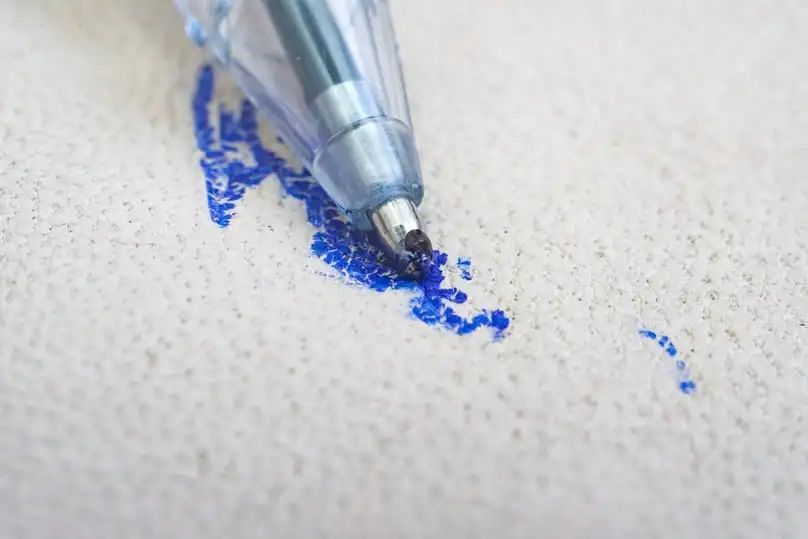
I’m sure it’s happened to you before: a pen leaks in a pocket, leaves a mark on a shirt, or slips across a fabric sofa. Learning how to remove ink from fabric can feel risky because rubbing, using the wrong solvent, or drying the item too soon can spread the stain or make it harder to remove.
The safest approach is to identify the fabric, check its care instructions, and treat the ink gradually instead of trying several household products at once. This guide explains how to get ink out of fabric, clothes, and upholstery while reducing the risk of damage. For broader home cleaning across South Florida, Yorleny’s professional house cleaning service can help with routine cleaning throughout the home.
How to Remove Ink from Fabric: Quick Steps
To successfully lift ink without ruining your garment, always follow this general sequence:
- Prep and test: Check the care label first, then test your cleaner in a hidden area. Place a clean white towel or paper towels beneath the stain to catch transferred ink.
- Treat and blot: Blot away excess fresh ink. Apply a cleaner that is compatible with the fabric and continue blotting as the ink transfers to the towel.
- Work from the back when practical: For washable garments, treating from the back can help push transferred ink onto the absorbent towel instead of farther through the fabric.
- Wash according to the care label: Rinse or pretreat as directed, then launder the item only when the fabric allows it.
- Check before drying: Air-dry or inspect the fabric before using a tumble dryer. If ink remains, repeat the appropriate treatment before exposing the item to dryer heat.
Important Note: Never mix stain-removal chemicals, and do not assume one solvent is safe for every fabric. Dry-clean-only garments, delicate fibers, and fixed upholstery may need a different method than washable cotton or polyester.
Best Methods to Remove Ink from Fabric
There is no single “best” product for every ink stain. The safest starting method depends on whether the item is washable, the type of ink, and the fabric’s care instructions.
However, when learning how to get ink out of fabric, it’s important to first identify the type of ink causing the stain and the fabric you are treating. The American Cleaning Institute (ACI) recommends testing treatments, using clean paper towels to absorb transferred ink, rinsing thoroughly, and laundering only when appropriate for the fabric.
Rubbing Alcohol for Compatible Washable Fabrics
Isopropyl alcohol can help loosen some ink stains. However, it should be tested first because alcohol can affect dyes and certain fibers.
- Place a clean cloth or paper towels under the stain to prevent transferred ink from reaching another part of the fabric.
- Apply a small amount of rubbing alcohol to a clean white cloth or cotton pad rather than aggressively saturating the fabric.
- Blot the stain and change to a clean part of the towel as ink transfers.
- Rinse thoroughly and wash the garment according to its care label.
Important note: It is important that you perform a test in a discreet area of the garment, as some fabrics can be sensitive to alcohol.
Laundry Pretreatment or Fabric-Safe Stain Remover
For washable clothing, a laundry pretreatment or stain remover labeled as safe for the fabric is often a more predictable option than combining several homemade ingredients. Follow the product directions, allow the recommended contact time, and launder according to the garment’s care label.
The original version of this article recommended a specific Amazon-listed ink remover. That link has been replaced with the ACI stain-removal guidance above so the article relies on an authority source rather than a retail product page.
What About Milk, Vinegar, or Baking Soda?
Milk, vinegar, and baking soda are commonly suggested online for ink, but their effectiveness varies with the ink formula and textile. They should not be presented as universally safe or more effective than a care-label-compatible stain treatment. If you use any household method, test it first and avoid combining it with another cleaner.
How to Remove Different Types of Ink from Fabric
When learning how to remove ink from fabric, it is crucial to recognize that pen and marker formulas are not all the same. Start with the ink type you know, but let the fabric care label determine which treatment is safe.
How to Remove Ballpoint Pen Ink
How to remove pen marks from fabric? Ballpoint ink often responds to a tested alcohol-based treatment on washable, colorfast fabrics, but the method should still be checked against the garment’s care instructions.
- Place the stain face down on clean paper towels when the fabric allows it.
- Blot or apply the compatible treatment from the back so the ink transfers into the towel.
- Replace the paper towels frequently as they pick up pigment.
- Rinse and launder according to the care label, then inspect before drying.
How to Remove Water-Based or Washable Ink
These inks may be easier to pretreat with water and liquid laundry detergent when the fabric is washable. Avoid assuming every gel pen is water-based, since gel and marker formulas vary by manufacturer.
- Blot fresh ink rather than rubbing it.
- Rinse from the back with cool water if the garment permits it.
- Apply liquid laundry detergent or a fabric-safe pretreatment and follow its directions.
- Wash according to the care label and check the stain before drying.
How to Remove Permanent Ink Stains
Permanent ink is designed to resist ordinary washing, so it can require a more targeted treatment.
Sharpie and other permanent-marker stains often need a more specific treatment than ordinary pen ink. The right permanent marker removal process depends on the fabric or surface, so always check the care label and test the method in a hidden area first.
Ink Stain Quick Reference Guide
Use this table as a starting point, then confirm that the treatment is compatible with the fabric.
| Ink Type | Common Examples | Start With |
| Water-based / washable ink | Fountain pens, some washable markers | Cool-water rinse and laundry pretreatment when fabric allows |
| Ballpoint ink | Standard pens | Tested rubbing alcohol or compatible ink pretreatment |
| Gel / felt-tip ink | Gel pens, felt-tip markers | Blot first; use a fabric-safe pretreatment based on care instructions |
| Permanent marker | Sharpie and permanent markers | Targeted marker treatment; avoid expanding this general ink guide into the marker topic |
| Printer / stamp ink | Inkjet cartridges, stamp pads | Blot promptly and use a compatible stain remover |
Important Safety Note: Always check the fabric’s care label and test the treatment in a hidden area first. Blot with a clean white cloth instead of rubbing, and replace the cloth as it collects ink. Avoid mixing products, and check that the stain is gone before machine drying.
Why Different Inks Need Different Treatments
Understanding how to remove ink from fabric depends partly on the ink’s composition. Some formulas are more water-soluble, while ballpoint and permanent inks can contain dyes, pigments, solvents, oils, or resins that behave differently during cleaning.
That is why one recipe should not be presented as universal. The fabric is just as important as the ink: a treatment that is acceptable on a washable cotton shirt may be inappropriate for acetate, wool, silk, or fixed upholstery.
How to Get Ink Off a Sofa and Upholstery
Understanding how to remove ink from a couch requires one additional step: check the upholstery cleaning code before using water, alcohol, or another solvent. A method that is safe for washable clothing is not automatically safe for a sofa cushion.
Getting Ink Off a Fabric Couch
Start with this sequence:
- Blot fresh ink with a clean white cloth without rubbing.
- Locate the sofa’s upholstery care code or manufacturer instructions.
- Test the permitted cleaner in a hidden area.
- Apply the smallest practical amount to a cloth rather than soaking the cushion.
- Blot from the outside of the mark toward the center and keep changing to a clean section of cloth.
- Let the treated area dry completely and check for color or texture changes.
The University of Georgia Cooperative Extension notes that alcohol can damage some fibers and that upholstery treatments should avoid allowing solvent to penetrate deeply into the padding. Its ink stain removal guidance is a useful reminder that fiber type matters.
Ink is only one kind of upholstery stain. A broader sofa stain-cleaning routine should account for the sofa’s fabric code and the type of spill before choosing a cleaner.
Blue or Ballpoint Ink on Upholstery
Do not choose a cleaner based only on the ink color. Blue, black, or red ink can use different formulas, while the upholstery itself may restrict which products can be applied. Follow the sofa’s care code first, then use a compatible stain treatment and blot rather than scrub.
How to Remove Dried Ink from Fabric
If you’re wondering how to remove dried ink from fabric, the stain may need more than one treatment, but dried ink is not a reason to use several chemicals at once.
- Place an absorbent white towel beneath washable fabric when practical.
- Apply a compatible ink pretreatment or tested rubbing alcohol if the fabric allows it.
- Blot as the ink transfers and repeat with clean sections of the towel.
- Rinse and launder according to the care label.
- Inspect the fabric after washing and repeat the treatment if necessary before machine drying.
Some ink stains cannot be fully removed, especially after they have aged, been heat-dried, or affected a delicate textile. Stop if the fabric begins to lose color or change texture.
Common Mistakes When Removing Ink from Fabric
It takes a gentle touch to try to erase ink from fabric without making it worse. The major errors you should steer clear of are:
- Rubbing or scrubbing: Ink can spread as you rub it. Use a clean cloth to blot or dab and keep moving to a fresh section as pigment transfers.
- Skipping the care label: Alcohol, acetone, water, and commercial removers are not compatible with every textile.
- Using several cleaners together: Combining stain-removal products can create unnecessary chemical risks and makes it harder to know which product is affecting the fabric.
- Drying before inspection: Dryer heat can make some remaining stains more difficult to remove. Check the item after washing and repeat treatment if needed before machine drying.
For ordinary household upkeep, a regular cleaning schedule can help keep surfaces and living areas maintained, but ink removal should still be treated as a separate stain-care task.
When to Consider Professional Cleaning Services
Delicate or Expensive Fabrics
Understanding how to remove ink from fabric is helpful for basic washable items, but it can be risky for silk, wool, acetate, vintage textiles, or dry-clean-only garments.
If the care label calls for professional cleaning, or if a hidden-area test shows dye transfer or texture changes, stop the DIY treatment and take the garment to a qualified dry cleaner.
When DIY Methods Don’t Work
Sometimes, a stubborn pen leak sets deeply into the material before you even notice it is there.
Repeated scrubbing or switching between solvents can cause more damage than the original stain. Upholstery that has widespread bleeding, delicate fibers, or a care code that requires professional solvent cleaning is better handled by a qualified upholstery cleaner.
Yorleny’s Cleaning Service focuses on residential cleaning rather than presenting garment dry cleaning or specialty upholstery restoration as part of every house-cleaning visit. For broader home cleaning in South Florida, including areas such as West Palm Beach, Palm Beach Gardens, and Port St. Lucie, contact Yorleny’s Cleaning Services today to discuss the areas of your home that need attention.
FAQs About Removing Ink from Fabric
How Do You Get Ink Out of Fabric Fast?
Act quickly, but do not skip the care label. Blot fresh ink with a clean white cloth, place an absorbent towel beneath washable fabric when practical, and use a compatible stain pretreatment. Avoid rubbing and check the item before drying.
What Is the Best Way to Remove Ink from Fabric?
The best method depends on the ink and the fabric. Washable water-based stains may respond to detergent pretreatment, while some ballpoint stains respond to tested rubbing alcohol. Permanent marker, delicate textiles, and fixed upholstery may require different methods.
Can You Remove Dried Ink from Fabric?
Sometimes. Pretreat the stain with a product compatible with the fabric, blot and rinse as directed, then launder when permitted. Dried or heat-set ink can be more difficult to remove and may require repeated treatment or professional care.
Does Vinegar Remove Ink Stains?
Vinegar is a common household suggestion, but it is not a universal first-line ink remover and should not be assumed safe or effective on every fabric. A care-label-compatible laundry pretreatment, stain remover, or tested solvent is more predictable.
How Do You Remove Ink from a Fabric Couch?
Check the upholstery cleaning code first. Blot the stain, test the permitted cleaner in a hidden area, use minimal product so you do not soak the cushion, and keep changing to a clean section of cloth as the ink transfers.
How Do You Remove Pen Ink from Fabric?
For washable, colorfast fabric, blot the stain, place an absorbent towel underneath, and use a compatible pretreatment or tested rubbing alcohol when the fabric allows it. Rinse, wash according to the care label, and check the mark before drying.

Reviewed by:
Tony Loeffler is the Co-Founder of Yorleny's Cleaning Service and a leader in residential cleaning services. As a content reviewer and writer, he is an expert around the cleaning services in Florida, specifically West Palm Beach County.
Recent Articles

How to Clean Seasonal Decorations and Holiday Decor Safely
The holiday season is the perfect time to decorate our homes with lights, ornaments, and magical touches. However, before reusing decorations that…
How to Clean Up Glitter From Floors, Carpet, and Furniture
Glitter is a frustrating holiday mess, clinging to fabrics and sticking via static electricity. Knowing how to clean up glitter quickly prevents…

How to Get Food Coloring Off Skin, Clothes, Carpet, and Counters
If you or your children are dyeing Easter eggs or getting creative with crafts, it is very likely that some of the…
See below to check if our top-quality house cleaning services are available in your city and book your first appointment with just a few clicks.