

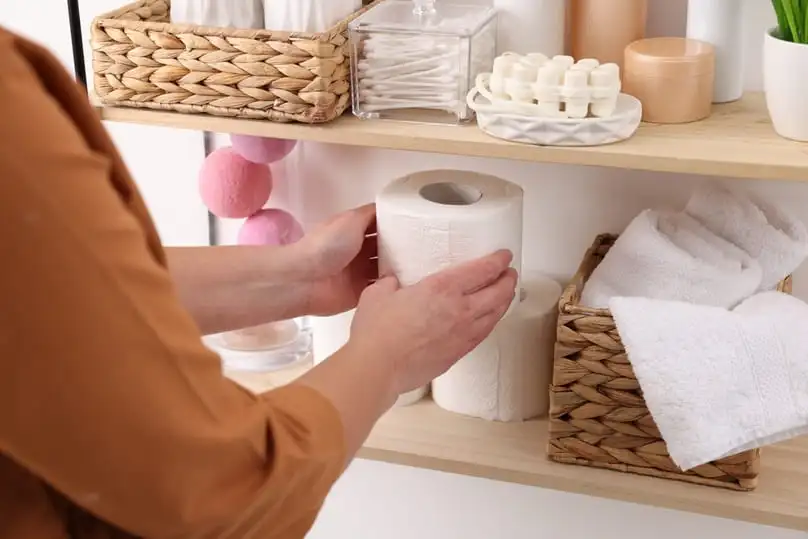
How many times have you struggled with the mop, broom, or even the iron when opening the laundry room? If you’re wondering how to organize cleaning supplies effectively, the first step is recognizing that even the less visible spaces—like your cleaning closet—deserve attention.
Keep usable, partly used products in their original containers, and group cloths by task so they are easy to find. Remember that the space allocated for these cleaning tools and products is finite.
That’s why we’re sharing expert-backed tips to help you organize cleaning supplies smartly and make the most of your space. In this post, you’ll discover practical storage ideas that complement the home-cleaning work of YCS’s professional maids.
How to Organize Cleaning Supplies Step by Step
Start with what you own, then choose storage that fits both your routine and the product labels:
- Take inventory and identify duplicates, damaged containers, and products you no longer need.
- Group supplies by task while keeping incompatible products separate as directed.
- Choose suitable secured storage away from food and inaccessible to children and pets.
- Keep original bottles in bins or a working caddy; use rated hooks for lightweight tools.
- Track quantities and check labels and condition before restocking or arranging disposal.
Before buying organizers or replacement products, review your inventory against our guide to choosing essential cleaning supplies.
Important note: Keep product labels and closures intact. Follow storage and compatibility instructions; never mix cleaning products to save space.
What You’ll Need to Start Organizing
Before buying organizers or replacement products, review your inventory against our guide to choosing essential cleaning supplies.
Cleaning Caddies, Bins, and Containers
To master how to organize cleaning supplies, start with versatile tools like cleaning caddies, clear bins, and labeled containers.
Caddies are ideal for items you use daily, while bins can store larger items and backups. Use bins to group original product bottles; keep their labels and closures intact.
Labels, Markers, and Refill Trackers
No cleaning closet organization is complete without labels and markers. Label shelves and bins by task without covering original product warnings.
Refill trackers are helpful for managing your inventory—use sticky notes or digital alerts to know when you’re running low.
Hooks, Wall Racks, and Cabinet Organizers
These are key tools when figuring out how to organize cleaning supplies closet spaces.
Hooks help keep brooms and dustpans off the floor, wall racks give you vertical storage, and cabinet organizers—like shelf risers or pull-out drawers—help make the most of deep or awkward spaces.
For equipment care between uses, see our guide to maintaining cleaning tools; follow each tool’s care instructions and let reusable items dry before storage.
Safety Tips for Storing Hazardous Cleaners
While focusing on how to organize cleaning supplies, don’t overlook safety—especially with hazardous cleaners. Store them in a cool, dry place, out of reach of children and pets. Follow label-specific storage directions. For use and spill response, follow the product’s protective-equipment and ventilation instructions.
Child-Resistant Cabinets and Locking Bins
Hazardous cleaning products should be stored in locked cabinets or cabinets with child-resistant latches, out of reach of children and pets.
Consider using child-resistant caps, storing things in their original containers with labeling, and educating youngsters about the hazards of these items.
Separate Storage for Pet-Sensitive Items
If you’re mastering how to organize cleaning supplies, include a system for keeping pet-sensitive cleaners stored separately and securely.
Use labeled bins to group the original product containers and choose cupboards or spaces that pets cannot access, regardless of whether a product is marketed as natural or pet-friendly.
Proper Ventilation and Label Visibility
When planning storage, keep labels visible and legible, and follow product-specific ventilation directions. Visible labels help identify products and their instructions in an emergency.
Follow the storage requirements rather than installing an exhaust system by default. Keep closures secured as directed. If a container leaks or gives off unexpected fumes, stop using the area and follow the label’s spill instructions; adding a fan is not a substitute for an appropriate response.
Room-by-Room Storage Solutions
When thinking about how to organize cleaning supplies in different areas of your home, it’s essential to tailor your approach to each room’s layout and storage potential.
- For each room in the house, there are specific storage solutions that can help maintain order and maximize space. In general, it’s important to take advantage of vertical space with shelving, cabinets, and modular solutions.
- Choose a dedicated storage area suited to the product labels and household access needs. Secure, load-rated wall storage can free floor space for lightweight tools; chemical bottles need suitable secured storage. Finally, it’s key to maintain a cleaning and organizing routine to avoid the accumulation of unnecessary items.
Kitchen Cleaning Product Storage Ideas
- To apply how to organize cleaning supplies in the kitchen, consider using shelves or cabinets—making sure they are separated from food and utensils.
- Opt for vertical storage solutions, such as wall shelves or tall cabinets, to maximize space and keep products organized and accessible.
- Use drawers for small tools. Let sponges and cloths dry before storage; keep chemicals in an appropriate secured cabinet, away from food and utensils. Under-sink storage still needs label-compatible conditions and restricted access.
Bathroom Cleaning Supply Organization Tips
- To organize bathroom cleaning supplies effectively, and align with the best tips on how to organize cleaning supplies, group them by type, use containers or boxes to separate them, and maximize vertical space with shelves or rods.
- It’s also important to review expired, damaged, or unnecessary products and establish an organization system that works for you, such as boxes labeled by cleaning area or frequency of use.
- Consider a cleaning caddy for everyday items and separate storage for less frequently used items. Using clear containers and labeling can also help keep everything visible and accessible.
Utility Closet and Laundry Room Setups
One of the most efficient strategies for how to organize cleaning supplies is to use a designated utility closet while separating incompatible products. This way, you’ll avoid having to go through the bathroom, kitchen, and laundry room looking for what you need.
You can customize an IKEA cabinet for this purpose or use a cabinet at home that you have in an indoor location that meets product storage instructions, including temperature and protection from moisture.
Pull-out cabinet organizers are also very useful, as they allow you to see the entire contents at a glance.
Use the cabinet’s height to store larger product bottles upright without overcrowding the shelves.
Small Space Hacks for Organizing Cleaning Supplies
If you’re short on space and still wondering how to organize cleaning supplies efficiently, focus on smart solutions like maximizing vertical storage, using containers and organizers, and grouping products by type. Also, take advantage of the space inside closet doors and use floating shelves whenever possible.
Wall-Mounted and Vertical Storage
Wall-mounted options are lifesavers when you’re learning how to organize cleaning supplies in small areas. Use securely mounted storage for tools; keep chemical bottles in suitable secured storage, separate from food.
Hooks and pegboards can be used to hang cleaning products such as brooms, mops, and dusters on walls or inside cabinet doors. Pegboards are especially useful for organizing various cleaning supplies and can be tailored to your specific needs.
Use door organizers for lightweight tools; bottles need upright, secure storage and hardware rated for their weight.
Door Hangers and Shelf Risers
If you’re still wondering how to organize cleaning supplies when floor space is limited, door hangers and shelf risers are perfect tools. Choose organizers rated for the load; store bottles upright, retain their closures, and restrict access by children and pets.
Use shelf risers to create more usable space on existing shelves, making room for taller or bulkier items while keeping things tidy.
Stackable Bins and Pull-Out Drawers
Another smart way to tackle how to organize cleaning supplies in tight spaces is by using stackable bins and pull-out drawers. A portable cleaning caddy keeps critical items organized and accessible.
Use storage boxes to organize cleaning products, particularly under sinks and in closets. Drawer organizers help you neatly separate smaller items like brushes and sponges.
Lazy Susans in cabinets make it easy to access items without moving other containers. Transparent, labeled containers also help organize and store cleaning materials, making it easier to find what you need at a glance.
How to Declutter and Dispose of Old Cleaning Products
Part of knowing how to organize cleaning supplies like a pro is understanding what to keep and what to toss. Start by sorting supplies by category (kitchen, bathroom, etc.) and checking labels and product condition before deciding what to keep or dispose of. Keep what’s left in a secure, cool, dry location, ideally in a locked cabinet.
Use remaining products only for their labeled purpose and while their condition permits. If not, refer to the product label for specific disposal instructions. Find a household hazardous waste (HHW) facility or collection event near you if you have hazardous or useless products. Donate reusable tools only when the recipient accepts them; ask about any cleaning-product donations first.
Signs It’s Time to Toss a Product
Follow any expiration date and disposal instructions. Set aside damaged, leaking, or unidentified containers for appropriate local guidance; do not sniff or test an unknown product. Appearance alone does not establish effectiveness or safety.
Local Disposal Guidance in Florida
In Florida, cleaning items classified as household hazardous waste (HHW) should be disposed of through local HHW programs following their acceptance instructions rather than in regular garbage or down the drain. Each county manages these programs, which may offer facilities or collection events; curbside HHW collection is available only in some areas.
Palm Beach County residents can consult the SWA Home Chemical & Recycling Center information and check current acceptance instructions before arranging disposal. The county does not provide curbside HHW collection.
Why Cleaning Supply Organization Matters
Cleaning closet organization is crucial to maintaining a safe, efficient, and healthy environment. Proper organization facilitates quick access to necessary products, can reduce clutter-related accident risks, and supports a more orderly cleaning routine. It also contributes to extending the lifespan of products and reducing costs in the long run.
Saves Time and Reduces Stress During Cleaning
Having products neatly stored in a dedicated space or organised cleaning supplies closet dramatically reduces the time spent searching for materials.
When everything has a designated spot, you’re not only saving time—you’re also turning chaotic routines into stress-free cleaning sessions.
Prevents Product Waste and Duplicate Purchases
When you understand how to organize cleaning supplies the right way, you can keep products under appropriate storage conditions. Storing them away from heat and moisture prevents premature deterioration. Plus, keeping a clear inventory avoids accidental duplicate purchases and unnecessary waste.
Knowing what you have and using it before expiration reduces the chances of throwing away unused products. A properly labeled and visible storage system means you’re more likely to use what you already own instead of adding clutter.
Promotes a Safer, Clutter-Free Environment
Properly organising cleaning products—especially chemicals—reduces the risk of poisoning, spills, or injuries. Whether you store them in an organized cleaning supplies closet or behind cabinet doors, clear labeling and designated spots can help prevent mishaps and maintain a safer space for everyone in the household.
Clear storage and labeling can help reduce slips, trips, and falls, especially in spill-prone or cluttered locations. For household product labeling and warnings, see the CPSC’s guidance on hazardous household products.
Organizing Your Cleaning Supplies the Smart Way
Don’t Let Your Cleaning Closet Become Cluttered Chaos
Over time, even the most well-intentioned storage systems can fall apart. That’s why it’s essential to regularly check your cleaning closet or storage area. Review labels and condition, label organizers clearly, and keep products in their original containers with closures secured as directed. Choose storage conditions suited to each product.
Need Help Keeping It All Clean and Organized?
Even with the best system in place, staying on top of cleaning and organization can be overwhelming. That’s where Yorleny’s Cleaning Service comes in. Our team supports your home-cleaning routine; these storage tips can help you manage your own supplies between visits.
Want to make home care simpler? Contact us today to learn how our professional cleaning services can support your routine and give your home the care it deserves.
Frequently Asked Questions About Organizing Cleaning Supplies
What is the best way to organize cleaning supplies in a small space?
Use a secured cabinet, labeled bins, and a portable caddy. Hang lightweight tools on rated hooks, keep bottles upright in their original containers, and restrict access by children and pets.
Is it safe to store all cleaning products together?
Follow each label’s storage requirements. Separate products that could react if they leaked, keep original containers closed, and never mix cleaners to save space.
How often should I declutter my cleaning supplies?
Check supplies when restocking and whenever your needs change. Address damaged containers or leaks promptly, and review labels before using or disposing of old products.

Tony Loeffler is the Co-Founder of Yorleny's Cleaning Service and a leader in residential cleaning services. As a content reviewer and writer, he is an expert around the cleaning services in Florida, specifically West Palm Beach County.
Recent Articles

How to Clean Up After Thanksgiving Dinner: What to Do Tonight and What Can Wait
Thanksgiving is a wonderful time to pause, reflect on your blessings, and share a hearty meal with loved ones. However, the planning,…
How to Clean Shower Door Tracks: Grooves, Corners, and Sliding Gaps
Do you notice that your shower door no longer slides as smoothly as it used to, or do you see dirt building…

How to Remove Grass Stains From Clothes and Jeans
Knowing how to remove grass stains is one of the biggest headaches when it comes to doing laundry. The plant pigments that…
See below to check if our top-quality house cleaning services are available in your city and book your first appointment with just a few clicks.