

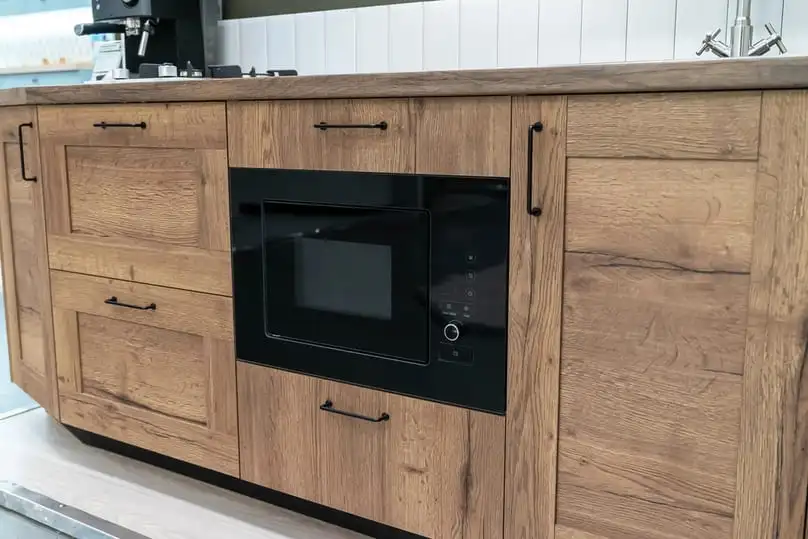
Wooden cabinets are a beautiful addition to any home, providing a warm and natural aesthetic that adds character and charm to any room. However, over time, wooden cabinets can become dull and dirty, making them look old and tired. Fortunately, you can learn how to clean wood cabinets safely and effectively.
There are several proven methods, along with choosing the best cleaner for wood cabinets, to restore their natural shine.
If you’re wondering how to clean wood cabinets without damaging them you are in the right place. This article from YCS provides all the steps, tricks, and tips you need to keep them looking like new.
Keep reading to learn how a proper wood cabinet cleaner and polish or even the best wood furniture cleaner and polish can make a noticeable difference in long-term results.
Why Wood Cabinets Get Dirty Faster in Florida Kitchens
How Grease, Heat, and Humidity Affect Wood Cabinets
Wood cabinets in Florida become filthy and damaged quickly due to a combination of high humidity, heat, and trapped grease. Humidity causes wood to swell and become sticky, allowing cooking fat to adhere more quickly.
This requires the use of an effective degreaser for wood cabinets to break down buildup safely. This unrelenting cycle causes faster warping, and dirt accumulation, making it essential to understand how to clean wood cabinets properly.
Common Signs of Buildup on Kitchen Cabinets
Wood cabinets in Florida kitchens grow dirty faster due to excessive humidity. Which causes wood to swell and become sticky, trapping airborne cooking oil, dust, and grime.
The tropical environment promotes moisture buildup. Increased traffic and, in many cases, poor ventilation (or non-vented hoods) speed up the collection of filth on cabinet surfaces. Regular maintenance with the best wood furniture cleaner protects the cabinet finish.
Types of Wood Cabinets and Finishes
Sealed vs Unsealed Wood Cabinets
Wood cabinets are a durable and timeless choice for kitchens and bathrooms. They are available in styles that vary from rustic and raw to sleek and pre-finished.
The key difference in the care and longevity of cabinets lies in whether the wood is sealed or untreated (raw).
Sealed cabinets offer excellent protection and are easy to maintain with the best cleaner for wood cabinets. While unsealed cabinets require gentler products, such as a specialized wood cabinet cleaner and polish, to preserve their natural beauty.
Why Finishes Change How You Should Clean Cabinets
The longevity, look, and maintenance requirements of kitchen cabinets are determined by the type of wood used and the finish. Finishes, which range from durable polyurethane to sensitive oils, operate as a protective barrier. However, applying the incorrect cleaning approach can erode this layer, resulting in dull, damaged, or deformed wood.
Selecting the best wood furniture cleaner and polish and understanding how to clean wood cabinets according to their finish ensures long-term durability and shine.
How to Clean Wood Kitchen Cabinets Step by Step
Tools and Supplies You’ll Need
- Microfiber Cloths: At least three microfiber cloths, one for cleaning, one for rinsing, and one for drying.
- Mild Dish Soap: Mild dish soap (such as Dawn) or specialty wood soap (such as Murphy’s Oil Soap)
- White Vinegar: optional, for removing tough grease.
- Warm Water
- Bucket or Spray Bottle
- Soft-Bristled Toothbrush or Nylon Brush: for cleaning crevices and hardware
- Baking soda: optional, for making a paste to tackle stubborn, sticky spots
- Wood Polish or Mineral Oil: optional, to restore gloss
- Vacuum with a Soft Brush Attachment: for cleaning the interior
Safe Daily and Weekly Cleaning Routine
- Dust Cabinets: Using a microfiber cloth or vacuum brush attachment, remove loose dust and dirt from all surfaces, including the hinges and corners.
- Prepare the cleaning solution: In a spray bottle or bucket, combine a few drops of mild dish soap and warm water. For highly filthy wood, try a 50/50 solution of white vinegar and warm water, or use a specialty cleaner like Murphy Oil Soap.
- Wipe Cabinets: Apply the solution to a soft cloth (not directly on the wood) and wipe down the cabinets, following the grain.
- Target Grease: Use a light scrub brush or toothbrush to remove stubborn, sticky filth from areas near the stove.
- Rinse and Dry: Wipe away soap residue with a damp towel (just water), then promptly dry the wood with a clean, dry microfiber cloth to avoid moisture damage.
How to Remove Grease From Wood Cabinets Safely
Light Grease vs Heavy Grease Buildup
To safely remove grease from wooden cabinets, especially when learning how to clean wood cabinets properly, we can recommend two effective methods depending on the condition of your cabinets that will help you keep them clean and grease-free:
Light Grease Buildup (Regular Cleaning)
- Method: Combine a few drops of Dawn dish soap with warm water.
- Application: Soak a microfiber cloth or a non-abrasive sponge in the solution, wring it out until it is damp, then wipe the cabinet surfaces.
- Rinse and Dry: To prevent water damage, wipe down the surfaces with a clean, damp towel and then quickly dry them with a dry microfiber cloth.
For increased degreasing strength, mix equal parts water and white vinegar. This simple routine is a key step in understanding how to clean wood cabinets without damaging the finish.
Heavy/Sticky Grease Buildup
- Baking Soda Paste: Mix baking soda with water to form a paste. Apply this paste to thick, stubborn oil, let it sit for a few minutes, then gently scrub with a soft brush or sponge.
- Commercial Degreaser: Combine a mild degreaser such as Dawn Powerwash or Murphy’s Oil Soap with hot water.
- Alternative: To remove extremely old, caked-on grease, consider using vegetable oil first.
Always test any cleaning solution on a small, inconspicuous section of your cabinet before applying it to the entire surface, which is an essential precaution when deciding how to clean wood cabinets safely.
When to Use a Degreaser for Wood Cabinets
Use a degreaser on wood cabinets that feel sticky, appear dull, or have noticeable yellow/brown deposit, usually around the stove or in high-touch areas. It is required for deep cleaning (1-2 times per year) or preparing cabinets for painting/refinishing. To remove grease without damaging the finish, use a light, wood-safe degreaser like Dawn dish soap.
Best Cleaner for Wood Cabinets: What Works and What to Avoid
Commercial Wood Cabinet Cleaners and Polish
When it comes to the best commercial wood cabinet cleaners and polishes, you can’t go wrong with Weiman Cabinet & Wood Cleaner, which effectively restores gloss. Parker & Bailey Kitchen Cabinet Cream stands out for removing grease and residue without leaving behind wax, making it a top choice.
For thorough conditioning, Howard Feed-N-Wax is a must-have. Additionally, Bona Cabinet Cleaner is perfect for daily use, while Method Daily Wood Cleaner is an excellent environmentally friendly option. Choosing the right product is fundamental when determining how to clean wood cabinets effectively while preserving their natural beauty.
Ingredients You Should Never Use on Wood Cabinets
To prevent wood cabinets from warping, discoloring, or losing their finish, avoid using numerous common household objects and cleaning chemicals, especially when learning how to clean wood cabinets safely and effectively.
Top Ingredients and Products to Avoid.
- Ammonia & Ammonia-Based Products: Commonly included in glass cleaners (such as Windex), ammonia is abrasive and may break down protective coatings, dulling the surface and causing degradation.
- Vinegar: Although vinegar is a popular eco-friendly cleaning, its acidity is too high for wood cabinets and will eat away at the protecting varnish or paint finish. If you must use it, do it with care, particularly if you are researching how to clean wood cabinets without damaging the seal.
- Bleach: High-strength chemicals like bleach can destroy the finish, cause intense discolouration, and leave a permanent, harmful residue.
- Oil-Based Polishes and Waxes: Oil-based products can leave a sticky, gummy residue that collects more dirt, filth, and dust, making it difficult to clean the cabinets later.
- Olive Oil: Is a common DIY “remedy” that is non-drying. It will create a sticky coating that degrades with time, causing a foul odor and destroying the finish.
- Acetone, Paint Thinner, or Mineral Spirits: These strong solvents can remove the lacquer or varnish from your cabinets.
- Baking Soda: although commonly used for scrubbing, is slightly alkaline and can be excessively abrasive, producing a faint white film or dulling the sheen.
- Furniture Sprays (Generic): Some aerosol sprays are made for furniture, not kitchen cabinetry, and can cause build-up, altering the appearance of the finish, which is why understanding how to clean wood cabinets with the right products is essential.
How Often Should You Clean Wood Cabinets?
Recommended Cleaning Frequency for Kitchen Cabinets
To minimize grease buildup, wipe down wood kitchen cabinets once a week, with a deeper cleaning every 3-6 months. High-touch areas, such as handles, require more frequent attention, whereas a full cleaning (emptying shelves) is recommended twice a year to keep the wood’s gloss and hygiene.
How Florida’s Climate Affects Cabinet Maintenance
Florida’s high humidity, intense sunlight, and salt air (in coastal areas) make for a hard environment for wood cabinets, necessitating more frequent maintenance and careful environmental control to avoid damage.
The primary effect is the wood’s continual expansion and contraction, which causes issues like warping, sticking doors, cracking, and mold growth, all factors to consider when planning how to clean wood cabinets in humid climates.
Common Mistakes When Cleaning Wood Cabinets
Using Too Much Water or Harsh Products
Cleaning wood cabinets takes a delicate touch since they are often damaged by dampness and chemical stripping. The most typical faults include using too much water, which causes warping and swelling, and using aggressive cleaning agents, which remove the protective coating.
Not Drying Cabinets Properly After Cleaning
Not drying wood cabinets quickly after cleaning is a huge mistake that allows moisture to enter into seams, causing swelling, warping, bubbling, and damage to the wood finish. Leftover water can also result in streaks, water stains, and, in severe cases, mold or mildew growth.
When DIY Isn’t Enough: Professional Cleaning for Wood Cabinets
Signs Your Cabinets Need Professional Attention
Learning how to clean wood cabinets is essential for routine kitchen maintenance. However, if you notice sticky residue, grease buildup near cooking areas, discoloration, or dull finishes, it may be a sign that basic cleaning is no longer enough. Over time, accumulated grime can affect both the appearance and durability of your cabinets.
How Professional House Cleaning Can Help Preserve Cabinets
Understanding how to clean wood cabinets helps with day-to-day upkeep, but professional house cleaning services provide a more detailed approach. Experienced cleaners use appropriate products and techniques designed to protect wood surfaces, helping preserve the finish, extend cabinet lifespan, and maintain a polished look throughout your kitchen.
Contact us today to learn how Yorleny’s Cleaning Services can help protect and maintain your wood cabinets with professional care.
Frequently Asked Questions About Cleaning Wood Cabinets
What Is the Best Cleaner for Wood Cabinets?
When learning how to clean wood cabinets, the best option is a mild dish soap diluted in warm water or a wood-safe cleaner that won’t damage the finish.
Can You Use Dawn on Wood Cabinets?
If you’re researching how to clean wood cabinets, Dawn can be used in small amounts mixed with water, but avoid soaking the surface to prevent damage.
How Do You Remove Grease From Wood Cabinets?
Understanding how to clean wood cabinets with grease buildup involves using a gentle degreasing solution, wiping softly with a microfiber cloth, and drying immediately.
What Should You Not Use on Wood Cabinets?
When deciding how to clean wood cabinets safely, avoid abrasive scrubbers, harsh chemicals, ammonia-based cleaners, or excessive water that can strip or warp the finish.
Recent Articles

Easter Decorations Ideas for Every Home in 2026
Easter decorations ideas are perfect for transforming your home into a warm and festive space during spring. This season is ideal for…

Vacation Rental Cleaning: Checklists and Standards for Consistent Guest Turnovers
Vacation rental cleaning is a real challenge, for both tourists and hosts. A dirty vacation rental can ruin a traveler’s stay, and…

How to Clean Airbnb Homes the Right Way for Consistent Guest Satisfaction
The best hosts always leave their listings spotless between stays. Knowing how to clean Airbnb homes properly is essential, as cleanliness is…
An overview of the areas we serve
See below to check if our top-quality house cleaning services are available in your city and book your first appointment with just a few clicks.