

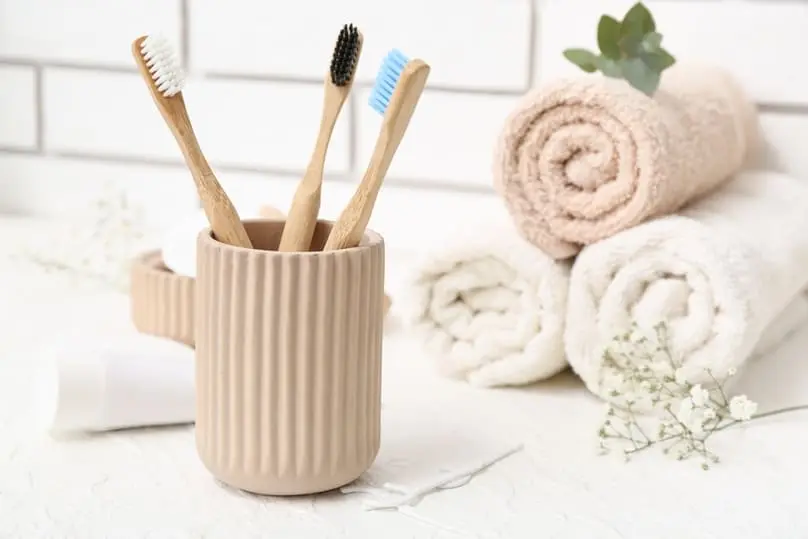
When cleaning the bathroom, the toilet and shower usually take priority, leaving one highly contaminated item completely overlooked. A dirty toothbrush holder can be a breeding ground for bacteria such as E. coli or Salmonella. Knowing exactly how to clean a toothbrush holder is an essential routine to prevent the dangerous buildup of bathroom grime and mold.
At YCS, we understand that these small details matter for your family’s overall health. This guide will show you how to properly sanitize the toothbrush holder, stopping harmful microbes from transferring to your toothbrush and compromising your oral hygiene.
How to Clean a Toothbrush Holder Properly
To properly clean and disinfect the toothbrush holder and prevent bacterial buildup, you should wash it at least once a week using hot water, mild soap, or a mixture of water and vinegar.
Learning how to disinfect the toothbrush holder surfaces effectively relies on following this reliable, quick-action routine every single week:
- Soak the holder to loosen grime.
- Scrub the inside with a small brush or pipe cleaner.
- Rinse thoroughly with warm water.
- Air dry completely upside down.
Important note: Having a dirty toothbrush holder can turn your bathroom into a source of infection for your oral and general health. The base of the container is often the third most contaminated spot in the entire house, surpassing even the toilet seat.
What Causes the Gunk at the Bottom of Your Toothbrush Holder?
The residue at the bottom of a toothbrush holder is a combination of dripping water, leftover toothpaste, saliva, and microscopic germs that thrive in a dark, damp environment.
Toothbrush holders often store multiple brushes in a household, serving as a primary resting spot after brushing. Because toothbrushes are typically wet when put away, without routine maintenance, the holder can easily foster mold and bacteria.
Spotting mold in toothbrush holder bases is incredibly common because water drips, toothpaste residue, and airborne contaminants collect over time, creating an unhygienic environment.
Maintaining a clean holder is essential for protecting your oral health and ensuring your toothbrush stays sanitary.
Allowing dirt and bacteria to accumulate can compromise brush hygiene. Discovering how to keep the toothbrush holder clean effectively stops harmful microbes from building up permanently.
How to Clean and Disinfect Your Toothbrush Holder Step by Step
Clean the toothbrush holder once a week with hot water and white vinegar to eliminate bacteria and prevent mold buildup. When you finally disinfect the toothbrush holder components, always use dedicated tools that will not cross-contaminate other sensitive areas of your bathroom sink.
1. Disassemble Multi-Part Holders
Remove all toothbrushes and toothpaste tubes. Run the holder under hot water to remove any loose, slimy residue and hardened toothpaste gunk from the bottom.
2. Pre-Soak in White Vinegar or Hot Soapy Water
If your holder has tiny slots or a lot of accumulation, soak it for 10 to 15 minutes in warm water with a dab of dish soap or white vinegar. This breaks down the hardened grime.
3. Scrub the Deep Corners and Crevices
Use a straw cleaner, an old toothbrush, or a bottle brush to thoroughly clean the internal compartments. For tough stains, add a little baking soda to your brush for more scouring strength.
For electrical bases, unplug the unit first. Never immerse electronics. Instead, use a damp microfiber cloth soaked in white vinegar and a cotton swab to scrub the tiny spaces around the charging post.
4. Wash in the Dishwasher (If Material Is Safe)
Washing removes dirt, but it is necessary to thoroughly sanitize toothbrush holder surfaces to completely eliminate any lingering microscopic mold spores.
If your holder is ceramic, glass, or dishwasher-safe plastic, place it on the top rack of the dishwasher and run a standard cycle.
5. Air Dry Upside Down Before Replacing Brushes
Never put a toothbrush back into a wet holder. Moisture is what brings mold back. Dry the holder thoroughly with a clean microfiber cloth, or place it upside down on a clean towel to drain entirely.
Routine Maintenance: How to Keep Your Toothbrush Holder Clean
Mastering exactly how to clean a toothbrush holder should be a non-negotiable part of your regular bathroom cleaning routine. To keep germs at bay and prevent gross buildup, it should be washed thoroughly at least once a week.
Additionally, it’s important to replace your toothbrush every three months or after you’ve been sick. Learning how to keep the toothbrush holder clean consistently relies on this weekly schedule to make the process quick and easy.
Daily Maintenance Tips
To successfully disinfect the toothbrush holder surfaces long-term, you must follow these daily preventive steps to avoid severe cross-contamination:
- Drain the brushes: Make sure to shake off excess water thoroughly before storing your brushes upright with the head facing up.
- Keep the holder away: Place the brush holder as far as possible from the toilet and areas with excessive direct moisture.
- Preventive trick: You can add a few drops of mouthwash to the bottom of the container to inhibit microbial growth between cleanings.
Toothbrush Holder Cleaning Mistakes to Avoid
Leaving your toothbrush holder unwashed for weeks allows trapped water and toothpaste residue to quickly foster harmful germs. Discovering dangerous mold in toothbrush holder bases is incredibly common when this essential bathroom accessory is continuously ignored.
Understanding how to disinfect the toothbrush holder containers properly means actively avoiding these highly frequent maintenance errors.
Key Cleaning Mistakes to Prevent:
- Neglecting deep crevices and narrow holes: Rinsing only the main basin leaves hardened white slime at the bottom. Scrub every tight curve using a pipe cleaner, straw cleaner, or an old bottle brush.
- Omitting the sanitizing step: Standard soap removes visible buildup, but you must properly sanitize toothbrush holder surfaces with a bleach solution, vinegar, or the dishwasher to destroy microscopic bacteria.
- Bypassing the drying phase: Placing damp toothbrushes back in an undried holder traps moisture, creating a breeding ground for germs. Always thoroughly dry the interior with a paper towel or microfiber cloth first.
- Employing abrasive scouring pads on delicate surfaces: Scratches in ceramic glazes or plastic trap more dirt over time. Use non-scratch tools or loosen tough residue with a vinegar soak.
- Submerging electronic charger bases: Dunking an electric charging base in water destroys internal electronics. Unplug the device and wipe it down with a damp, soapy cloth or an isopropyl alcohol swab.
Stop Bathroom Mold Before It Spreads
Knowing how to clean a toothbrush holder is crucial to stop unhealthy mildew on your vanity. However, that small accessory is often just the beginning of your bathroom’s moisture problems. The humid Florida climate encourages hidden bacteria to spread rapidly across all your surfaces. True mold prevention requires a much more comprehensive, whole-room approach.
Even if you know exactly how to clean a toothbrush holder, scrubbing moldy grout is exhausting. Our professional team provides the intense sanitization required to keep your entire bathroom flawlessly hygienic. Stop sacrificing your precious free time to endless bathroom chores. Contact Yorleny’s Cleaning Services today to schedule your professional cleaning!
Sanitizing Toothbrush Holders FAQs
How Often Should I Clean My Toothbrush Holder?
You must wash your bathroom storage accessories at least once every single week. Learning how to clean a toothbrush holder surfaces regularly prevents dangerous bacteria from breeding. Stagnant water quickly accumulates at the bottom and creates a highly toxic environment for your daily dental tools. Routine washing guarantees perfect oral hygiene.
What Is the Black Mold in My Toothbrush Holder?
That disgusting black slime is a dangerous combination of aggressive mildew and rotting toothpaste residue. When researching how to clean a toothbrush holder grime, you must realize this fungus thrives on constant moisture. Dripping water from your wet bristles pools at the base and feeds these toxic spores every single day.
Can You Put a Toothbrush Holder in the Dishwasher?
Yes, most ceramic and hard plastic bathroom accessories are completely safe for the top rack. If you want the absolute easiest method for how to clean a toothbrush holder stains, the intense heat cycle kills germs instantly. Always skip the heated dry function to prevent melting delicate acrylic or plastic pieces.
How Do You Get Mold Out of a Toothbrush Holder?
You must soak the entire accessory in a powerful mixture of hot water and white vinegar. The most effective strategy for how to clean a toothbrush holder mold requires letting this acidic solution sit for thirty minutes. This natural liquid effortlessly dissolves stubborn fungal colonies without using any toxic household chemicals.
How Do You Clean the Inside of a Narrow Toothbrush Holder?
You should use a dedicated pipe cleaner or a thin bottle brush to reach the bottom easily. When mastering how to clean a toothbrush holder crevices, these flexible tools aggressively scrub tight corners. Pouring a little baking soda inside before scrubbing guarantees you eliminate all hidden gunk and awful odors completely.

Reviewed by:
Tony Loeffler is the Co-Founder of Yorleny's Cleaning Service and a leader in residential cleaning services. As a content reviewer and writer, he is an expert around the cleaning services in Florida, specifically West Palm Beach County.
Recent Articles

How to Clean Up Glitter From Floors, Carpet, and Furniture
Glitter is a frustrating holiday mess, clinging to fabrics and sticking via static electricity. Knowing how to clean up glitter quickly prevents…

How to Get Food Coloring Off Skin, Clothes, Carpet, and Counters
If you or your children are dyeing Easter eggs or getting creative with crafts, it is very likely that some of the…

How to Clean Sidewalks: With or Without a Pressure Washer
If there is one thing every homeowner eventually learns, it is that a concrete sidewalk does not stay clean on its own.…
See below to check if our top-quality house cleaning services are available in your city and book your first appointment with just a few clicks.