

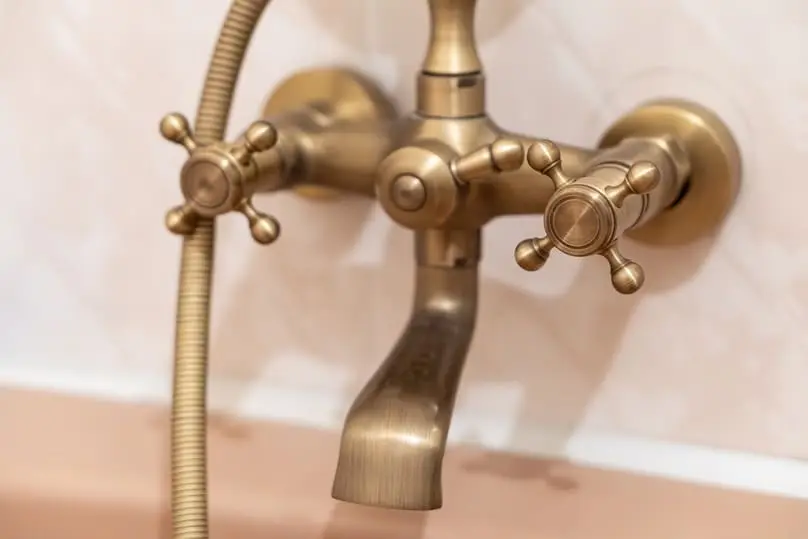
Brass pieces are trending now more than ever, so you probably have some at home. Knowing how to clean brass is essential to keep them shiny and elegant.
While the material is stylish, tarnish can quickly dull its appearance. That’s why understanding the best way to clean brass helps preserve its beauty.
If you have brass objects in your home, you know how attractive they can look. However, over time, tarnish appears and reduces their shine. Don’t worry. Yorleny’s Cleaning Services will show you how to clean and polish brass safely and effectively.
How to Clean Brass Safely (Basic Cleaning Method)
Proper cleaning brass involves removing tarnish without damaging the surface. The best way to clean brass is using gentle acidic solutions and mild abrasives.
A simple method includes making a paste with lemon juice and baking soda to restore shine safely.
Supplies You Need to Clean Brass
Materials you need:
- White vinegar or lemon juice (to offer acid to break down tarnish)
- Salt or baking soda (to serve as a mild, non-scratching abrasive)
- Soft cloths (soft cotton or microfiber) for polishing and applying the paste
- Toothbrush or soft toothbrush (for cleaning small spaces)
- Warm Water (to rinse)
- Optional: Ketchup, a surprising but effective option for cleaning brass
How Do You Clean Brass Step by Step
To understand how to clean brass, follow these simple steps:
- Create the Paste: To form a thick paste, mix half a lemon’s juice with a teaspoon of baking soda.
- Use the Paste: Apply the paste to the brass object with a gentle cloth.
- Clean & Rub: If the tarnish is very dirty, rub the paste onto it and let it sit for a few minutes.
- Rinse: To get rid of any paste residue, give the brass a thorough rinse with warm water.
- Dry & Buff: Use a fresh, gentle towel to dry right away, then buff for a glossy finish.
What Is Brass and Why It Tarnishes Over Time
What Brass Is and Where It’s Commonly Used at Home
Brass is a durable alloy made of copper and zinc, known for its golden appearance. Learning how to clean tarnished brass helps maintain its original look over time.
It is commonly used in door handles, fixtures, and decorative elements. Regular cleaning brass keeps these items looking new.
Brass is also used in instruments like trumpets and in decorative objects. Knowing how to clean and polish brass ensures long-lasting shine.
Why Humidity and Air Exposure Cause Tarnished Brass
Tarnish forms through oxidation caused by air, moisture, and oils. This natural process makes it important to know how to clean tarnished brass properly. While brass does not rust (because of its absence of iron), the copper component reacts with airborne oxygen, moisture, and impurities to form a dull, dark, or green surface layer known as tarnish or patina.
How to Clean and Polish Brass for a Shiny Finish
Difference Between Cleaning Brass and Polishing Brass
Cleaning brass removes dirt, oils, grime, and minor discolorations. It uses gentle procedures (soap, ketchup, vinegar) to retain the existing patina. On the other hand, polishing brass uses fine abrasives or specialist metal polishes to remove the top microscopic layer of metal, reducing tarnish and restoring a high-gloss, mirror sheen.
The proper way on how to polish brass is to remove surface filth with warm soapy water or ketchup before applying a metal polish like Brasso with a soft cloth and buffing to a gloss. Polishing involves removing tarnish and surface oxidation to achieve a mirror sheen, whereas cleaning only removes dirt.
How Do You Polish Brass and Make It Shine
To achieve a mirror finish and fully understand how to polish brass, use the progressive sanding method:
- Start with 600-grit sandpaper for deeper oxidation.
- Move to finer grits like 1000, 1500, and 2000.
- Keep the surface wet during sanding.
- Finish by applying polish and buffing with a soft cloth.
This process complements how to clean brass, ensuring a long-lasting, brilliant finish.
How to Clean Tarnished Brass
What Causes Tarnish on Brass
Tarnish on brass is created by oxidation, which occurs when the metal combines with oxygen, moisture, and skin oils to generate a dull, black, or green covering. When learning how to clean brass, it’s important to understand these causes first. Clean it with mild abrasives such as a salt, flour, and vinegar mixture or baking soda and lemon juice, scrubbing gently before washing and polishing.
How to Clean Tarnished Brass Without Damage
When learning how to clean brass methods, always choose gentle techniques to avoid surface damage.
- Lemon and Salt (Best for Light Tarnish): Combine 1 tbsp salt and 1 tbsp lemon juice to make a paste, or dip a lemon half in salt. Rub lightly on the brass, allow to sit for 10 minutes, and then rinse with warm water.
- Vinegar and Baking Soda (Best for Moderate Tarnish): Combine 1 part salt, 1 part baking soda, and 1 part white vinegar to make a fizzy cleaner. Apply to the brass and leave for 10 minutes before lightly scrubbing.
- Ketchup (Easiest Method): Cover the brass with a thin layer of ketchup. The acidity removes the tarnish in 15-30 minutes, after which it is washed with warm water.
- Vinegar Soak (For Complex things): To remove severe tarnish, soak things in a solution of one part vinegar and two parts warm water for up to four hours.
How to Clean Heavily Corroded Brass
Tarnish vs Corrosion: Key Differences
Tarnish is a surface, dark, or dull covering that preserves the metal, whereas corrosion pits and damages the brass structure. Understanding this difference is essential when deciding how to clean brass effectively.
Cleaning badly rusted brass requires eliminating deep oxidation, which is frequently accomplished with acidic solutions such as white vinegar, lemon juice, or specialty cleaners such as Barkeeper’s Friend.
When Corroded Brass Can (And Can’t) Be Restored
Corroded brass can almost always be restored as long as the damage is restricted to surface tarnish or green, powdery verdigris. When applying how to clean brass techniques, restoration is not possible if deep structural corrosion occurs.
How to Care for Brass and Prevent Tarnish
Maintenance Tips for Brass in Humid Climates
To extend results after learning how to clean brass, proper maintenance is essential.
- Apply a Protective Coating: To produce a moisture barrier, use a thin layer of paste wax, carnauba wax, or specialty metal lacquer.
- Use Mineral Oil: To protect the surface, apply a small amount of mineral oil or linseed oil with a microfiber cloth.
- Proper Storage: Keep brass goods dry. Use dehumidifiers in rooms that contain costly brass goods.
- Handle with Care: When handling goods, wear cotton gloves or wipe them down immediately after contact to remove oils from the skin that speed up tarnishing.
- Regular Maintenance: To avoid deep, difficult-to-clean tarnish, dust things weekly and polish them lightly.
For extremely tarnished goods, you may need to repeat the cleaning procedure or seek professional restoration.
How Often You Should Clean and Polish Brass
To maintain results after applying how to clean brass, clean and polish every 1-3 months for high-use items. Decorative pieces can be polished a few times per year.
Routine cleaning with soap and water should be done as needed, while polishing is recommended when the metal looks dull.
Common Mistakes When Cleaning Brass
Brass is a delicate metal that requires careful handling. Knowing how to clean brass properly helps avoid damage such as scratches or discoloration.
Products and Tools You Should Never Use on Brass
- Steel Wool and Abrasive Pads: Steel wool, aggressive scrubbers, and wire brushes will all leave lasting scratches on the surface.
- Bleach and ammonia: These chemicals are extremely corrosive to brass and can cause permanent discoloration or pitting.
- Commercial Cleaners for Other Metals: Avoid cleaners designed solely for stainless steel or copper, as brass responds differently to both.
- Dishwashers: Never put brass items in the dishwasher since the intense heat and harsh chemicals will damage the finish.
- Abrasive Powders: Products such as strong scouring powders can cause microscratches.
- Overly Aggressive Natural Remedies: While salt and lemon are beneficial, using them too frequently or for too long might result in overstripping or pitting.
Mistakes That Cause Scratches or Discoloration
Cleaning brass requires a gentle approach, as harsh tools and chemicals can cause permanent damage. Understanding how to clean brass correctly helps prevent scratches, discoloration, and finish deterioration.
When Brass Needs Professional Cleaning
Signs Brass Damage Is Beyond DIY Cleaning
Learning how to clean brass is helpful for regular maintenance, but some pieces may show deeper damage over time. Heavy tarnish, discoloration, or corrosion can be difficult to remove with basic methods. When these signs appear, it may be time to consider more advanced cleaning solutions.
How Professional Deep Cleaning Can Help Restore Brass
Understanding how to clean brass also means knowing when professional care is the best option. Deep cleaning services can safely treat delicate surfaces and restore shine without causing damage. This approach helps extend the life and appearance of your brass items.
If you want to protect and maintain the beauty of your home surfaces, Yorleny’s Cleaning Services is here to help. Contact us today to keep your home clean, polished, and well cared for.
Frequently Asked Questions About Cleaning Brass
How Do You Clean Brass Naturally?
If you’re learning how to clean brass naturally, you can use ingredients like lemon and baking soda or vinegar and salt. These mixtures help break down tarnish without harsh chemicals. Apply the paste gently, let it sit for a few minutes, and rinse with warm water. Dry thoroughly to avoid water spots and restore shine.
Can Tarnished Brass Be Fully Restored?
Yes, tarnished brass can often be fully restored using proper techniques. Regular cleaning removes oxidation and brings back its natural shine. For heavily tarnished items, multiple applications may be needed. Consistent maintenance helps prevent future buildup and keeps brass looking new.
How Often Should Brass Be Polished?
When following how to clean brass tips, polishing every few months is usually enough for most items. However, frequently handled pieces may need more regular care. Keeping brass clean reduces the need for heavy polishing. Light maintenance helps preserve its finish and extend its lifespan.
What Should You Not Use to Clean Brass?
According to how to clean brass guidelines, avoid harsh chemicals, bleach, or abrasive scrubbers like steel wool. These can scratch or damage the surface and remove protective coatings. Always use soft clothes and gentle solutions. This helps maintain the integrity and shine of the brass over time.
Recent Articles
Best Way to Clean a Washing Machine: Proven Methods That Actually Work
Cleaning your washing machine regularly is crucial for maintaining hygiene and efficiency in your household. Understanding the best way to clean a…
Construction Dust Control: How to Reduce and Manage Dust Effectively
The release of dust and noise from construction sites can have significant consequences for public health and the environment, making construction dust…

Easter Cleaning Checklist to Get Your Home Ready
Easter goes beyond just chocolate eggs and family lunches; it’s the perfect time to refresh and revitalize your home using a detailed…
An overview of the areas we serve
See below to check if our top-quality house cleaning services are available in your city and book your first appointment with just a few clicks.