

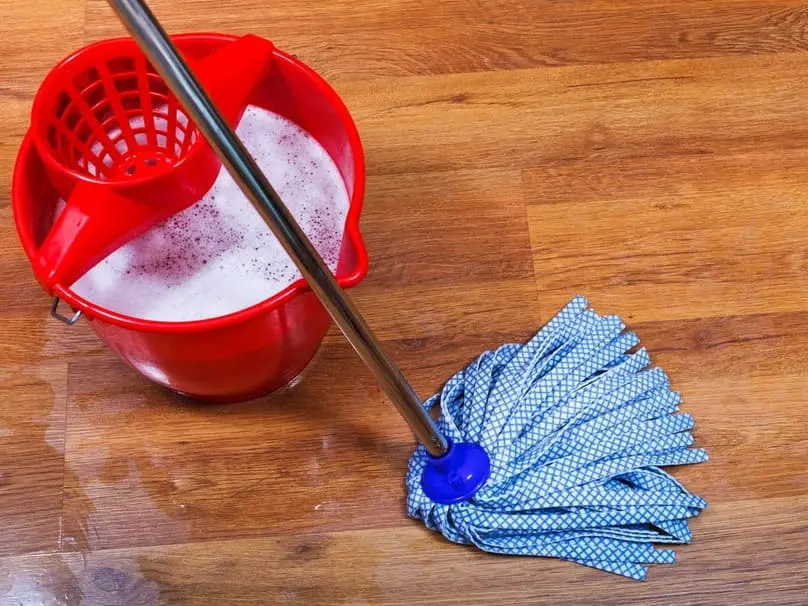
Mopping can make a floor look clean in minutes, but the wrong routine can leave behind streaks, residue, or too much moisture. That is especially frustrating when you have already spent time moving furniture, sweeping, and filling the bucket—only to see footprints or dull patches after the floor dries.
Knowing how to mop a floor properly starts with matching the cleaner and amount of water to the material under your feet. For ongoing help with everyday floor care, house cleaning services can handle the details for you. If you are doing it yourself, this routine keeps the process simple and floor-safe.
What Are the Basic Steps for Mopping a Floor?
When you are learning how to mop a floor, follow this order so you do not spread debris or walk across the section you just cleaned. The best way to learn how to mop a floor is to repeat the same floor-safe sequence each time, rather than adding extra product when a room looks especially dirty:
- Remove loose dirt with a broom, dry mop, or vacuum.
- Check the flooring manufacturer’s care instructions.
- Choose a cleaner approved for that material and dilute it as directed.
- Use a clean microfiber mop that is damp, not dripping.
- Work from the farthest corner toward the exit using overlapping passes.
- Rinse or change the pad as soon as it looks dirty.
- Let the floor dry fully before walking on it.
Important note: Do not assume one cleaning recipe works for every hard floor. Vinegar, dish soap, steam, waxes, and excess water can be unsuitable for some finishes. When in doubt, use the product and method recommended by the flooring manufacturer.
Which Mop and Cleaner Are Right for Your Floor?
Before mixing anything into mop water, identify the material and finish. The same amount of moisture that is fine for sealed tile can damage hardwood or some laminate floors.
| Floor Type | Safer Routine | What to Avoid |
|---|---|---|
| Ceramic or porcelain tile | Use a clean microfiber mop with a neutral-pH tile cleaner or a product approved for the grout and tile. | Abrasive powders, steel wool, and harsh bleach or ammonia solutions. |
| Natural stone | Use a stone-safe, pH-neutral cleaner and a well-wrung mop. | Vinegar, acidic products, and unapproved cleaners that can affect the finish. |
| Luxury vinyl or sheet vinyl | Use only a small amount of water and a vinyl-floor cleaner approved by the manufacturer. | Flooding the floor, abrasive cleaners, waxes, or products that leave a film. |
| Sealed hardwood | Follow the floor manufacturer’s instructions; many finishes call for dry cleaning or a lightly damp mop with a compatible cleaner. | Wet mops, steam mops, standing water, and unapproved cleaners. |
| Laminate | Follow the specific product instructions and use the least moisture needed. | Soaking the floor, leaving water in seams, and steam unless the manufacturer expressly permits it. |
Flooring instructions vary by product, so this table is a starting point rather than a substitute for the manufacturer’s guide. For example, Shaw advises against wet or steam mops on its hardwood products, while Pergo cautions that excess water can damage laminate flooring. Review Shaw’s hardwood care guidance and Pergo’s laminate maintenance guidance when they apply to your floor.
How to Mop a Floor Properly in 7 Steps
These seven steps expand the quick routine above and make it easier to get clean, even results without overwetting the surface. If you are unsure how to mop a floor without leaving residue, focus on clean tools, a compatible product, and the least amount of moisture the material allows.
Step 1: Remove Loose Dirt First
Sweep, dry mop, or vacuum before bringing out water. Grit and small particles can scratch a floor when they are dragged under a wet mop. For a more thorough pre-mop cleanup, use the right attachments and technique from this guide on how to vacuum like a professional.
Step 2: Check the Floor Type and Finish
Look at the manufacturer’s care guide before using a new cleaner or tool, especially on hardwood, laminate, natural stone, or luxury vinyl. If you do not know what material you have, begin with dry cleaning and avoid experimenting with acids, steam, or heavy water until you confirm the proper method.
Step 3: Prepare the Cleaning Solution
Use a bucket with clean water and add only the amount of approved cleaner stated on the label. More product does not mean a cleaner floor; it can leave a film that attracts more soil or makes the surface look cloudy. If the label calls for a clean-water rinse, use a separate bucket or refill the bucket before that final pass.
Step 4: Wring the Mop Thoroughly
The mop should feel damp rather than saturated. Wring it out well before every pass, and use a clean microfiber pad or mop head. This is particularly important for wood, laminate, and vinyl, where standing moisture can get into seams or edges.
Step 5: Mop From the Far Corner Toward the Door
Start in the corner farthest from the entrance and work back toward the exit. Use slow, overlapping S-shaped passes so you cover the floor without repeatedly stepping onto the wet area. Keep an eye on the mop pad: once it looks gray or feels loaded with soil, rinse or replace it.
Step 6: Refresh Dirty Water and Pads
Do not keep mopping with visibly dirty water. Empty and refill the bucket when the water turns cloudy, and rotate or replace reusable pads as needed. This small reset prevents you from redepositing soil across a larger area.
Step 7: Let the Floor Dry Completely
Follow the product label about rinsing and drying. Open windows only when weather and humidity make that practical; otherwise, allow normal airflow and keep foot traffic off the floor until it is dry. Never leave puddles behind, and wipe up visible water promptly.
What Should You Avoid When Mopping?
Avoid using one “universal” solution for every surface. Household ingredients can be useful on some materials, but they are not automatically compatible with the finish, grout, sealant, or adhesive in your floor.
- Do not mop before removing loose grit and debris.
- Do not pour extra cleaner into the bucket to make the solution stronger.
- Do not use a dripping mop or leave water in seams, especially on wood and laminate.
- Do not use steam, vinegar, wax, or polish unless the floor manufacturer specifically permits it.
- Do not mix cleaners together, including bleach with other products.
If the floor has fine dust after remodeling, heavy adhesive residue, or damage that needs more than routine maintenance, do not simply keep mopping over it. Use a method suited to cleaning floors after construction instead.
How Often Should You Mop a Floor?
Mop when there is visible soil, sticky residue, or tracked-in dirt. High-traffic areas such as kitchens, entryways, and homes with pets may need attention weekly or more often, while low-traffic rooms can usually wait longer. Spot-clean spills as they happen so they do not become a full-floor job.
Need a Hand With Floor Cleaning in Lake Worth?
Routine mopping works best when it is part of a manageable cleaning schedule. If your hard floors need a detailed reset or regular upkeep is falling behind, Yorleny’s Cleaning Service can tailor a cleaning visit to your home and priorities.
Contact us to discuss your cleaning needs in Lake Worth and nearby areas.
Frequently Asked Questions
What Should I Put in Mop Water?
Use the cleaner and dilution stated by your flooring manufacturer or the product label. For many floors, that means a compatible floor cleaner mixed with water, but natural stone, hardwood, vinyl, and laminate can have different requirements.
Can I Mop With Dish Soap?
Only if the flooring manufacturer or cleaner instructions allow it. Dish soap can leave residue, and it is not a universal choice for sealed floors, laminate, wood, stone, or vinyl.
Should I Rinse the Floor After Mopping?
Rinse only when the cleaner’s label or the flooring instructions call for it. If a rinse is required, use clean water and a well-wrung mop so you do not leave excess moisture behind.
Is a Microfiber Mop Better Than a Sponge Mop?
A microfiber mop is a practical choice for many hard floors because the pad can pick up fine soil and be changed or washed between uses. The most important factor is still using a clean, well-wrung mop that is suitable for the floor material.
How to Mop a Floor Without Leaving Streaks?
Use the correct cleaner at the recommended dilution, avoid oversaturating the mop, and change dirty water or pads promptly. Residue from too much product is a common reason floors look streaky after drying.

Reviewed by:
Tony Loeffler is the Co-Founder of Yorleny's Cleaning Service and a leader in residential cleaning services. As a content reviewer and writer, he is an expert around the cleaning services in Florida, specifically West Palm Beach County.
Recent Articles

How to Clean Seasonal Decorations and Holiday Decor Safely
The holiday season is the perfect time to decorate our homes with lights, ornaments, and magical touches. However, before reusing decorations that…
How to Clean Up Glitter From Floors, Carpet, and Furniture
Glitter is a frustrating holiday mess, clinging to fabrics and sticking via static electricity. Knowing how to clean up glitter quickly prevents…

How to Get Food Coloring Off Skin, Clothes, Carpet, and Counters
If you or your children are dyeing Easter eggs or getting creative with crafts, it is very likely that some of the…
See below to check if our top-quality house cleaning services are available in your city and book your first appointment with just a few clicks.