

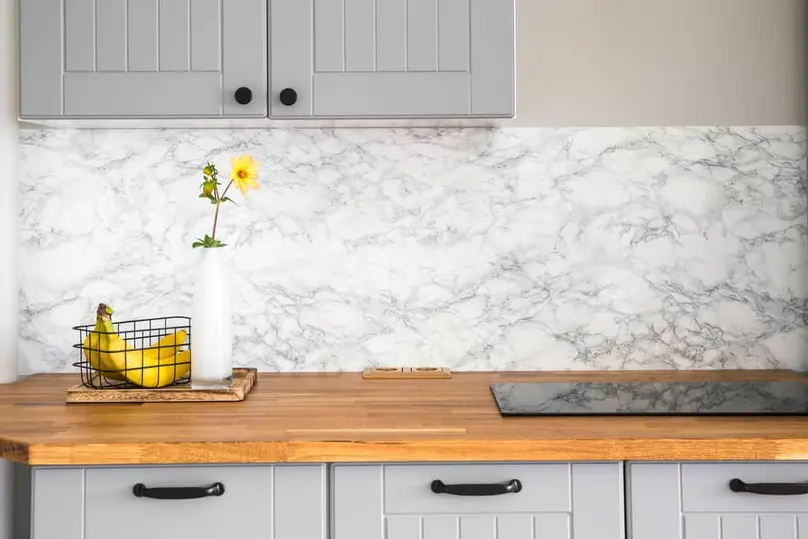
Coffee dries beside the coffee maker, grease settles near the stove, and one “all-purpose” spray can quietly damage the wrong finish. Learning how to clean kitchen countertops safely begins with identifying the material before treating the mess. Natural stone, quartz, laminate, butcher block, tile, and stainless steel do not tolerate the same acids, abrasives, heat, or moisture.
The solution is to start gently: remove debris, use a surface-compatible cleaner, rinse away residue when required, and dry the area completely. The sections below match products and methods to each material, including when sanitizing is appropriate. If recurring kitchen upkeep is taking over your week, Yorleny’s offers house cleaning services in Westlake.
How to Clean Kitchen Countertops: Quick Steps
Use this basic sequence for everyday cleaning, then check the material-specific recommendations below:
- Clear away food, appliances, containers, and other objects.
- Remove crumbs and loose debris with a clean, dry cloth.
- Wipe the surface with a cleaner approved for the countertop material.
- Rinse away soap or product residue when required.
- Dry the countertop with a clean microfiber cloth.
Clean spills as soon as possible, especially coffee, wine, tomato sauce, cooking oil, citrus juice, and raw meat juices. Prompt attention reduces staining and limits cross-contamination.
What to Know Before You Start
Knowing how to clean kitchen countertops safely requires confirming whether the surface is natural stone, engineered quartz, laminate, solid surface, wood, tile, or stainless steel. Similar-looking materials may require different care, and an unsuitable cleaner can dull a finish, weaken a sealer, discolor resin, or damage seams.
Keep these general rules in mind:
- Read the countertop manufacturer’s care instructions when available.
- Test unfamiliar cleaners in a small, inconspicuous area.
- Apply products to the cloth rather than spraying near food or appliances.
- Use nonabrasive microfiber cloths or soft sponges.
- Avoid allowing water to collect around seams, backsplashes, sinks, or unsealed edges.
- Never mix bleach, ammonia, vinegar, disinfectants, or other cleaning products.
- Use a separate clean cloth for the countertop instead of a sponge that also cleans dishes or the sink.
Clear the surface before you begin. Small appliances, cutting boards, and containers can hide crumbs, grease, and moisture that ordinary wiping misses.
How to Clean Kitchen Countertops Step by Step
The best approach to how to clean kitchen countertops is to start gently and increase cleaning power only when the material allows it. Most daily messes do not require aggressive chemicals or abrasive scrubbing.
1. Clear the Counter and Remove Loose Debris
Move countertop appliances and food containers to a clean location. Sweep crumbs into your hand or a dustpan using a dry microfiber cloth or a soft counter brush. Check the wall edge, backsplash joint, corners, and the area around the sink.
Do not begin with a wet cloth. Moisture can turn crumbs and powder into sticky residue that takes longer to remove.
2. Apply a Material-Safe Cleaner
When deciding how to clean kitchen countertops after ordinary use, a small amount of mild dish soap mixed with warm water is a practical starting point for many washable surfaces. Dampen a microfiber cloth, wring it well, and wipe from the back of the countertop toward the front edge.
Work in small sections and give extra attention to handles, appliance edges, and areas used for food preparation. Once the counter is clean, treat the nearby plumbing separately; cleaning a kitchen sink drain may require methods that are unsuitable for the surrounding countertop.
3. Loosen Stuck-On Food Without Scratching
Hold the damp cloth over dried residue for a short time to soften it. If needed, use a plastic scraper held at a low angle, provided the countertop manufacturer permits it. Avoid metal blades, scouring pads, steel wool, and powdered abrasive cleaners.
Do not assume that baking soda is safe everywhere. Although it can help with some stains, its mild abrasiveness may alter polished stone, glossy laminate, quartz resin, or delicate finishes. Always test first.
4. Rinse or Remove Cleaner Residue
Wipe the surface again with a separate cloth dampened with clean water when the cleaner requires rinsing. Soap left behind can create streaks, attract dirt, or leave the countertop feeling sticky.
If you use a sanitizing or disinfecting product, follow its label for contact time, rinsing, ventilation, and food-contact precautions. Wiping the product away immediately may prevent it from working as intended.
5. Dry and Return Items Carefully
Dry the countertop with a clean microfiber cloth, paying attention to seams and edges. Drying reduces water spots and prevents moisture from sitting near porous materials or joints.
Before returning appliances or containers, wipe their bases and confirm the counter is fully dry. Otherwise, grease and crumbs can be transferred immediately back onto the clean surface.
Best Cleaner for Each Countertop Material
The following comparisons show how to clean kitchen countertops according to their material. Manufacturer instructions should take priority when they differ.
Stone and Engineered Countertops
| Material | What to use | What to avoid |
|---|---|---|
| Granite | pH-neutral stone cleaner or mild dish soap | Vinegar, lemon, abrasives, and harsh degreasers |
| Marble | Marble-safe pH-neutral cleaner; blot and dry spills | Acids, abrasive pads, and lingering food stains |
| Engineered quartz | Mild dish soap and a soft cloth | Harsh acids or alkalis, abrasives, and excessive heat |
| Solid surface | Mild soap or an approved nonabrasive cleaner | Harsh solvents, aggressive scrubbing, and direct heat |
Wood, Laminate, Metal, and Tile Countertops
| Material | What to use | What to avoid |
| Laminate | Mild soap or a compatible nonabrasive cleaner | Abrasives, strong solvents, and water around seams |
| Butcher block or wood | Mild soap, minimal water, and immediate drying | Soaking, harsh chemicals, and unapproved oils |
| Stainless steel | Mild soap; wipe with the grain, rinse, and dry | Steel wool and abrasive pads |
| Tile | Mild soap or a cleaner compatible with the tile and grout | Abrasives on glaze and acids on stone tile or sensitive grout |
The Natural Stone Institute cautions against using vinegar on marble, limestone, travertine, and some granite. Acid can attack certain minerals, sealers, and finishes even when the surface initially appears undamaged.
After finishing the counters, remember that nearby tiled surfaces and wood floors have different moisture and product limits. Use the care method intended for each surface instead of carrying the countertop cleaner through the whole kitchen.
How to Clean Countertops Naturally Without Causing Damage
If you prefer natural products, how to clean kitchen countertops still depends on the material. Natural does not automatically mean safe for every surface. The most versatile low-odor option is usually warm water with a small amount of mild dish soap, followed by a clean-water wipe and thorough drying.
Using Baking Soda Carefully
Baking soda can help loosen grease and some stains, but it is mildly abrasive. Use it only when the countertop manufacturer allows it. Make a thin paste with water, test it in an inconspicuous area, apply it gently to the stain, and rinse completely without forceful scrubbing.
Avoid spreading baking soda across an entire polished countertop as a routine cleaner. Even familiar natural cleaning products must be matched to the material and used in the correct concentration.
When Vinegar Is Not the Right Choice
Do not use vinegar as a universal countertop spray. Its acidity can etch marble and other calcareous stone, affect some granite sealers, and conflict with manufacturer guidance for quartz, wood, or specialty finishes.
Even when diluted vinegar is compatible with a particular material, never combine it with bleach or another cleaning product. If the material is uncertain, choose mild dish soap or a cleaner specifically labeled for that surface.
How to Remove Common Countertop Stains
When learning how to clean kitchen countertops with stains, identify both the material and the substance before choosing a treatment. A method that works on laminate may permanently mark marble or damage unfinished wood.
Grease and Sticky Residue
Mix a few drops of mild dish soap with warm water. Hold a damp microfiber cloth over the residue briefly, then wipe gently. Repeat with a clean section of cloth before rinsing and drying.
For heavy kitchen grease, use a degreaser only when its label specifically lists the countertop material. Do not allow the product to reach nearby food, utensils, or unsealed seams.
Coffee, Wine, Juice, and Tomato Stains
Blot fresh liquid instead of spreading it across the counter. Wash the area with the material’s approved cleaner, rinse if required, and dry. Natural stone stains may need a stone-specific poultice or professional treatment rather than household acids or aggressive scrubbing.
If a stain remains on laminate, quartz, wood, or solid surface material, consult the manufacturer’s instructions before trying bleach, peroxide, baking soda, or another spot treatment.
Dried Food and Hardened Residue
Soften residue with a warm, damp cloth. Use a plastic scraper only if it is safe for the finish, keeping it nearly flat to the surface. Do not chip at the spot with a knife or metal tool.
After the residue lifts, wash the area normally, remove any soap, and dry it. Repeated light passes are safer than one aggressive attempt.
Cleaning vs. Sanitizing Kitchen Countertops
Understanding how to clean kitchen countertops after raw food contact means separating cleaning from sanitizing. Cleaning removes visible food, grease, dirt, and many germs with soap, water, and friction. Sanitizing reduces germs further and is particularly important after a surface has contacted raw meat, poultry, seafood, eggs, or their juices.
The CDC recommends cleaning kitchen countertops with hot, soapy water and then sanitizing surfaces contaminated by raw meat or poultry. However, the sanitizer must also be compatible with the countertop.
Follow this order:
- Remove visible debris.
- Clean the surface with an appropriate soap or cleaner.
- Apply a compatible sanitizer according to its label.
- Keep the surface wet for the required contact time.
- Rinse if the label requires it for food-contact surfaces.
- Allow the countertop to dry before preparing food.
Use an EPA-registered product when disinfection is necessary. Follow the label exactly, ventilate the room, wear any recommended protection, and never mix products. Bleach can discolor or damage some countertops, sealers, metals, and surrounding materials, so check compatibility before use.
Countertop Cleaning Mistakes to Avoid
A safe approach to how to clean kitchen countertops also requires knowing what not to use. Many countertop problems come from applying too much product or choosing a method intended for a different material. Avoid these common mistakes:
- Using vinegar, lemon, or acidic sprays on natural stone.
- Scrubbing polished surfaces with baking soda as a routine cleaner.
- Using the same sponge for dishes, the sink, and the countertop.
- Spraying cleaner near uncovered food, utensils, or electrical appliances.
- Leaving soap or disinfectant residue on food-contact areas.
- Ignoring the contact time on a sanitizer or disinfectant label.
- Allowing water to sit around laminate seams or unfinished wood.
- Applying olive oil or cooking oil as a countertop polish.
- Placing hot cookware directly on quartz, laminate, wood, or solid surface material.
- Mixing bleach with vinegar, ammonia, or any other cleaning product.
When in doubt, begin with the gentlest manufacturer-approved method. Cosmetic damage from an unsuitable product can be more difficult to correct than the original spill.
How Often Should You Clean Kitchen Countertops?
Kitchen countertops should be wiped after food preparation, spills, and other activities that leave crumbs, grease, or residue. High-use areas may need several quick cleanings during the day, while less-used sections can be cleaned after each use.
Use this practical schedule:
- After every food-preparation session: Remove debris and clean the used area.
- Immediately after raw food contact: Clean and sanitize the contaminated area with a compatible product.
- Daily: Wipe the full countertop, including areas beneath frequently moved items.
- Weekly: Move small appliances and clean edges, corners, backsplashes, and seams.
- As recommended: Seal, oil, polish, or maintain the surface according to the manufacturer or installer.
A consistent routine makes how to clean kitchen countertops easier because spills do not have time to harden or penetrate porous materials.
Keep Every Countertop Clean Without Damaging the Finish
Once you understand how to clean kitchen countertops according to their material, daily care becomes straightforward. Remove debris first, use a compatible cleaner, treat stains gently, rinse when necessary, and dry the surface before returning appliances or preparing food.
The most important rule is to avoid universal solutions. Granite, marble, quartz, laminate, wood, tile, stainless steel, and solid surface countertops do not respond the same way to acids, abrasives, moisture, or disinfectants. A practical house cleaning schedule can place quick countertop care alongside the other recurring kitchen tasks. If you want professional help maintaining these and other high-use surfaces, contact Yorleny’s Cleaning Service.
FAQs About Cleaning Kitchen Countertops
What Is the Best Thing to Clean Kitchen Countertops With?
Warm water, mild dish soap, and a clean microfiber cloth provide a safe starting point for many washable countertops. However, natural stone, wood, quartz, and specialty finishes may require a manufacturer-approved product. Always identify the material and test unfamiliar cleaners first.
Can I Use Vinegar to Clean Kitchen Countertops?
Vinegar is not safe for every countertop. Avoid it on marble, limestone, travertine, and other acid-sensitive stone. It may also affect certain granite sealers, quartz resin, wood finishes, and specialty coatings. Use a pH-neutral or manufacturer-approved cleaner when compatibility is uncertain.
Is Baking Soda Safe for Countertops?
Baking soda is mildly abrasive. It may help with an isolated stain when the manufacturer permits it, but routine scrubbing can dull polished stone, glossy laminate, quartz, or other delicate finishes. Test a small hidden area and use minimal pressure.
How Do You Disinfect Kitchen Countertops Safely?
Clean the surface first, then use an EPA-registered disinfectant or compatible sanitizer according to its label. Observe the required contact time and food-contact rinsing instructions. Verify that the product is safe for the countertop material, ventilate the room, and never mix cleaners.
Can You Use Bleach on Kitchen Countertops?
Only when both the bleach label and the countertop manufacturer confirm compatibility. Bleach may discolor laminate, damage stone sealers, affect quartz resin, corrode metal, or alter nearby materials. Never mix bleach with vinegar, ammonia, or another cleaning product.
How Do You Clean Granite and Quartz Countertops?
For daily care, use warm water, mild dish soap, and a soft microfiber cloth, then dry the surface. Granite may also use a pH-neutral stone cleaner. Quartz should follow the manufacturer’s product restrictions because harsh chemicals and abrasives can affect its resin and finish.

Reviewed by:
Tony Loeffler is the Co-Founder of Yorleny's Cleaning Service and a leader in residential cleaning services. As a content reviewer and writer, he is an expert around the cleaning services in Florida, specifically West Palm Beach County.
Recent Articles

How to Clean Before Fall Guests Arrive: Quick Tips for Busy Hosts
Welcoming friends and family into your home for the autumn holidays can be a rewarding experience. However, figuring out exactly how to…

The Benefits of Property Management Cleaning Services for Florida Hosts
As a landlord, you run a business where tenants are customers and rental units are assets, meaning you must maintain your property…

How to Clean Concrete Floors Without Damaging the Surface
Polished concrete is known for being durable, low-maintenance, and attractive. However, “low-maintenance” does not mean “no maintenance.” Knowing how to clean concrete…
See below to check if our top-quality house cleaning services are available in your city and book your first appointment with just a few clicks.