

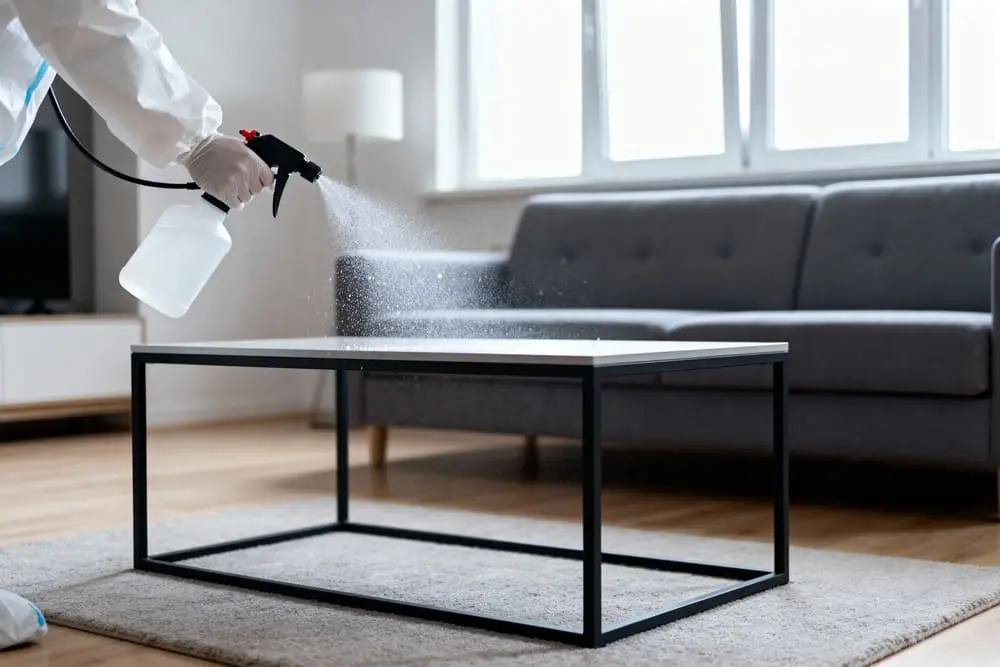
What is the difference between sanitize vs clean? This is a common question for homeowners who want to maintain healthy, safe living spaces. Many people still wonder what’s the difference between cleaning and sanitizing, assuming both actions achieve the same result. In reality, they serve different purposes and are used at different stages of proper hygiene. Understanding these distinctions helps create cleaner environments that are not only visually appealing but also safer for daily life.
In the post-pandemic era, awareness around hygiene has grown, yet confusion remains around cleaning, sanitizing and disinfecting. Each action plays a specific role in surface care. In this article, Yorleny’s Cleaning Services explains how cleaning, sanitizing, and disinfecting work together, and why choosing the right method matters for Florida homes.
Why the Difference Between Cleaning and Sanitizing Matters
How These Terms Affect Home Hygiene
Many homeowners do not realize that cleaning and sanitizing refer to two different actions. Cleaning removes visible dirt, grease, and debris, while sanitizing focuses on lowering bacteria levels that may cause illness. When people misunderstand the difference between cleaning and sanitizing, they may rely on one step alone, leaving surfaces that look clean but are not hygienically safe.
Confusing sanitizing cleaning processes can also lead to improper chemical use or skipped steps, especially in food-contact or high-touch areas where bacteria spreads easily.
Why Florida Homes Need Clear Cleaning Strategies
Florida’s warm, humid climate creates ideal conditions for mold, bacteria, and allergens. This makes understanding what is the difference between cleaning and sanitizing even more important. While cleaning improves appearance, sanitizing plays a critical role in controlling microbial growth caused by moisture.
For Florida residents, recognizing the difference between cleaning, sanitizing and disinfection helps prevent recurring hygiene issues and supports healthier indoor environments year-round.
What Is Cleaning?
What Cleaning Removes and When to Use It
Cleaning focuses on removing visible contaminants such as dust, food residue, and spills using water and detergents. This step is essential, but on its own, it does not eliminate most microorganisms. When discussing cleaning, sanitizing and disinfecting, cleaning is always the first step that prepares surfaces for deeper hygiene actions.
Understanding how cleaning fits into the broader process clarifies why it is not a substitute for sanitizing in health-sensitive areas.
Examples of Cleaning in Kitchens, Bathrooms, and Floors
Kitchens
Daily cleaning includes washing dishes, wiping countertops, and removing grease to maintain surface cleanliness. Appliances like microwaves and refrigerators benefit from routine cleaning to control odors and residue.
Bathrooms
Bathrooms require frequent cleaning to remove soap scum, mineral buildup, and visible grime before moving on to sanitizing or disinfecting steps.
Floors
Regular sweeping and mopping remove dirt and dust, while deeper cleaning prepares high-traffic areas for effective sanitizing when needed.
What Is Sanitizing?
What Sanitizing Reduces and When It’s Needed
Sanitizing reduces microorganisms to safe levels based on public health standards. When comparing sanitize vs clean, sanitizing goes beyond appearance and focuses on health protection. It is most effective after cleaning, once dirt and residue no longer block sanitizing agents.
This step bridges the gap between basic cleaning and full disinfection, making it ideal for homes with children, pets, or shared spaces.
Common Areas in Florida Homes That Benefit From Sanitizing
In Florida homes, sanitizing is especially important in kitchens, bathrooms, laundry rooms, and high-touch surfaces like doorknobs and switches. These areas are more exposed to moisture and frequent contact, making them prime candidates when evaluating what’s the difference between cleaning and sanitizing in real-life scenarios.
Surfaces with High Touch
When comparing sanitize vs clean, high-touch surfaces are where the difference matters most. Regardless of temperature, these areas must be regularly sanitized to limit the spread of viruses and bacteria, since cleaning alone is often not enough.
Kitchen: Cutting boards, stove knobs, shared coffee machine controls, refrigerator, dishwasher, and microwave handles, countertops, and faucet and sink handles.
Bathroom: Countertops, shower handles, sink and faucet handles, flush handles, and toilet seats.
General Living Areas: Doorknobs, light switches, stair railings, gaming controllers, remote controls, and shared gadgets like tablets and keyboards are examples of general living areas.
Areas That Are Prone to Humidity (Specific to Florida’s Climate)
Florida’s high humidity accelerates mold and mildew growth, making it critical to apply the correct sanitize vs clean strategy in moisture-prone areas.
- Bathrooms: To avoid soap scum and mold growth, make sure bathrooms and laundry rooms have adequate ventilation with exhaust fans and clean excess moisture from shower walls and surfaces.
- Kitchen (Specific regions): Moisture and bacterial buildup commonly occur in refrigerator drain pans, sink areas, and dish rags or sponges, where sanitize vs clean decisions directly impact hygiene.
- HVAC Systems and Ducts: To avoid standing water, regularly check and clean evaporator coils, drain pans, and drain lines. Air conditioners are a major cause of condensation.
- Hidden Indoor Areas: Because of inadequate ventilation, attics and crawl spaces are susceptible to moisture buildup that goes unreported.
- Around Windows and Doors: Moisture buildup around windows and doors due to condensation or leaks can result in the growth of mold.
- Carpets: Nutrients for mildew growth beneath carpets might come from food spills and ambient wetness.
- Pet Areas: Bedding, toys, and dishes should be cleaned and sanitized frequently, reinforcing why sanitize vs clean is not just a semantic difference but a health decision.
What Is Disinfecting?
How Disinfection Works
Disinfecting refers to using specific chemical products to eliminate or inactivate pathogenic microorganisms such as bacteria, viruses, and fungi. Unlike the sanitize vs clean comparison, disinfection aims to destroy nearly all infectious agents, especially on high-touch surfaces.
When You Should Disinfect your Home
In 2026, health guidelines recommend disinfecting your home when there is a significant risk of germ spread or when specific environmental conditions in Florida require it. Disinfect in the following situations:
Presence of Illness
- If someone is sick: Disinfect surfaces they touch daily, such as light switches and doorknobs.
- After recovery: Conduct a deep cleaning to eliminate remaining germs after illnesses like the flu.
Prevention on High-Touch Surfaces
- Daily: In multi-person households, disinfect frequently touched objects like doorknobs and faucets at least once a day.
- After visitors: Clean and disinfect common areas post-visit.
Critical Areas (Kitchen and Bathroom)
- Food Prep: Disinfect countertops and cutting boards after handling raw meat or eggs to prevent cross-contamination.
- Damp Areas: In Florida’s humidity, disinfect mold-prone areas like showers and sinks regularly.
Special Situations
- Vulnerable Individuals: Increase disinfection for homes with young children, the elderly, or those with weakened immune systems.
- Power Outages: During extended outages, check and disinfect areas prone to condensation to prevent mold.
Cleaning Sanitizing and Disinfecting
Side-by-Side Comparison of Each Method
What’s the difference between cleaning, sanitizing and disinfection? To understand the concepts of sanitize vs clean vs disinfect, it’s best to compare them side-by-side to gain a perspective on what each involves.
Disinfecting is the process of eliminating microbes with chemical agents. Just as one can disinfect a work area or a surface, this concept also applies to any place where microorganisms grow, for example, disinfecting wounds.
Once this is understood, one question remains: What is the difference between cleaning and sanitizing? The difference between cleaning and sanitizing becomes clearer. Cleaning and sanitizing refer to two different actions. Cleaning does not involve a disinfection process, while sanitizing does. When cleaning, products like soap, bleach, or natural products like vinegar are used, which have little to no disinfectant power.
On the other hand, sanitizing necessarily involves a disinfection process. Disinfectants such as isopropyl alcohol or ammonia are used to kill bacteria and other microorganisms. This process is common in hospitals, but it is also carried out in homes.
What Each One Eliminates and Where It Works Best
One of the keys to understanding the difference between sanitize vs clean lies in the mechanisms each action involves. Cleaning primarily acts on the physical aspect, removing visible particles that may contain germs. However, microorganisms can remain alive on surfaces even after superficial cleaning.
Disinfection, on the other hand, requires products with active ingredients such as sodium hypochlorite, 70% ethyl alcohol, or quaternary ammonium compounds, which are approved to destroy pathogens. When evaluating sanitize vs clean, it becomes clear that cleaning should always come first, followed by sanitizing or disinfecting to achieve effective hygiene.
Cleaner vs Sanitizer vs Disinfectant
Definitions of Each Product
Although they are sometimes used synonymously, cleaners, sanitizers, and disinfectants are three separate processes in surface hygiene with different purposes and legal requirements. Dirt is removed by cleaning, bacteria are reduced to safe levels by sanitizing, and almost all germs, including viruses, are killed by disinfecting.
Cleaner
Cleaners are products that use soaps, detergents, and water to physically remove dust, grime, and impurities from surfaces. The goal is to clear clutter and give a surface a clean appearance. Usually doesn’t kill germs; instead, it eliminates them and reduces their population.
You use cleaners as a prerequisite to cleaning or sanitizing. Examples include degreasers, dish soap, and all-purpose cleaners.
Sanitizer
Sanitizers are substances that lower a surface’s bacterial count to levels deemed safe by public health regulations. When comparing sanitize vs clean, sanitizing goes a step further by reducing microorganisms, usually achieving a minimum 99.9% reduction.
Sanitizers are ideal for commonly touched objects or food-contact surfaces such as counters, cutting boards, and dishes. However, it is important to note that viruses are typically not eliminated by sanitizers.
Disinfectant
Chemical agents known as disinfectants eradicate bacteria, viruses, and fungi from inanimate surfaces. The goal is to eliminate or render almost all harmful bacteria inactive. Within a designated, EPA-registered time period (dwell time), microorganisms must be reduced by at least 99.999%.
Use disinfectant for high-risk areas, in restrooms, or on hard, non-porous surfaces when someone is ill. Disinfectants typically need to be used after cleaning because they do not remove dirt.
How to Choose the Right Solution for Your Home
Choosing between cleaner, sanitizer, or disinfectant depends on the level of dirt and the risk of germs. Understanding sanitize vs clean helps homeowners make informed decisions based on real hygiene needs rather than assumptions.
How to choose the right solution:
- Analyze the dirt: If there is visible dirt, use a cleaner first.
- Determine the risk: Use disinfectants for bathrooms, kitchens (after raw meat), or if there are sick people present.
- Read the label: Look for the health registration number to ensure effectiveness.
- Contact time: Disinfectants need to remain wet on the surface for the time indicated on the label (e.g., 1-10 minutes) to be effective.
- Safety: Do not mix products and ventilate the area.
When Professional Deep Cleaning Makes a Difference
Signs You Need Expert Help
Even if you regularly clean your home, there are situations where sanitize vs clean matters and DIY efforts aren’t enough. Visible dirt, lingering bacteria, or high-traffic areas may require professional intervention to ensure surfaces are not just clean, but truly sanitized.
How Deep Cleaning Services Support a Healthier Home
Hiring professional cleaning services ensures the right techniques are applied for sanitize vs clean tasks. Experts remove hidden germs, reduce allergens, and use safe products that protect your home’s surfaces while creating a healthier environment for your family.
Contact us today to schedule professional deep cleaning and ensure your Florida home is properly sanitized, spotless, and safe. If buildup, humidity, or recurring bacteria are hard to manage, our Deep Cleaning Service in South Florida can help restore a safer, fresher home.
FAQs About Sanitize vs Clean
What is the difference between cleaning and sanitizing?
The concept of sanitize vs clean comes down to purpose. Cleaning removes visible dirt, dust, and grease from surfaces, while sanitizing reduces bacteria to safer levels, making spaces healthier but not fully germ-free.
What is the difference between sanitizing and disinfecting?
When comparing sanitize vs clean, it helps to understand that sanitizing lowers the number of germs, whereas disinfecting aims to kill most viruses and bacteria using stronger chemical agents.
Do I need to sanitize after cleaning?
In the context of sanitize vs clean, sanitizing after cleaning is recommended for high-touch areas like kitchen counters and bathroom surfaces, where reducing bacteria is especially important.
What’s the difference between sanitizer and disinfectant?
Understanding sanitize vs clean also involves knowing product labels. Sanitizers are designed to lower germ levels safely, while disinfectants are formulated to eliminate a broader range of microorganisms.
Recent Articles

Move Out Cleaning Checklist: Everything You Need Before Moving Out
After days or weeks of preparing everything, your body starts to give out, and your mind is fried. To help you stay…

How to Clean Stainless Steel Pans the Right Way
Stainless steel is durable, safe, and ideal for high-heat cooking. Learning how to clean stainless steel pans correctly helps maintain their shine…

How to Remove Stain From Wood Safely and Effectively
Wood is a noble, elegant, and warm material, but also very delicate. That’s why knowing how to remove stain from wood properly…
An overview of the areas we serve
See below to check if our top-quality house cleaning services are available in your city and book your first appointment with just a few clicks.