

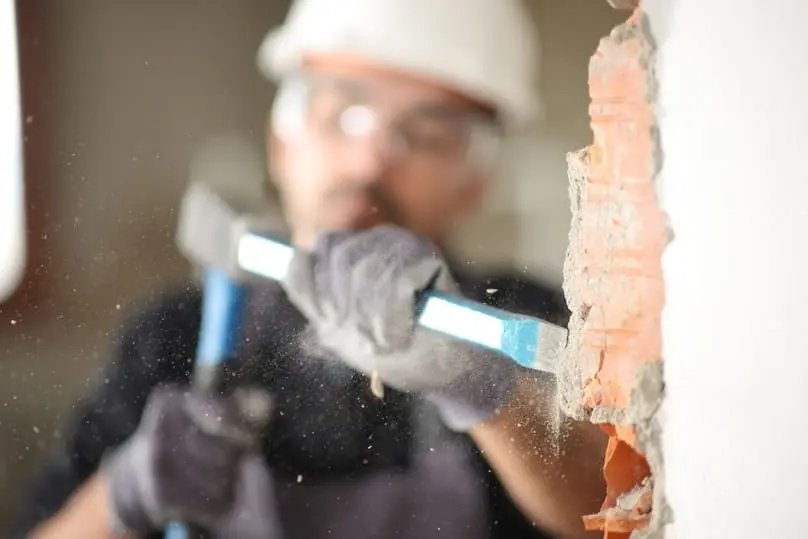
The release of dust and noise from construction sites can have significant consequences for public health and the environment, making construction dust control essential, as airborne dust particles affect air quality and constant noise disturbs citizens and residents near the construction site.
These dust particles, generally released by industrial and commercial activities, degrade air quality and pose a health risk, especially if inhaled over long periods. Understanding how to reduce dust in construction site conditions is key to protecting health and minimizing safety risks. They can affect health and increase safety risks.
In this post, YCS will analyze in depth what airborne or fugitive dust is and present effective dust control solutions. Keep reading to know more about dust prevention in construction.
What Is Construction Dust and Why Control Matters
What Construction Dust Is and Where It Comes From
Construction dust, or fugitive dust, is a mixture of fine particles produced during the building, demolition, and remodeling processes, including harmful silica, wood, and gypsum dust. It results from the cutting, grinding, drilling, and sweeping of materials such as concrete, stone, and mortar. Construction dust control is critical since it causes serious respiratory disorders such as silicosis, COPD, and cancer.
Health and Cleaning Risks Caused by Construction Dust
The lack of construction dust control causes serious risks to health such as lung cancer, silicosis, asthma, and chronic obstructive pulmonary disease (COPD) by inhaling fine silica, wood, and asbestos particles.
- Silicosis: Inhaling respirable crystalline silica (RCS) can induce irreversible lung tissue scarring, resulting in a deadly and incurable lung illness.
- Respiratory Illnesses: Long-term exposure causes chronic bronchitis, pneumonia, and severe asthma.
- Cancer: Exposure to asbestos and silica dust raises the chance of developing lung cancer and mesothelioma.
- Skin and Eye Irritation: Concrete dust is extremely alkaline, producing dermatitis and severe chemical irritation, whilst fine dust causes eye injury.
Common Sources of Dust at Construction and Renovation Sites
Dust From Cutting, Sanding, and Demolition
Activities that include breaking, cutting, or smoothing materials including concrete, stone, wood, and drywall, which emit hazardous particles such as respirable crystalline silica (RCS), are common sources of dust on construction and restoration sites. High-energy power tools and demolition activities are the leading causes, especially in confined or poorly ventilated areas.
Differences Between Indoor and Outdoor Construction Dust
When it comes to construction dust control, it is critical to understand the differences between the various forms of dust. Indoor dust has higher levels of gypsum, paint, and small, persistent particles that build in enclosed environments.
On the other hand, outdoor dust is composed of soil, sand, and large-scale, wind-driven particulates, which are frequently mixed with diesel emissions from heavy machinery.
Why Dust Control Is Especially Important During Indoor Construction
How Construction Dust Spreads Inside Homes
Construction dust control is critical during indoor construction because remodeling materials produce fine, harmful particles such as silica dust from concrete, drywall dust, and asbestos, which are significantly more dangerous and mobile than ordinary household dirt.
Without proper containment, this dust spreads quickly via HVAC systems and air currents, settling into deep crevices and inflicting long-term air quality, health, and property harm.
Impact of Dust on Hvac Systems and Indoor Air Quality
Construction dust has a significant influence on HVAC systems by clogging filters, coating coils, and lowering operational efficiency, often resulting in premature failure and increased fire hazards.
It significantly lowers indoor air quality (IAQ) by introducing small particulates that can linger for weeks. To achieve effective control, construction sites must be sealed, filters upgraded, and dust managed at the source.
Dust Control Methods Used in Construction
Plastic Barriers and Area Containment
Construction dust control using plastic barriers and area confinement is a significant engineering control in construction, aiming to separate work zones from occupied areas, protecting indoor air quality and reducing cleanup time.
Effective containment frequently entails the use of 4-6 mm polyethylene sheeting, dust barrier poles, and adhesive zippers to establish airtight seals, especially during demolition or reconstruction.
Wet Cutting and Dust Suppression Techniques
Dust control at construction site is critical for managing dangerous particulate matter such as respirable crystalline silica (RCS) and ensuring compliance with health and safety requirements. The two main tactics are wet cutting, which prevents dust from becoming airborne at the source, and dust suppression, which traps airborne particles and weighs down settled dust.
Ventilation and Negative Air Pressure Systems
A dust control plan for construction site, especially for interior or remodeling projects, is highly reliant on ventilation and negative air pressure systems to segregate contaminants, protect workers, and preserve air quality in nearby occupied spaces. These approaches are frequently required when dealing with dangerous contaminants such as silica, lead, or mold.
Managing Dust After Construction Work Ends
Construction dust control necessitates a specific, staged strategy since construction dust (particularly from drywall, cement, and sanding) is much finer than household dust and can harm standard vacuum motors. The most successful method is a top-to-bottom, dry-then-wet, multi-day procedure that employs HEPA filtration to retain rather than disperse contaminants.
Dust Control Solutions for Construction Projects
Temporary Dust Control Solutions
These techniques are employed during active construction, demolition, and dry, windy conditions.
- Water Suppression: The most prevalent approach, which uses water trucks or sprays to dampen soil and dusty regions.
- Physical Containment & Barriers: erecting windbreaks, screens, or fences to keep dust from leaving the site.
- Chemical Suppressants: Using chemicals such as calcium or magnesium chloride to absorb moisture on unpaved roads, or polymers to generate a surface crust.
- Vehicle Management: Installing wheel wash stations at exits to prevent mud from spreading into public roadways, as well as enforcing low speed limits on site.
- Covering Stockpiles: Placing tarps or plastic sheets over heaps of soil or rubbish.
Long-Term Dust Prevention Methods
These strategies keep dust at bay for the duration of the job and beyond.
- Site Stabilization: Site stabilization includes seeding and mulching cleared areas early on, as well as putting gravel to high-traffic areas.
- Progressive Paving: Paving roads and parking lots as soon as feasible to permanently seal in dust.
- Vegetative Buffers: Planting plants or bushes to act as natural windbreaks, slowing wind speeds at ground level.
- Permanent Binders: Using specialized, long-lasting soil binders (such as lignin sulfonate) to retain soil particles together even after building is completed.
Dust Control During Construction vs Post-Construction Cleaning
What Dust Control Can Prevent
Dust control during construction effectively suppresses particles at their source with wet technologies, vacuums, and barriers, preventing harmful dust from spreading. After-construction cleaning removes any settled residue. Proper, proactive dust control reduces health dangers, respiratory risks, HVAC system damage, and improves overall air quality.
What Requires Post-Construction Cleaning
Post-construction cleaning is necessary to remove fine, toxic silica dust, trash, and adhesives that remain after construction, creating a safe, move-in-ready space. While construction dust control reduces airborne particles during construction, it does not remove settled dust from surfaces and HVAC systems, necessitating comprehensive cleaning approaches.
Common Mistakes That Increase Construction Dust
Failing to Seal Work Areas Properly
Failing to adequately seal work areas is a major source of excess construction dust, causing microscopic particles such as silica and drywall dust to enter the entire property rather than remaining contained inside the construction zone.
Failure to construct a secure, airtight barrier surrounding the work area allows dust to migrate, settle on finished surfaces, and enter ventilation systems, frequently resulting in recontamination even after cleaning.
Dry Sweeping and Improper Cleanup Methods
Common mistakes made in dust control at construction site, including dry sweeping and utilizing incorrect procedures, frequently increase dust problems, resulting in dangerous air quality and persistent, settled dust.
Fine construction dust, which includes silica from concrete, drywall, and wood, is too fine for regular brooms and vacuums to handle, necessitating specialist, wet or HEPA-filtered approaches for control.
When Construction Dust Requires Professional Cleaning
Signs Construction Dust Buildup Is Severe
Understanding construction dust control is essential to keep indoor spaces safe and healthy. When dust accumulates on surfaces, vents, and floors, it can affect air quality and daily comfort. Severe buildup signals it may be time for professional cleaning support.
How Post-Construction Cleaning Restores Indoor Spaces
Effective construction dust control involves more than quick sweeping. Professional post-construction cleaning removes fine dust from hard-to-reach areas, restoring cleanliness and improving indoor air quality. This ensures your space is safe, comfortable, and ready for use.
If you want to maintain a clean and healthy environment after construction, Yorleny’s Cleaning Services is ready to help. Contact us today to keep your property spotless and dust-free.
Frequently Asked Questions About Construction Dust Control
How to reduce dust in construction site
To manage construction dust control, use barriers like plastic sheeting, seal vents, and employ air scrubbers or dust extraction tools. Regularly sweeping and wetting surfaces also minimizes airborne dust. Proper planning ensures that workers and the indoor environment remain safer and cleaner throughout the project.
Can Construction Dust Be Completely Prevented?
While construction dust control can greatly reduce dust levels, it is difficult to prevent it entirely. Some particles will inevitably become airborne during cutting, sanding, or demolition. Combining preventive measures and post-construction cleaning ensures the safest and cleanest environment possible.
Is Construction Dust Dangerous Indoors?
Yes, construction dust can be harmful indoors, especially when it contains silica, drywall, or other fine particles. Lack of construction dust control can lead to respiratory issues, allergies, and eye irritation. Proper ventilation, protective gear, and dust mitigation strategies help protect workers and occupants.
What’s the Difference Between Dust Control and Post-Construction Cleaning?
Construction dust control focuses on preventing dust from spreading during the building process using barriers, vacuums, and water sprays. Post-construction cleaning is the thorough cleaning that occurs after work is completed to remove remaining dust, debris, and residue. Both steps are essential for a safe and clean indoor environment.
Recent Articles

Best Way to Clean a Washing Machine: Proven Methods That Actually Work
Cleaning your washing machine regularly is crucial for maintaining hygiene and efficiency in your household. Understanding the best way to clean a…
How to Clean Brass Safely and Restore Its Shine
Brass pieces are trending now more than ever, so you probably have some at home. Knowing how to clean brass is essential…

Easter Cleaning Checklist to Get Your Home Ready
Easter goes beyond just chocolate eggs and family lunches; it’s the perfect time to refresh and revitalize your home using a detailed…
An overview of the areas we serve
See below to check if our top-quality house cleaning services are available in your city and book your first appointment with just a few clicks.