

Have you ever reached for the vacuum because it was the fastest way to deal with a sudden mess? That instinct makes sense—until the mess contains liquid, broken glass, a small toy, or wet soil. The wrong debris can clog the hose, damage the brush roll, spread contamination, or create a safety problem for you and the machine.
That does not mean your vacuum is fragile or that you need a different tool for every crumb. It means you should identify the material first. This guide explains the things you should never vacuum with a standard household vacuum, what to use instead, and when a wet/dry vacuum or specialized equipment may be appropriate. If keeping up with the rest of your home is becoming difficult, house cleaning services can help with the routine work as well.
How Can You Avoid Vacuuming the Wrong Mess?
Before turning on the machine, pause for a quick check:
- Is the material wet, sharp, hot, sticky, or unusually large?
- Could it contain food, chemicals, ashes, or broken pieces?
- Does your vacuum’s manual specifically allow that type of debris?
- Would a broom, dustpan, cloth, mop, or scraper handle it more safely?
Important Note: A standard household vacuum is designed for compatible dry debris. A wet/dry vacuum is a different type of equipment, but even it has limits. Always follow the manufacturer’s instructions before vacuuming anything unusual.
What Should You Never Vacuum?
The following materials can damage a regular vacuum or create unnecessary risks. Some are safe to remove with a specialized machine, but they should not go into an ordinary household vacuum without checking the equipment first.
| Mess | Why a standard vacuum is a poor choice | Safer alternative |
|---|---|---|
| Wet food or sticky spills | Can clog the hose, spoil inside the machine, or leave odors | Scrape, wipe, and wash the area |
| Liquids | May damage electrical components and create a shock hazard | Use towels, a mop, or a wet/dry vacuum approved for liquids |
| Broken glass | Sharp pieces can damage the vacuum and may remain inside the machine | Use a brush, dustpan, and tongs for small pieces |
| Coins, toys, and large objects | Can block the hose or damage the brush roll | Pick them up before vacuuming |
| Wet soil and heavy sand | Can clog filters, strain the machine, or grind into carpet fibers | Let soil dry, remove large pieces, then use the appropriate floor method |
1. Wet Food and Sticky Kitchen Spills
Standard vacuums should not be used to pick up wet food, sauces, fresh produce, or sticky kitchen residue. Moisture and food particles can collect inside the hose or dustbin, where they may spoil, create odors, and become difficult to remove. Sticky substances can also coat the brush roll and reduce its performance.
For a small spill, scrape thick food into the trash with a paper towel or spatula. Wipe the remaining residue with a damp cloth, then clean the surface with a compatible kitchen product. If the spill has reached the floor, use a mop or a floor-safe cloth after removing the solid material.
Dry, loose debris such as crumbs, salt, or sugar is generally compatible with many household vacuums, but check the machine’s instructions and avoid overloading it. The important distinction is between dry particles and wet or sticky material.
2. Liquids and Saturated Materials
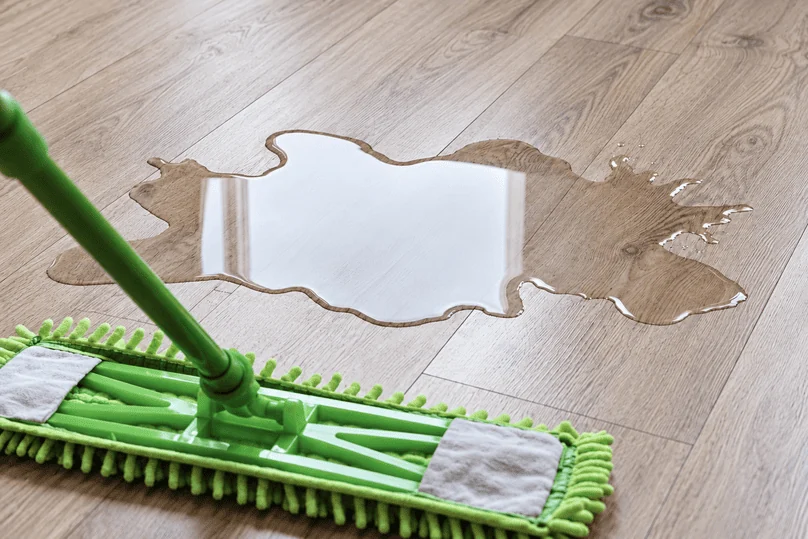
Do not use a standard vacuum to pick up water, juice, cleaning solution, or other liquids. Liquid can reach electrical components, damage the motor, or create a shock risk. Unplug the vacuum and keep it away from the spill until the area is safe.
Use towels or a mop for a small household spill. For a larger amount, use a wet/dry vacuum only if the equipment is designed for liquid pickup and the manufacturer’s instructions allow it. Do not assume that a cordless stick vacuum, robot vacuum, or carpet vacuum can handle water simply because it has strong suction.
If the liquid may contain sewage, chemicals, bodily fluids, or another hazardous substance, do not improvise with household equipment. Follow the relevant safety instructions or contact a qualified professional.
3. Large Pieces of Broken Glass
Broken glass is one of the clearest examples of something you should never vacuum with a standard machine. Large shards may tear a vacuum bag, damage the hose, or remain inside the dustbin where they can injure someone later. A vacuum also does not guarantee that every sharp fragment has been safely contained.
Keep children and pets away from the area. Put on closed-toe shoes and use a broom and dustpan to collect the larger pieces. Use tongs or another suitable tool for small visible fragments, and place the glass in a rigid container rather than a thin trash bag. The Occupational Safety and Health Administration (OSHA) recommends using a broom and dustpan for broken glass instead of handling it directly. OSHA’s glass-cleanup guidance provides additional safety context.
After the visible pieces are removed, inspect the area with a flashlight. If the surface is a carpet or rug, use an appropriate method for the material only after confirming that no sharp fragments remain. Never use your bare hands to test the area.
4. Coins, Small Toys, and Other Hard Objects
Coins, building blocks, puzzle pieces, bottle caps, screws, and similar objects may look harmless, but they can block the hose or become trapped in the brush roll. Small objects can also damage internal parts when the machine pulls them in at high speed.
Before vacuuming, scan the floor and remove anything that does not belong there. This is especially important in children’s rooms, play areas, entryways, and homes with pets. If an object has already entered the hose, turn off and unplug the vacuum before trying to remove it. Never put your hand into a moving brush roll or connected hose.
Once the floor is clear, you can use the right attachment and a slower overlapping technique for a more thorough result. This professional vacuuming technique covers preparation, attachments, floor settings, corners, and equipment maintenance.
5. Wet Soil, Heavy Sand, and Large Clumps of Dirt
Wet soil is another material that should not go into a standard vacuum. It can stick to carpet fibers, clog filters, and create moisture inside the machine. Heavy sand can also wear carpet fibers over time and fill a dustbin quickly, particularly in Florida homes where outdoor sand and grit may be tracked indoors.
If soil has been brought inside, remove the larger clumps with a spoon, scraper, or paper towel without rubbing them into the carpet. Let the remaining damp soil dry completely, then lift or loosen the dry material according to the carpet manufacturer’s instructions before vacuuming. Avoid aggressive scrubbing, which can push the particles deeper into the fibers.
For loose dry sand on a hard floor, sweep it first. On carpet, use a vacuum with the appropriate setting and empty the dustbin before it becomes overloaded. If the carpet contains a large amount of embedded sand or soil, a deeper cleaning may be more appropriate than repeated vacuuming.
What Else Should You Check Before Vacuuming?
The five categories above are the most common household mistakes, but a quick inspection can prevent other problems too. Do not vacuum hot ashes, live embers, wet paint, flammable liquids, powders that may be hazardous, or substances that could release harmful particles into the air. Regular household vacuums are not designed for every type of contamination.
Check the floor, the manufacturer’s manual, and the vacuum’s filter before beginning. If the material is unusual or potentially hazardous, stop and identify the correct cleanup method first. The Environmental Protection Agency recommends using high-efficiency particulate air (HEPA) equipment for certain fine-particle cleanup situations, but a HEPA filter does not make an ordinary vacuum suitable for every material. EPA guidance on vacuuming and indoor particles explains how filtration can help reduce particles escaping from the machine.
How Can You Keep Your Vacuum Working Properly?
Avoiding the wrong debris is only part of vacuum care. You should also:
- Empty the dustbin or replace the bag before it becomes too full.
- Clean or replace filters according to the manufacturer’s instructions.
- Remove hair and thread from the brush roll after unplugging the machine.
- Check the hose and attachments for blockages.
- Keep the vacuum dry and store it in a protected area.
- Use the correct floor setting and attachment for carpet, rugs, hard floors, and upholstery.
If the vacuum smells unusual, loses suction, overheats, or makes a new noise, turn it off and inspect it before continuing. Repeatedly using a struggling machine can turn a minor blockage into a more expensive repair.
When Professional Cleaning Can Help in Lake Worth
Knowing what you should never vacuum helps you avoid unnecessary damage, but some messes are difficult to manage safely—especially when they involve embedded soil, large amounts of sand, delicate flooring, or several rooms that need attention.
If you need help maintaining your home, professional cleaners can handle routine cleaning according to the scope you request. Let the team know about delicate surfaces, unusual debris, or areas that need extra attention so the cleaning approach matches the condition of your home.
If you would rather leave the floors and recurring chores to a trained team, contact Yorleny’s Cleaning Service to discuss the cleaning support your home needs in Lake Worth and the surrounding area.
Frequently Asked Questions About Things You Should Never Vacuum
Can you vacuum water with a regular vacuum?
No. A regular household vacuum should not be used to pick up water or other liquids. Use towels or a mop for small spills, or use a wet/dry vacuum only when the equipment is specifically designed and approved for liquid pickup.
Can you vacuum broken glass?
Do not use a standard vacuum to collect large broken-glass pieces. Use a broom and dustpan for the larger shards and tongs or another suitable tool for small visible pieces. Keep children and pets away until the area has been inspected carefully.
Can you vacuum wet dirt from carpet?
It is better to let wet dirt dry before using a standard vacuum. Remove large clumps without rubbing them into the carpet, then follow the carpet manufacturer’s care instructions. Wet soil can clog the vacuum and push particles deeper into the fibers.
Can you vacuum coins and small toys?
You should pick up coins, toys, blocks, and similar objects before vacuuming. They can block the hose or damage the brush roll and other internal components.
Can I use a vacuum for sand?
You can vacuum loose, dry sand when the machine and floor type allow it, but sweep large amounts from hard floors first and empty the dustbin regularly. Heavy sand can fill filters quickly and may wear carpet fibers when it remains embedded.
What should I do if I vacuumed something I should not have?
Turn off and unplug the machine. Check the hose, brush roll, filter, bag, or dustbin for blockage or damage, following the manufacturer’s instructions. If the item was liquid, glass, a chemical, or a hazardous material, do not continue using the vacuum until you know that it is safe.

Reviewed by:
Tony Loeffler is the Co-Founder of Yorleny's Cleaning Service and a leader in residential cleaning services. As a content reviewer and writer, he is an expert around the cleaning services in Florida, specifically West Palm Beach County.
Recent Articles

How to Clean Seasonal Decorations and Holiday Decor Safely
The holiday season is the perfect time to decorate our homes with lights, ornaments, and magical touches. However, before reusing decorations that…
How to Clean Up Glitter From Floors, Carpet, and Furniture
Glitter is a frustrating holiday mess, clinging to fabrics and sticking via static electricity. Knowing how to clean up glitter quickly prevents…

How to Get Food Coloring Off Skin, Clothes, Carpet, and Counters
If you or your children are dyeing Easter eggs or getting creative with crafts, it is very likely that some of the…
See below to check if our top-quality house cleaning services are available in your city and book your first appointment with just a few clicks.