

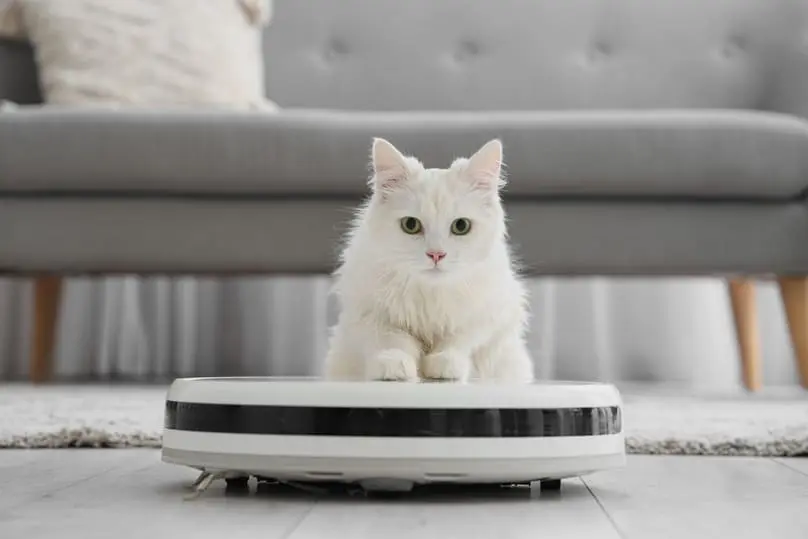
Do robot vacuums work well enough to make floor cleaning easier? They can reduce loose dust, crumbs, pet hair, and tracked-in sand, but their results depend on the floor type, layout, debris, and model. If you expect one device to replace every pass with a traditional vacuum, missed corners, stairs, and embedded dirt can quickly become frustrating.
The practical solution is to use a robot for routine floor maintenance and keep manual or house cleaning in South Florida for areas and buildup the device cannot handle. This guide explains where robot vacuums perform well, where they fall short, and which features matter before you buy one for a Florida home.
Do Robot Vacuums Work? Quick Steps
Yes, robot vacuums work best as maintenance tools on accessible floors. Use these steps to decide whether one fits your home:
- Match the robot to your main flooring, rugs, pet hair, and room layout.
- Clear cords, socks, toys, and lightweight objects before a cleaning cycle.
- Set boundaries for stairs, wet areas, delicate rugs, and rooms the robot should avoid.
- Use scheduled runs to prevent loose debris from accumulating.
- Empty the bin and maintain the brushes, wheels, filters, and sensors according to the manufacturer’s instructions.
- Use a traditional vacuum or house-cleaning routine for stairs, upholstery, corners, and deeper buildup.
Important Note: A robot vacuum is not a hands-off solution in every home. Floors still need preparation, the unit requires maintenance, and pets should be supervised until you know how they react to the device.
What Is a Robot Vacuum and How Does It Work?
Robot vacuum cleaners are designed to clean floors automatically. They are one category of robots that clean your house and are built mainly for repeatable floor care rather than whole-home cleaning.
How Robot Vacuums Navigate and Clean
Robot vacuums use a combination of sensors, software, brushes, and suction to move around a floor and collect debris. Navigation varies by model, some move in less structured patterns, while others use cameras or Light Detection and Ranging (LiDAR) to create maps and follow planned routes.
Unlike traditional vacuums, these machines can be scheduled for specific times or zones and even activated by app or voice command.
Advanced models recharge automatically, and some resume cleaning after charging. These features reduce daily effort, but they do not guarantee complete coverage or equal performance across every floor.
How Roombas Work vs. Other Models
Some homeowners wonder, do Roombas really work better than other brands? Roombas rely on sensors, mapping, and model-specific cleaning systems, but “Roomba” is a brand name rather than a separate type of cleaning device.
Basic models clean with simpler navigation and bump sensors, while higher-end Roombas and alternatives offer LiDAR or camera-based navigation and more detailed room controls.
Features like self-emptying bins, object recognition, carpet detection, and combined mopping can reduce routine handling. Their value depends on whether those features solve a real problem in your home.
How Well Do Robot Vacuums Work?
Do robot vacuums work for daily upkeep? In many homes, yes. They are most useful when they run regularly over uncluttered, compatible floors. They are less reliable for deep carpet cleaning, stairs, upholstery, wet messes, large debris, and tight corners.
Benefits of Using a Robotic Vacuum Cleaner
- Automation and convenience: They allow automatic home cleaning with less manual effort, freeing up time for other tasks.
- Autonomy: They can be programmed to operate independently and return to their base to recharge automatically.
- Compact design: Their size allows them to clean under sofas and other furniture, provided the clearance is sufficient.
- Lower noise: They are generally quieter than traditional vacuum cleaners, although noise varies by model and cleaning mode.
- Adaptability: They can clean different surfaces such as carpets, parquet, or tiles, when the model is compatible with those surfaces.
- 2-in-1 models: There are models that also mop the floor, offering light wet maintenance on approved hard floors.
Limitations You Should Know Before Buying
- Surface-level cleaning: They may fall short on stubborn dirt, embedded carpet debris, or deep cleaning.
- Edge and corner cleaning: They can leave debris along edges or in tight corners, even when they have side brushes.
- Maintenance and emptying: They require periodic maintenance of their components, including filters, brushes, wheels, and sensors.
- Initial and ongoing cost: In addition to the device, consider replacement filters, brushes, bags, pads, and approved cleaning liquid when applicable.
- Time constraints: Their cleaning process can be slow on large surfaces and may require charging before the entire floor is finished.
- Preparation requirements: The floor may need to be cleared to prevent tangles, blockages, or missed areas.
What Results Should You Expect?
| Cleaning situation | What a robot usually does well | Likely follow-up |
| Loose dust, crumbs, and light sand | Supports frequent maintenance on accessible floors | Check edges, corners, and areas behind obstacles |
| Pet hair | Reduces loose hair when run regularly | Remove tangled hair and deep-vacuum carpet or upholstery as needed |
| Low-pile carpet and rugs | Collects surface debris when the model and rug are compatible | Use a traditional vacuum for embedded dirt |
| Hard floors | Handles routine dry debris and, on compatible combo models, light mopping | Clean sticky residue and buildup manually |
| Stairs and upholstery | Does not clean these areas | Use a suitable attachment, handheld vacuum, or manual method |
Do Robot Vacuums Work on Carpet, Hardwood, and Tile?
Homeowners often ask whether robot vacuums work effectively on hardwood, tile, and carpet. Robot vacuums are versatile, but effectiveness can vary depending on suction, brush design, surface type, navigation, and maintenance of the cleaning system.
Carpet Cleaning Performance
Do robot vacuums work on carpet? Many models can maintain low-pile carpet and compatible rugs, but performance varies significantly. Brush design, airflow, navigation, carpet height, and the type of debris matter more than one advertised number.
High-pile or shag carpet, loose fringe, dark rugs, and lightweight mats can create navigation or compatibility problems for some devices. Check the manufacturer’s floor guidance and return policy rather than assuming every robot will work on every carpet.
Hardwood and Tile Surface Cleaning
Robot vacuums often perform well on sealed hard floors because loose debris is easier to reach than dirt embedded in carpet. Before using a vacuum-and-mop model, confirm that the floor finish can tolerate the recommended pad, moisture level, and cleaning solution.
Choose models equipped with floor-safe wheels and brushes. Features such as customizable no-go zones and carpet detection may help separate wet and dry cleaning areas.
Do Robot Vacuums Work for Pet Hair?
Do robot vacuums work for pet hair? They can help control loose hair when used frequently, but hair may wrap around rollers, side brushes, and wheels. Homes with shedding pets should compare brush design, bin capacity, obstacle detection, and access to replacement parts.
Always supervise pets around robots, since an animal may block, chase, or interfere with the device. Never rely entirely on object avoidance to detect a pet accident; inspect the floor before an unattended run.
Florida Sand, Dust, and Humidity
In South Florida, tracked-in sand and frequent indoor-outdoor traffic can fill a small onboard bin quickly. Regular runs may keep loose particles from spreading, but heavier accumulations can require a traditional vacuum first. Keep the robot and dock away from wet floors, and follow the manufacturer’s storage and moisture instructions during humid conditions.
Which Robot Vacuum Features Match Your Home?
Instead of choosing from a generic “best robot vacuum” list, compare features against your floor plan and cleaning needs. Product lines and specifications change, and advertised suction alone does not establish real-world performance.
For Large or Multiroom Homes
Many homeowners wonder whether robot vacuums work well in larger homes, where runtime and navigation efficiency are critical.
Look for reliable mapping, room selection, recharge-and-resume capability, adequate bin or dock capacity, and support for the number of floors you intend to map. A multistory home still requires someone to move the device between levels unless the manufacturer states otherwise.
For Pet Owners
Pet owners should consider tangle-resistant brush design, accessible rollers, bin capacity, replacement-filter availability, and obstacle avoidance. A self-emptying dock may reduce bin handling, but it does not remove the need to inspect brushes, wheels, and filters.
For Cluttered Rooms and Delicate Objects
No obstacle-avoidance system should be treated as perfect. Pick up cords, socks, lightweight toys, and fragile objects before a run. Use no-go zones around pet bowls, floor vents, delicate rugs, and other areas where contact or moisture could cause a problem.
Smart Mapping and Privacy
A model that uses an app, cloud account, microphone, or camera may collect information about the device and home. Review its permissions, data controls, update policy, and account-security options before connecting it. The National Institute of Standards and Technology (NIST) notes that smart-home technology can introduce network-security and privacy risks that consumers may not fully understand. NIST’s smart-home privacy research provides useful context for evaluating connected features.
Robot Vacuums vs. Traditional Vacuuming and House Cleaning
Do robot vacuums work as complete replacements for traditional cleaning? Usually not. Robot vacuums offer convenience, automation, and scheduling for everyday upkeep, while manual cleaning remains necessary for deep dirt removal. Traditional vacuuming can reach stairs, upholstery, narrow spaces, and other surfaces a floor robot cannot clean.
The decision depends on your lifestyle, preferences, and cleaning needs, since both methods provide unique advantages when used together strategically.
Can a Robot Replace Manual Cleaning?
Robots excel at repetitive, predictable cleaning such as vacuuming floors, but they cannot manage every unexpected mess, raised surface, or detail-cleaning task.
The best approach is hybrid: allow robots to handle everyday chores while humans supervise, maintain, and perform specialized cleaning work.
When House Cleaning Is the Better Fit
A house-cleaning service may be more appropriate when the work includes bathrooms, kitchens, baseboards, surfaces above floor level, detailed buildup, or several rooms that need coordinated attention. The robot can continue handling compatible floor maintenance between visits without being presented as a substitute for the service.
How to Improve Robot Vacuum Performance
If you are still asking, “Do robot vacuums work in my layout?” test the device under realistic conditions during the return period and use a consistent setup. These five steps address the most common causes of missed areas and interruptions.
Step 1: Prepare the Floor
Pick up socks, toys, charging cables, and lightweight objects. Secure rug fringe when appropriate and remove any wet, sticky, sharp, or oversized debris that the robot should not collect.
Step 2: Position the Dock Correctly
Place the charging station on a stable surface with the clearance required by the manufacturer. Keep the approach free from clutter so the robot can leave and return without repeated navigation errors.
Step 3: Map Rooms and Set Boundaries
Use room maps, no-go zones, or physical barriers when available. Verify boundaries around stairs, pet areas, delicate rugs, and spaces where a mop attachment should not enter.
Step 4: Match the Schedule to the Mess
To maximize efficiency, create a consistent cleaning schedule that matches your daily routine. Increase or reduce runs based on visible debris, pets, occupancy, bin capacity, and manufacturer guidance rather than following one universal frequency.
Step 5: Maintain the Robot
Regularly clean brushes and sensors, keep the charging station accessible, and update firmware to maintain smooth operation. Empty the bin before it overfills and inspect the wheels and brush roll for hair or string. Component-specific instructions in this robot vacuum maintenance guide should always be checked against the manual for your exact model.
FAQs About Robot Vacuum Cleaners
Are Robot Vacuums Worth It?
They may be worth it for households that want frequent maintenance of accessible floors and are willing to prepare the space and maintain the device. They offer less value when most cleaning involves stairs, thick carpet, clutter, upholstery, or deep buildup.
Do Robot Vacuums Work Without Wi-Fi?
Some models can start basic cleaning from a physical button without Wi-Fi, while mapping, scheduling, remote control, updates, or voice features may require an app and internet connection. Confirm the exact model’s offline functions before buying.
Do They Get Stuck Often?
They can become trapped in clutter, tangled in wires, or struggle with high thresholds. Keep floors tidy and clean brushes regularly.
Using virtual walls or no-go zones reduces these problems and improves overall navigation, helping the robot vacuum move more efficiently around obstacles.
Can They Handle Stairs and Corners?
Robot vacuums are designed to detect drops rather than clean stairs. Side brushes can move debris away from some walls and edges, but corners may still need manual attention. In multistory homes, verify each level’s boundaries and follow the manufacturer’s instructions before operating the device near stairs.
Are Robot Vacuums Loud?
Noise varies by model, floor type, suction setting, and whether a self-emptying dock is operating. Compare the manufacturer’s specifications and, when possible, listen to the model in the cleaning modes you expect to use.
Do Robot Vacuums Work Better if They Run Every Day?
More frequent runs can prevent loose debris and pet hair from accumulating, but daily use is not necessary for every home. Choose a schedule based on traffic, pets, flooring, bin capacity, noise, and the maintenance required after each cycle.

Reviewed by:
Tony Loeffler is the Co-Founder of Yorleny's Cleaning Service and a leader in residential cleaning services. As a content reviewer and writer, he is an expert around the cleaning services in Florida, specifically West Palm Beach County.
Recent Articles

How to Clean Seasonal Decorations and Holiday Decor Safely
The holiday season is the perfect time to decorate our homes with lights, ornaments, and magical touches. However, before reusing decorations that…

How to Clean Up Glitter From Floors, Carpet, and Furniture
Glitter is a frustrating holiday mess, clinging to fabrics and sticking via static electricity. Knowing how to clean up glitter quickly prevents…

How to Get Food Coloring Off Skin, Clothes, Carpet, and Counters
If you or your children are dyeing Easter eggs or getting creative with crafts, it is very likely that some of the…
See below to check if our top-quality house cleaning services are available in your city and book your first appointment with just a few clicks.