

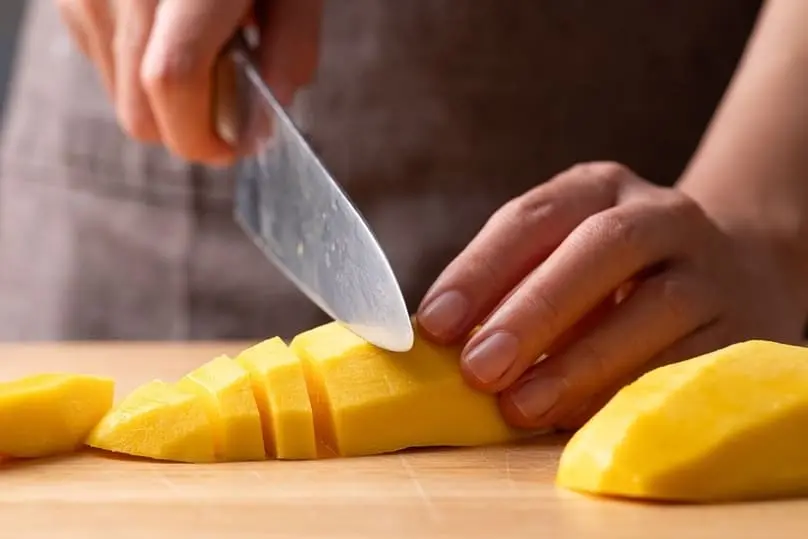
Understanding how to disinfect cutting boards is an important task to include in your house cleaning checklist, since most of the food you cook is cut and prepared on them. Even if you think only using soap is enough, it will work sometimes but not others. Some bacteria, mold, and more can grow in a cutting table, and you won’t even notice.
At YCS, we know that an essential utensil, such as a cutting board, requires attention to ensure it shines, remains safe, and is used properly in your home. Of course, you don’t need restaurant-level disinfection, but with some tips, you will surely learn how to disinfect cutting boards at home. Contact us and learn more about our cleaning services.
How to Disinfect Cutting Boards Safely: Expert’s Tips
It may be obvious to some, but there’s no included guide on how to disinfect cutting boards, so most people won’t even notice the difference if only water and dish soap work. There are different cutting boards, but a simple way to clean them is:
- Wash: Scrub the board with hot, soapy water to remove food residue and grease.
- Rinse: Rinse well with clean water to remove soap and debris.
- Sanitize: Apply a food-safe sanitizing solution and let it sit for the recommended time.
- Dry Completely: Air-dry the board or wipe it with a clean towel until fully dry.
Why Cutting Board Sanitizing Matters for Food Safety
Instructing you on how to sanitize cutting board is no more than learning about food safety and basic cleaning methods you can follow in your house. To answer the question of how to disinfect cutting boards, first understand that sanitizing them matters because boards can trap bacteria in scratches and grooves, and those germs can transfer to other foods, hands, and surfaces, causing cross-contamination and foodborne illness.
Choose the Right Method for Wood, Bamboo, or Plastic Boards
Depending on your cutting board, each method may look different. Since there are countless styles and options on the market, the materials are usually the same: wood, bamboo, or plastic. Learning how to disinfect cutting boards is important for your health, so depending on your chosen one, here are some methods you can follow:
- Wood: Wash it gently with hot, soapy water to remove food and bacteria, then dry it completely right away so the wood does not absorb too much moisture or crack.
- Bamboo: Clean it with warm, soapy water and avoid soaking it for too long, because bamboo can warp or split; always dry it fully after washing.
- Plastic: Wash it with hot, soapy water, and if the board is dishwasher-safe, you can also clean it in the dishwasher for a deeper, more thorough wash.
How to Sanitize Wood Cutting Board
Wood cutting boards are beautiful and a great investment if you know how to clean them. Although learning how to disinfect cutting boards may take into account several factors, such as humidity and daily use, at the end of the day, it is a safe option since you won’t introduce any microplastics into your food.
Best Way to Clean and Sanitize a Wood Cutting Board
When you decide to learn how to disinfect cutting boards, it’s important to note that not every cleaning method may work, since wood retains moisture longer than other materials, like bamboo or plastic, making it more prone to mold over time. Understanding how to clean wood cutting board is crucial, and some of the best ways are:
- Scrape off any food bits first so the surface is clear.
- Wash the board with hot, soapy water and a clean sponge or brush.
- Rinse it well with clean water to remove all soap.
- Apply a food-safe sanitizer, such as a diluted bleach solution or another approved sanitizer for food-contact surfaces.
- Let the sanitizer sit for the recommended time.
- Rinse again if the product instructions say to do so.
- Dry the board completely with a clean towel or by air-drying it upright.
When Natural Cleaning Methods Are Not Enough
If you see some deep grooves, cracks, warping, or a persistent odor, let us tell you, your natural method is not enough to sanitize your wood cutting board. Part of understanding how to disinfect cutting boards is knowing when vinegar isn’t doing its job. In those cases, we recommend:
- Use a smoother board for raw foods. If your wooden board has deep grooves, reserve it for bread, fruit, or vegetables and use a newer, smoother board for raw meat and fish.
- Sand only if the damage is light. Shallow scratches and roughness can often be fixed with sanding, but deep cuts or cracks usually mean replacement is safer.
- Clean more often, but don’t rely on cleaning alone. Wash with hot, soapy water, sanitize, and dry upright. Remember that cleaning will not fully remove deep grooves or persistent stains.
- Oil the board regularly. Food-safe mineral oil or board conditioner helps keep the wood from drying out and makes future cleaning easier.
- Replace the board when damage remains visible. If it still has deep cuts, warping, bad smells, or dark stains after sanding and cleaning, it’s time for a new one.
How to Sanitize Bamboo Cutting Board
Another great option for a cutting board is bamboo. Light, pretty, and even similar to wood, with a lower price. Moreover, learning how to disinfect cutting boards is easier since, if you avoid soaking them, you are doing a great job. However, these cutting boards may also crack, warp, and quickly deteriorate if you don’t take care of them properly.
Clean Bamboo Boards Without Soaking Them
One of our methods to keep you is to use bamboo cutting boards carefully and clean them properly. In our guide on how to disinfect cutting boards, bamboo is a noble material and the best way to clean it is:
- Wash first: Scrub the bamboo board with hot water and mild dish soap to remove food residue and grease.
- Rinse well: Rinse with clean water to remove any soap residue.
- Sanitize: Wipe or spray the surface with white vinegar or 3% hydrogen peroxide and let it sit for a few minutes.
- Dry completely: Towel-dry the board, then stand it upright so air can dry both sides fully.
When Kitchen Deep Cleaning May Help
A kitchen deep cleaning may also include the cutting boards. It’s not just about learning how to disinfect cutting boards, but about understanding when to include it in a deep cleaning checklist to make them safe for use and to prepare your meals. In most cases, if you see cracks or any mold, it’s time to consider buying a new one or improving your cleaning methods.
When Professional Deep Cleaning Supports Kitchen Hygiene
A professional cleaning service is a great option if you don’t have the time to do a deep kitchen cleaning. However, there are times, like parties or events, when your kitchen becomes unusable, and the best thing to do is call YCS for a deep cleaning. No matter the task, we will help you maintain order and freshness, even on your cutting tables. Contact us today and book one of our services.
How to Disinfect Cutting Boards FAQs
How Do You Disinfect Cutting Boards Safely?
First, wash the cutting board with hot, soapy water, then rinse it thoroughly. After rinsing, apply a food-safe sanitizer. Allow the sanitizing solution to sit for the recommended amount of time. If necessary, rinse again and make sure the board is completely dry before storing or using it again.
Can You Use Vinegar to Disinfect a Cutting Board?
Vinegar can help freshen and clean a cutting board, but it may not fully disinfect it. It works best for light, everyday cleaning. Cutting boards used for raw meat, poultry, or seafood need stronger care. In those cases, use a food-safe sanitizing method to clean them properly.
How Do You Remove Mold from a Wood Cutting Board?
If you notice mold only on the surface of the cutting board, scrub it thoroughly with hot, soapy water and ensure it dries completely right away. However, if mold has infiltrated deep into cracks, grooves, or if persistent stains keep returning, it’s often best to replace the board for safety.
How Often Should You Sanitize a Cutting Board?
It’s crucial to sanitize a cutting board after every use, especially if it has come into contact with raw meat, poultry, seafood, or eggs. For general use with items like fruits, vegetables, or bread, it’s still important to incorporate regular sanitization into your cleaning routine. This is particularly vital if the board is frequently used or shared among various types of foods to prevent cross-contamination.

Reviewed by:
Tony Loeffler is the Co-Founder of Yorleny's Cleaning Service and a leader in residential cleaning services. As a content reviewer and writer, he is an expert around the cleaning services in Florida, specifically West Palm Beach County.
Recent Articles
Why Is My Bath Water Yellow? Causes, Safety, and Solutions
Yellowish water completely changes a family’s confidence when turning on the tap. And while it does not always signal a serious issue,…
How Can You Keep Your House Clean? Daily Habits for a Stress-Free Home
If you’re wondering how can you keep your house clean without spending hours of effort each day, the key is to adopt…
How to Get Rid of Green Mold and Algae on Your House Exterior
As the weather improves, it is common to notice that terraces, patios, and garden surfaces have completely changed in appearance. That discoloration…
See below to check if our top-quality house cleaning services are available in your city and book your first appointment with just a few clicks.