

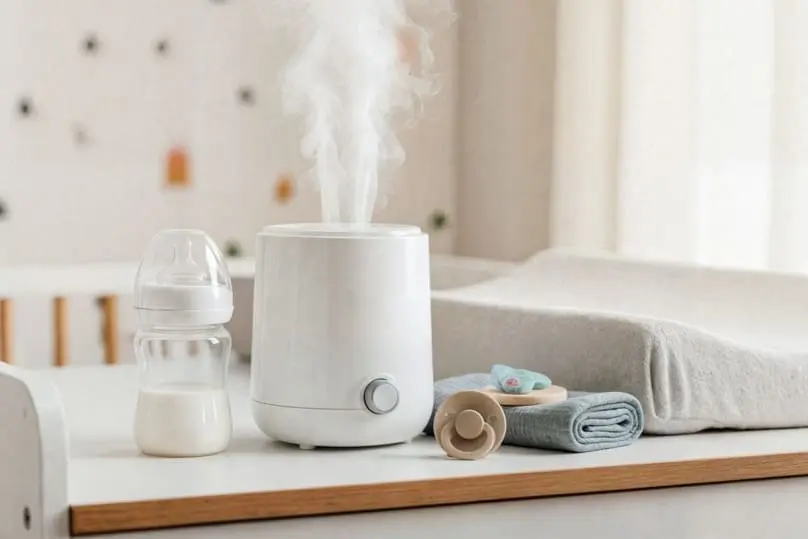
Air humidifiers can help improve indoor air quality, but many people forget that they need to be cleaned regularly to ensure they remain hygienic and effective. Learning how to clean a humidifier correctly prevents harmful buildup from entering your air supply.
Having a sanitizing humidifier at home can be a real boon for your health and overall well-being. Finding the best way to clean humidifier devices helps maintain optimal humidity levels, preventing respiratory problems and relieving dry skin.
Poorly maintained humidifiers can harbor bacteria and mold, which then circulate in the air you breathe. If you are wondering how do you clean a humidifier safely, Yorleny’s Cleaning Services explains why it is so important and what supplies you’ll need.
How to Clean a Humidifier
To properly clean your humidifier, unplug it and empty all the water. Fill the reservoir with undiluted white vinegar (or water with a splash of vinegar) and let it sit for 20 to 30 minutes. Using white vinegar for cleaning humidifier tanks effectively breaks down stubborn mineral deposits. Scrub with a soft brush, rinse thoroughly, and allow all parts to air dry completely.
Follow this step-by-step guide to clean your humidifier:
- Disassemble and prepare the unit: Unplug the appliance to avoid accidents. Remove the water tank and open the base, then remove any filters, wicks, or removable trays. Whenever you wash humidifier components, ensure they are completely disconnected from power.
- Soak with vinegar: Fill the tank with a 1:1 mixture of water and vinegar, and let it sit for at least half an hour to remove limescale and bacteria. Knowing how to clean humidifier with vinegar keeps your device running efficiently without using harsh chemicals.
- Clean hard-to-reach areas: Use a soft toothbrush or bottle brush to scrub the inside of the tank and corners. This helps remove stuck-on dirt or mold. To clean the filter or wick, rinse it with cool water only once a week. Do not use soap or chemicals, as these can damage the material.
- Rinse with clean water: Empty all the vinegar from the tank. Rinse the reservoir and other parts several times under running water. You’ll know it’s ready when the vinegar smell has completely disappeared.
- Air dry: Place all the parts on a clean towel and let them air dry completely. Storing the humidifier while damp can cause bacteria to grow.
Important Note: To prevent the proliferation of bacteria and mold, it’s essential to clean the humidifier every three days and perform a deep clean weekly using white vinegar. Remembering how to clean a humidifier on a strict weekly schedule prevents dangerous microorganisms from taking hold. It’s also recommended to always use distilled water to protect the device and keep the air clean, avoiding harsh chemicals like bleach.
Why Cleaning Your Humidifier Is So Important
Humidifiers evaporate water and everything else in the water tank. If you don’t clean the tank regularly, bacteria and mold can develop, become airborne, and be inhaled. This can cause allergic reactions, respiratory irritation, or even respiratory infections. Finding out how to disinfect a humidifier reservoir safely is vital to protect your family’s respiratory health.
Mold and bacteria can thrive in damp environments, turning your sanitizing humidifier into a potential source of air contamination if not cleaned properly.
Furthermore, if you don’t clean your humidifier regularly, the filters can become clogged, making the device less effective and potentially shortening its lifespan.
How to Disinfect a Humidifier Safely
Humidifiers spray tiny mist directly into your home’s air. If not cleaned, the warm, moist surroundings inside the water tank and base can become breeding grounds for bacteria, mold, and mildew. Knowing how to clean a humidifier properly goes hand in hand with effective disinfection to keep your air pure.
According to the US EPA, failing to clean regularly allows hazardous microorganisms to get aerosolized and breathed in, exacerbating allergies, asthma, and respiratory difficulties.
The Difference Between Cleaning and Disinfecting
Cleaning uses soap or white vinegar to dissolve scale (calcium/magnesium accumulation) and remove surface grime. It physically cleanses the tank but does not eliminate all bacteria.
On the other hand, disinfecting involves using a sanitizing solution to aggressively eliminate mold, mildew, and bacteria (such as Serratia marcescens, or pink slime). Always disinfect after cleaning. Knowing exactly how to disinfect humidifier parts prevents harmful outbreaks in your home.
Step-by-Step Disinfection Process
- Disconnect and Take Apart: Unplug and turn off the humidifier before removing the filter, base, and water tank. Make sure the electrical base never goes into water.
- Descale to Remove Minerals: Pour white vinegar into the water tank, allowing it to soak for 20 to 30 minutes to dissolve tough lime and calcium buildup. Use an old toothbrush or soft brush to scrub away any remaining residue.
- Sanitize and Disinfect: Empty the vinegar from the tank. Clean the base and plastic tank using a mixture of 1 gallon of water and 1 teaspoon of unscented liquid household bleach, or use hydrogen peroxide instead. Allow it to sit for 20 minutes to eliminate mold and bacteria.
- Flush and Rinse: Drain the sanitizing solution and thoroughly rinse every part with running water. Verify that all odors of bleach or vinegar are completely gone before putting it back together.
- Completely Air Dry: Place all separate components onto a fresh towel, letting them dry fully before reassembly or storage.
How to Descale a Humidifier
Descaling a humidifier helps remove mineral buildup left behind by hard water. To descale it, unplug the unit, empty the tank, and fill the base or reservoir with white vinegar or the descaling solution recommended by the manufacturer. Let it sit for 20–30 minutes so the mineral deposits can loosen.
After soaking, scrub the affected areas gently with a soft brush or old toothbrush, then rinse every part thoroughly with clean water. Let the humidifier dry completely before putting it back together to help prevent musty odors, mildew, or residue from building up again.
Important Note: Never mix vinegar with bleach, ammonia, or other cleaning chemicals. Always check the manufacturer’s instructions before using vinegar or any descaling product inside your humidifier.
Best Humidifier Cleaning Solutions
Distilled white vinegar is the best cleaning solution since it safely breaks down mineral scale and gets rid of odors without releasing harmful fumes. Figuring out how to clean a humidifier effectively often comes down to choosing the right household solvents.
However, there are additional choices as well. Citric acid powder is a very good, odorless substitute for heavy limescale. Use a solution of diluted household bleach or 3% hydrogen peroxide to disinfect.
Vinegar vs Commercial Humidifier Cleaner
Distilled white vinegar is the most widely recommended natural alternative for regular cleaning and descaling when compared to commercial cleansers. Using white vinegar for cleaning humidifier tanks is both economical and highly eco-friendly. For consumers who need ready-to-use, pre-measured descaling formulations or who wish to get rid of the persistent vinegar odor, commercial humidifier cleansers are preferable.
When to Use a Specialized Humidifier Cleaning Solution
Commercial cleaners are specific chemical or enzymatic compositions intended to clean and deodorize, such as drops, descaling pills, or liquid solutions. Finding the best way to clean humidifier reservoirs might sometimes require these stronger formulas if buildup is severe.
- Advantages: Pre-measured for ease of use, efficient in eliminating tenacious accumulation, and deodorizing without producing a “pickle” odor.
- Cons: Considerably more costly, introduces artificial chemicals into your water source, and, if not washed out, may leave behind chemical residues.
If you are extremely sensitive to the smell of vinegar and are prepared to pay more for pre-measured, odor-free convenience, choose a commercial cleaner.
What Products to Avoid
The incorrect cleaning supplies can corrode internal systems (such as ultrasonic metal plates), discharge harmful fumes into your home, and permanently damage plastic components.
- Ammonia and Harsh Bleach
- Rubbing Alcohol (Isopropyl)
- Harsh Commercial Chemical Cleaners
- Vapor Rubs and Essential Oils Lemon Juice or Essential Oils for Soaking
How Often Should You Wash a Humidifier?
To prevent the proliferation of bacteria and mold, it’s essential to clean the humidifier every three days and perform a deep clean weekly using white vinegar. Mastering how to clean a humidifier on a set schedule prevents mineral buildup from permanently damaging the motor. If you live in an area with hard water, such as Florida, you may need to clean it more frequently.
It’s also recommended to always use distilled water to protect the device and keep the air clean, avoiding harsh chemicals like bleach.
Daily Maintenance Tips
- Empty the Tank: After each use, empty the water tank and dry it completely. This helps prevent water from stagnating and mold from forming. Whenever you wash humidifier tanks, always prioritize complete drying before refilling them.
- Dry Thoroughly: Be sure to dry all internal surfaces of the humidifier after emptying the water. Use a clean, dry cloth.
Weekly Deep Cleaning Routine
- Humidifier Disassembly: Disassemble the humidifier according to the manufacturer’s instructions to access all internal parts.
- Vinegar Cleaning: Fill the tank with a 1:1 solution of white vinegar and water. Let it sit for 30 minutes to dissolve mineral deposits. Then, rinse thoroughly with clean water. Understanding how to clean a humidifier ensures your device remains free of hard scale.
- Component Brushing: Use a soft brush to clean all accessible parts of the humidifier, including the tank and steam outlet nozzles.
Monthly Disinfection Schedule
- Disinfection: For a deeper clean, fill the tank with a 3% solution of water and hydrogen peroxide or use a humidifier-specific disinfectant. Let it sit for 30 minutes, then rinse thoroughly.
- Filter Replacement: If your humidifier has filters, be sure to replace or clean them according to the manufacturer’s recommendations.
- Component inspection: Regularly inspect the humidifier’s parts for signs of wear or mineral buildup and replace them if necessary.
Common Mistakes When Cleaning a Humidifier
These are some common cleaning mistakes people make when cleaning air humidifiers. Reviewing guides on how to clean a humidifier before you start can easily prevent these common errors.
- Waiting too long before cleaning the humidifier.
- Using harsh cleaning products.
- Not rinsing the humidifier properly after cleaning it with vinegar or soap. If you ever wonder how to clean a humidifier safely, thorough rinsing is the ultimate answer.
- Storing or reassembling the humidifier before all parts are completely dry.
- Not checking and replacing the filter regularly.
When to Replace Instead of Clean
When you see permanent mineral accumulation, recurrent mold and mildew, or mechanical failures such as cracked tanks or motor troubles, replace the humidifier or its main components rather than cleaning it. Even if you know how to clean a humidifier perfectly, heavily degraded plastics simply cannot be salvaged safely. Routine cleaning and part replacement help to maintain indoor air quality and prevent the spread of hazardous microorganisms.
When Humidifier Maintenance Points to a Deeper Home Health Need
The Battle Against Persistent Mold and Florida’s Humidity
Knowing how to clean a humidifier is crucial when fighting the constant moisture of Florida’s climate. If you notice mold returning quickly inside your tank, your entire home might be struggling with high humidity. Constantly scrubbing your appliances is a strong indicator that airborne spores are already spreading throughout your living spaces.
How Professional Deep Cleaning Protects Your Indoor Air Quality
Understanding how to clean a humidifier won’t solve the underlying problem if dust and mold are hiding everywhere else. Professional deep cleaning eliminates the hidden allergens and grime that constantly circulate through your household air. Sanitizing your entire home creates a healthier environment and significantly improves your indoor air quality.
Don’t let Florida’s persistent humidity compromise your family’s health or ruin your peace of mind. For a deeply sanitized home that helps you breathe easier all year long, let the experts take over. Contact Yorleny’s Cleaning Services today to schedule your professional cleaning!
Humidifier Cleaning FAQs
How Do You Clean a Humidifier Properly?
To learn how to clean a humidifier properly, unplug the unit, empty the water tank, and disassemble all removable parts. Fill the base and tank with a mixture of warm water and white vinegar, let it sit for 20 minutes to break down mineral scale, scrub gently with a soft brush, and rinse thoroughly.
Can You Use Vinegar to Clean a Humidifier?
Yes, distilled white vinegar is the safest and most effective natural descaler. When figuring out how to clean a humidifier using vinegar, pour two cups of undiluted white vinegar directly into the water tank, swish it around to coat the sides, let it sit for 20 to 30 minutes, and rinse completely with fresh water.
How Do You Disinfect a Humidifier?
The best method for how to clean a humidifier and completely disinfect it is to use a 3% hydrogen peroxide solution. Mix one teaspoon of liquid bleach with one gallon of water, let it sit in the water tank for 20 minutes to kill harmful bacteria, and rinse thoroughly. Never mix bleach and vinegar.
How Often Should You Wash a Humidifier?
You should empty and rinse the water tank daily, and perform a deep vinegar cleaning once a week. Maintaining a strict weekly schedule is the most important step in how to clean a humidifier, as it prevents mineral scale buildup, pink bacteria, and mold from accumulating in the reservoir.
Can Mold Grow Inside a Humidifier?
Yes, mold thrives in dark, damp environments, making a neglected water tank the perfect breeding ground. Understanding how to clean a humidifier regularly is essential for your health; if mold grows inside the unit, the machine will actively spray microscopic mold spores directly into the air you breathe.

Reviewed by:
Tony Loeffler is the Co-Founder of Yorleny's Cleaning Service and a leader in residential cleaning services. As a content reviewer and writer, he is an expert around the cleaning services in Florida, specifically West Palm Beach County.
Recent Articles
How to Get Rid of Green Mold and Algae on Your House Exterior
As the weather improves, it is common to notice that terraces, patios, and garden surfaces have completely changed in appearance. That discoloration…
Why Is My Shower Turning Orange? Causes and Solutions
It is never pleasant to see orange stains in a bathtub or shower. Finding them can lead to headaches and disgust, but…

How to Prepare for Maid Service: A Stress-Free Guide for Homeowners
Wondering how to prepare for maid service without feeling awkward or disorganized? Hiring a cleaning service is a great way for busy…
See below to check if our top-quality house cleaning services are available in your city and book your first appointment with just a few clicks.