

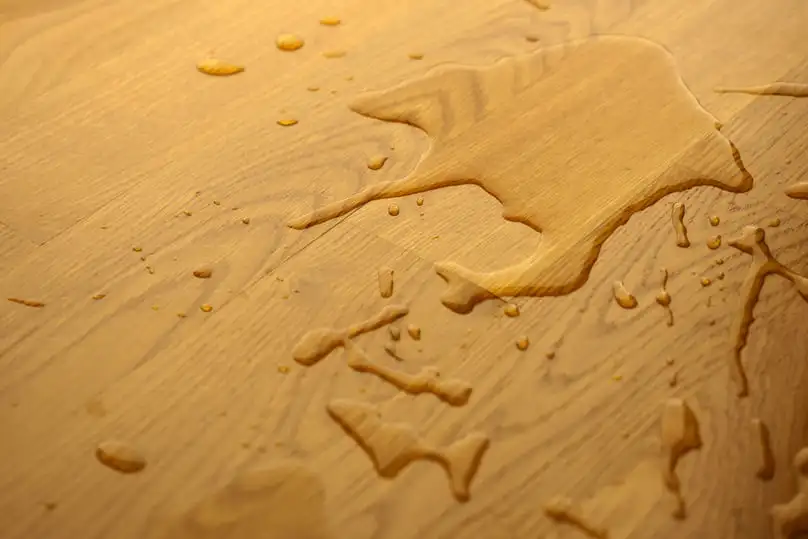
Stains on wooden tables are one of the most common problems in any home. A poorly placed glass, a last-minute meal, or everyday use can leave rings, dark marks, or dull areas that mar the surface… and raise many questions: How to remove water stains from wood?Is the wood damaged? Does it need sanding? Can it be fixed?
The good news is that most stains on wooden tables can be removed, especially when the wood is protected with natural oils and waxes. In this article, YCS explains how to get water stains out of wood, step by step, without damaging the table.
How to Remove Water Stains from Wood: Step by Step
The method to get rid of water stains on wood varies depending on the mark. For white/cloudy surface rings, use a dry iron on low heat, or apply a light mayonnaise or petroleum jelly treatment overnight to remove deeper moisture marks. A carefully applied dab of wood bleach or white vinegar will remove dark, tenacious stains.
You can safely recover your wood using the following methods:
- Step 1: Identify the Type of Water Stain
- Step 2: Apply Heat with a Hair Dryer or Iron
- Step 3: Wipe and Polish the Surface
- Step 4: Repeat if Needed
A detailed method on how to remove water stains from wood is detailed below, The following details a method for removing water stains from wood, whether they are white or dark stains.
Identify the Stain Before Treating
The correct removal method depends entirely on the color of the mark. You must identify the depth of the moisture before applying any treatment:
- White or cloudy marks: This indicates moisture is trapped just beneath the surface finish. You can typically lift these surface-level stains using a dry iron on low heat, or by applying mayonnaise or petroleum jelly to draw out the trapped water.
- Dark brown or black stains: This means the moisture has penetrated through the protective finish and soaked directly into the wood fibers. Surface remedies will not work; fixing these deep stains usually requires sanding off the finish, treating the bare wood with wood bleach, and refinishing the area.
Quick Decision Guide: Surface Water Stains
| Stain Appearance | Likely Location of Moisture | Safest First Method | When to Stop DIY |
| Fresh Moisture | Sitting on top of the protective wax, oil, or clear finish. | Blot away immediately with a clean, dry microfiber towel; do not rub. | Stop if the water has already turned the surface hazy or milky. |
| White Rings | Trapped just beneath the top layer of varnish or sealant. | Apply gentle dry heat using a hair dryer on low or a warm dry iron over a thin cotton cloth. | Stop if heat does not lift the ring after 2–3 short passes, or if the finish feels sticky. |
| Cloudy Haze | Blended into the upper protective coat over a wide area. | Buff gently along the wood grain using a 1:1 mix of white vinegar and olive oil. | Stop if the haze turns gray or dark, or if the finish begins to lift off. |
Quick Decision Guide: Deep Water Stains & Finish Damage
| Stain Appearance | Likely Location of Moisture | Safest First Method | When to Stop DIY |
| Dark Stains | Soaked past the protective finish and into the top wood fibers. | Rub a mild paste of 1 tbsp baking soda and a few drops of water gently along the grain. | Stop if the mark remains dark brown after a light buffing pass; deeper treatment is required. |
| Black Stains | Deeply saturated inside the raw wood fibers (chemical tannin reaction). | Lightly sand away the clear coat and apply specialized oxalic acid (wood bleach) to bare wood. | Stop if treating an antique or high-value piece, or if two applications of bleach fail to lift the black spot. |
| Damaged or Peeling Finishes | Complete structural breakdown and separation of the sealant layer. | Gently sweep away loose flakes, dry the zone thoroughly, and keep all liquids away from the bare spot. | Stop immediately; stripping, sanding, and applying a full matching refinish is required. |
Best Methods to Remove Water Stains from Wood (Compared)
Before starting to learn how to remove water stains from wood, it’s advisable to know the type of wood and its finish. If you don’t have this information, test the treatment on a small, inconspicuous area first.
Heat Method: Iron or Hair Dryer
This method for removing water stains from wood is ideal for fresh, white marks. White or gray hazy rings indicate that moisture is trapped just beneath the surface of the finish.
- Place a thin, clean cotton cloth (like a handkerchief or T-shirt) over the stain.
- Set your iron to a medium temperature and make sure it’s not steaming.
- Iron over the cloth in quick, circular motions for 10 to 20 seconds.
- Lift the cloth to check and repeat if necessary, allowing the wood to cool between each pass.
If you don’t have a flat iron handy, the heat from a regular hair dryer is an excellent alternative.
Vinegar and Olive Oil Solution
If the stain has left the surface dull or discolored, this remedy draws out moisture and nourishes the wood.
- Combine equal parts white vinegar and olive oil (for example, one tablespoon of each).
- Dampen a microfiber cloth with the mixture and rub it over the stain, gently following the grain.
- Let it sit for a couple of minutes, then buff with a dry cloth until it regains its natural shine.
Baking Soda Paste
If the stain persists or is an older mark, baking soda acts as a mild abrasive that penetrates the grain. Learning how to remove water stains from wood with this simple kitchen mixture helps lift stubborn rings safely.
- Mix 1 tablespoon of baking soda with a few drops of water to form a thick paste.
- Apply the mixture directly to the stain and rub it very gently with a cloth, following the grain.
- Leave it on for just a few minutes, then remove it with a damp cloth. Dry the area thoroughly.
Commercial Wood Cleaners
Commercial wood cleaners and restorers, including oxalic acid-based wood bleaches and mild abrasive polishes like Bar Keepers Friend, are intended to remove trapped moisture and deep mineral deposits from wood finishes.
Seeking the best way to get water stains out of wood often leads to these specialized retail formulas. Always test goods in an inconspicuous area before using them on the entire piece.
Sanding, Bleaching, or Refinishing for Deep Damage
If you are looking for how to remove water stains from wood, a more aggressive approach involves three main steps: stripping, bleaching, and refinishing. Here’s how to do it effectively:
- Stripping and Sanding: Use a chemical stripper or 80-grit sandpaper to remove the damaged finish from the stained area. Progress to 120-grit and then 240-grit sandpaper until reaching clean, raw wood fibers, taking care not to sand through the thin veneer. Wipe away all dust with a tack cloth before the next step.
- Bleaching Deep Stains: Mix 1 part oxalic acid powder to 10 parts warm water, or use a cleaner like Bar Keepers Friend. Apply to the entire board to prevent uneven lighting. Let dry completely, wipe with clean water two or three times, neutralize with a mild baking soda solution, and allow to dry thoroughly.
- Refinishing the Wood: Once dry, smooth any raised wood grain with fine-grit sandpaper. Apply a matching wood stain if needed, then seal the bare wood with a durable finish like hardwax oil, polyurethane, or clear oil to protect it from future moisture damage.
How to Remove White vs Dark Water Stains from Wood
Wood is a natural, porous material. If it is not properly protected—or if the protection has worn away with use—it can absorb liquids and grease, causing whitish rings or dark stains. In most cases, the stain is not in the wood itself, but in the protective layer. However, it is possible for the stain to penetrate more deeply. The treatment varies depending on the case.
Removing White Water Stains (Surface Moisture)
White stains occur when water penetrates the finish layer (such as varnish). Dark stains indicate that the water has penetrated the finish layer and soaked into the wood itself. While surface stains are relatively easy to treat, deep stains require more work. Mastering how to get water stains out of wood tables depends entirely on identifying these differences.
- Dry heat: Evaporate fresh, superficial stains by directing a hairdryer on low heat at the area using circular motions to prevent damage.
- Oily treatment: Rub the stain with petroleum jelly or mayonnaise on a soft cloth. For old stains, allow time for the oil to penetrate the varnish and wood, replacing the water to clear the mark.
- Abrasive treatments: Rubbing the wood with toothpaste (not gels) has a mild abrasive effect that helps remove water stains.
White water stains on wood veneer can be safely removed with a mixture of vinegar and olive oil, baking soda paste, or mild heat. Wood veneer is thin and quickly damaged, so avoid severe sanding and excessive wetness.
Removing Dark Water Stains (Deep Damage)
Deep water stains are dark in color. To remove them, you’ll first need to remove the finish (varnish, enamel, etc.) and then treat the wood directly. One of the most recommended treatments, as it doesn’t affect the wood’s color, is oxalic acid (you may need to apply it several times).
Once the stain has disappeared, rinse the area with a mixture of water and baking soda to neutralize the acid, and then reapply the finish. Discovering how to remove water marks from wood at this deeper level takes more time but completely restores the furniture.
Common Mistakes When Removing Water Stains from Wood
Removing water stains from wood requires precision. Mistakes can scratch the surface, damage the finish, or cause defects in the material.
- Using Too Much Water: Wood absorbs moisture. Excess liquid penetrates the pores, creating deeper stains or swelling the wood fibers.
- Applying Harsh Chemicals: To prevent further damage, avoid harsh chemicals like alcohol, ammonia, or harsh cleaners and multipurpose products not intended for wood. These products can remove the protective coating and worsen the problem.
- Rubbing Dry or Against the Grain: Doing so creates micro-scratches. Always clean and treat the stain following the natural direction of the fibers.
- Do Not Perform Prior Tests: Before applying any product (even home remedies), test it on an inconspicuous area of the furniture.
How to Prevent Water Stains on Wood Surfaces
Create a durable barrier against water stains on wood surfaces by applying liquid-resistant finishes such as wipe-on polyurethane or water-based polyurethane sealants. Meanwhile, protect wood with absorbent, high-quality coasters and blot away any accidental spills before they enter the grain.
If you want to get rid of water stains on wood items permanently, preventative care is always your best option.
Daily Maintenance and Habits
- Use Barrier Protection: Always use coasters for drinks and hot pads for warm goods.
- Choose absorbent materials: Thin placemats and synthetic table runners, which are often porous, can retain moisture against the finish. Knowing how to remove water stains from wood table top surfaces becomes unnecessary if you block condensation before it rests on the furniture.
- Wipe Spills Immediately: Never allow standing water to sit on a wood surface. To eliminate hazy rings, immediately remove any excess moisture with a dry microfiber towel.
Applying Protective Finishes
If your wood is unsealed or needs its barrier updated, putting a protective coating will assist prevent moisture from penetrating it. Understanding how to remove water stains from wood objects includes learning how to properly reseal the piece.
- Polyurethane: A wipe-on polyurethane coating provides a clear, long-lasting barrier against water rings.
- Beeswax or Furniture Wax: For unsealed or oil-rubbed wood, a heavy application of beeswax adds water resistance and highlights the natural wood grain.
When to Consider Professional Cleaning or Restoration
Expensive Furniture or Floors
Trying to figure out how to remove water stains from wood can be risky when dealing with antiques. Applying DIY heat or abrasive compounds to expensive furniture and floors can easily strip the original finish. To protect the value of your high-end pieces, it is often safer to rely on professional care.
When DIY Methods Don’t Work
Dark rings indicate moisture has penetrated deeply, meaning surface-level home remedies will no longer be effective. Knowing how to remove water stains from wood also means recognizing when DIY efforts might cause further damage. If standard tricks fail to lift the cloudiness, it is time to call in the experts.
Don’t risk ruining your beautiful wood surfaces with ineffective or harsh DIY treatments. For expert care and a completely spotless, well-maintained home, let the professionals handle the hard work. Contact Yorleny’s Cleaning Services today to schedule your next service!
FAQs About Removing Water Stains from Wood
How Do You Get Water Stains Out of Wood?
To learn how to remove water stains from wood quickly, place a clean cotton cloth over the spot and press a warm, dry iron over it for 10 seconds. The gentle heat evaporates the trapped moisture from the wax or finish without burning the surface.
What Removes Water Marks from Wood?
Household items like mayonnaise, non-gel toothpaste, or a mix of equal parts olive oil and vinegar can remove water marks. When figuring out how to remove water stains from wood using these ingredients, gently buff the mixture into the grain with a microfiber cloth to lift the cloudy discoloration.
Can Water Stains Be Permanent on Wood?
No, water stains are rarely permanent, but dark stains mean the moisture has penetrated the wood fibers beneath the finish. The best approach for how to remove water stains from wood once they turn dark is to strip the surface finish, treat the wood with oxalic acid, and refinish it.
How Do You Remove White Rings from Wood?
The most effective trick for how to remove water stains from wood when they appear as white rings is applying a thin layer of mayonnaise or petroleum jelly. Let the oil sit on the ring for 30 minutes to a few hours to displace the trapped moisture, then wipe it clean.
How Do You Fix Dark Water Stains on Wood?
To master how to remove water stains from wood after they have turned dark, you must treat the bare wood. Lightly sand away the top sealant, apply a specialized wood bleach or oxalic acid solution directly onto the black spot to lift the stain, rinse, and reapply a matching finish.

Reviewed by:
Tony Loeffler is the Co-Founder of Yorleny's Cleaning Service and a leader in residential cleaning services. As a content reviewer and writer, he is an expert around the cleaning services in Florida, specifically West Palm Beach County.
Recent Articles

How to Clean Seasonal Decorations and Holiday Decor Safely
The holiday season is the perfect time to decorate our homes with lights, ornaments, and magical touches. However, before reusing decorations that…
How to Clean Up Glitter From Floors, Carpet, and Furniture
Glitter is a frustrating holiday mess, clinging to fabrics and sticking via static electricity. Knowing how to clean up glitter quickly prevents…
How to Get Food Coloring Off Skin, Clothes, Carpet, and Counters
If you or your children are dyeing Easter eggs or getting creative with crafts, it is very likely that some of the…
See below to check if our top-quality house cleaning services are available in your city and book your first appointment with just a few clicks.