

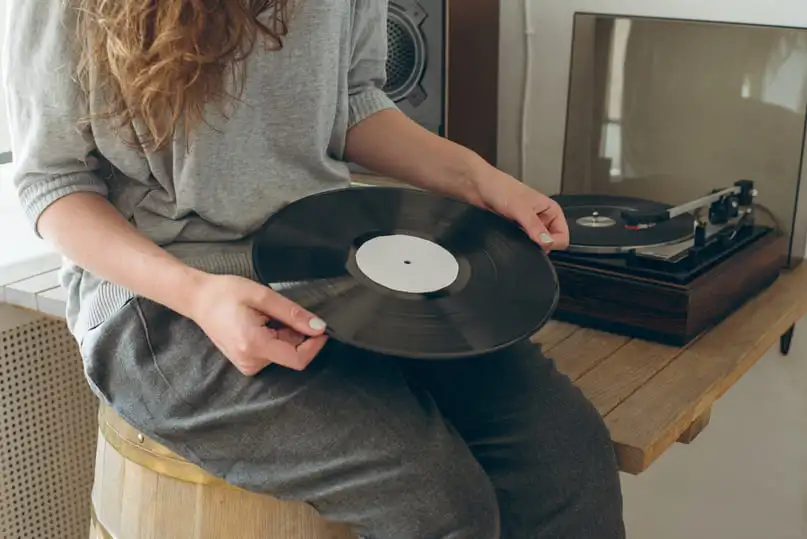
It’s no secret that vinyl records are more popular than ever. Whether you have a huge or small record collection, it’s a good idea to keep them clean and organized. But, do you know how to clean vinyl records the proper way?
Knowing how to clean records is a must for them to function properly. Fingerprints, dust, and scratches can damage the surface of the record itself, which can affect the sound and add unwanted noise. Even the natural sweat from your hands can erode the surface of vinyl.
That’s why Yorleny’s Cleaning Services tells you everything you need to know about vinyl album cleaning, so you can maintain and protect your music collection.
How to Clean Vinyl Records (Step by Step Guide)
There are two basic cleaning methods on how to clean a vinyl: dry cleaning and wet cleaning. The dry method involves using some type of brush, preferably carbon fiber, designed to sweep dust from the surface of the record. The wet method is recommended for deep cleaning and for old, damaged records.
Dry Cleaning
When it comes to how to clean vinyl records easily and keep it in good condition, brushing it dry before and after playing is the best method to prevent the buildup of dust and other impurities.
- Using an anti-static brush will keep your records cleaner for a longer period of time.
- Most brushes have two rows of bristles, one to sweep away dust and the other to destabilize static.
- With a light touch, gently hold the brush over the surface of the record while spinning to sweep away dust and reduce static buildup.
- After one or two rotations, tilt the brush toward the edge of the record and slowly pull it away.
- Also, don’t forget to clean the brush after each use.
This should be an essential part of playing a record!
Wet Cleaning
When dirt has bonded to the record and isn’t just superficial, but has even formed a layer on top of the material, we’re dealing with an unusable LP. So how to clean old records? To restore it to a playable condition, more aggressive techniques are necessary. So keep in mind that an optimal result may not be achieved.
- Preparing the Mix: Use distilled water with pH-neutral clear soap and a few drops of 96% alcohol. The mixture should be very clear, almost entirely water-based, at a ratio of 10 parts water to 1 part alcohol, with a pinch of soap.
- Apply It Directly to the Record: Using a spray bottle, apply the mix gently and let it sit for about 3 to 5 minutes. Then, using a microfiber cloth, remove the mixture by rubbing in circles following the grooves. You need to be careful with the paper part in the middle.
- Let It Dry: The final step is to let the LP dry completely and, if the result is positive, a second cleaning process can be applied following normal methods to ensure the result.
Why Cleaning Vinyl Records Is Important
Cleaning vinyl records is crucial for removing tiny dust, grime, and oils that accumulate in the grooves. Proper maintenance keeps high-fidelity audio quality, avoids irreversible groove damage, extends the life of your turntable’s needle (stylus), and protects the overall resale value of your collection.
How Dust and Debris Affect Sound Quality
When learning how to clean vinyl records, one of the most frequent problems is dust and dirt. They physically impede your needle as it tracks the small grooves of a vinyl record, resulting in undesired noise.
This contamination causes specific audio difficulties, such as surface noise, muted detail, mistracking, and irreversible damage. Regular vinyl album cleaning is necessary to have a good quality of sound.
Mold and Humidity Risks in Florida Homes
High humidity and mold cause permanent chemical and physical damage to vinyl recordings. Moisture expands and damages cardboard jackets, while mold spores feed on paper and the record’s surface, embedding roots in the grooves.
This degrades your sound quality by producing constant pops, crackles, and surface noise.
Best Tools for Cleaning Vinyl Records
How do you clean vinyl records the best way? With the best tools! Although there are numerous products and accessories available for cleaning vinyl records, this guide uses items that most people already have at home.
- A velvet brush or a soft-bristled brush. Some people prefer one over the other, but both are equally effective.
- Distilled or very low-mineral water.
- A microfiber cloth.
How to Clean LP Vinyl Records Without Scratching Them
Learning how to clean vinyl records without scratching them is critical for maintaining excellent audio quality, preventing irreversible groove damage, and protecting your turntable’s sensitive needle. Improper cleaning techniques can create abrasive wear, resulting in a lifetime of pops, crackles, and skips.
Why Direction Matters When Cleaning
Direction is the most important aspect when cleaning vinyl records for two reasons:
- Protecting Sound: The groove wall stores the mechanical information for the left and right audio channels. Wiping across the tracks moves debris sideways, which might remove high-frequency sounds or leave permanent, audible scratches.
- Trapping Debris: Cleaning the spiral channel effectively removes dirt, dust, and oils from the groove without grinding them into the wall.
Avoiding Paper Towels and Household Cleaners
When learning how to clean vinyl records, it is important never to use a cotton or paper towel. These materials include wood fibers and lint, which may readily damage the vinyl surface. Also, never use home glass cleaning. Harsh chemicals (such as ammonia) can damage the vinyl composition, reducing sound quality.
Common Mistakes When Cleaning Vinyl Records
Keep these important mistakes in mind and ensure that your cleaning method avoids the following difficulties.
- Household tap water includes minerals, chlorine, and contaminants, which can leave a harmful, noisy residue in record grooves. Stick to distilled water or a properly prepared vinyl cleaner.
- Pressing down forcefully does not clean the record better; rather, it grinds any loose abrasive particles into the vinyl. Apply a delicate touch and allow the bristles or cloth to do the work.
- Storing a moist record in its sleeve provides an ideal setting for mold and mildew to thrive. Allow records to air-dry thoroughly on a drying rack before putting them back into their sleeves. This is essential when learning how to clean vinyl records.
Professional Tips to Preserve Your Music Collection
- Always store your records vertically. This prevents them from breaking due to pressure.
- Keep your vinyl records in a dry environment to prevent mold growth.
- Use a plastic sleeve to protect the cover and an anti-static inner sleeve to protect the record.
- Avoid touching the record surface with your fingers.
Additionally, when it comes to how to clean vinyl records, keeping them organized is important. I recommend storing them by genre (jazz, soul, rock) or alphabetically to make finding records easier.
Professionals Can Help You Cleaning Your Records
How a Professional Cleaning Service Helps Maintain Your Music Collection
Understanding how to clean vinyl records properly is essential for preserving audio quality and preventing skips. While daily maintenance can be done at home, a specialized professional service uses advanced static-free methods and commercial-grade deep cleaning to safely remove embedded dust from the deepest grooves without risking surface damage.
Protect Your Records from Heat and Humidity
Once you know how to clean vinyl records, proper storage is the next step to prevent warping and mold growth. Keeping your collection in a climate-controlled environment away from direct sunlight ensures your discs stay pristine, reducing the accumulation of environmental grime between deep cleans. Contact us today to learn how Yorleny’s Cleaning Services can help maintain a pristine, dust-free environment to keep your home and your favorite collections in perfect condition.
Vinyl Record Cleaning FAQs
What Is the Best Way to Clean Vinyl Records?
The standard technique on how to clean vinyl records involves brushing the surface gently with an anti-static carbon fiber brush before and after every playback session. For deeper buildup, applying a specialized cleaning solution with a soft microfiber cloth safely lifts embedded grease from the grooves.
Can You Clean Vinyl Records with Water?
When discovering how to clean vinyl records safely, standard tap water should be completely avoided due to damaging mineral deposits. Distilled water mixed with a tiny drop of pure isopropyl alcohol and rinse-free surfactant can be used for deep manual washes. It is critical to keep moisture entirely off the center paper label to prevent peeling.
How Do You Clean Old Vinyl Records?
Restoring vintage albums requires a specialized approach on how to clean vinyl records that have accumulated decades of deep grit. Using a dedicated vacuum-assisted record cleaning machine combined with enzymatic fluids breaks down tough biological mold safely.
How Do You Clean LP Records Without Scratching Them?
Mastering how to clean vinyl records without causing surface scratches relies on wiping exclusively in circular motions along the groove lines. You must never wipe across the grooves, and using abrasive paper towels or coarse cloths should be strictly avoided. Implementing ultra-soft microfiber materials ensures you safely lift dirt without harming the delicate vinyl.
How Often Should You Clean Vinyl Records?
An effective routine on how to clean vinyl records requires dry brushing the surface to remove fresh dust. Deep wet cleaning sessions should be reserved for newly purchased used albums or whenever audio distortion becomes noticeable. Proper maintenance storage in anti-static inner sleeves drastically reduces the necessary frequency of wet washes.

Reviewed by:
Tony Loeffler is the Co-Founder of Yorleny's Cleaning Service and a leader in residential cleaning services. As a content reviewer and writer, he is an expert around the cleaning services in Florida, specifically West Palm Beach County.
Recent Articles

Room-by-Room Cleaning Checklist for a Cleaner, More Organized Home
A room-by-room cleaning checklist is a systematic method that divides home maintenance into specific zones like kitchens, bathrooms, and bedrooms. This approach…

How to Clean a Leather Couch: Easy Methods to Keep It Looking New
Knowing how to clean a leather couch is key to keeping this type of furniture in perfect condition for many years. Unlike…
7 Expert-Verified Oven Clean Tips for a Sparkling Kitchen
Cleaning is a task that requires continuous efforts to maintain your spaces comfortable and avoid clutter during serious situations. Sometimes, we forget…
See below to check if our top-quality house cleaning services are available in your city and book your first appointment with just a few clicks.