

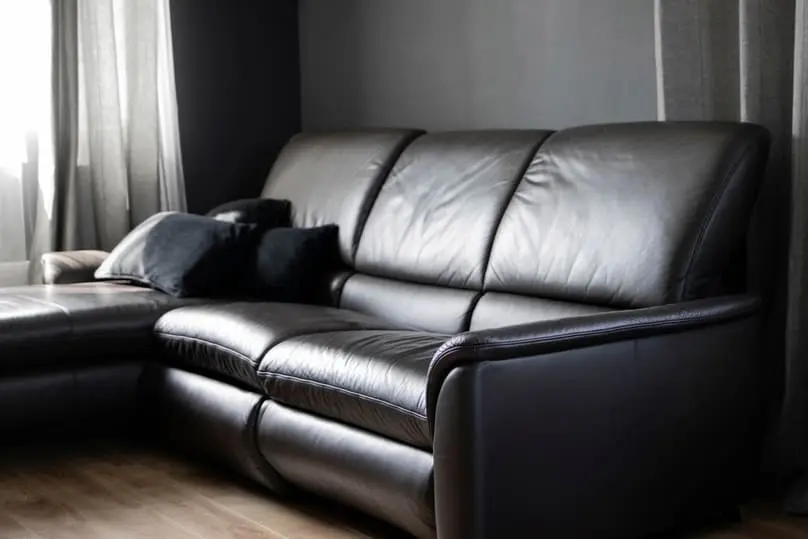
A water spot on a leather couch can be frustrating, especially when it dries into a darker ring or uneven patch. Rubbing it, soaking the leather, or reaching for the wrong cleaner can make the mark more noticeable instead of helping it fade.
Learning how to get water stains out of leather can help you respond before a small spill becomes a more visible problem. In this guide, we’ll cover what can cause these marks, how to treat them without making the finish worse, and when it is safer to stop. If a spill is part of a larger home refresh, home deep cleaning services can help keep the surrounding spaces looking cared for, too.
Quick Steps: How to Get Water Stains Out of Leather
For a fresh water spot, start with the gentlest approach and avoid adding more moisture than the leather can handle. These quick steps can help you treat the mark carefully before moving on to the detailed method below.
- Blot fresh water with a clean, dry microfiber cloth, do not rub.
- Check the furniture maker’s care instructions and test a hidden area before adding moisture or cleaner; stop if the color or finish changes.
- Use a leather cleaner only when it is compatible with that leather and follow its label.
- Let the area air-dry away from heat and condition only if the manufacturer recommends it.
Important Note: Do not soak the entire leather panel or use vinegar as a universal remedy. Leather finishes and dyes vary, and excess moisture or the wrong product can create a larger ring, discoloration, or stiffness.
Does Water Ruin or Stain Leather?
A minor clean-water spill does not always permanently ruin leather, but it can leave a visible mark when moisture dries unevenly or affects the finish. Results vary by leather type, protective coating, age, and the amount of water involved.
Why Water Leaves Marks on Leather
Leather, essentially, is an animal hide with a porous structure after tanning. This porosity makes it vulnerable to water: when it penetrates, the fibers swell and deform, and the result is visible.
That’s why a couch, boot, or jacket may show a mark after getting wet. Prompt blotting can help reduce uneven drying, but not every mark can be treated the same way.
How Humidity Can Affect Leather in Florida Homes
Florida’s humidity can slow drying and make leather feel tacky in poorly ventilated rooms. It does not automatically create water stains, but prolonged dampness should be addressed promptly. The U.S. Environmental Protection Agency’s guidance on moisture control notes that controlling indoor moisture and drying wet areas promptly helps prevent related problems in the home.
Factors That Contribute to Water Stains on Leather
Before we delve into the steps for removing water spots on leather, it’s important to understand what causes them. Learning how to get water stains out of leather effectively requires identifying these common contributing factors first:
- Hard Water: Water with a high content of dissolved minerals, such as calcium and magnesium, can leave more visible stains on leather or other surfaces. These minerals are deposited as the water evaporates, forming unsightly accumulations.
- Exposure to Spills: If the leather is exposed to any liquid spill, water stains can form when the droplets dry on the surface.
- Improper Drying: Rubbing, oversaturating the area, or drying it with direct sun, a hair dryer, or another heat source can make uneven drying more noticeable.
- Sunlight and Heat: Direct sunlight and heat can dry leather unevenly and may affect the finish.
Steps: How to Remove Water Stains From Leather
Removing water stains from leather requires patience and the right technique. The goal is to treat only as much of the surface as the manufacturer’s instructions allow—not to wet the entire piece.
Step 1: Clean the Leather Surface
For a fresh water spot, begin by blotting it with a soft, dry microfiber cloth. If the surrounding surface is visibly dirty or greasy, use only a leather cleaner approved by the furniture maker, following the label instructions. Avoid using a general household cleaner before treating the mark.
Step 2: Test the Water Stain Removal Method
Before using any cleaning solution or method to remove water stains, always test the product on a small, inconspicuous area of the leather.
Understanding how to get water stains out of leather correctly means ensuring that the solution does not cause discoloration or further damage to the material. West Elm’s leather furniture care guidance also advises using a soft cloth and avoiding excess moisture or harsh cleaners.
Step 3: Use a Soft Cloth and Minimal Moisture
Only if the manufacturer allows water-based care, lightly dampen a microfiber cloth with distilled water; it should not be wet enough to soak the leather. Gently dab the affected area, avoiding scrubbing or repeatedly enlarging the damp section. Then blot any remaining moisture with a dry cloth and let the leather air-dry naturally.
Step 4: Use a Leather Cleaner When Needed
- If water alone does not improve the mark, use a leather cleaner specifically approved for the furniture’s leather type.
- Apply a small amount to a microfiber cloth and follow the product label exactly.
- Do not use an equal-parts vinegar-and-water solution as a default treatment; it may affect dyes, finishes, or coatings.
- Remove any remaining product as the label directs, then allow the area to dry away from heat.
Step 5: Apply a Leather Conditioner
Once the leather is completely dry, apply a small amount of leather conditioner only if the furniture manufacturer recommends conditioning for that material. Test it first, apply it evenly with a clean cloth, and buff gently only as directed. Conditioning may help maintain the finish, but it is not a guaranteed fix for every water mark.
Expert Recommendations for Cleaning Leather
Here are some helpful tips for cleaning water stain on leather and extending its lifespan:
- Blot fresh moisture with a dry soft cloth, then let the leather air-dry at room temperature.
- Stains from spilled liquids should be removed immediately. Due to the porous nature of leather, if this isn’t done, the dirt will penetrate deeply.
- Avoid using any type of abrasive cleaner to prevent irreparable damage.
How to Prevent Water Marks on Leather
The best way to keep leather in good condition is to prevent water stains. Here are some tips on how to get water stains out of leather:
- Dry the leather immediately: If the leather gets wet, dry it immediately with a microfiber cloth to prevent water stains.
- Use a leather protectant: Use a protectant or waterproofing spray only if the furniture maker recommends it for that leather type.
- Keep leather out of direct sunlight: Prolonged exposure to the sun can dry out and discolor leather. Try to place your leather furniture in cool, dry, and shaded areas, or use parasols to protect it.
Maintaining a Clean Home and Spotless Leather Furniture
Routine Conditioning to Prevent Future Water Spots
Knowing how to get water stains out of leather is helpful, but prevention still matters. Condition leather only at the interval and in the amount recommended by its manufacturer; conditioner does not make every leather type waterproof.
Trust Yorleny’s Cleaning Service in West Palm Beach
Learning how to get water stains out of leather can help with a small spill, but expensive, antique, unfinished, or heavily stained leather may need specialized advice. For broader home-cleaning needs in West Palm Beach and Palm Beach County, contact Yorleny’s Cleaning Service to discuss the most appropriate next step.
Leather Water Stain FAQs
Can Water Stains Be Removed from Leather?
Some water marks can improve with prompt blotting and care that matches the leather’s instructions. Results vary by finish, age, and how long the moisture remained on the surface, so complete removal cannot be guaranteed.
How Do You Remove Water Spots from Leather?
Start by blotting fresh moisture with a dry microfiber cloth. If a mark remains, test a manufacturer-approved leather cleaner or minimal-moisture method in a hidden area before treating the visible spot.
Does Water Ruin Leather?
Clean water does not instantly destroy leather, but it can leave a mark or affect the finish if it dries unevenly. Prompt blotting and gentle, manufacturer-appropriate care reduce that risk.
How Do You Remove Old Water Stains from a Leather Sofa?
For dried rings, test a leather cleaner approved for the furniture first and use a soft cloth with minimal product. Do not scrub harshly or wet the whole cushion without manufacturer guidance.
Can Vinegar Remove Water Stains from Leather?
Vinegar is not a universal or manufacturer-approved solution for leather water stains. Because it may affect dyes and finishes, use a leather-specific product that matches the furniture maker’s instructions instead.

Reviewed by:
Tony Loeffler is the Co-Founder of Yorleny's Cleaning Service and a leader in residential cleaning services. As a content reviewer and writer, he is an expert around the cleaning services in Florida, specifically West Palm Beach County.
Recent Articles

How to Clean Before Fall Guests Arrive: Quick Tips for Busy Hosts
Welcoming friends and family into your home for the autumn holidays can be a rewarding experience. However, figuring out exactly how to…

The Benefits of Property Management Cleaning Services for Florida Hosts
As a landlord, you run a business where tenants are customers and rental units are assets, meaning you must maintain your property…
How to Clean Concrete Floors Without Damaging the Surface
Polished concrete is known for being durable, low-maintenance, and attractive. However, “low-maintenance” does not mean “no maintenance.” Knowing how to clean concrete…
See below to check if our top-quality house cleaning services are available in your city and book your first appointment with just a few clicks.