

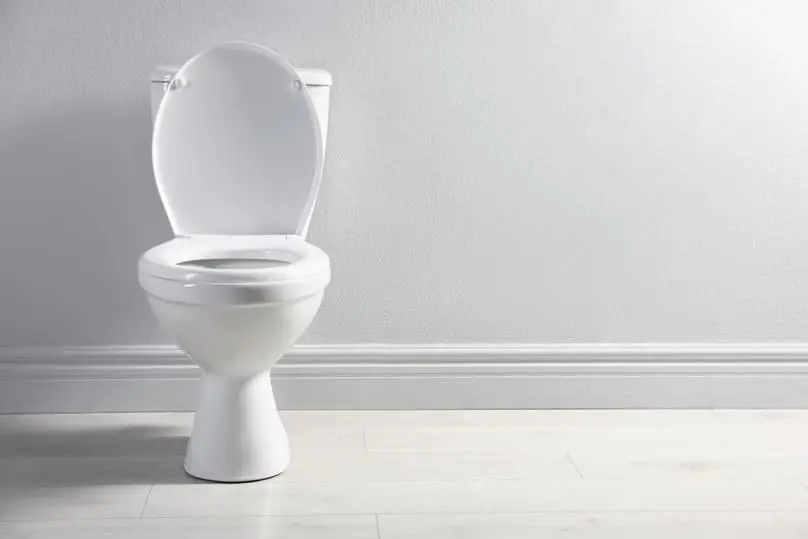
Still seeing a brown ring after scrubbing the bowl? Mineral deposits and rust can leave marks that regular cleaning does not remove. Learning how to clean toilet stains starts with choosing a method for the buildup, rather than scrubbing harder and risking the finish.
That’s why YCS shares methods for hard water rings and rust, along with tips to help reduce their return. If stains are part of a bigger bathroom cleanup, our home deep cleaning services can help with the surrounding surfaces too.
How Do You Get Stains Out of a Toilet Bowl?
For mineral stains, start with a bowl-compatible cleaner and a toilet brush. Use this sequence before considering an abrasive tool:
- Check the bowl’s finish, ventilate the room, and put on cleaning gloves.
- Lower the water level only if the chosen method requires it.
- Apply one compatible cleaner to the stained area.
- Allow the recommended contact time, then scrub gently.
- Restore the water supply if turned off, flush, and inspect the result.
Important Note: Never mix bleach with vinegar, rust removers, or other cleaners. Follow removal and rinsing instructions if another product is already in the bowl.
Identifying Different Types of Toilet Bowl Stains
Look at the hue and location of the marks for clues about the buildup. Knowing how to clean stains in the toilet bowl effectively starts with choosing an appropriate method, but color alone cannot confirm the cause.
Brown and Yellow Stains: Hard Water and Mineral Buildup
- Appearance: Chalky white, gray, or yellowish-brown rings with crusty accumulation along the waterline.
- Cause: Mineral deposits associated with hard water, often left as water evaporates.
- Best Treatment: A descaler approved for the toilet bowl’s finish. White vinegar may help with light deposits where the manufacturer permits it. Pumice is an abrasive tool, not an acid.
The United States Geological Survey (USGS) identifies calcium and magnesium as the main contributors to water hardness. Rust requires a different assessment.
Red and Orange Streaks: Managing Rust and Iron Deposits
- Appearance: Bright orange, reddish-brown, or yellow streaks and rings.
- Cause: Possible iron in the water supply or corrosion in iron/steel plumbing.
- Best Treatment: A rust remover specifically labeled for toilet bowls and compatible with the finish.
Choose a product by its approved use, rather than acid strength alone. Avoid using chlorine bleach on rust stains; it can make them worse.
How to Remove Hard Water Stains from Your Toilet Step by Step
The first thing we recommend if you’re going to clean your bathroom is to wear gloves and provide ventilation. Keep a toilet brush ready, plus any eye protection required by your cleaner’s label.
While there are many specific products on the market for thoroughly cleaning the toilet, and some are very effective, the method should match the stain and surface. Start with the five-step sequence below; pumice and rust removers are separate alternatives, not products to combine.
Method 1: Using White Vinegar for Light Mineral Stains
White vinegar is a common pantry staple that can help with light mineral deposits on compatible porcelain. It does not need baking soda added to create a fizzing mixture. For a coated or specialty bowl, check the toilet’s care instructions first.
- Check and prepare. Confirm that vinegar is permitted for the finish, put on gloves, and ventilate the bathroom. Do not add it if bleach or another cleaner remains in the bowl.
- Expose the stain if needed. For marks above the waterline, leave the water level alone. If the method requires lowering it, turn off the supply valve behind the toilet and flush. Do not force a stuck valve or remove every last drop with towels.
- Apply the vinegar. Use a toilet brush to spread plain white vinegar over the mineral marks. Keep it off nearby stone, metal fittings, and the seat.
- Let it work, then brush. Follow any contact-time limits in the toilet’s care instructions. Gently scrub the stained area and under the rim; do not scrape the glaze or assume an overnight soak is suitable.
- Rinse and inspect. Turn the supply back on if needed, let the tank refill, and flush. If deposits remain, consider an approved descaler rather than increasing pressure or mixing products.
Method 2: How to Clean Stubborn Toilet Stains with a Pumice Stone
A toilet-cleaning pumice stone can remove stubborn mineral rings through abrasion. Use it only when your toilet manufacturer permits abrasive cleaning; avoid it on finishes that prohibit abrasives.
- Put on gloves and wet the pumice stone with water. Keep the stained surface wet too.
- Use it to scrub the toilet bowl gently, first testing a small area. Stop if it leaves marks or dulls the finish.
- Flush away residue, rinse the tool, and store it separately from other bathroom cleaning tools.
Pumie’s instructions specify wet use and warn that some colored porcelain can be damaged by abrasives. This method removes existing deposits; it does not prevent limescale from returning.
Method 3: Using a Toilet Bowl Descaler or Rust Remover
For deposits that resist gentle cleaning, select a product labeled for the stain and your bowl’s finish. A descaler targets mineral scale; a rust remover targets iron-related discoloration. Some products address both.
- Follow the label for the amount, water level, contact time, and rinsing.
- Keep bowl cleaner out of the tank and off the seat, hinges, and surrounding surfaces.
- Use one product at a time. Do not add bleach while residue from an acid-based treatment remains.
The Centers for Disease Control and Prevention (CDC) advises never mixing bleach or disinfectants with other cleaners. No single soaking time applies to every stain remover.
Preventing Future Stains in West Palm Beach Homes
If mineral rings keep returning, review both your cleaning routine and your home’s water supply. Recurring stains do not automatically mean that you cleaned incorrectly.
Impact of South Florida Water Hardness on Bathroom Fixtures
West Palm Beach’s municipal supply primarily comes from Lake Mangonia and Clear Lake, sustained by Grassy Waters Preserve. The city’s water treatment process includes lime softening. It is inaccurate to describe every local home as receiving untreated, heavily mineralized aquifer water.
Check your utility’s information or well-water test results before assuming hardness or iron levels. Protect the bowl’s finish during cleaning: abrasive damage can make future upkeep more difficult.
Maintenance Tips to Avoid Mineral Crust
Consistent routines are the best approach if you are trying to figure out how to clean toilet stains without scratching the delicate ceramic surface over time.
- Weekly upkeep: Clean the bowl regularly with a compatible cleaner and toilet brush, paying attention to the waterline and under the rim. Adjust frequency when residue returns sooner.
- Tank maintenance: If you also notice deposits under the tank lid, cleaning the toilet tank requires a separate method that protects its valves and seals. Do not pour bowl cleaner into it.
- Finish protection: Avoid automotive wax, metal scrapers, and unapproved abrasive tools inside the bowl. Follow the toilet manufacturer’s care instructions instead.
When Do-It-Yourself (DIY) Toilet Cleaning Is Not Enough
Signs Your Bathroom Needs a Professional Deep Clean
Figuring out how to clean toilet stains is helpful for everyday upkeep, but stubborn rust rings are another story. If deposits remain after compatible cleaning, professional help may save you more scrubbing. If stains quickly return or flushing problems develop, the water supply or plumbing may also need attention.
Cleaning Beyond the Bowl
A complete bathroom deep clean also covers the sink, shower, fixtures, and floor. Removing stains and disinfecting surfaces are different tasks; a brighter bowl does not prove that every germ is gone.
For help with bathroom buildup in West Palm Beach and our South Florida service areas, Contact Yorleny’s Cleaning Services today to schedule your deep cleaning service!
Toilet Cleaning Stains FAQs
What is the fastest way to get rid of toilet bowl stains?
Use a cleaner intended for the stain and the bowl’s finish. Allow its labeled contact time, scrub with a suitable toilet brush, and flush. Mineral scale and rust may need different products; there is no universal fifteen-minute treatment.
Is It Safe to Use a Pumice Stone on a Porcelain Toilet?
Only if the toilet manufacturer permits it for that finish. Keep the stone and surface wet, test a small area, and rub gently. Some colored or coated bowls can be damaged by abrasives, so wetting alone does not guarantee scratch-free cleaning.
Why does my toilet have brown stains even after cleaning?
Brown marks may come from mineral deposits, iron-related stains, or residue that remains after cleaning. Color alone cannot confirm the cause. If rust is the problem, choose a bowl-compatible rust remover rather than bleach. Recurring discoloration may warrant checking the water supply.
How do you remove heavy limescale from a toilet bowl?
Use a descaler approved for the bowl’s finish and follow its contact time. If the label requires a lower water level, turn off the supply and flush first. Restore the supply afterward and rinse thoroughly. Avoid overnight soaking or aggressive scrubbing unless the manufacturer explicitly permits it.

Reviewed by:
Tony Loeffler is the Co-Founder of Yorleny's Cleaning Service and a leader in residential cleaning services. As a content reviewer and writer, he is an expert around the cleaning services in Florida, specifically West Palm Beach County.
Recent Articles

How to Clean Seasonal Decorations and Holiday Decor Safely
The holiday season is the perfect time to decorate our homes with lights, ornaments, and magical touches. However, before reusing decorations that…
How to Clean Up Glitter From Floors, Carpet, and Furniture
Glitter is a frustrating holiday mess, clinging to fabrics and sticking via static electricity. Knowing how to clean up glitter quickly prevents…

How to Get Food Coloring Off Skin, Clothes, Carpet, and Counters
If you or your children are dyeing Easter eggs or getting creative with crafts, it is very likely that some of the…
See below to check if our top-quality house cleaning services are available in your city and book your first appointment with just a few clicks.