

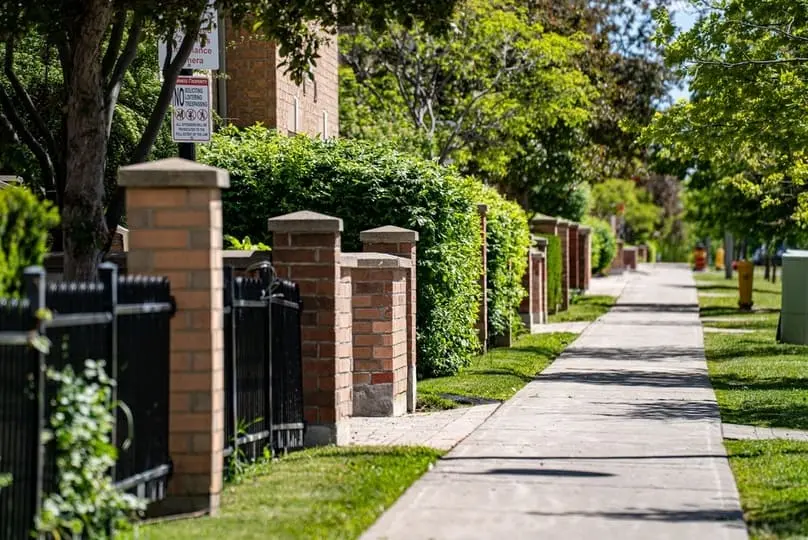
If there is one thing every homeowner eventually learns, it is that a concrete sidewalk does not stay clean on its own. Rain, dirt, moss, oil stains, tire marks, and years of foot traffic slowly transform a bright concrete path into a dull, gray, and stained surface. The good news is, when it comes to how to clean sidewalks,it is really not that complicated.
Sidewalks, driveways, and paved outdoor areas require a little care to stay in good condition year-round. In this deep cleaning guide, you will learn how to clean paved surfaces using various tools, machines, and techniques. We will also explain the necessary preparation and maintenance for paved walkways.
What Is the Best Way to Clean Sidewalks?
To clean a sidewalk and remove common stains, sweep away debris, apply a degreaser or a cleaner specifically designed for concrete, and scrub with a stiff-bristled brush before rinsing with a pressure washer or hose.
- Sweep Away Dirt, Leaves, and Debris: Remove leaves, dust, and loose stones using a broom or leaf blower.
- Apply a Concrete-Safe Cleaner: Evenly apply suitable outdoor sidewalk cleaners or degreaser.
- Scrub, Rinse, and Let the Sidewalk Dry: Use a stiff-bristled brush to remove dirt embedded in the concrete’s pores. Remove residue with clean water and allow to dry completely.
Important note: Concrete is a porous material that absorbs liquids easily, so acting quickly and using stiff-bristled brushes is key to restoring its original appearance. It is important that you wear suitable non-slip footwear when performing this task so that you can avoid a serious accident.
What to Use to Clean Concrete Sidewalks
Before tackling how to clean concrete sidewalk, you need to gather all the tools and materials based on the cleaning method you intend to use. These include brushes, brooms, pressure washers, and safety gear (protective eyewear, gloves, and respirators). Organizing your supplies beforehand will allow you to work more smoothly and without complications.
Best Cleaners for Concrete and Cement Sidewalks
When learning how to clean cement sidewalk, it is always good to know when to use the proper cleaner. For general buildup, a mixture of liquid dish soap, warm water, and baking soda works well for manual cleaning. If you prefer specialist commercial products, Simple Green Oxy Solve Concrete & Driveway Cleaner uses peroxide to safely remove stains without harming the concrete cement.
For heavy-duty organic growth, a 50/50 mixture of home bleach and water applied with a pump-up sprayer is the industry standard for whitening concrete.
Brooms, Deck Brushes, Buckets, and Garden Hoses
- Leaf blower or push broom: To remove loose dirt, leaves, and sticks before washing.
- Surface cleaner attachment: Quickly cover flat ground without leaving streaks or wand marks.
- A stiff-bristled nylon scrub brush: used to manually massage cleaning solutions into tough spots or crevices.
- Pump-up sprayer: Used to evenly distribute liquid detergents or bleach solutions across a surface.
- Garden hose: To damp down the surrounding plants and give them a final rinse.
Best Way to Clean a Concrete Sidewalk Without a Pressure Washer
Once you have your tools and cleaner ready, the cleaning process itself is straightforward if you follow the steps in the correct order. When it comes to how to clean sidewalk without pressure washer, skipping steps or rushing the process is the most common reason people end up with uneven results or streaky areas on their sidewalk.
Step 1: Sweep the Sidewalk Thoroughly
Clear the area completely. Remove any furniture, planters, toys, or debris from the sidewalk. If you want to learn exactly how to clean sidewalks effectively, the process always begins with a thorough dry sweep. Sweep away loose dirt, leaves, and gravel using a stiff-bristled broom. This prevents debris from scratching the concrete during scrubbing and gives the cleaner direct access to stained areas.
If you have items—such as potted plants—sitting directly on the concrete for extended periods, take a moment to check underneath them. These spots often hide the deepest, most persistent discoloration, as they rarely receive sunlight or airflow.
Step 2: Pretreat Visible Stains
Rinse the surface with water beforehand. Use a garden hose to wet the entire sidewalk.
This softens dried dirt and organic buildup, making it easier for the cleaner to penetrate the concrete’s pores rather than sitting on the surface atop a layer of dried grime.
Take your time with this step, especially in shaded or damp corners where moss tends to form a thicker, more established layer.
These specific areas require extra saturation before any sidewalk cleaners can work effectively.
Step 3: Apply the Cleaning Solution
Apply the concrete and cement cleaner. Pour or spray the product directly onto the stained areas, paying special attention to oil marks, tire tracks, moss stains, and any dark discoloration.
For particularly stubborn stains, let the product sit for the time recommended on the label so it can break down deeply accumulated dirt.
If your sidewalk covers a large area, work in manageable sections rather than covering the entire surface at once.
This prevents the cleaner from drying on one end while you are still scrubbing the other.
Step 4: Scrub the Concrete in Small Sections
Using a stiff bristle brush or mechanical scrubbing brush attachment, apply the cleaner to the concrete in circular motions.
Pay special attention to cracks, joints, and edges, where dirt tends to accumulate the most. You will notice the grime lifting almost immediately, which is a sign that the product is working properly.
For homeowners with larger properties or multiple sidewalks to clean, a long-handled brush is highly recommended.
This simple tool can save considerable strain on your back and knees compared to working close to the ground.
Step 5: Rinse Away Dirt and Cleaner Residue
Use a hose to rinse away the cleaner along with all the loosened dirt and stains.
Understanding exactly how to clean sidewalks properly means managing this dirty runoff to prevent re-staining adjacent concrete.
Work from the top of any slope downwards so that the dirty water flows away from the cleaned areas rather than running back over them.
If your sidewalk runs alongside a lawn or garden, angle the spray so that runoff drains toward the street or a storm drain instead of pooling on the grass.
Step 6: Let the Sidewalk Dry Completely
Let it dry completely. Allow the sidewalk to air-dry fully before walking on it or putting furniture back in place.
This also gives you a clear view of the final result, as concrete often looks slightly different once fully dry compared to when it is still wet.
On warm, sunny days, this may take as little as thirty minutes.
Whereas in cooler or humid conditions, it might require a few hours for the surface to be completely dry to the touch.
Pressure Washer vs. Manual Sidewalk Cleaning
When handling how to clean sidewalks, you must consider your budget, time limits, and the severity of the stains when choosing between a pressure washer and manual methods.
Here’s a clear comparison to help you decide whether technique is better for your project:
| Feature | Pressure Washer | Manual Cleaning (Scrubbing) |
| Speed | Fast (takes minutes) | Slow (takes hours) |
| Physical Effort | Low (guided wand movement) | High (intense manual scrubbing) |
| Water Usage | Lower (high pressure uses less volume) | Higher (constant rinsing with a garden hose) |
| Deep Stains | Excellent (blasts away deep oil, mold, and algae) | Moderate (requires heavy chemical helpers) |
| Equipment Cost | Higher (rental fees or purchase cost) | Very Low (brush, bucket, and cleaner) |
| Surface Risk | Moderate (can etch concrete if pressure is too high) | Zero (completely safe for all surfaces) |
How Often Should You Clean a Sidewalk?
Residential sidewalks often require a thorough cleaning once or twice per year, preferably in the spring and fall. Once you learn how to clean sidewalks, regular maintenance will help keep it in good condition and ensure its longevity. You should remove stains and layers of dust; doing so helps avoid costly repairs.
- Sweep regularly: Sweeping the pavement easily removes dirt, leaves, and debris. This prevents dirt accumulation and keeps the surface safe for walking.
- Clean up spills quickly: Immediately clean up spills such as oil, grease, or food. Prompt action can prevent staining and damage to the pavement.
- Seal the pavement: Apply a sealer to protect the pavement from water. This also preserves the surface’s appearance and extends its lifespan.
- Remove weeds early: It is important to remove weeds as soon as they appear in cracks. This stops them from growing and damaging the pavement.
- Avoid harsh chemicals: Always use non-toxic cleaners instead of strong chemicals, as the latter can damage the surface and cause discoloration.
- Limit heavy loads: Excessive weight on the pavement can cause cracks or surface damage over time. Therefore, avoid parking or driving heavy vehicles on it.
- Seasonal deep cleaning: Deep cleaning every few months or during seasonal changes is necessary. This removes stubborn dirt, moss, and algae.
- Repair cracks: If you notice cracks or chips, repair them as soon as possible. Early repair prevents serious damage and keeps the pavement smooth.
Keep Your Sidewalk Spotless Without the Heavy Lifting
Knowing how to clean sidewalks is vital for maintaining your home’s curb appeal in West Palm Beach. However, removing stubborn concrete stains often requires specialized equipment and back-breaking physical labor. Relying on professional deep cleaning services ensures your exterior paths remain perfectly pristine without the effort. Let experts handle the tough scrubbing so you can simply enjoy your property.
Even if you understand exactly how to clean sidewalks, spending your weekends fighting exterior grime is exhausting. Our dedicated team provides the heavy-duty sanitization needed to flawlessly restore your concrete surfaces. Stop sacrificing your precious free time to endless outdoor chores and overwhelming household upkeep. Contact Yorleny’s Cleaning Services today to schedule your professional cleaning!
Sidewalk Cleaning FAQs
What Is the Best Way to Clean a Concrete Sidewalk?
You must use a powerful pressure washer combined with a specialized surface cleaner attachment. When figuring out how to clean sidewalks, high pressure water blasts away deeply embedded dirt instantly. This highly efficient method restores the bright white appearance of your concrete paths without requiring exhausting manual scrubbing.
How do you clean a sidewalk without a pressure washer?
You must vigorously scrub the concrete using a stiff bristle push broom and a strong chemical degreaser. If you want to know how to clean sidewalks manually, apply a heavy layer of baking soda and vinegar first. This foaming mixture easily lifts stubborn dirt before you rinse the path completely.
What is the best cleaner for concrete sidewalks?
Liquid chlorine bleach mixed with water is the absolute best chemical solution for destroying dark algae stains. When mastering how to clean sidewalks, applying this powerful mixture kills slippery green moss completely. You must always rinse the surrounding grass heavily to prevent the strong bleach from killing your beautiful landscaping.
Can you clean the sidewalk with dish soap?
Yes, liquid dish soap is incredibly effective for removing fresh oil spots and greasy food spills. A crucial step in how to clean sidewalks involves pouring the thick soap directly onto the stain. Letting the detergent sit overnight perfectly absorbs the heavy grease before you wash the concrete away tomorrow.
How do you remove spray paint from a sidewalk?
You must apply a commercial graffiti remover directly to the vandalized area and let it soak thoroughly. If you are researching how to clean sidewalks after vandalism, never use wire brushes. Intense wire scrubbing will permanently scratch your concrete surface while the chemical gel safely dissolves the thick paint instantly.

Reviewed by:
Tony Loeffler is the Co-Founder of Yorleny's Cleaning Service and a leader in residential cleaning services. As a content reviewer and writer, he is an expert around the cleaning services in Florida, specifically West Palm Beach County.
Recent Articles

How to Remove Mud Stains from Clothes, Shoes, Floors, and Walls
Mud and dirt stains are among the most frustrating marks to deal with, whether they appear on your favorite jeans after a…

How to Clean Before Fall Guests Arrive: Quick Tips for Busy Hosts
Welcoming friends and family into your home for the autumn holidays can be a rewarding experience. However, figuring out exactly how to…

The Benefits of Property Management Cleaning Services for Florida Hosts
As a landlord, you run a business where tenants are customers and rental units are assets, meaning you must maintain your property…
See below to check if our top-quality house cleaning services are available in your city and book your first appointment with just a few clicks.