

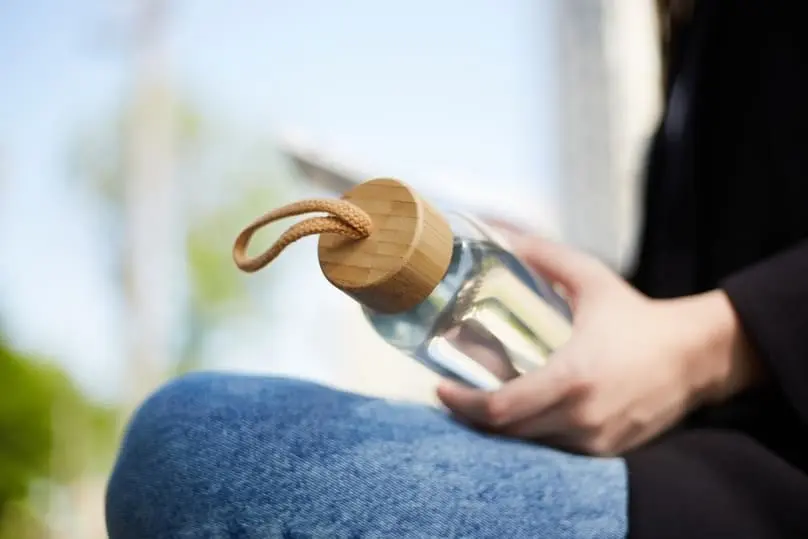
Reusable water bottles have become an essential accessory for those seeking a sustainable and practical way to stay hydrated throughout the day. If you want to keep yours safe and fresh, learning how to clean reusable water bottles is key to preventing bacteria buildup and unpleasant odors. Their constant use can lead to a mix of liquid residue, microorganisms, and lingering smells if they are not cleaned properly.
Keeping them in good condition not only prolongs their lifespan but also ensures that the water we consume remains free of impurities. Each type of bottle requires specific care depending on the material it’s made of. Many people search for the best way to clean reusable water bottles because proper maintenance keeps water fresh, odor free, and safe to drink.
In this article, Yorleny’s Cleaning services provides a complete guide with the best methods for effective water bottle cleaning so you can disinfect your bottle, prevent odors, and ensure safe use over time. Whether you’re wondering how to disinfect a water bottle or looking for an easy to clean water bottle care routine, these tips will help keep your bottles in perfect condition.
Why It’s Important to Clean Your Water Bottle Regularly
What Bacteria and Mold Can Build Up Inside
Daily use of reusable bottles leads to constant exposure to bacteria, beverage residue, and environmental particles that can accumulate inside. If not cleaned frequently, these microorganisms can generate unpleasant odors and affect water quality. A bottle designed to support healthy habits can become a source of contamination if you don’t know how to sanitize a water bottle the right way.
One of the main risks of not knowing how to disinfect a water bottle is the proliferation of bacteria, especially in humid environments like the Florida climate. The combination of liquid residue, saliva, and fluctuating temperatures encourages the growth of microorganisms. Over time, they can cause unpleasant tastes in the water and even digestive discomfort in some cases.
Signs It’s Time to Clean Your Bottle
A foul odor, visible debris or slime, and a change in the taste of your water are all clear signs that it’s time to clean your reusable water bottle. If you observe blackish, mold-like spots or a persistent sticky residue, it indicates that the bottle needs immediate and thorough cleaning.
How Often Should You Clean It?
Inadequate cleaning affects the durability of the material. Beverage residues such as coffee, tea, or juice can leave stains or stubborn buildup, especially on stainless steel or glass bottles. In the case of recycled plastic bottles, poor hygiene accelerates wear and reduces their lifespan.
For these reasons, it is essential to clean reusable bottles daily, after each use, to maintain their functionality, prevent bacterial buildup, and extend their lifespan. Knowing how to clean reusable water bottles not only keeps your water fresh and free of impurities but also protects your investment in a sustainable, eco-friendly product.
Step-by-Step Guide to Clean a Reusable Water Bottle
Daily vs. Weekly Cleaning Routines
Daily Cleaning Method (Hand-wash)
The most basic and recommended method for everyday care is washing with warm water and mild detergent, especially if you want to master how to clean reusable water bottles correctly. Simply fill the bottle with soapy water, shake it, and rinse it thoroughly to remove residue. This routine supports better water bottle cleaning habits and keeps your bottle smelling fresh.
- Disassemble all pieces, including the lid, straw, and any rubber gaskets or valves. Mold can grow quickly in these hidden spots if not cleaned often, which is why knowing how to clean reusable water bottles is essential for anyone looking for an easy to clean water bottle routine that works daily.
- Fill a sink with hot water and dish soap. Submerge all disassembled parts.
>With a specialized straw brush or pipe cleaner, clean the inside of the straw and any internal passages in the nozzle. - Rinse well to eliminate soap residue, then air dry all components. Allow them to dry completely before reassembling. Moisture promotes bacteria development, making water bottle cleaning even more important when bottles are used throughout the day.
For a deeper clean, use a bottle brush to reach internal areas where residue and bacteria collect. This method aligns perfectly with how to clean reusable water bottles using simple tools. It also helps maintain an easy to clean water bottle routine free of odors and buildup
Dishwasher Cleaning
Some reusable bottles, especially stainless steel and glass ones, can be placed in the dishwasher. This can simplify water bottle cleaning, although it’s important to check the manufacturer’s instructions before doing so.
If the bottle is dishwasher-safe, place it on the top rack and remove the caps to prevent warping. For recycled plastic or coated bottles, hand washing is still preferable. This supports better long-term care and aligns with best practices for how to clean reusable water bottles effectively.
Weekly Deep Cleaning
When a bottle has stains or stubborn residue, weekly deep cleaning is needed. Sanitizing soaks can counteract chronic odors and sliminess, which is essential when following a consistent how to clean reusable water bottles.
-
- <li
><strong>Vinegar Soak: Soak the dismantled parts in a solution of one part distilled white vinegar to four parts water for at least 10 minutes, preferably over
- night. Rinse well to remove any remaining vinegar odor.
- Baking Soda Soak: Soak parts in warm water with 2-4 tablespoons of baking soda overnight before rinsing.
- <strong>Cleaning Tablets: Drop denture cleaning tablets (such as Efferdent) or specialist bottle cleaning tablets into a bottle of water, and soak the parts in the solution for the time specified on the package.
Afterward, shake the mixture and rinse well. This approach works great for stainless steel and glass bottles, helping you maintain an easy to clean water bottle strategy without harsh chemicals.
Glass vs. Metal Bottles: What to Know
Stainless steel bottles maintain temperature well but can develop stains if not dried correctly. Glass bottles are eco-friendly and elegant but fragile. Recycled plastic bottles are lightweight and practical, yet they require consistent care. All materials benefit from a proper understanding of how to clean reusable water bottles to prevent bacteria buildup and extend their lifespan.
How to Disinfect or Sanitize a Water Bottle
When Is Disinfection Necessary?
Disinfection is necessary when a bottle develops mold, emits odors, or has been used for liquids other than water. To sanitize the bottle, use a mild bleach solution or vinegar soak, then rinse thoroughly. Daily cleaning with soap and hot water supports ongoing water bottle cleaning and keeps your routine for how to clean reusable water bottles simple and effective.
Using Vinegar, Baking Soda, or Tablets Safely
White vinegar is natural and effective for eliminating bacteria and odors. Fill the bottle with one part vinegar and three parts water, leave it overnight, and rinse thoroughly. This is ideal once a week and pairs well with any method you use for how to clean reusable water bottles, ensuring a complete clean without damaging the material.
Recommended Tools and Cleaners for Reusable Bottles
Best Brushes and Accessories
Many bottles include long brushes similar to those for baby bottles. These tools reach difficult areas inside the bottle and help maintain a reliable routine for how to clean reusable water bottles at home.
If you don’t have a brush, you can use rice with soap and hot water to scrub the inside. Shake the bottle vigorously. This simple hack supports an easy to clean water bottle routine without purchasing extra tools.
Natural vs. Commercial Cleaners
Natural cleaners like vinegar and baking soda are economical, eco-friendly, and ideal for regular water bottle cleaning. Commercial cleaners can be more powerful for stubborn dirt, but they may contain harsh chemicals. The choice depends on priorities like cost, health, environmental impact, or effectiveness. Either method can support your long-term plan for how to clean reusable water bottles successfully.
Tips to Keep Your Water Bottle Clean Longer
Proper Storage to Avoid Mold
To keep your bottle fresh and odor-free, follow the same principles used when learning how to clean reusable water bottles
effectively. Clean and dry it daily, store it in a cool and ventilated place, and always disassemble the parts to prevent moisture buildup. These simple habits also support better water bottle cleaning and help maintain an easy to clean water bottle routine at home.
Don’t Let Water Sit Too Long
Don’t let water sit in your bottle for too long. Empty and clean it daily to prevent bacteria and mold growth. This habit reinforces what you already practice when understanding how to clean reusable water bottles properly. Stagnant water can lead to odors and residue, especially in plastic bottles. Keeping the bottle active and refreshed makes it easier to maintain an easy to clean water bottle and improves your overall water bottle cleaning routine.
How to Dry Your Bottle Thoroughly
Proper drying is essential for anyone following how to clean reusable water bottles regularly. Use an air-drying rack or place the bottle upside down in a well-ventilated area. You can also use low heat from a hair dryer or sunlight to speed up drying. Leaving the lid off prevents humidity from getting trapped. These steps make it easier to maintain an easy to clean water bottle and support long-lasting water bottle cleaning habits.
How to Clean Reusable Water Bottles and Keep Them Fresh Every Day
Simple Habits to Maintain an Odor-Free and Hygienic Bottle
Learning how to clean reusable water bottles properly helps you prevent odors, bacteria buildup, and residue that can affect both taste and health. Simple routines like rinsing daily, deep cleaning weekly, and using safe, non-abrasive tools make it easier to keep your bottle fresh and ready for everyday hydration.
Professional Home Cleaning Support When You Need Extra Guidance
If you often look up how to clean reusable water bottles because buildup keeps returning or certain materials require special care, professional cleaners can help. With expert guidance and safe cleaning methods, you can maintain a healthier home environment and keep your reusable items in better long-term condition.
Keep Your Hydration Habits Safe and Your Home Feeling Fresh
If you want extra support maintaining a cleaner, healthier home, Yorleny’s Cleaning Service is here to help. Contact us today to learn more or request a quote.
FAQs About How to Clean Reusable Water Bottles
Can I Put My Bottle in the Dishwasher?
Yes, many bottles are dishwasher-safe. Always check manufacturer instructions first, then place only the body and lid on the top rack. Avoid dishwashing plastic bottles because heat may deform them. Following these recommendations complements everything learned about water bottle cleaning and helps ensure your bottle stays an easy to clean water bottle without damage.
What If I Haven’t Cleaned My Water Bottle in a While?
If you haven’t cleaned your reusable water bottle in a while, it may contain bacteria and mildew, which could cause nausea, stomach distress, or allergic responses. To clean it, dismantle all pieces and thoroughly wash them with hot, soapy water, using a bottle brush to reach hard-to-clean spots. Consider a vinegar soak for a thorough cleaning; if mold is present, use a harsher solution or toss it.
How Long Do Bottle Cleaning Tools Last?
Bottle cleaning instruments, such as brushes and sponges, have different lifespans, but they should be replaced every few months to avoid germ buildup. Regular-use baby bottle brushes should be replaced every 6-8 weeks, sponges every 1-2 weeks, and silicone brushes can last much longer, depending on use.
What If the Bottle Still Smells?
If a bottle still stinks after cleaning, soak it overnight in a mixture of baking soda and warm water or white vinegar and water. For persistent odors, use a very diluted bleach solution or specialized cleaning tablets. To avoid recurring odors, always thoroughly rinse the bottle and let it air dry.
Recent Articles

Move Out Cleaning Checklist: Everything You Need Before Moving Out
After days or weeks of preparing everything, your body starts to give out, and your mind is fried. To help you stay…

How to Clean Stainless Steel Pans the Right Way
Stainless steel is durable, safe, and ideal for high-heat cooking. Learning how to clean stainless steel pans correctly helps maintain their shine…

How to Remove Stain From Wood Safely and Effectively
Wood is a noble, elegant, and warm material, but also very delicate. That’s why knowing how to remove stain from wood properly…
An overview of the areas we serve
See below to check if our top-quality house cleaning services are available in your city and book your first appointment with just a few clicks.