

Knowing how to clean granite countertops properly is essential to preserve their beauty and durability in Florida homes. Granite is one of the most popular materials for kitchen and bathroom countertops due to its resistance, longevity, and elegant appearance.
However, granite surfaces require specific care and the right granite countertop cleaner to maintain their shine and avoid damage. Certain foods, spills, and household products can stain or dull the surface if used incorrectly.
Because kitchen countertops collect bacteria and daily grime, understanding how do you clean granite countertops safely is key to maintaining a hygienic kitchen. In this article, YCS explains how to clean granite countertops, how to choose the best cleaner for granite countertops, and which mistakes to avoid for long-lasting results.
What Makes Granite Countertops Different?
Why Granite Needs Special Care
Granite is a naturally porous stone, meaning it can absorb liquids if not properly sealed. Heat, spills, and harsh products can slowly degrade the surface over time.
Most granite countertops come factory-sealed, offering protection for several years. However, improper cleaning accelerates sealant wear. Learning how to clean granite countertops correctly helps preserve the seal and prevents premature damage.
Common Issues in Florida Kitchens (Humidity, Hard Water, Citrus Stains)
Florida kitchens often experience granite problems such as etching from acidic products, stains from oils or cosmetics, and dull surfaces caused by humidity and hard water.
To prevent these issues, clean spills immediately, use trivets and coasters, and rely on gentle methods for cleaning stained granite. Proper daily care and annual resealing protect granite from Florida’s climate.
Best Cleaners for Granite Countertops
Safe Daily Cleaners to Use
For daily maintenance, the safest way to clean granite countertops is with warm water, mild dish soap, and a microfiber cloth. Always dry the surface to avoid water spots.
You can also use a commercial granite countertop cleaner designed for natural stone, such as Stone Care International, Weiman, Rock Doctor, or Black Diamond, which are safe for sealed stone and non-abrasive.
Products You Should Avoid on Granite
Avoid vinegar, lemon, bleach, ammonia, and abrasive pads. These products can damage the sealant and make stains harder to remove.
Instead, use gentle methods when how to remove stains from granite becomes necessary. Baking soda poultices and alcohol-based disinfecting sprays are safer alternatives for cleaning stained granite.
Homemade Granite-Safe Cleaning Solutions
A simple homemade solution for those learning how to clean granite countertops includes water, isopropyl alcohol, and a small amount of dish or castile soap. This mixture cleans and disinfects without harming the seal.
For tougher spots, a baking soda paste can help how to remove stains from granite, but always test it first. Consistent care and safe products ensure your countertops remain polished and protected.
How to Clean Granite Countertops Step by Step
Daily Cleaning Routine
Learning how to clean granite countertops daily starts by clearing the surface to prevent accidents while cleaning. Remove crumbs and dried food with a paper towel before applying any liquid.
Next, use a soft cloth with warm water and mild dish soap. Clean the entire surface using circular motions, then rinse with a damp cloth and dry thoroughly.
If disinfection is needed, use a granite-safe product or add a small amount of rubbing alcohol to the cloth. Use alcohol sparingly to avoid absorption.
Avoid abrasive tools and acidic products such as vinegar, lemon juice, or hydrogen peroxide, as they can damage granite over time.
Weekly Care to Maintain Shine
Daily cleaning should be enough to keep your countertop and sink looking their best, but sometimes we need a little extra help. For this, we have two options: we can hire professionals for a deep clean with steam, or we can do it ourselves.
If we decide to take on the task ourselves, we must thoroughly clean every nook and cranny. When cleaning U-shaped or L-shaped granite countertops, pay special attention to the grout lines. If you ever lose your keys or wallet at home, be sure to check the grout.
The amount of dirt that can accumulate in these grout lines, which are usually metal, is astounding. Use an old toothbrush to remove it all, because it’s a major source of grime, we insist.
How to Disinfect Granite Safely
Start with a clean surface by wiping it with warm water and mild soap. Rinse and dry with a microfiber cloth.
To disinfect, spray a solution of equal parts water and 70% isopropyl alcohol. Let it sit for 3 to 5 minutes.
Wipe with a clean, damp microfiber cloth, then buff dry to prevent streaks and restore shine. This method supports how to clean granite countertops safely.
How to Remove Stains From Granite
Oil Stains (Cooking Oils, Grease)
If you have a grease stain on your countertop, it’s important to dissolve it chemically. You can try a mild liquid cleaner, detergent, ammonia, acetone, or even natural agents. However, never mix these products, as this could create a dangerous gas.
Regular acetone is also effective for cleaning grease stains on granite countertops, although it may require several applications depending on the depth of the stain. Remember that acetone evaporates quickly. This is the best way on how to remove stains from granite countertops made of oil.
Water or Hard-Water Stains
cleaning stained granite with hard water is as easy as you think. You can use a paste made of baking soda and water for stubborn stains. Apply the paste, let it sit for a while, and then gently scrub the area. For light stains, a solution of white vinegar mixed with water can be effective, but be cautious since some types of granite do not tolerate vinegar well.
It’s best to test it first! Always clean with a soft cloth and be sure to dry the surface thoroughly. Avoid using strong acids or abrasive chemicals, as they can damage the stone.
Food Stains (Coffee, Wine, Tomato Sauce)
Organic stains, such as those caused by fruit, coffee, food, or tobacco, can appear as pink or brown stains. To remove them, it’s important to act quickly. Use a microfiber cloth and the recommended cleaning solution. Additionally, if the stain persists, you can try applying a little baking soda mixed with water to help remove it.
Granite Countertop Care & Maintenance Tips
How Often to Seal Granite
When it comes to how to clean granite countertops and maintain them, they should be sealed every 6-12 months, or 1-3 years, depending on usage and granite type. Use a simple water test to check: if water beads up, it’s fine.
If it soaks in or darkens, it’s time to reseal with a high-quality stone sealer, carefully following product instructions for cleaning and curing. Lighter, more porous stones typically require more regular sealing than darker ones.
Prevention Tips to Reduce Future Stains
- Immediate Drying: Wipe up any spilled liquids (oil, wine, coffee, juice) instantly to prevent them from soaking in.
- Use Protection: Always place trivets under hot pots and cutting boards to protect the surface from scratches and impacts.
- Gentle Daily Cleaning: Use a soft cloth, warm water, and a mild soap or a granite-specific cleaner.
- Regular Sealing Application: Sealing is crucial for reducing porosity; reapply it every 1-3 years, depending on usage, to seal out liquids.
- Dry After Cleaning: Use a soft, dry cloth to avoid watermarks and prevent liquid from soaking in.
Best Practices for Long-Term Protection
- Seal regularly: Apply a granite sealer (every 6-12 months or depending on usage) to fill the pores and prevent staining. This is crucial for durability.
- Use trivets and placemats: Do not cut directly on the granite or place hot pots on it. Always use cutting boards and trivets to protect it from scratches and impacts.
- Be careful of impacts: Avoid strong impacts with heavy objects, especially on the edges, to prevent chipping or cracking.
Following these steps ensures long-lasting results and reinforces how to clean granite countertops correctly.
When to Call Professional Cleaning Services in Florida
Signs You Need Professional Help
Knowing how to clean granite countertops at home works well for everyday maintenance, but some situations call for extra care. Dull spots, stubborn stains, sticky residue, or concerns about sealing damage are common signs that professional attention may be needed. Florida’s humidity can also contribute to buildup that regular wiping cannot fully remove.
How Professionals Deep Clean Granite Countertops
Professional cleaners understand how to clean granite countertops safely using pH-balanced products and techniques that protect the stone’s natural finish. This deeper approach helps restore shine, removes embedded grime, and supports the long-term durability of your countertops without risking scratches or etching.
Contact us today to learn more about professional cleaning options from Yorleny’s Cleaning Services and keep your Florida home looking its best.
Frequently Asked Questions About How to Clean Granite Countertops
What is the best cleaner for granite countertops?
The best option for how to clean granite countertops is a granite-safe cleaner specifically designed for natural stone. Avoid vinegar, lemon, bleach, or abrasive products, as they can dull the surface and cause long-term damage.
Can vinegar or natural DIY solutions be used on granite?
No. Vinegar and acidic cleaners should not be used when learning how to clean granite countertops. Acids can etch the stone and strip its protective seal, especially in humid Florida kitchens where granite is more vulnerable.
How do I remove stains from granite countertops?
When dealing with stains, how to clean granite countertops depends on the stain type. Oil stains may require a poultice, while water stains often improve with gentle cleaning and proper drying. Acting quickly helps prevent permanent discoloration.
How often should granite countertops be sealed and maintained?
Proper care is essential when following best practices for how to clean granite countertops. Most granite surfaces should be sealed once a year to protect against moisture, stains, and bacteria, especially in high-humidity areas like South Florida.
What are the most common mistakes people make when cleaning granite?
A common mistake when figuring out how to clean granite countertops is using harsh chemicals, abrasive sponges, or excessive water. These habits can wear down the sealant and leave the surface prone to staining and dullness.
Name: How to Clean Granite Countertops
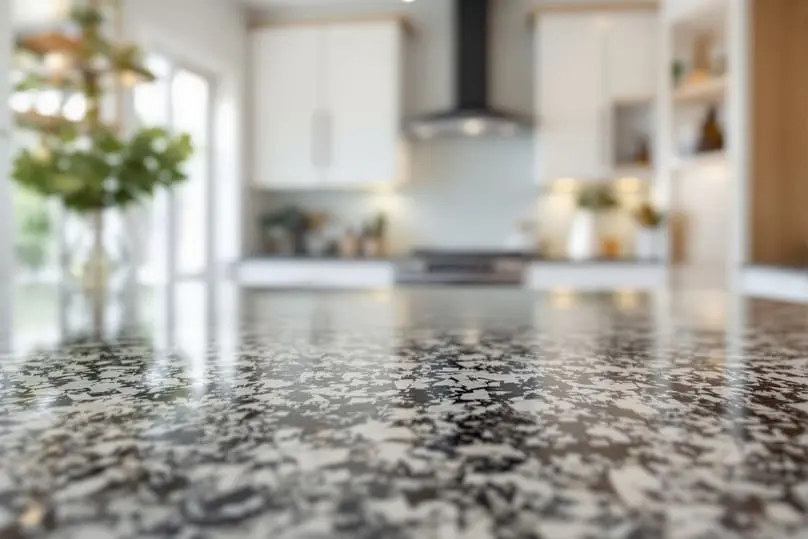
Alt text: Shiny granite countertop in a kitchen, guide on how to clean granite countertops safely.
Recent Articles

Move Out Cleaning Checklist: Everything You Need Before Moving Out
After days or weeks of preparing everything, your body starts to give out, and your mind is fried. To help you stay…

How to Clean Stainless Steel Pans the Right Way
Stainless steel is durable, safe, and ideal for high-heat cooking. Learning how to clean stainless steel pans correctly helps maintain their shine…

How to Remove Stain From Wood Safely and Effectively
Wood is a noble, elegant, and warm material, but also very delicate. That’s why knowing how to remove stain from wood properly…
An overview of the areas we serve
See below to check if our top-quality house cleaning services are available in your city and book your first appointment with just a few clicks.