

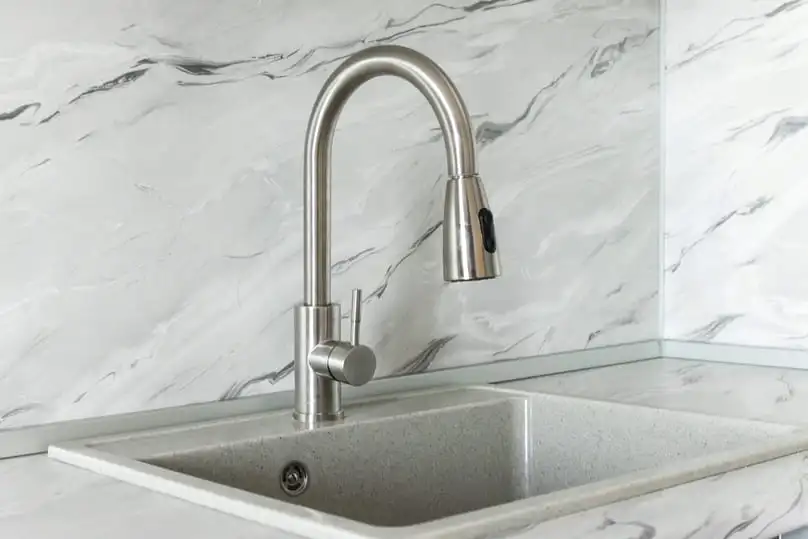
The kitchen sink faucet head is one of the most commonly used fixtures in kitchens and bathrooms, yet it is often overlooked. Learning how to clean faucet head properly helps remove mineral deposits, germs, and grime that build up over time, affecting water flow and hygiene.
Cleaning your faucet head regularly keeps it shining clean, ensures consistent water pressure, and extends its lifespan, especially on a stainless steel tap. In this article, Yorleny’s Cleaning Services explains how to clean stainless steel faucet surfaces using safe steps and materials to keep your faucet head in excellent condition.
Why Cleaning Faucet Heads is Important
Common Faucet Problems: Mineral Deposits and Water Spots
Mineral deposits are a frequent issue in Florida homes with hard water. Over time, buildup clogs aerators and reduces pressure. Understanding how to clean sink faucet head prevents residue accumulation, odor development, and bacteria growth inside the fixture.
Routine maintenance improves water quality while keeping the sink area visually clean.
Impact on Faucet Appearance and Water Flow
When buildup accumulates, faucet heads lose shine and performance. Following proper steps for how to clean faucet head removes limescale and sediment that block aerator openings and disrupt water flow.
This process restores clarity, improves pressure, and keeps a stainless steel tap looking clean instead of dull or stained.
Florida-Specific Concerns: Hard Water and Humidity
Florida’s hard water accelerates mineral buildup on faucet heads, requiring more frequent care. Learning how to prevent water spots on stainless steel faucet surfaces is essential in humid environments where evaporation slows.
Moist conditions also promote mold near faucet bases, making routine cleaning especially important in West Palm Beach homes.
Understanding Faucet Materials and Maintenance
Stainless Steel, Brushed Nickel, and Chrome Finishes
Different finishes require different care approaches. Stainless steel resists corrosion, brushed nickel hides marks, and chrome offers shine but shows spots. Understanding how to clean stainless steel naturally helps protect finishes without harsh chemicals.
Stainless Steel
Characteristics: Very durable, excellent for kitchens, corrosion-resistant.
Maintenance: Clean gently with mild soap and soft cloths. Techniques for how to clean stainless steel faucet surfaces should always include drying to prevent marks.
Brushed Nickel
Characteristics: Warm and satin appearance, hides fingerprints and watermarks better than chrome, requires less maintenance.
Maintenance: Soft clothes and neutral cleaners work best. Avoid abrasives when learning how to clean brushed stainless steel faucet-style finishes with texture.
Chrome
Characteristics: The most popular finish; shiny, hard, and scratch-resistant; generally more economical.
Maintenance: Use mild soap and soft cloths; it is prone to showing water spots and fingerprints, so drying it is crucial.
How Different Materials React to Cleaning Products
Faucet materials react differently to cleaning agents depending on their chemical stability and texture. Using the improper product can cause irreversible staining, pitting, and the removal of protective coatings.
Stainless Steel
Stainless steel is generally strong yet susceptible to chlorides and high acid concentrations.
- Bleach/Chlorine: Can cause surface pitting and remove the protective chromium oxide layer, resulting in rust.
- Strong Acids: When left to soak, high acid exposure may stain surfaces cleaned improperly during how to clean stainless steel naturally.
- Abrasives: Coarse pads and steel wool will scratch and dull the finish.
Brushed Nickel
Brushed nickel is highly sensitive to acidic and caustic substances due to its fragile polish.
- Vinegar/Lemon Juice: The acidity can discolor or eat through the finish, particularly if there is no protective lacquer.
- Ammonia/Alcohol: Commonly used in glass cleaners, they can tarnish or leave “dark marks” on Nickel.
- Bleach: Can cause corrosion and lasting surface defects.
- Abrasives: Scrubbing can leave persistent “shiny spots” that destroy the consistent matte texture.
Chrome
Chrome is highly robust but susceptible to scratches and chemical etching.
- Acids: Although more durable than nickel, prolonged exposure to vinegar or strong mineral acids (such as phosphoric acid in grout cleaners) can eat through the plating.
- Abrasives: Scouring pads can easily damage the mirror-like gloss, exposing the underlying metal.
Preventing Damage During Cleaning
Preventing damage starts with identifying the faucet finish and using mild tools. Applying correct methods for how to clean faucet head surfaces helps preserve appearance and function.
Gentle cleaning protects fixtures and extends their usable life.
Supplies and Tools Needed
Household Cleaners and Tools
Having supplies ready simplifies the cleaning process and avoids mistakes. Proper tools support safe methods for how to clean faucet head areas without damaging small components.
- White vinegar removes mineral buildup.
- Baking soda lifts residue gently.
- Small brushes reach tight spaces.
- Soft clothes protect finishes.
- Plastic bags allow soaking.
- Toothpicks clear aerator holes safely.
Safe Commercial Cleaners for Stainless Steel Faucets
For safe commercial cleaning of stainless steel faucets, use dedicated cleaners like Weiman, Bar Keepers Friend (liquid or spray), or Brite Shine, which cut grease and shine without harsh chemicals.
Cleaning with the grain and drying afterward helps how to prevent water spots on stainless steel faucet fixtures in humid Florida kitchens.
Step-by-Step Guide: How to Clean Faucet Head
1. Remove the Faucet Head if Possible
Start by unscrewing the faucet head. Many faucets can be unscrewed by hand, but others require a wrench. Wrap the faucet head in a cloth if you’re using a tool to avoid scratching it. This is the first step in how to clean faucet head properly without damaging surfaces.
2. Soak in Vinegar or a Safe Cleaning Solution
Place the faucet head in a plastic bag filled with white vinegar. Secure it with a rubber band and let it soak for at least 30 minutes. The vinegar will help dissolve any mineral buildup. Soaking is essential when learning how to clean sink faucet head efficiently and safely.
3. Scrub Mineral Deposits and Rinse Thoroughly
After soaking, use a small brush or toothbrush to scrub the aerator and other parts. Pay attention to the grates or small openings that may be clogged with debris. This step demonstrates how to clean faucet head thoroughly and ensures no hidden spots remain. If aerator holes are still blocked, carefully use a toothpick or safety pin.
4. Reassemble and Polish With a Microfiber Cloth
Rinse the faucet head with warm water to remove any remaining vinegar or dirt. Screw the head back onto the faucet and turn on the tap to ensure it flows properly. Clean the exterior using a soft cloth and a mild solution. Polishing helps maintain shine and is part of how to clean stainless steel faucet routines for lasting results.
Preventing Water Spots and Mineral Buildup
Wipe Faucets After Each Use
To prevent stains and mineral buildup, dry faucets with a soft cloth after each use. Regularly perform deep cleanings with white vinegar or a baking soda paste to dissolve deposits. This technique is critical in how to clean brushed stainless steel faucet areas, protecting finishes and maintaining appearance.
Routine Maintenance Tips for Florida’s Hard Water
For Florida’s hard water, keep faucets clean with a soft cloth and vinegar. Always dry after use to prevent limescale. Periodically check seals and filters. This approach aligns with how to clean faucet head best practices and prolongs faucet life.
Routine Cleaning (Weekly/Bi-Weekly)
- Dry Immediately: Use a microfiber cloth to prevent water spots.
- Gentle Cleaning: Mix warm water with mild soap, clean with a soft sponge, rinse, and dry.
- Fight Limescale: Soak cloth in vinegar for 15-30 minutes and scrub gently.
- Scrub Gently: Use a soft brush, then polish with vinegar and water. Avoid abrasives for how to clean stainless steel naturally
Deep Maintenance (Every 3-6 Months or as needed)
- Check the O-rings: Disassemble faucet if leaks appear, clean, and lubricate.
- Clean the filter/aerator: Remove the filter, wash thoroughly, and soak if needed.
- Lubricate moving parts: Use olive oil or petroleum jelly while cleaning. These actions maintain your stainless steel tap in optimal condition.
Long-Term Prevention
- Install a water filter: Reduces hard water mineral buildup.
- Listen for noises and looseness: Adjust or replace internal parts as needed. This supports how to prevent water spots on stainless steel faucet long-term.
Common Mistakes When Cleaning Faucet Heads
Avoid Abrasive Sponges and Harsh Chemicals
To clean faucet heads properly and avoid damage, do not use metal sponges or harsh chemicals like bleach or ammonia. They scratch or corrode finishes. Instead, use a soft cloth and mild cleaners. Disassemble aerators for separate cleaning. Following this step is key in how to clean faucet head safely.
Don’t Ignore Aerators and Hidden Crevices
Even though cleaning may seem easy, missing aerators and hidden areas leads to poor results. Regularly addressing these spots ensures your faucet stays clean. This is part of how to clean faucet head best practices.
Avoid Over-Soaking or Leaving Vinegar on Too Long
Excess vinegar can damage finishes. Use a 1:1 mixture with water and soak only 15-30 minutes. Rub gently with a microfiber cloth. This tip prevents damage when learning how to clean faucet head and maintains chrome or metal surfaces properly.
Keep Your Faucet Heads Spotless
Importance of Regular Care for Florida’s Hard Water and Humidity
Knowing how to clean faucet head properly helps prevent mineral buildup, clogs, and water flow issues common in Florida homes. Regular care ensures your faucets remain hygienic, efficient, and looking great year-round.
Schedule Professional Faucet Cleaning in West Palm Beach or Download Our Free Maintenance Guide
For homeowners who want extra guidance or deeper cleaning, professional help is a smart option. Learn expert tips and maintain your faucets without damage, keeping them sparkling and fully functional.
Contact us today to schedule professional faucet cleaning in West Palm Beach and discover the best practices for how to clean faucet head safely.
FAQs About Faucet Cleaning
Can DIY cleaning remove all mineral buildup?
DIY methods can be very effective, especially for light to moderate deposits. Using vinegar or baking soda is a common approach when learning how to clean faucet head, though severe buildup may require professional attention.
Are homemade solutions safe for all faucet types?
Most homemade solutions are safe for stainless steel and chrome, but delicate finishes may be sensitive. Always test before applying these how to clean faucet head techniques to avoid scratches or damage.
How often should faucets be cleaned in Florida?
Due to Florida’s humid climate and mineral-rich water, it’s recommended to clean faucets every 1–2 weeks. Regular maintenance following how to clean faucet head practices prevents buildup and keeps your fixtures shiny and hygienic.
Recent Articles

Easter Decorations Ideas for Every Home in 2026
Easter decorations ideas are perfect for transforming your home into a warm and festive space during spring. This season is ideal for…

Vacation Rental Cleaning: Checklists and Standards for Consistent Guest Turnovers
Vacation rental cleaning is a real challenge, for both tourists and hosts. A dirty vacation rental can ruin a traveler’s stay, and…

How to Clean Airbnb Homes the Right Way for Consistent Guest Satisfaction
The best hosts always leave their listings spotless between stays. Knowing how to clean Airbnb homes properly is essential, as cleanliness is…
An overview of the areas we serve
See below to check if our top-quality house cleaning services are available in your city and book your first appointment with just a few clicks.