

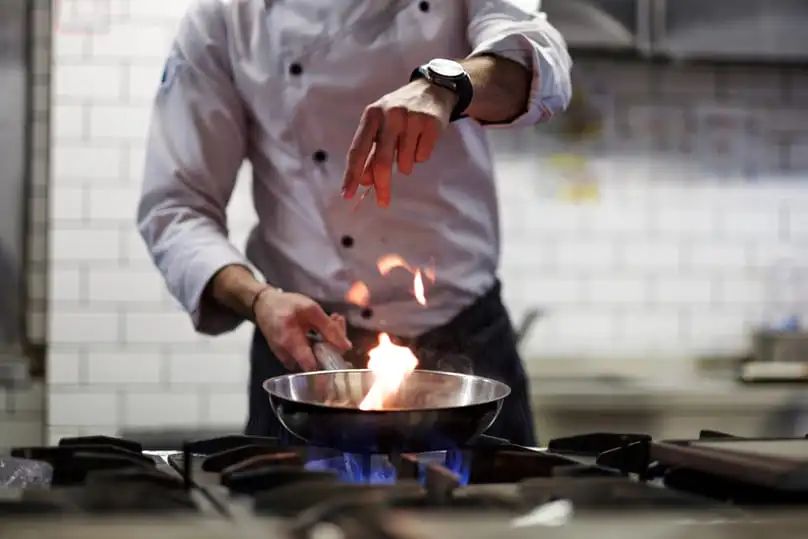
Learning how to clean a burnt pot correctly can help remove stuck-on food and reduce lingering odors without damaging the cookware. Stainless steel pots and pans are durable, rust-resistant, and usually easy to clean. However, constant exposure to heat and food can cause stubborn stains and burnt bottoms.
A scorched pan is frustrating, especially when the residue does not lift with normal washing. The safest approach is to match the method to the cookware material, give water and time a chance to loosen the food, and avoid harsh tools that can scratch a finish. If kitchen buildup extends beyond the cookware, recurring house cleaning can help South Florida homeowners maintain the surrounding kitchen surfaces.
How to Clean a Burnt Pot: Quick Steps
- Let the cookware cool before adding water or cleaner.
- Remove loose food with a wooden, silicone, or plastic utensil.
- Soak or simmer water with a material-safe cleaner to loosen residue.
- Scrub gently with a tool suitable for the pan type.
- Rinse thoroughly and dry the cookware completely.
Important note: Do not pour cold water into a very hot pot, as sudden temperature changes can damage cookware. Never mix bleach, ammonia, or other household cleaners; follow the manufacturer’s care instructions for nonstick, enamel, cast iron, and specialty finishes.
What Is the Safest Way to Clean a Burnt Pot?
The safest approach is to cool, soak, loosen, and gently scrub the burnt residue without damaging the cookware.
Start with warm water and dish soap, then move to baking soda or a manufacturer-approved cleaner only if the residue remains. This keeps the first attempt gentle and makes it easier to stop before an abrasive method damages the surface.
| Cookware type | Start with | Avoid |
|---|---|---|
| Stainless steel | Warm soapy water; baking soda paste or a brief vinegar-and-water treatment for stubborn residue | Steel wool, bleach, or prolonged exposure to acidic cleaners |
| Nonstick | Warm soapy water and a soft sponge | Metal utensils, abrasive pads, and high heat while cleaning |
| Cast iron | Warm water, a stiff nylon brush, and thorough drying | Long soaking and methods that remove the seasoning |
| Enamel | Warm soapy water and a non-abrasive sponge | Harsh scouring tools or sudden temperature changes |
Why Do Pots and Pans Burn in the First Place?
Pots and pans burn due to overheating, insufficient liquid or oil, or leaving them on the burner too long. Excess heat makes food char and stick, while uneven heating can create hot spots that burn food faster.
Prevent Burnt Food and Respond Safely to Grease Fires
Control heat, stir food when appropriate, and avoid leaving cooking unattended. If oil or grease catches fire, turn off the heat if it is safe to do so, cover the pan with a metal lid, and never add water. Follow the U.S. Fire Administration’s home-fire guidance for broader kitchen-fire safety.
Choose the Right Method for Your Burnt Pot or Pan
The original methods work best when they are grouped by cookware material rather than repeated across several near-identical sections. Start with the mildest option and repeat once if needed before moving to a stronger material-safe method.
How to Clean a Burnt Stainless Steel Pan
To learn how to clean a burnt pot effectively, start by removing loose food. For stainless steel, a brief vinegar-and-water simmer can help loosen residue; once the pan has cooled, baking soda can provide gentle scrubbing power. Use a non-abrasive sponge and rinse thoroughly when finished.
First Method: Vinegar and Baking Soda
- Boil the vinegar solution: Fill the pan with equal parts water and white vinegar, then bring it to a brief boil to help loosen charred particles.
- Add baking soda after cooling: Remove the pan from heat, allow the liquid to stop boiling, and add a small amount of baking soda gradually.
- Scrub and rinse: Once the pan is cool enough to handle, use a non-abrasive scouring pad or sponge to scrub the burnt areas.
- Repeat as necessary: For stubborn locations, form a paste of baking soda and water, let it sit for a few minutes, then scrub again.
- Wash: Finally, wash the pan with standard dish soap and water.
Second Method: Simmer Water and Dish Soap
- Simmer with dish soap: Add enough water to cover the scorched bottom and a few drops of dish soap. Warm it gently for several minutes so the residue begins to lift.
- Cool and scrub: Remove from the heat and allow it to cool. Scrub any leftover residue, then rinse and wipe clean.
Third Method: Use a Stainless-Steel Cleaner When Needed
For persistent marks, use a cleaner specifically labeled for stainless steel, following the product instructions. Rinse and wash the cookware with dish soap afterward so no cleaner residue remains on a food-contact surface.
How to Clean Burnt Saucepans or Stockpots
If you want to know how to clean a burnt pot or how to clean burnt saucepans, start by removing debris. Fill the pot with water and baking soda, then simmer for several minutes. After cooling, scrub the burnt base with a non-abrasive pad.
Method: Baking Soda and Water
- Fill the pot with enough water to cover the scorched area, then add roughly 1/4 cup baking soda.
- Bring the mixture to a boil, then reduce the heat and let it simmer for about 15 minutes.
- Remove from heat and allow it to cool before scrubbing.
- Remove the loosened particles with a non-abrasive sponge or plastic scraper. Clean with dish soap and warm water, then rinse and dry.
For very stubborn residue, repeat this method or use a short vinegar-and-water treatment only if the manufacturer permits it. Remove the earlier hydrogen-peroxide and dishwasher-tablet suggestions: they are not necessary for a general cookware guide and may not suit every material.
How to Clean a Burnt Pan Bottom
A burnt pan bottom often responds to a baking soda paste after the cookware has been soaked or warmed with water. Combine baking soda with a small amount of water until it forms a paste, spread it over the burnt area, and let it rest for 15 to 20 minutes before gentle scrubbing.
Use this method on a pan interior only when the material allows it. For exterior bottoms, test a small hidden area first and avoid letting cleaners touch coatings, labels, or a nonstick cooking surface.
How to Clean Other Cookware Materials Safely
Nonstick Pans
Use warm soapy water and a soft sponge. Do not use steel wool, metal scrapers, or abrasive powders, as they can damage the coating. If the coating is peeling, flaking, badly scratched, or the pan is warped, replace it rather than trying to restore it with a stronger cleaner.
Cast Iron
Use warm water and a stiff nylon brush or a material-safe scraper to remove burnt food. Dry the pan promptly and apply a light coat of cooking oil if you normally maintain the seasoning. Avoid long soaks and acidic methods that can strip the seasoning.
Best Cleaning Products and Natural Solutions
Choosing the right supplies is just as important as the technique itself. Whether you prefer pantry staples or specialized commercial cleaners, selecting the correct product for your cookware material helps remove burnt-on residue without damaging delicate surfaces.
Baking Soda, Vinegar, and Lemon
Baking soda and water make a useful paste for many hard, non-coated surfaces. Vinegar can be helpful for a brief stainless-steel treatment, but do not leave it on the cookware for long periods. Lemon may help with odors or light residue, though it is not necessary when soaking and baking soda already do the job.
What Not to Use on Stainless Steel
When learning how to clean a burnt pot made of stainless steel, avoid abrasive tools and strong chemicals such as steel wool or bleach. These can scratch or damage the surface. Don’t leave your cookware wet for long periods either, as drying promptly helps reduce water spots and surface discoloration.
Common Mistakes to Avoid When Cleaning Burnt Pots
When figuring out how to clean a burnt pot, avoid these common errors:
- Using abrasive scrubbing tools: Steel wool and other harsh scrubbers can scratch and damage the finish of most cookware, particularly nonstick, enamel, and cast iron.
- Scraping before soaking: Give burnt-on food time to soften first. A wooden, silicone, or plastic scraper is safer than forcing dry residue off with metal tools.
- Ignoring cookware type: Do not use the same cleaning approach for each pot. What works for stainless steel may damage a nonstick or cast iron pan. Always follow the manufacturer’s recommendations or modify your procedure according to the material.
- Using aggressive chemical cleaners without caution: Do not use cleaners not intended for cookware, and rinse thoroughly after any product used on a food-contact surface.
How to Prevent Pots From Burning Again
Once you’ve mastered how to clean a burnt pot, prevention becomes easier. Cook over low to medium heat, stir regularly, and always use enough liquid to avoid scorching. Proper preheating, using the right pan size, and cleaning residue between uses can prevent future burns.
During Cooking
Control the heat carefully. Start low and increase as needed. Stir often to prevent food from sticking and burning. Use oils with high smoke points for high-heat cooking. Never leave the stove unattended.
Before and After Cooking
Clean your pans after use, removing any residue from previous meals. Choose burners that match your cookware size for even heat. If food begins to stick, lower the heat and add a small amount of water only when the cookware and recipe allow it; do not pour cold water into a very hot pan.
Keep Your Cookware Shining
Regularly cleaning cookware and kitchen surfaces helps prevent residue and grease from building up. A burnt pot is usually recoverable, but a warped pan, damaged nonstick coating, severe rust, or a crack are signs that replacement may be safer than repeated scrubbing.
When to Call Professional Cleaning Services in Florida
Sometimes, stubborn grime or grease extends beyond your pots and pans to stovetops, counters, and range hoods. That’s when calling a professional cleaning team can make a difference. For broader kitchen upkeep, a practical home cleaning routine can help you address the surrounding surfaces before buildup returns.
Yorleny’s Cleaning Service offers residential cleaning across South Florida. To discuss home-cleaning needs beyond cookware, contact the team.
FAQs About How to Clean a Burnt Pot
How Do You Clean a Burnt Saucepan Quickly?
If you want to know how to clean a burnt pot or saucepan quickly, boil water with baking soda for 10–15 minutes. Let it cool, then scrub the residue with a non-abrasive sponge. For stubborn spots, use a paste of baking soda and water.
Can Vinegar Damage Stainless Steel Pots?
Vinegar is acidic, so avoid prolonged soaking or leaving it on stainless steel for long periods. A brief, diluted treatment followed by thorough rinsing is generally gentler than extended exposure; always follow the cookware manufacturer’s guidance.
How Often Should You Deep Clean Pans With Grease Buildup?
Wash pans after every use to prevent heavy buildup. For stubborn grease, deep clean occasionally using warm water, mild soap, and baking soda. Frequency depends on how often you cook and the pan’s material.
When Should I Replace a Burnt Pot or Pan?
Replace cookware that is warped, cracked, severely rusted, or has a peeling or flaking nonstick coating. Cleaning can remove residue, but it cannot safely restore damaged cookware.

Reviewed by:
Tony Loeffler is the Co-Founder of Yorleny's Cleaning Service and a leader in residential cleaning services. As a content reviewer and writer, he is an expert around the cleaning services in Florida, specifically West Palm Beach County.
Recent Articles
Why Is My Bath Water Yellow? Causes, Safety, and Solutions
Yellowish water completely changes a family’s confidence when turning on the tap. And while it does not always signal a serious issue,…

How Can You Keep Your House Clean? Daily Habits for a Stress-Free Home
If you’re wondering how can you keep your house clean without spending hours of effort each day, the key is to adopt…
How to Get Rid of Green Mold and Algae on Your House Exterior
As the weather improves, it is common to notice that terraces, patios, and garden surfaces have completely changed in appearance. That discoloration…
See below to check if our top-quality house cleaning services are available in your city and book your first appointment with just a few clicks.