

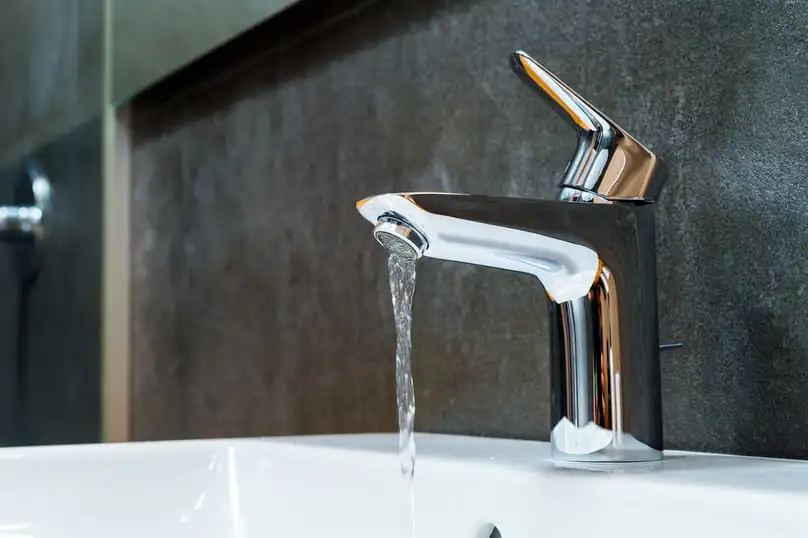
Yellowish water completely changes a family’s confidence when turning on the tap. And while it does not always signal a serious issue, wondering exactly why is my bath water yellow is the right reaction. The color can reveal the presence of sediment, minerals, pipe corrosion, or supply issues that warrant inspection.
In this comprehensive guide, we explain the main causes of this discoloration and whether is yellow water safe to bathe in for your family. We will also cover how to resolve the problem effectively. For deep cleaning services that can help remove rust stains, you can count on Yorleny’s Cleaning Services.
Why is My Water Yellow All of a Sudden?
Sudden yellow bath water is typically caused by rust in your home’s pipes, a failing water heater, or a disruption in the municipal water main. If you constantly wonder why is my water yellow all of a sudden, pinpointing these common sources is your first step. If you use well water, high levels of iron or natural tannins are common culprits.
Important Note: If you notice that the water is yellow in tub basins or toilet bowls permanently even with clean water, the cause is usually a buildup of limescale and calcium. This is easily remedied by scrubbing with white vinegar and baking soda.
Diagnosing the Discoloration: The Main Culprits
Water can appear yellow for several reasons. Some causes are temporary and resolve after running the cold water for a few minutes, while others point to a persistent issue requiring analysis and treatment.
People often ask why is my shower water yellow only in the mornings? The water’s appearance and odor, the timing of the discoloration, and the specific taps affected provide very useful clues to answer this.
Rust From Aging Galvanized Pipes and Water Heaters
Rust in old pipes, metal components, or distribution networks often discolors water yellow, orange, or brown. Discoloration that clears after running unused taps suggests household plumbing issues, whereas persistent, widespread discoloration points to the main supply.
Beyond appearance, rust sediment causes several household issues:
- Builds up in fixtures, appliances, and heaters.
- Stains plumbing fixtures and light clothing.
- Alters the taste and smell of your drinking water.
The Florida Factor: Tannins and Iron in Well Water
In private wells, dissolved iron and manganese frequently turn water yellow or brownish upon oxidizing when exposed to air.
Iron causes yellow, orange, or reddish hues, while manganese leaves dark brown or black stains. Both give water a metallic taste and cause buildup in household appliances.
If you are researching how to fix yellow well water, you must address these specific mineral concentrations first. Avoid generic solutions.
Choosing the right filter requires a home water analysis, as effective treatment depends on mineral concentration, pH, hardness, flow rate, and other contaminants like sediment or bacteria.
Municipal Flushing and City Water Main Breaks
If you use municipal water, yellow discoloration can occur after street work, pipe repairs, pressure changes, or fire hydrant use, which stir up pipe sediment. Running cold water for a few minutes usually clears it.
To protect your home systems during a municipal water event, follow these steps:
- Avoid using hot water to keep sediment out of your water heater.
- Hold off on washing white laundry until the water runs clear.
- If discoloration lasts more than a few hours, affects neighbors, or coincides with a public notice, contact your water provider.
- If isolated to your home, a plumbing inspection and water test will locate the source.
Is Yellow Water Safe to Bathe In?
Yes, yellow water is normally okay to bathe in, but it is strongly advised to let it drain beforehand. The yellow tinge is typically generated by innocuous mineral deposits, primarily iron and manganese, stirred up by local water main maintenance, or rust from aged pipes and water heaters.
The Impact of Rust and Iron on Your Skin and Hair
According to the United States Environmental Protection Agency (EPA), an iron concentration of more than 0.3 milligrams per liter produces cosmetic discoloration but poses no significant health risk.
However, extended exposure might have a negative impact on the health of your skin and hair over time. Understanding exactly why is my bath water yellow helps you minimize this prolonged cosmetic exposure.
What to Do Before Calling a Professional
Before requesting an inspection, you can perform a few simple and safe checks. To accurately diagnose why is my shower water yellow, follow this specific checklist to isolate the primary source before calling a plumber:
- Check whether the issue affects a single point or the entire home.
- Determine if it occurs only with hot water or with cold water as well.
- Ask neighbors, the concierge, or building management if there are other reported cases in the building.
- Check for recent service outages, construction work, or incidents in the area.
- Let the water run for a reasonable amount of time—especially if the tap hasn’t been used for hours—and observe whether the discoloration clears up.
If the water’s appearance improves immediately and the problem does not return, it may have been a temporary issue caused by stagnant water or displaced sediment. However, if the problem persists, recurs frequently, or if the water continues to show discoloration, particles, or an unusual appearance, you should avoid using it for consumption until the cause has been identified.
It is not advisable to dismantle technical components or tamper with shared plumbing systems without professional guidance, particularly in buildings with main shut-off valves, water storage tanks, or pressure booster systems.
Dealing With the Aftermath: Protecting Your Bathroom
To deal with yellowish water in the bathroom and protect your fixtures, you must remove accumulated rust and limescale using acidic agents (such as white vinegar or specialized rust cleaners).
You should also install filtration systems to prevent metal sediments from entering your home’s plumbing. If the water is yellow in tub enclosures frequently, these filters are absolutely essential.
How to Remove Existing Yellow Stains
Water containing metal sediments quickly stains the ceramic surfaces of the toilet, sink, and shower. To remove these stains without damaging the enamel, use the following methods:
- Cleaning vinegar and baking soda: Empty the excess water from the bottom of the toilet bowl. Sprinkle a cup of baking soda over the yellow stains and pour two glasses of white vinegar over it. The fizzing reaction will dissolve the limescale and rust. Let it sit for 20 minutes, then scrub with a soft brush.
- Citric acid or lemon: Lemon juice mixed with hydrogen peroxide is a powerful natural whitener that safely loosens iron deposits.
- Specialized cleaners (e.g., CLR or Bar Keepers Friend): If the stains are severe, apply a specific rust and limescale remover. Use mild abrasive creams or gels designed for porcelain, and avoid metal scouring pads that can scratch the finish.
Restore Your West Palm Beach Bathroom
Finding out “why is my bath water yellow” usually means you need a trusted plumber to resolve rusty pipes or water heater issues. However, once the plumbing is officially fixed, you are still left with unsightly, stubborn stains ringing your tub and fixtures. While fixing the water supply solves the root problem, it takes professional deep cleaning to completely restore your bathroom’s pristine appearance.
If you have already solved “why is my bath water yellow”, do not spend your weekends endlessly scrubbing the remaining harsh mineral deposits. Our expert team efficiently eradicates stubborn rust and deep hard water stains, saving you from exhausting and repetitive household chores. Stop sacrificing your precious free time to heavy scrubbing and contact Yorleny’s Cleaning Services today to schedule your professional cleaning!
Frequently Asked Questions About Discolored Water
Can I wash my clothes if the tap water is yellow?
No, you should never wash white or light colored fabrics in discolored tap water. If you are wondering “why is my bath water yellow?”, the same rusty sediment will easily permanently stain your favorite clothes. You must wait until the local municipal lines run completely clear before running your washing machine.
How to fix yellow well water permanently?
You must install a whole house filtration system to permanently remove excess iron and organic tannins. When homeowners ask “why is my bath water yellow?”, the issue always stems from untreated underground minerals. A dedicated water softener absolutely guarantees a continuous supply of perfectly clear and incredibly fresh water.
Does running the tap clear out yellow water?
Yes, running your cold water taps for twenty minutes usually flushes out temporary rust buildup entirely. If municipal maintenance makes you ask why is my bath water yellow, letting the faucet flow clears disturbed pipe sediment. You should avoid using hot water until the main supply completely returns to normal.
Why does my yellow bath water smell metallic?
A strong metallic odor indicates extremely high concentrations of dissolved iron or corroding galvanized pipes. When investigating “why is my bath water yellow”, this distinct smell confirms that rusted plumbing fixtures are actively deteriorating. You must hire a licensed plumber immediately to inspect your aging infrastructure before expensive leaks occur.
Will standard bleach clean yellow iron stains from my tub?
No, using standard bleach actually oxidizes the iron and makes rusty tub stains permanently darker. If you are dealing with why is my bath water yellow, you must only use specialized rust removing chemicals. Applying white vinegar or commercial mineral dissolving liquids safely removes the ugly discoloration without damaging porcelain.

Reviewed by:
Tony Loeffler is the Co-Founder of Yorleny's Cleaning Service and a leader in residential cleaning services. As a content reviewer and writer, he is an expert around the cleaning services in Florida, specifically West Palm Beach County.
Recent Articles
How Can You Keep Your House Clean? Daily Habits for a Stress-Free Home
If you’re wondering how can you keep your house clean without spending hours of effort each day, the key is to adopt…
How to Get Rid of Green Mold and Algae on Your House Exterior
As the weather improves, it is common to notice that terraces, patios, and garden surfaces have completely changed in appearance. That discoloration…
Why Is My Shower Turning Orange? Causes and Solutions
It is never pleasant to see orange stains in a bathtub or shower. Finding them can lead to headaches and disgust, but…
See below to check if our top-quality house cleaning services are available in your city and book your first appointment with just a few clicks.