

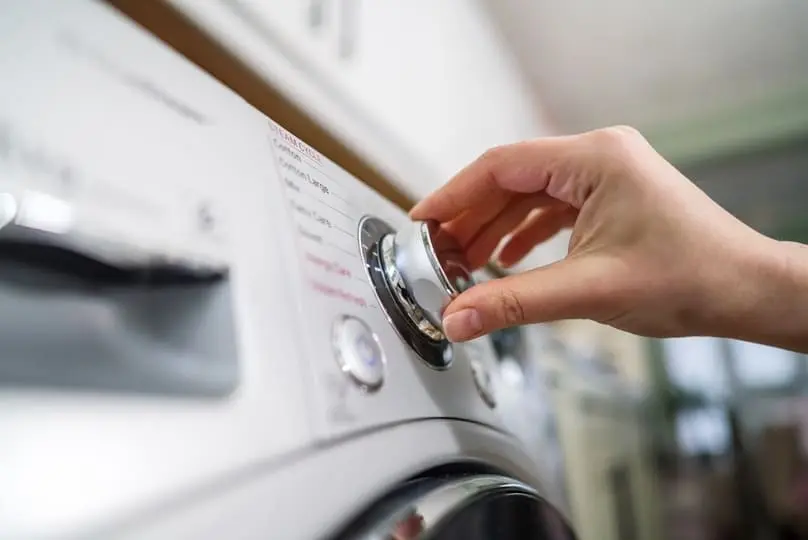
Cleaning your washing machine regularly is crucial for maintaining hygiene and efficiency in your household. Understanding the best way to clean a washing machine systems is essential. Despite being one of the most used appliances, it’s often overlooked, leading to musty smells and unpleasant odors on freshly washed clothes. This indicates that a thorough cleaning is needed.
Regular cleaning helps ensure hygienic clothes, reduces energy costs, prevents bad odors, and avoids mold growth. It also extends the appliance’s lifespan. Daily use leads to dirt, detergent residue, and limescale buildup. This makes cleaning washing machine routines necessary to prevent bacteria and mold growth in damp areas like the drum and seals.
Yorleny’s Cleaning Services cover in this guide everything you need to know about cleaning your washing machine. Including frequency and effective home remedies. It will also explain the best way to clean your washer for long-term performance.
Best Way to Clean a Washing Machine With a Commercial Cleaner
Why Commercial Washer Cleaners Are More Effective for Regular Maintenance
The best way to clean a front load washer is to use a commercial cleaner like Clinex Destoner or Affresh®. These act as a best washing machine cleaner, eliminating scale, breaking down sludge, and removing odor-causing bacteria.
Just fill the empty drum with the cleanser and run the “Clean Washer” or hottest cycle monthly. These products ensure consistent results and protect components from buildup.
When a Store-Bought Cleaner Works Better Than DIY Methods
When dealing with heavy limescale, mold, or deep sludge, commercial products are more effective than DIY methods. These solutions represent the best way to clean a washer when maintenance has been neglected.
They provide stronger descaling and odor removal, while DIY options remain useful for light monthly care.
Best Way to Clean a Front Load Washing Machine (Mold & Odors)
How to Clean the Gasket and Door Seal Properly
Mold and odors usually form in the rubber gasket. This is why knowing the best way to clean a front load washing machine is essential.
- Make the Solution: In a spray bottle, combine one cup white vinegar, one cup water, and one teaspoon blue Dawn dish soap.
- Spray and Soak: To get rid of mold, lint, and mildew, open the door, pull back the rubber gasket, and liberally spray the solution inside the folds. Give it a minimum of ten to fifteen minutes to sit.
- Clean the Gasket: To get rid of tough dirt and debris, use a soft cloth or an old toothbrush to clean inside the gasket folds.
- Rinse and Dry: To get rid of the cleaner and dirt, use a moist microfiber cloth to wipe down the entire gasket. Use a fresh towel to fully dry it.
Preventing Mold Buildup in Humid Environments Like Florida
In humid regions like Florida, moisture control is key. Following the best way to clean a washing machine routine helps prevent mildew.
Daily Upkeep (Following Every Load)
- Leave the Door Open: To allow the drum and gasket to naturally dry out after a cycle, always leave the washer door partially or completely open.
- Clean the Gasket: To get rid of water, detergent residue, lint, and pet hair, use a cloth to clean the rubber gasket, including under the flap, after the final load of the day.
- Dry the Detergent Dispenser: Since the detergent drawer is another typical place for retained moisture, take it out and clean it out, leaving it slightly open to dry.
- Dry the Door Glass: To get rid of moisture, wipe the glass door.
Monthly Upkeep
- Run a Cleaning Cycle: Use a hot cycle monthly for proper cleaning washing machine
- Use of Appropriate Cleaners: Choose the best washing machine cleaner or vinegar-based solution.
- Make sure the drain pump filter is clean: To stop stagnant water from stinking, clean the drain pump filter, which is usually located behind a tiny door at the bottom of the machine.
Best Way to Clean a Top Load Washer for Deep Cleaning
Deep Cleaning the Drum and Agitator
- Remove and Soak Parts: Remove the fabric softener dispenser and agitator cap. Soak these portions in dish soap and hot water in a sink.
- Scrub Components: To clean the removed cap and dispenser of accumulated soap scum and dirt, use a toothbrush and sponge.
- Clean the Agitator Shaft: Use a toothbrush and a cleaning solution (such as vinegar/water or cleaner) to scrub the agitator’s interior and surrounding area.
- Deep Clean the Drum: Use a commercial cleanser, such as Affresh tablets, to run a “Tub Clean” or hottest cycle.
- Wipe Down: To get rid of any last bits of loose debris, use a microfiber cloth to wipe down the drum, top edge, and lid.
- Finalize: To avoid mildew, reassemble the dry, clean agitator parts and leave the washer lid open to dry completely, which supports the best way to clean a washing machine
Removing Detergent and Fabric Softener Buildup
When deep cleaning a top-load washer, residue is dissolved by running a hot water cycle with four cups of white vinegar. This method aligns with the best way to clean a washing machine when dealing with buildup.
Use a solution of vinegar and dish soap to scrub the agitator, detergent tray, and lid seal. Lastly, run a second cycle with baking soda.
Best Way to Clean a Washing Machine Naturally (Vinegar & Baking Soda)
When Natural Methods Are Effective
Use a hot cycle with two cups of white vinegar to remove buildup and a hot cycle with half a cup of baking soda to get rid of odors when cleaning a washing machine naturally. Use a vinegar-soap mixture to clean the filter, dispenser, and gasket. This approach works well for moderate accumulation and odor control during normal maintenance (monthly).
When Natural Approaches Work Best
- Routine Maintenance: Using baking soda and vinegar once a month or every 3–4 months keeps machines, especially front loaders, odor-free.
- Mild Limescale and Mildew: Vinegar efficiently eliminates bacteria and breaks down hard water accumulation.
- Eco-friendly/Sensitive Homes: Natural solutions are biodegradable, non-toxic, and pet-safe.
Limitations of DIY Cleaning for Heavy Buildup
While natural solutions help, they are not always the best way to clean a washing machine when dealing with severe buildup.
DIY methods may fail against heavy limescale, thick residue, or mold. Commercial cleaners are often more effective in these cases.
Best Way to Remove Odors From a Washing Machine
What Causes Persistent Washer Smells
Bacteria, mold, and detergent buildup create musty smells. Residue collects in filters, drum areas, and seals. Odors are trapped by the residue in drain filters, concealed drum sections, and rubber door seals. Understanding odor causes is part of the best way to clean a washing machine effectively
How to Eliminate Odor-Causing Bacteria and Residue
Run an empty, hot cycle with two cups of white vinegar, then another hot cycle with half a cup of baking soda, then thoroughly wipe the rubber door gasket and detergent dispenser to get rid of lingering washing machine scents. Detergent residue, fabric softener buildup, bacteria, and mold growth in moist, difficult-to-reach places are the main causes of persistent odors.
Best Way to Clean a Washing Machine Filter and Dispenser
Why Filters and Dispensers Trap Dirt and Mold
Cleaning filters and dispensers is essential for maintaining the best way to clean a washing machine. To avoid odors, mold, and subpar washing performance, you must clean your washing machine’s filter and dispenser. Typically located at the bottom front of front loaders, filters collect lint, coins, and hair. Dispensers gather leftover fabric softener and detergent residue, which fosters the growth of mold.
How Often These Parts Should Be Cleaned
Clean filters monthly and rinse thoroughly. Maintaining these components is key to following the best way to clean a washing machine and ensuring optimal performance. Clean the dispenser tray monthly by soaking in hot, soapy water. Replace both securely to ensure proper machine function.
1) Best Way to Clean a Washing Machine Filter
- Preparation: To collect water, place a tray or cloth beneath the access door (typically in the lower right corner).
- Drain the Tube: Take out the tiny hose, unplug it, and pour the water into a shallow container.
- Remove the Filter: turn it counterclockwise and remove it.
- Clean the Filter: remove any lint, hair, or debris, then rinsing it under warm water with a toothbrush if necessary.
- Make the Filter Housing Clean: Check for obstructed objects by wiping within the filter compartment.
- Reassemble: Replace the door and hose plug, then tightly screw the filter back on (clockwise) to stop leaks.
2) Best Way to Clean a Washing Machine Dispenser
- Take Out the Drawer: The majority of drawers contain a tiny tab that can be pressed to fully extend the drawer.
- Soak and Scrub: Use soap or vinegar to soak the drawer in hot water. Scrub away any detergent or softener that has crystallized in each compartment with an old toothbrush.
- Clean the Drawer Slot: Give the area within the machine where the drawer is located a thorough cleaning.
- Dry and Replace: Before reinstalling the drawer, make sure it is completely dry.
Best Way to Decide Between DIY Cleaning and Professional Deep Cleaning
Signs DIY washing machine cleaning is not enough
Knowing the best way to clean a washing machine helps with regular maintenance, but some issues go beyond DIY methods. Persistent odors, mold buildup, or residue inside the drum are signs that deeper cleaning may be needed. When these problems continue, basic routines may not be enough.
When professional deep cleaning becomes the best option
Understanding the best way to clean a washing machine also means recognizing when expert help can improve results. Professional cleaning removes hidden buildup, improves efficiency, and helps extend the life of your appliance. This ensures your washer runs smoothly and keeps your laundry fresh.
If you want better performance and a cleaner home, Yorleny’s Cleaning Services is here to help. Contact us today to keep your appliances and home in top condition.
Frequently Asked Questions About Washing Machine Cleaning
What is the best way to clean a washing machine for long-term maintenance?
The best way to clean a washing machine includes using a commercial cleaner regularly, cleaning the drum, and maintaining filters and dispensers. This helps prevent buildup, odors, and costly repairs over time.
How do you clean a front load washer to prevent mold and odors?
Front load washer cleaning requires wiping the rubber gasket, leaving the door open after use, and running cleaning cycles. This prevents moisture buildup and reduces mold in humid environments.
What is the proper method for top load washer deep cleaning?
Top load washer deep cleaning involves filling the drum with hot water, adding a cleaning solution, and running a full cycle. This removes detergent residue and improves overall machine performance.
Are natural methods effective for washing machine cleaning?
Natural cleaning methods like vinegar and baking soda can help with light residue and mild odors. However, they may not be strong enough for deep cleaning or removing heavy mold buildup. The best way to clean a washing machine is to use commercial products.
Recent Articles
Construction Dust Control: How to Reduce and Manage Dust Effectively
The release of dust and noise from construction sites can have significant consequences for public health and the environment, making construction dust…
How to Clean Brass Safely and Restore Its Shine
Brass pieces are trending now more than ever, so you probably have some at home. Knowing how to clean brass is essential…

Easter Cleaning Checklist to Get Your Home Ready
Easter goes beyond just chocolate eggs and family lunches; it’s the perfect time to refresh and revitalize your home using a detailed…
An overview of the areas we serve
See below to check if our top-quality house cleaning services are available in your city and book your first appointment with just a few clicks.