

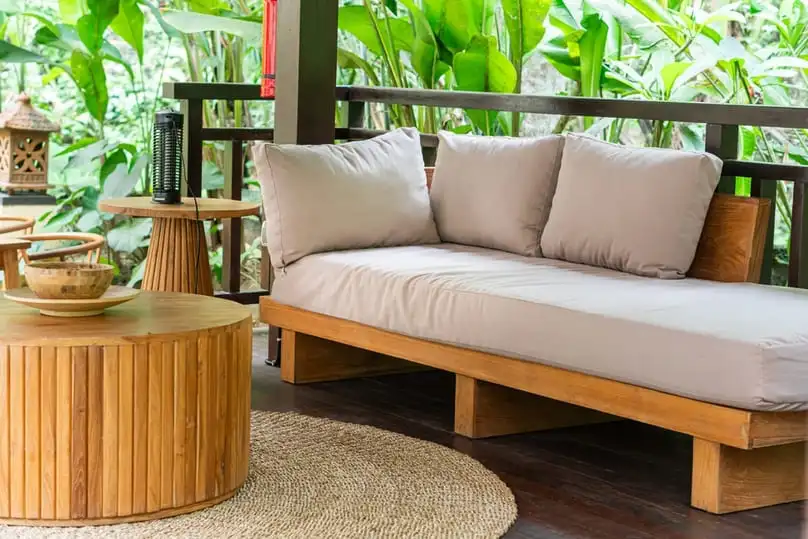
How to remove mildew from outdoor cushions is of utmost importance because cushions can absorb moisture from the air and rain, most outdoor cushions and pillows are made of water-repellent fabrics, but mold thrives in the dust that accumulates on the surface. If cushions are discolored or covered in mold, they are unsuitable, no matter how attractive the garden furniture may be.
To understand how to remove mildew from outdoor cushions effectively, you must first identify what type of mildew you’re dealing with and how moisture affects the fabric.
Removing mold from outdoor cushions is a common task, especially in humid climates, like Florida’s, or during rainy seasons. Many homeowners researching how to remove mold from outdoor cushions or how do you remove mildew from outdoor cushions are surprised to learn that mold not only affects the aesthetics but can also damage the material, generate unpleasant odors, and be harmful to your health.
At Yorleny’s Cleaning Services, we are experts in cleaning outdoor furniture, and we know you won’t let fear of damaging your furniture stop you from enjoying your garden activities. Therefore, we’ll explain how to clean patio cushions with mildew and how you can remove and clean mold from your garden cushions using safe and effective methods.
Why Removing Mildew From Outdoor Cushions Matters
Health and Safety Risks of Mildew and Mold
It is crucial to remove mold from outdoor cushions because, although aesthetically unpleasant and damaging to textiles, mold releases spores that cause allergic reactions (sneezing, red eyes, asthma) and irritations to the skin, eyes, and lungs, especially affecting sensitive individuals or those with respiratory problems. This is why many people search for how to clean mildew off outdoor cushions safely.
In severe cases, it can emit toxic substances called mycotoxins, making cleaning essential to protect family health and prolong the life of the furniture.
Impact on Cushion Appearance and Longevity
It’s crucial to know how to remove mildew from outdoor cushions because it disfigures their appearance, deteriorates the fabric fibers, and generates unpleasant odors. This drastically shortens the lifespan of your cushions by degrading the materials. Controlling humidity and promptly cleaning mold prevents long-term damage, keeping your cushions fresh, comfortable, and aesthetically pleasing for longer.
Florida-Specific Concerns: Humidity, Rain, and Frequent Outdoor Use
In Florida, high humidity, rain, and constant use create the perfect environment for mildew growth, damaging aesthetics, deteriorating fabrics, generating unpleasant odors, and most importantly, releasing spores that cause allergies, respiratory problems (asthma), and other health issues. Learning how to clean moldy outdoor cushions becomes essential to maintain a safe environment and improve air quality in your home and garden.
Understanding Outdoor Cushion Fabrics and Mildew
Common Fabrics: Polyester, Olefin, Acrylic, Canvas
Mildew resistance in outdoor fabrics is directly related to the fiber’s capacity to withstand moisture, which mold and mildew require to flourish.
The best textiles for mildew resistance are often synthetic, particularly solution-dyed, which means the pigment is added to the fiber before it is spun into thread.
How Mildew Develops on Outdoor Cushions
Mold on outdoor cushions develops due to trapped moisture (rain, dew, condensation) penetrating porous materials, combined with poor ventilation and lack of sunlight, creating an ideal environment for fungal growth. Homeowners searching for how to clean outdoor cushions with mildew often discover that shade and humidity are the biggest contributors to the problem.
Identifying Minor vs. Severe Mildew Infestations
To identify mold on outdoor cushions, look for dark (black, green), white, or gray patches, a fuzzy/spongy texture, and a persistent musty odor.
Mild infestations are usually small, surface-level patches that smell bad, while severe infestations are extensive, penetrate the material (leaving stains beneath the surface), and have a strong odor, indicating that the mold is deeply ingrained and requires prompt action.
Supplies and Tools Needed for Mildew Removal
Before you start cleaning your cushions, it’s important to gather all the necessary materials. Also, be sure to check the care labels on the covers to avoid damaging them. If you can’t find the label, most manufacturers offer cleaning recommendations on their website.
Safe DIY Cleaning Solutions: Vinegar, Baking Soda, Oxygen Bleach
To safely remove mildew with DIY solutions, you’ll need white vinegar, baking soda, and oxygen bleach (or hydrogen peroxide). Here we tell you how to make the mixture, which is helpful for anyone looking up how to clean outdoor cushions with mildew using natural ingredients.
Vinegar Spray (Light Mildew/General):
- To make Vinegar Spray (Light Mildew/General), mix equal parts white vinegar and water in a spray container.
Baking Soda Paste (Scrubbing Power):
- To make a strong scrubbing paste, use 2 parts baking soda, 1 part water, and 1 part vinegar.
Oxygen Bleach/Hydrogen Peroxide (Stain Removal/Disinfecting):
- To remove stains and disinfect surfaces, use 3% hydrogen peroxide in a spray bottle. Allow 10-15 minutes to rest before wiping.
- Oxygen Bleach: Combine with water to create a solution for siding/fabric; it degrades to oxygen and water, rendering it harmless.
Soft Brushes, Microfiber Cloths, Spray Bottles
Here are the essentials for cleaning your outdoor cushions:
- A drop cloth or protective surface to avoid getting your work area dirty.
- A soft-bristled brush.
- A bucket for mixing the cleaning solution.
- A hose for rinsing or a spray bottle.
- A handheld vacuum cleaner for removing dust.
- An N95 mask.
Commercial Mildew Removers for Outdoor Fabrics
When selecting a professional cleaner for outdoor materials (such as patio cushions or umbrellas), opt for one that is tough on mold and mildew stains while being safe for the fabric. Many experts recommend trying non-bleach methods first, because bleach will only destroy surface mold and may not penetrate porous materials like fabric, allowing the mold to regenerate.
This guidance is especially useful if you’re researching how to clean patio cushions with mildew using store-bought options. Always verify the manufacturer’s care recommendations for your particular fabric.
Popular commercial cleaner solutions include Iosso® Mold & Mildew Stain Remover, a bleach/chlorine-free cleaner, specifically formulated to be safe on colors, and CLR Mold & Mildew Stain Remover, which is certified as safer for people and the environment (e.g., EPA Safer Choice) and may be gentle yet effective on delicate surfaces.
Step-By-Step Guide: How to Remove Mildew From Outdoor Cushions
It’s best to start cleaning your patio cushions early to ensure efficient drying and prevent future buildup. Understanding how to remove mildew from outdoor cushions helps you avoid moisture damage and maintain your furniture in great condition. If outdoor cleaning isn’t possible, choose a covered area where the cushions can dry safely overnight.
Step 1 – Remove Cushions and Shake Off Loose Debris
Before learning how to remove mildew from outdoor cushions, begin by lifting surface dirt. Use a handheld vacuum with an upholstery attachment and clean every cushion thoroughly. Crumbs and dust accumulate along the seams, so give those areas extra attention to prevent mold regrowth later.
Be careful around decorative buttons and furniture backs, where spores hide and spread mold faster.
Step 2 – Apply Cleaning Solution According to Fabric Type
Many homeowners researching how to remove mildew from outdoor cushions start by choosing the right cleaning method. One option is using warm water with dish soap. Soak a bristle brush in this solution and scrub each cushion side.
You can also use distilled white vinegar to clean patio cushions with mildew. Spray the vinegar generously, scrub, and let it sit for stubborn stains. This method works well for anyone wanting to know how to clean mildew off outdoor cushions without harsh chemicals.
Step 3 – Scrub Gently, Rinse Thoroughly, and Dry in Sunlight
After scrubbing, rinse the cushions with a garden hose or a pressure washer on safe settings. This step is essential when learning how to remove mildew from outdoor cushions, since residue encourages mold to return.
Pat the cushions dry with a towel and place them in direct sunlight. Turn them every few hours to ensure even drying. In humid climates, knowing how to clean moldy outdoor cushions also means ensuring no moisture remains before storing them.
Preventing Mildew on Outdoor Cushions
Proper Storage and Coverage During Rain
Understanding how to remove mildew from outdoor cushions helps, but prevention is equally important. Store patio furniture in waterproof trunks or breathable covers, and always dry them completely before putting them away. Never cover wet cushions, as this traps moisture and accelerates mold growth.
Regular Cleaning Routines to Prevent Mold Buildup
Mildew prevention requires consistent maintenance. Homeowners researching how to clean outdoor cushions with mildew or how to clean patio cushions with mildew benefit from weekly cleaning routines and proper ventilation.
Cleaning and Maintenance Routines
Immediate Drying: After rain, shake off excess water and let cushions air dry upside down or on their side. Proper airflow prevents mildew from forming.
Regular Cleaning (Weekly/Bi-Weekly)
Natural Option: Spray a mix of vinegar and water, let it sit, scrub gently, and rinse.
Bleach Option: Use diluted bleach only for stubborn mold, and always test a hidden area first.
Deep Cleaning (Monthly/Seasonal)
Vacuum cushions to remove dirt. Wash according to label instructions, and use enzyme detergent for organic stains. These routines support anyone learning how to remove mildew from outdoor cushions long-term.
Post-Wash Drying
Squeeze out excess water gently and let the cushions dry fully in a ventilated area to protect fibers.
Off-Season Storage
Store cushions completely dry in breathable fabric bags, not plastic. Good ventilation prevents moisture buildup and mold formation.
Keep Your Outdoor Spaces Fresh with Effective Mildew-Removal Practices
Why Understanding How to Remove Mildew Matters for Florida Homes
Learning how to remove mildew from outdoor cushions empowers homeowners to maintain cleaner, healthier outdoor spaces. In humid regions like West Palm Beach, understanding what causes mildew and addressing it early helps protect both the cushions and the overall look of your patio setup.
When Good Cleaning Habits Make a Long-Term Difference
Even if you already know how to remove mildew from outdoor cushions, consistency is what keeps outdoor furniture looking its best. Regular upkeep helps reduce recurring mildew caused by humidity, rain, and daily use, supporting a cleaner and more comfortable outdoor environment.
Ready to Keep Your Cushions Looking Their Best?
If you’d like guidance beyond DIY methods or want professional support for your outdoor cleaning needs, you can always Contact us today for friendly, local assistance.
Frequently Asked Questions About How to Remove Mildew from Outdoor Cushions
Can all mildew be removed from outdoor cushions?
Most surface mildew can be treated at home using standard methods for how to remove mildew from outdoor cushions. Deeply embedded mildew may improve but not disappear completely, depending on the fabric type.
Is it safe to clean outdoor cushions without bleach?
Yes. Many homeowners prefer gentle cleaners when learning how to remove mildew from outdoor cushions, especially for materials that could fade or weaken with harsh products.
How often should I clean my outdoor cushions in Florida?
Due to humidity and frequent rain, monthly maintenance supports the results you get from knowing how to remove mildew from outdoor cushions, reducing buildup before it becomes visible.
What if the mildew smell doesn’t go away after cleaning?
Persistent odors can occur even after applying methods for how to remove mildew from outdoor cushions. Allowing the cushions to fully dry in direct sunlight often helps, though severe odors may require deeper cleaning.
Are DIY methods enough for old or stubborn mildew?
DIY solutions work well for mild cases. However, older stains don’t always respond fully to at-home approaches for how to remove mildew from outdoor cushions, and professional cleaning may help improve the fabric’s appearance.
Recent Articles
Best Cleaning Tools for Your Home: Top Essentials for Florida Homes
To keep your house clean, you need several basic tools: clothes, a mop, a vacuum cleaner and more. But beyond these well-known…
How to Clean a Robot Vacuum: Step-by-Step Maintenance Guide for Florida Homes
Robot vacuums have revolutionized the way we keep our homes clean, but knowing how to clean a robot vacuum is essential to…
How to Clean a Garbage Disposal Safely and Eliminate Odors
Kitchen garbage disposals are very useful tools that allow you to quickly get rid of unwanted food scraps. Although they are usually…
An overview of the areas we serve
See below to check if our top-quality house cleaning services are available in your city and book your first appointment with just a few clicks.