

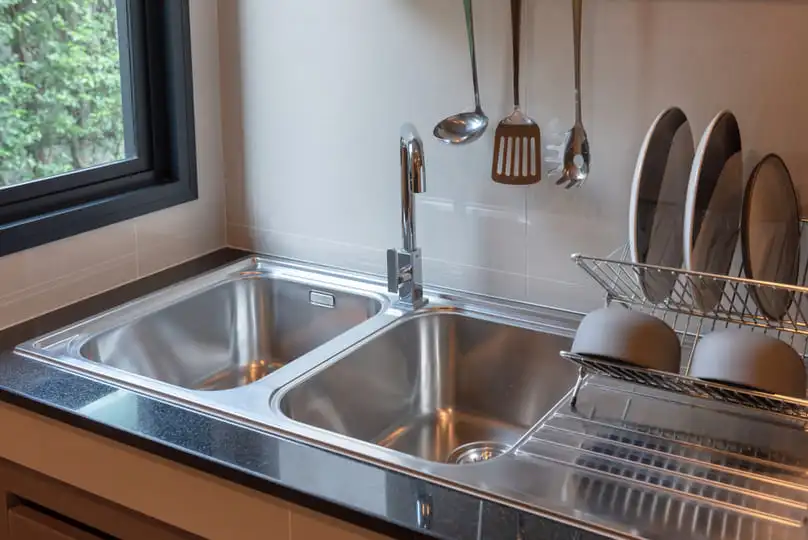
Stainless steel is present in our kitchens, bathrooms, and appliances because of its durability and modern appearance. If you’ve ever wondered how to clean stainless steel sink, you’ll know that keeping it free of fingerprints, limescale, or food stains can be a challenge. Yet how do you clean a stainless steel sink effectively without damaging it?
However, cleaning your stainless steel sink is a task that, although it may sometimes seem a bit tedious, is actually very satisfying. After all, is there anything more rewarding than seeing your sink looking brand new after a good wash? Furthermore, keeping it clean not only improves the appearance of your kitchen but also helps prevent the buildup of germs and bacteria.
In this article, Yorleny’s Cleaning Services gives you their best tips to clean a stainless steel sink, including how to remove stains from stainless steel sink and even how to remove hard water stains from stainless steel sink, while also showing you the best way to clean stainless steel sink for long-lasting shine.
Why Stainless Steel Sinks Need Special Care
What Makes Stainless Steel Durable but Delicate
Understanding how to clean stainless steel sink surfaces starts with knowing how their protective layer works. Stainless steel sinks require special care because their endurance depends on a microscopically thin, self-healing layer of chromium oxide. While this coating offers strong resistance to rust and corrosion, it can be easily damaged by everyday household products or abrasive practices, leaving the underlying metal exposed.
Stainless steel is an iron-based alloy containing at least 10.5% chromium. When it comes into contact with oxygen, the chromium forms an invisible, inert passive film. This barrier constantly regenerates when minor scratches occur, preventing oxygen from reaching the metal and helping maintain the sink’s condition if you follow proper methods on how to clean stainless steel sink surfaces.
The “delicacy” of stainless steel comes from how easily this protective layer can be compromised. Certain substances and physical actions can break it down faster than it can rebuild, leading to long-term damage.
Why Florida Kitchens Need Extra Attention
Florida’s humidity and hard water increase stains, water spots, and corrosion, making it essential to know how to remove hard water stains from stainless steel sink surfaces. Homes near the coast also deal with salty air, which speeds up discoloration. Regular maintenance and the right products can help strengthen the protective layer and keep your sink shiny.
Step-by-Step Guide: How to Clean a Stainless Steel Sink
Tools and Materials You’ll Need
Microfiber Cloths
Microfiber is gentle and effective for anyone learning how to clean stainless steel sink without scratching it. These clothes grab grease, food debris, and water spots easily.
Soft Bristle Brush
If you’ve ever wondered how to clean stainless steel sink corners without damaging the finish, a soft bristle brush is your answer. It lifts dirt from grout lines and tight spaces safely.
Mild or Stainless Steel-Specific Detergent
Using the right detergent helps you clean a stainless steel sink without damaging its surface. Mild products remove grease efficiently, while stainless steel-specific cleaners enhance shine and protect the material.
White Vinegar
White vinegar is one of the best natural options for removing stains from stainless steel sink areas. It breaks down limescale, bacteria, and stubborn spots when mixed with equal parts water.
Cotton Cloths
After removing stains, drying the sink is essential. Cotton cloths prevent watermarks and leave the surface streak-free, an important step when learning the best way to clean stainless steel sink finishes.
Mineral Oil
Once the sink is spotless, apply a thin coat of mineral oil. It repels fingerprints and water spots, helping maintain your results longer.
Stainless Steel Cleaning Wipes
For quick maintenance, these wipes refresh the sink instantly. They’re perfect for busy days when you need fast results without doing a full deep clean.
Daily vs Deep Cleaning Routine
A stainless steel sink may be kept clean every day with a simple rinse and wipe with dish detergent and a microfiber cloth, and fully cleaned weekly using baking soda to tackle difficult places. If you want consistent results and understand how to clean stainless steel sink surfaces properly, following both routines is essential.
- Rinse: After each usage, wash the sink with warm water to remove food particles and residue.
- Wash: Wipe clean the surfaces with a gentle sponge or microfiber cloth and a few drops of mild dish soap.
- Rinse again: Thoroughly rinse with warm water.
- Dry: To avoid wet marks, wipe the entire sink with a clean, soft microfiber towel.
How to Deep Clean Your Stainless Steel Sink
To deep clean, make a paste of baking soda and water, scrub with the grain, and then rinse with vinegar. Always rinse and dry the sink after cleaning to avoid wet marks and streaks. These steps are part of the best method when learning how to clean stainless steel sink effectively at home.
- Rinse the sink thoroughly before generously applying baking soda on the entire surface. For more stubborn stains, mix a paste of baking soda and water.
- Scrub the sink gently with a nonabrasive sponge or a soft cloth. To avoid scratches, scrub in the same direction as the grain. A gentle brush can assist with difficult-to-reach regions.
- Rinse your sink well with warm water.
- To thoroughly clean the sink, pour white vinegar over it. Baking soda will fizz. Allow it to sit for a few minutes, then thoroughly rinse.
To avoid stains and wet spots, fully dry the sink with a microfiber cloth. Apply a small bit of olive oil on the cloth and rub the sink in the grain direction to enhance shine. These steps align with the how to clean stainless steel sink routine recommended for long-lasting results.
Drying and Polishing Techniques
To dry and polish, use a clean, dry microfiber cloth or a soft cloth with a little oil for extra shine, always following the grain. Proper drying is a key part of how to clean stainless steel sink surfaces and prevent streaks.
- Immediate drying: Use a clean, dry cloth to thoroughly dry the surface immediately after rinsing. This prevents water spots and limescale.
- Flour drying: After cleaning and drying the sink, coat it with a thin layer of flour. Then, use a soft cloth to rub in circular motions until the sink shines.
- Oil drying: Apply a small amount of olive or mineral oil to a soft cloth and rub the sink following the grain for extra polish.
- Vinegar drying: Spray white vinegar onto the surface and wipe it off with a soft cloth or paper towel. This is especially helpful when reviewing how to clean stainless steel sink techniques for extra shine.
Best Cleaners and Methods for Stainless Steel
Natural Solutions (Vinegar, Baking Soda, Lemon)
The best natural cleaners for stainless steel are vinegar and baking soda, which may be combined to create a paste or spray. After cleaning, use olive oil or baby oil to polish, or clean with a moist microfiber cloth on a daily basis. To avoid stains, always wipe with the grain of the steel and fully dry the surface after, especially when applying how to clean stainless steel sink methods that rely on natural ingredients.
Top Commercial Cleaners for Tough Stains
To remove stubborn stainless steel stains, try Bar Keepers Friend (soft cleanser), affresh® Stainless Steel Brightener, or commercial stainless steel cleaners such as Method or Sprayway, which are designed for harsher chores and heat damage.
Before utilizing commercial items, test them in an inconspicuous area. Mild dish soap and warm water with a microfiber cloth are ideal for routine cleaning or minor messes because they will not scratch the surface.
How to Remove Hard Water and Brown Stains
Removing Limescale and White Spots
To remove limescale and white stains from a stainless steel sink, you can use a paste of baking soda and vinegar or lemon juice. These steps are essential when learning how to clean stainless steel sink surfaces effectively. Apply the mixture to the affected area, let it sit for a few minutes, and then gently rub with a soft cloth or sponge, following the grain of the steel. Rinse well with water and dry completely with a microfiber cloth to prevent new stains. This process also helps if you’re looking for how to remove hard water stains from stainless steel sink buildup without damaging the finish.
Additional Tips:
For light stains or maintenance: Spray diluted vinegar (1:1) and let it sit for 10–15 minutes, or simply clean the sink daily with soap and water, always drying it afterward to prevent buildup. These simple habits support your routine for how to clean stainless steel sink surfaces every day.
- Do not use abrasive products: Avoid using harsh scouring pads, bleach, or abrasive cleaners that can scratch or damage the stainless steel finish.
- Rub in the correct direction: Always rub in the same direction as the grain of the steel to avoid scratches.
- Apply polishing oil: After cleaning and drying, you can apply a few drops of olive oil to a polishing cloth to restore the sink’s shine as part of maintaining how to clean stainless steel sink results long term.
Treating Brown or Rust-Like Stains Safely
To treat rust stains on a stainless steel sink, use mild cleaners such as a paste of baking soda and water, or home remedies like vinegar or lemon juice, gently rubbing with a soft sponge in the direction of the grain. This also works if you’re searching for how to remove stains from stainless steel sink methods that won’t damage the finish.
For tougher stains, use commercial stainless steel cleaners or products containing oxalic acid, applying them with gloves and in a well-ventilated area. Always rinse thoroughly and dry completely to prevent new water spots, which is essential when reviewing how to clean stainless steel sink techniques for a spotless finish.
Common Mistakes to Avoid When Cleaning Stainless Steel
Products That Damage the Surface
When cleaning stainless steel, the most common mistakes are using abrasive products like steel wool or scouring powders, using cleaners with chlorine or strong acids, and not drying the surface immediately after washing, which causes water spots. Avoiding these errors makes a big difference in how to clean stainless steel sink properly and preserve its shine.
It is also a mistake to mix cleaning products or rub against the grain of the steel, which can damage the finish and create permanent scratches.
Scrubbing Techniques That Leave Marks
Using an abrasive scouring pad or sponge: Harsh pads, particularly steel wool, damage the surface of stainless steel, leaving lasting traces and making subsequent cleaning more difficult.
- Rubbing too firmly: Even when using a light cleaning agent, vigorous scrubbing with a scouring pad might leave microscratches on the surface.
- Using improper items: Bleach (sodium hypochlorite) can be dangerous if not properly diluted or used for cleaning rather than disinfection. To disinfect, first clean the surface, followed by a solution of bleach and cold water.
- Scrubbing brushed steel in circular motions: To avoid further damage, when using fine-grit sandpaper for deep scratches, scrape softly down the grain of the metal rather than in circles.
These methods are important to keep in mind when following how to clean stainless steel sink best practices.
Florida Tip: Maintaining Shine in a Humid Environment
Preventing Water Spots With Daily Habits
Moisture is the main enemy of shine. The most important step in a humid area is to keep moisture from sitting on the surface, which generates water spots and can lead to rust. As part of any how to clean stainless steel sink routine in Florida, dry the sink and faucet with a soft cloth after each use to prevent water spots and limescale buildup. Also, always use microfiber cloths or non-abrasive sponges to avoid scratches.
Why Regular Cleaning Matters in Coastal Homes
It’s important to clean stainless steel sinks in coastal homes to prevent corrosion caused by salt air, maintain their shine, and avoid the buildup of stains and odors. Prolonged exposure to saline environments can weaken the passive layer of stainless steel and accelerate oxidation, so regular cleaning helps protect the surface and extends the sink’s lifespan while supporting your ongoing how to clean stainless steel sink routine.
Keeping Your Stainless Steel Sink Clean and Protected in Florida
Simple Habits to Maintain a Stain-Free and Scratch-Free Surface
Knowing how to clean stainless steel sink areas properly helps prevent stains, scratches, and mineral buildup, especially in Florida’s humid conditions. Simple daily habits like rinsing after use, drying the surface, and avoiding abrasive tools can help your sink stay bright and spotless longer.
When Basic Care Isn’t Enough, Professional Cleaning Can Help
Sometimes homeowners look up how to clean stainless steel sink because stubborn water spots or discoloration won’t go away with regular care. In those cases, professional cleaners use safe, effective methods to restore shine without damaging the metal, giving your sink a refreshed, polished look you can maintain more easily.
Ready for a Cleaner, Brighter Kitchen Sink?
If you want expert help maintaining your stainless steel surfaces, Yorleny’s Cleaning Service can keep your kitchen looking its best. Contact us today to request a quote or schedule a professional cleaning.
Frequently Asked Questions How to Clean Stainless Steel Sink
Why do stainless steel sinks stain or rust in humid environments like Florida?
Stainless steel sinks can discolor or rust in humid locations such as Florida because high moisture levels and chloride ions (salt) harm the protective chromium oxide coating. Stainless steel is corrosion-resistant. It is not corrosion-proof.
What is the best way to clean a stainless steel sink without damaging it?
To clean a stainless steel sink without damaging it, use a mild abrasive such as baking soda and scrub gently with a soft cloth or sponge following the grain. Rinse well and dry with a microfiber cloth to prevent water spots.
How can I remove hard water or brown stains from my stainless steel sink?
To remove hard water or brown stains from a stainless steel sink, mix baking soda and water and scrub with a non-abrasive sponge. Rinse completely afterward.
What common mistakes should I avoid when cleaning stainless steel?
The most common mistakes include using strong chemicals or abrasive tools. Improper wiping and drying methods can also cause damage.
Recent Articles

Easter Decorations Ideas for Every Home in 2026
Easter decorations ideas are perfect for transforming your home into a warm and festive space during spring. This season is ideal for…

Vacation Rental Cleaning: Checklists and Standards for Consistent Guest Turnovers
Vacation rental cleaning is a real challenge, for both tourists and hosts. A dirty vacation rental can ruin a traveler’s stay, and…

How to Clean Airbnb Homes the Right Way for Consistent Guest Satisfaction
The best hosts always leave their listings spotless between stays. Knowing how to clean Airbnb homes properly is essential, as cleanliness is…
An overview of the areas we serve
See below to check if our top-quality house cleaning services are available in your city and book your first appointment with just a few clicks.